Artwork
Sf. Ioan Botezătorul
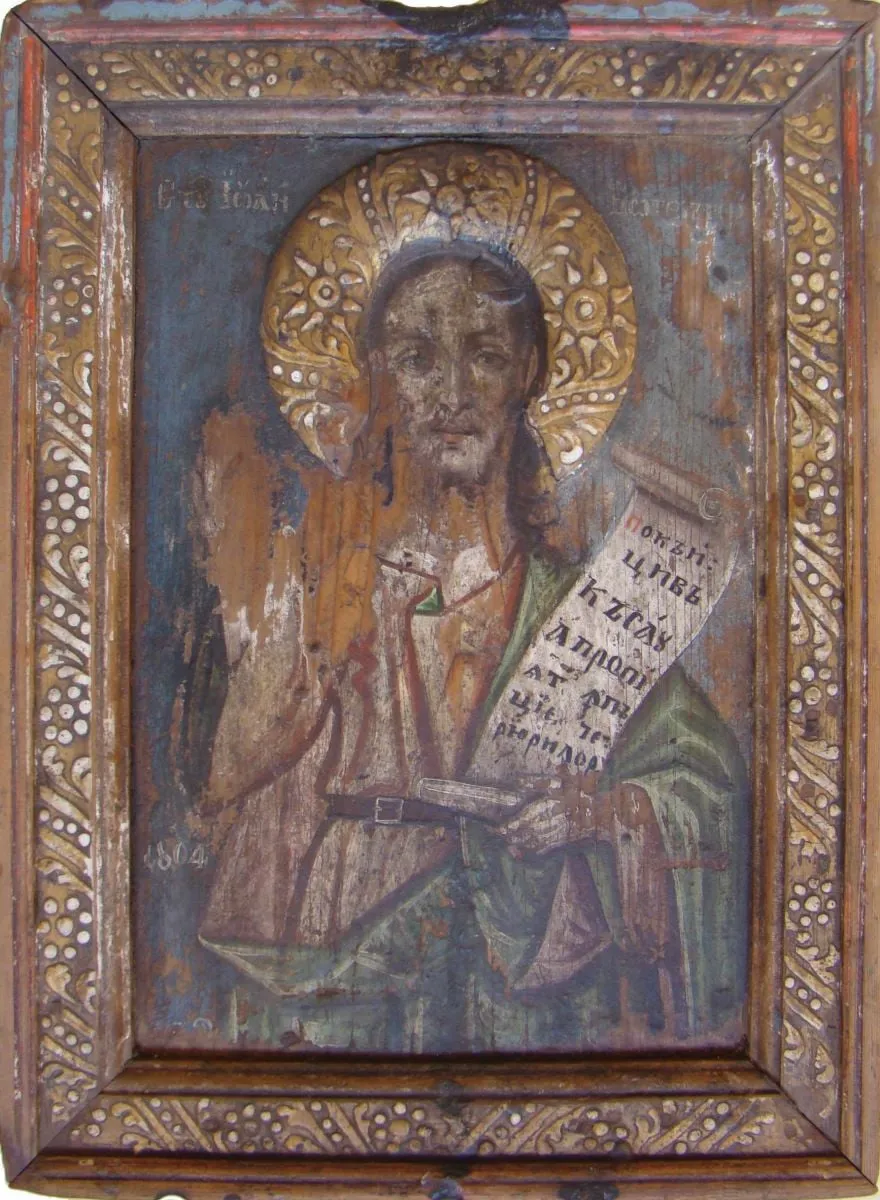
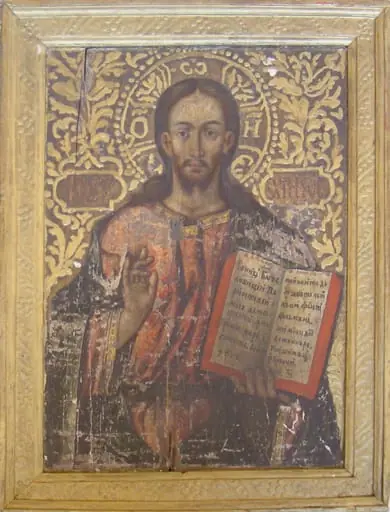
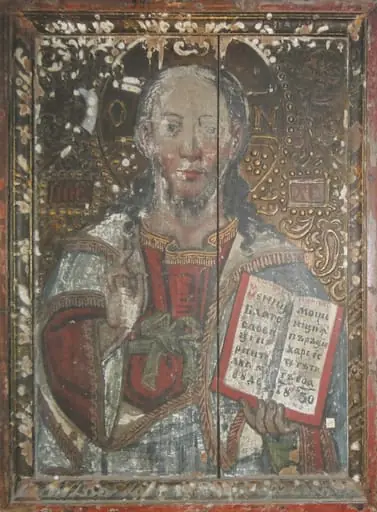
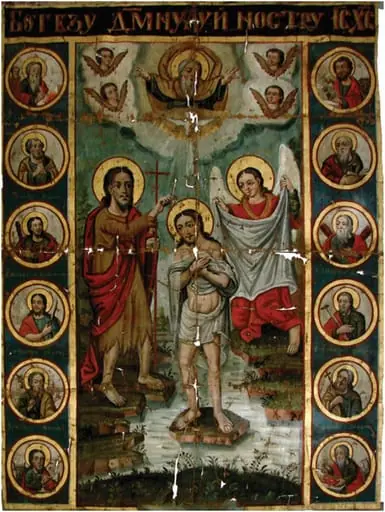
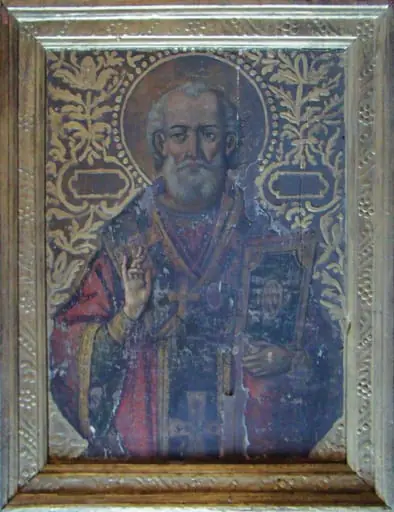
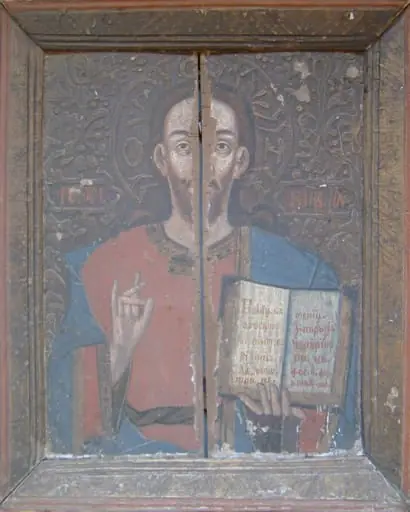
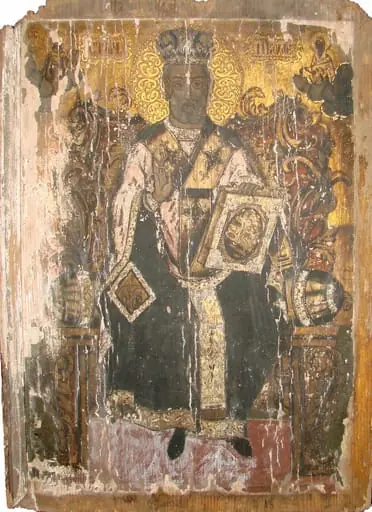
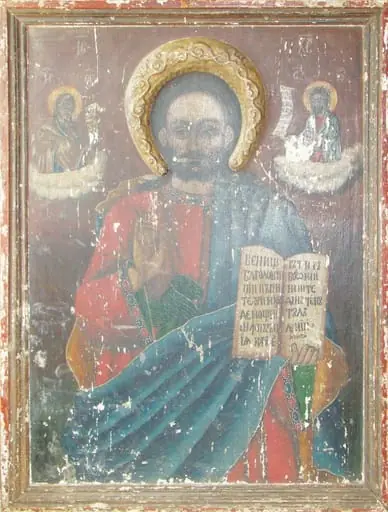
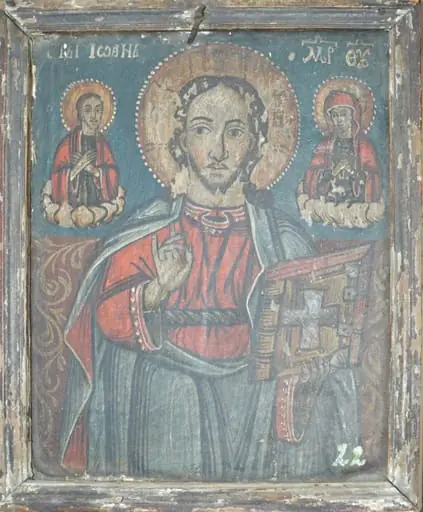
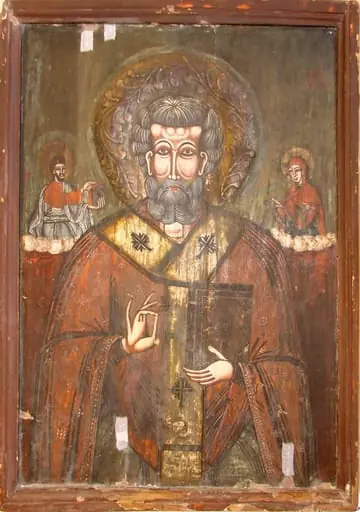
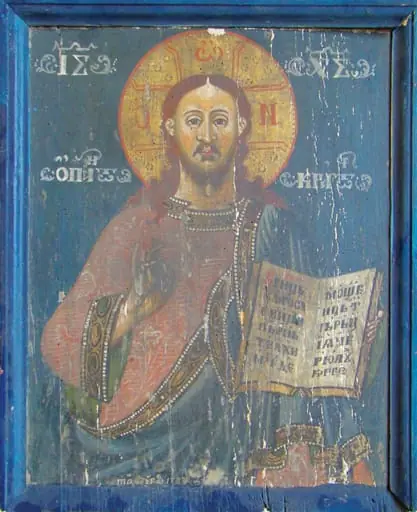
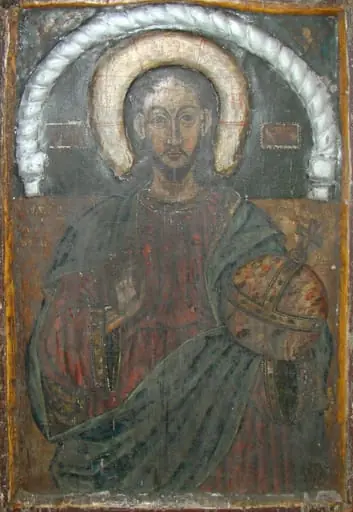
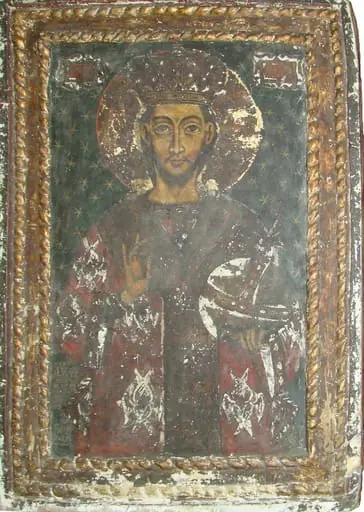
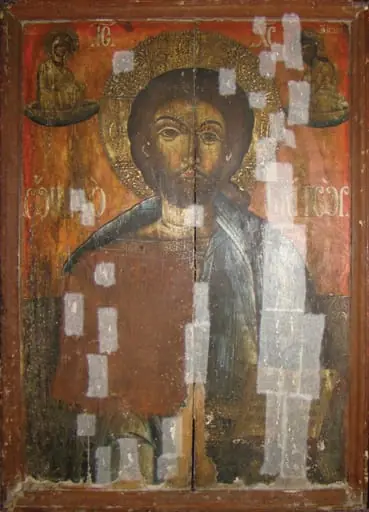
Sf. Ioan Botezătorul is an unspecified painting by the Byzantine icon painting artist Simion Silaghi-Sălăgeanu. It dates from 1804 and is held in the collection of the Alba Iulia Orthodox Archdiocese. Created in 1804 by the Romanian painter Simion Silaghi‑Sălăgeanu, this panel depicts a solemn figure identified as Saint John the Baptist.
About this work
Overview
Created in 1804 by the Romanian painter Simion Silaghi‑Sălăgeanu, this panel depicts a solemn figure identified as Saint John the Baptist. The work is part of the collection of the Museum of Ethnography, where it is displayed as an example of early nineteenth‑century religious imagery.
Subject & Meaning
The central figure is a bearded man crowned with a golden halo, holding a long scroll in one hand and a small book in the other, symbols traditionally associated with prophecy and the Gospel. His austere expression and simple robe convey the ascetic character of the biblical baptizer, emphasizing spiritual authority over worldly adornment.
Technique & Style
Silaghi‑Sălăgeanu employs a stark chiaroscuro scheme, juxtaposing a dark, undefined background with a luminous halo that radiates gold‑toned patterns. The brushwork is precise in the facial features and drapery, while the surrounding frame is embellished with minute dotted motifs and swirling designs, reflecting decorative trends of the period.
History & Provenance
The painting entered the Museum of Ethnography’s holdings in the early twentieth century, though the exact circumstances of its acquisition remain undocumented. Its attribution to Silaghi‑Sălăgeanu is based on stylistic comparison with other dated works by the artist, confirming its place within his early oeuvre.
Artist & collection
Artist
Religious images fill these drawings and paintings by Simion Silaghi-Sălăgeanu, rooted in Orthodox icon traditions.