Artwork
Iisus Hristos Învățător
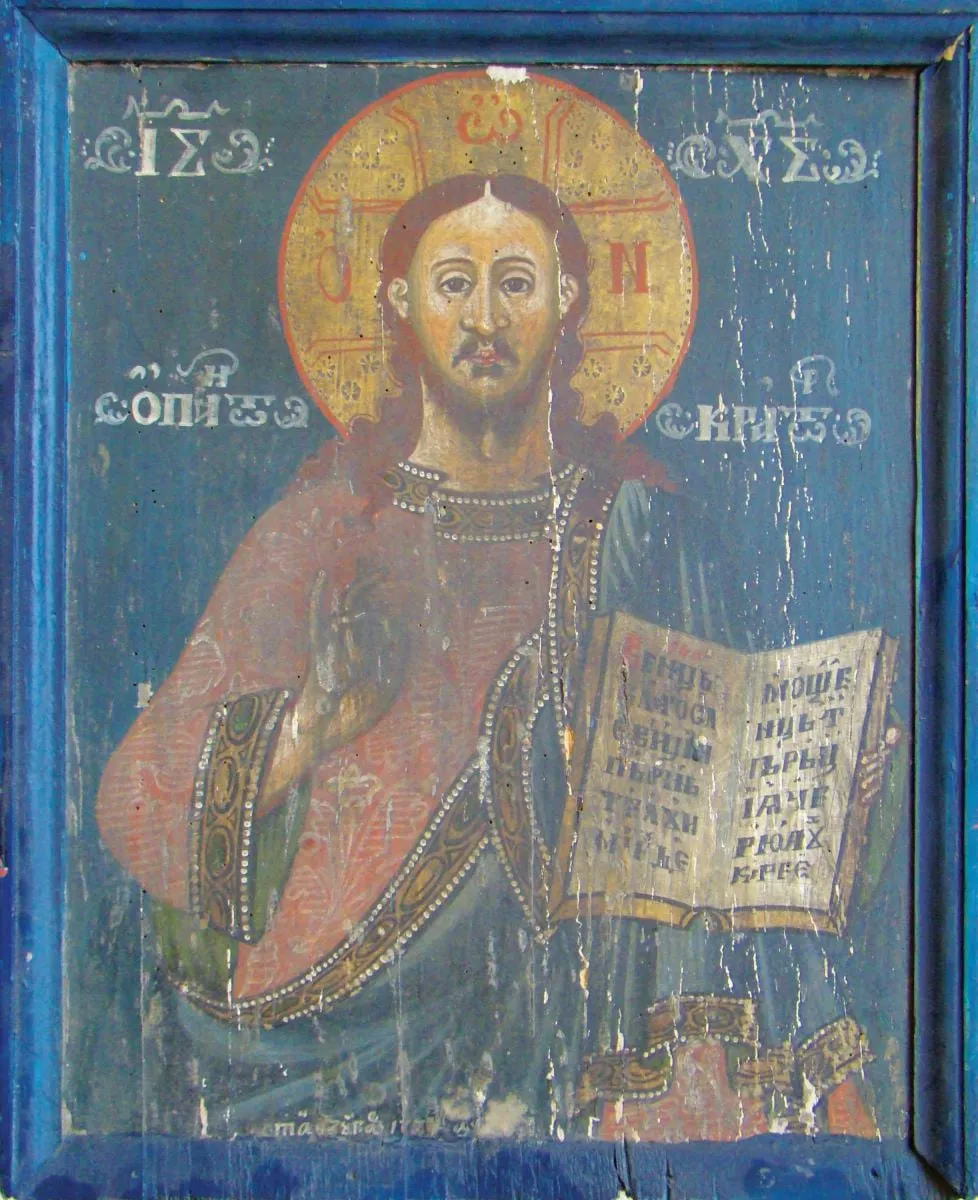
Iisus Hristos Învățător is a drawing by the Romanticist artist Orăștie Stan din Rășinari. It dates from 1774 and is held in the collection of the Alba Iulia Orthodox Archdiocese. Created in 1774 by Stan din Rășinari of Orăștie, this religious icon portrays Jesus Christ as a teacher.
About this work
Overview
Created in 1774 by Stan din Rășinari of Orăștie, this religious icon portrays Jesus Christ as a teacher. Executed in tempera or oil on wood, it is part of the collection at the Museum of Ethnography. The work reflects the devotional painting traditions of Transylvanian Romanian communities during the late 18th century, blending local craftsmanship with Byzantine iconographic conventions.
Subject & Meaning
The figure represents Jesus Christ in his role as a spiritual instructor, identifiable by the halo, scholarly posture, and the open book he holds. His attire—red over blue—symbolizes divine authority and humanity, common in Eastern Christian iconography. The composition emphasizes wisdom and solemnity, intended for private or communal veneration rather than public display.
Technique & Style
The painting employs flat, stylized forms with minimal depth, consistent with regional icon-painting practices. Details in the robe’s patterns are rendered with fine brushwork, while the deep blue background enhances the figure’s presence without narrative distraction. Gold leaf may have been used for the halo, though its current condition obscures original luminosity.
History & Provenance
The work was produced in the village of Rășinari, a center of religious art in Transylvania. It remained in local ecclesiastical or domestic use before entering the Museum of Ethnography’s collection. Its survival through centuries suggests it was preserved within a community that valued traditional religious imagery, even amid shifting political and cultural landscapes.
Context
This image emerged during a period when Orthodox and Greek Catholic communities in Transylvania maintained distinct visual traditions despite Habsburg influence. While Western European art moved toward naturalism, rural Romanian artisans continued Byzantine-inspired styles, preserving symbolic language over realism. The painting reflects this enduring local aesthetic.
Legacy
The icon stands as an example of 18th-century Transylvanian religious art, illustrating how regional communities sustained spiritual imagery through generations. It contributes to scholarly understanding of vernacular iconography and the persistence of pre-modern visual codes in Eastern Europe, far from the centers of academic art.
Artist & collection
Artist
Romanian Orthodox art in the 1700s comes alive in simple, devotional drawings and paintings.
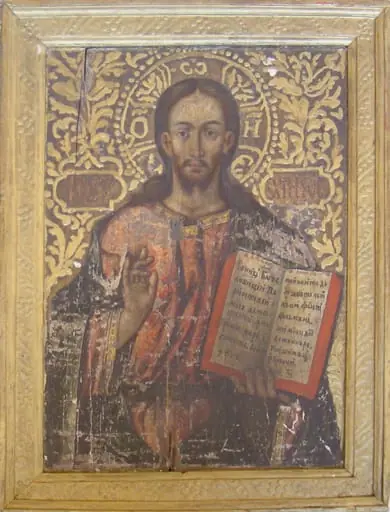 Iisus Hristos Învățător
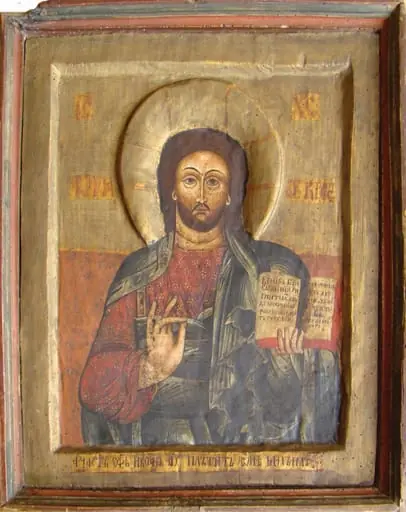 Iisus Hristos Învățător
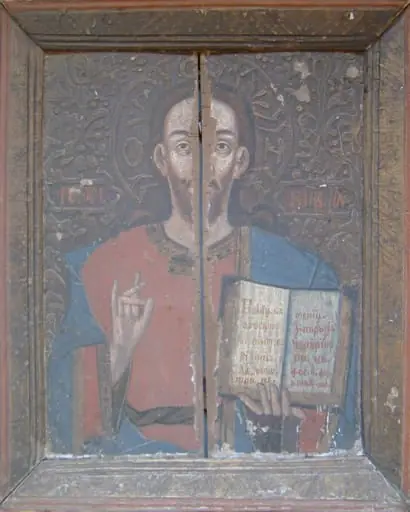 Iisus Hristos Învățător
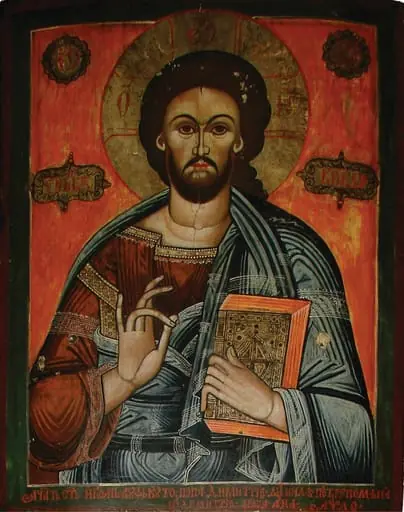 Iisus Hristos Învățător
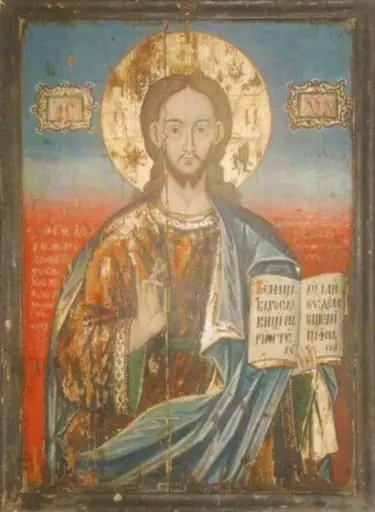 Iisus Hristos Pantocrator
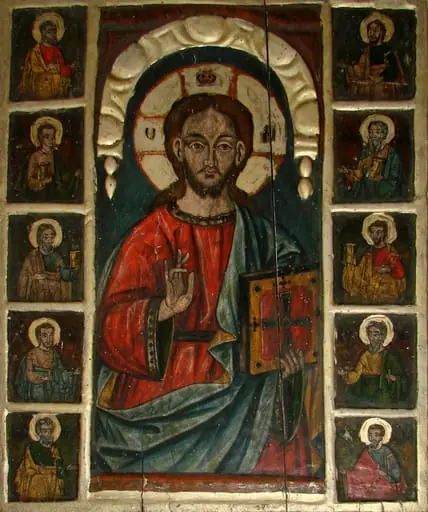 Iisus Hristor Învățător, flancat de apostoli
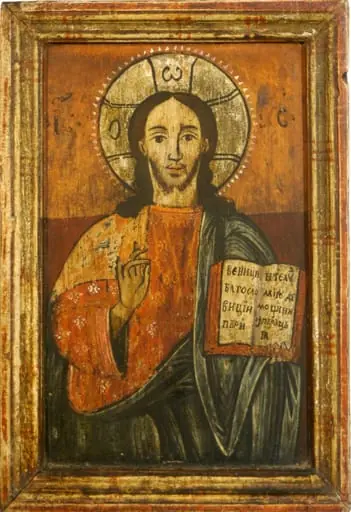 Iisus Hristos Pantocrator
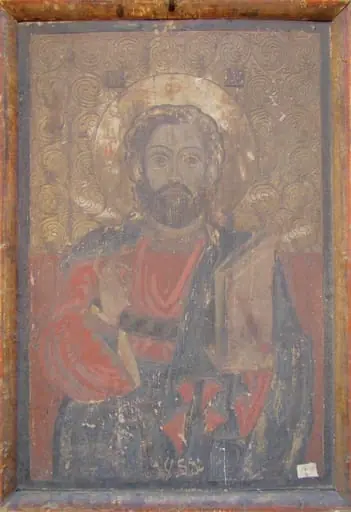 Iisus Hristos Învățător
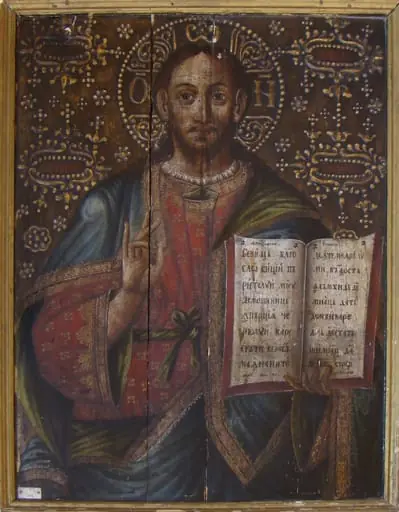 Iisus Hristos Învățător
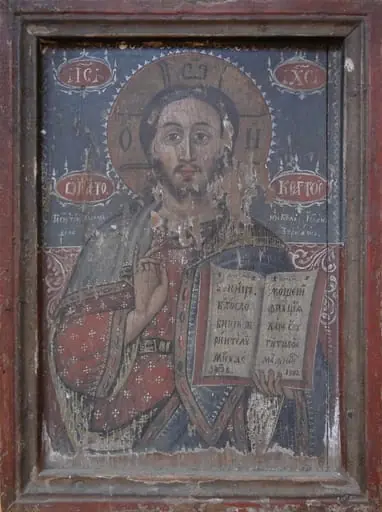 Iisus Hristos Pantocrator
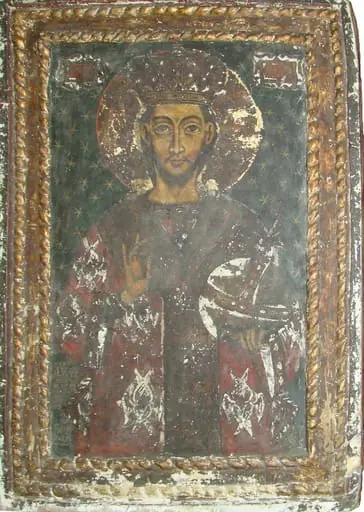 Iisus Hristos Pantocrator
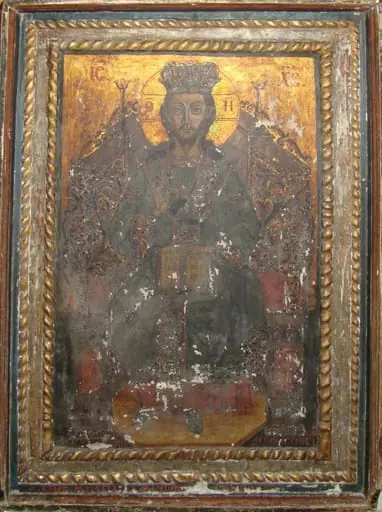 Iisus Hristos Mare Arhiereu și Învățător