Artwork
H Beard Print Collection
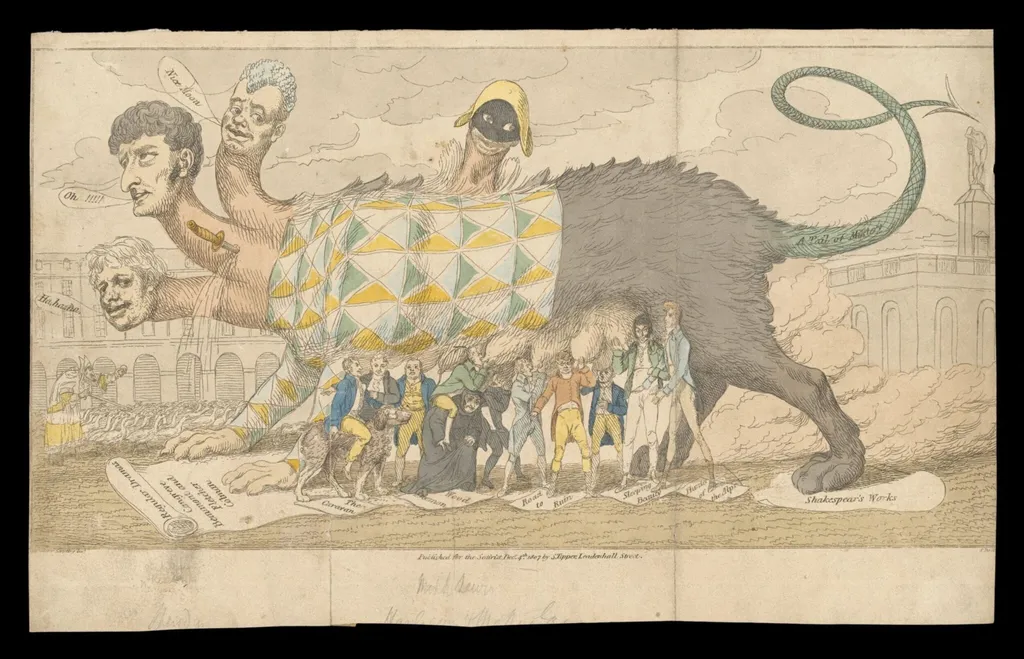
H Beard Print Collection is a print by the Romanticist artist Silvester. It dates from 4 and is held in the collection of the Victoria and Albert Museum. This 1807 print, part of the H.
About this work
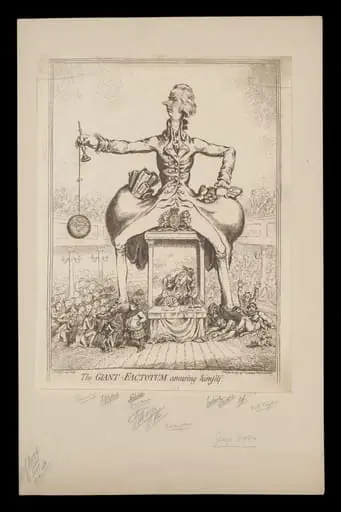
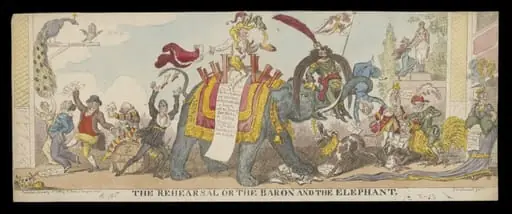
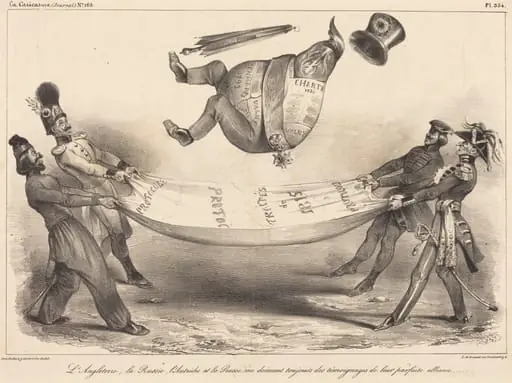
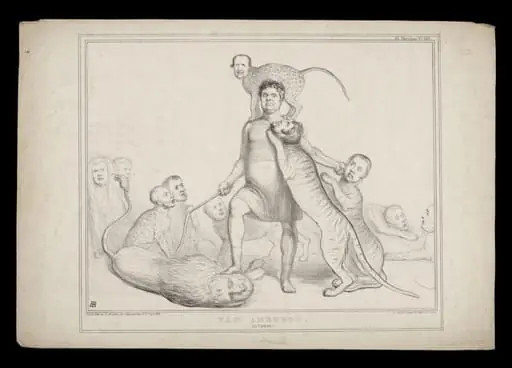
The Victoria and Albert Museum holds this print, which depicts a scene called 'The Monster Melo-Drama'.
The print is titled H Beard Print Collection.
It was created by Silvester in 1807.
The Victoria and Albert Museum holds this print, which depicts a scene called 'The Monster Melo-Drama'.
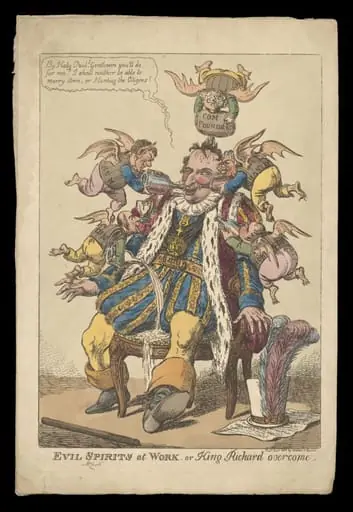
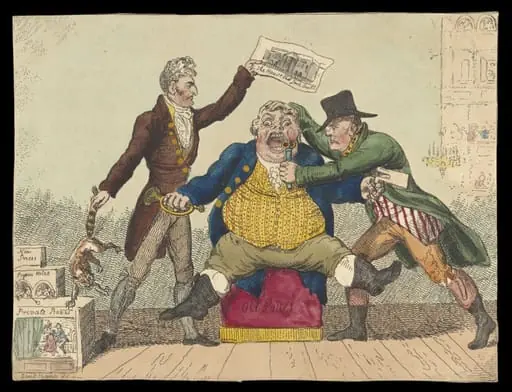
This scene shows melodrama as a monster with multiple heads, including those of famous figures.
The print was published for The Satirist by S. Tipper, giving us a glimpse into the satire of the time.
Check out the movement Romanticism for more context on this type of art.
Overview
This 1807 print, part of the H. Beard Print Collection, was produced by Silvester and published by S. Tipper for the periodical The Satirist. It presents a satirical allegory titled 'The Monster Melo-Drama,' visualizing the theatrical genre of melodrama as a composite creature. The print reflects contemporary critiques of stage performance through grotesque imagery, blending popular culture with political and artistic commentary of the era.
Subject & Meaning
The monster’s four heads represent key figures in early 19th-century British theatre: Richard Brinsley Sheridan, John Philip Kemble, Joseph Grimaldi, and Harlequin. Each symbolizes a facet of melodramatic performance—sentimentality, grandeur, physical comedy, and stock character tropes. The image critiques the excesses and formulaic nature of the genre, suggesting it had become a monstrous amalgamation of theatrical clichés rather than authentic expression.
Technique & Style
Executed in the tradition of satirical printmaking, the image employs sharp linework and exaggerated proportions to heighten its caricatural effect. The monster’s body is a chaotic assemblage of theatrical props and drapery, reinforcing its artificiality. The composition is dense and crowded, mirroring the overwrought staging of melodramas themselves. Ink on paper, typical of the period’s political prints, ensures wide circulation and accessibility.
History & Provenance
Created in 1807, the print was issued by S. Tipper as part of The Satirist, a publication known for its sharp social and cultural commentary. It entered the H. Beard Collection, a significant assemblage of theatrical imagery, and was later acquired by the Victoria and Albert Museum. Its survival reflects the enduring interest in theatrical satire and the documentation of performance history during the Romantic period.
Context
Produced during the height of Romanticism, the print responds to a cultural moment when theatre was both celebrated and scrutinized. While Romantic ideals emphasized emotion and individualism, melodrama’s reliance on stock characters and heightened emotion drew criticism from intellectuals. This print channels that tension, using visual satire to question whether theatre had become a spectacle divorced from artistic integrity.
Legacy
The print remains a key document in the study of theatrical satire and public reception of performance in Regency England. It illustrates how visual media engaged with live theatre, offering a rare glimpse into contemporary critiques of cultural institutions. Its preservation in the V&A underscores its value as both historical artifact and commentary on the evolving relationship between art, audience, and authority.
Artist & collection

Artist
Saint Sylvester's Day, also known as Silvester or the Feast of Saint Sylvester, is the day of the feast of Pope Sylvester I, a saint who served as Pope from 314 to 335.