Artwork
Autoportret
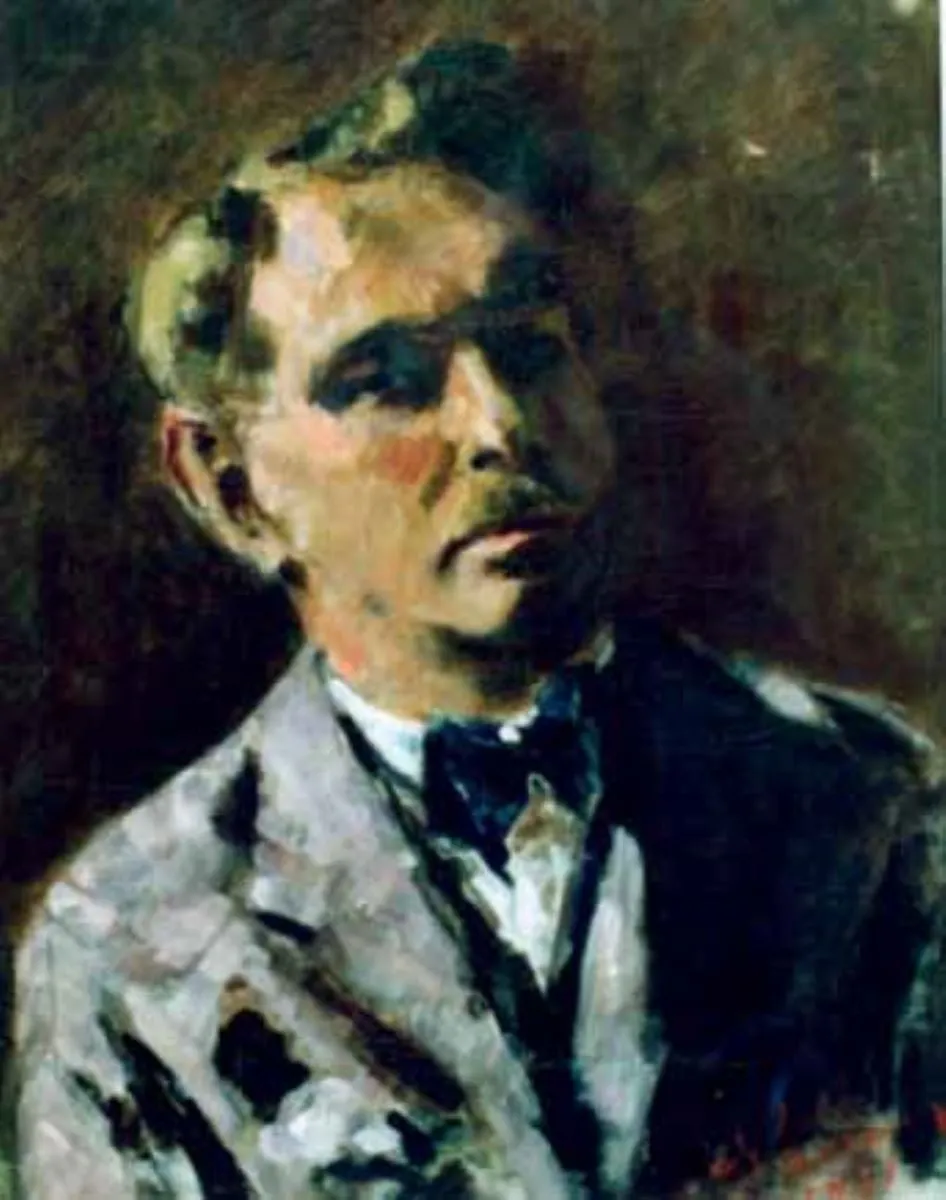
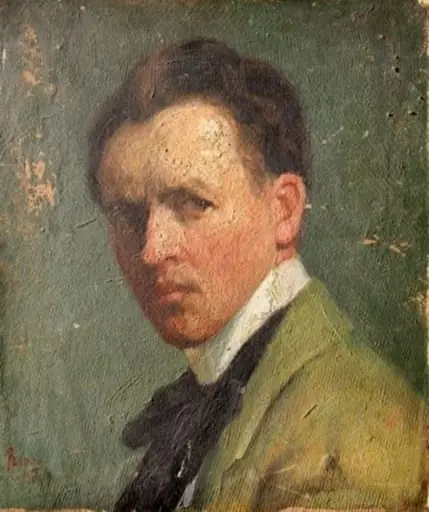
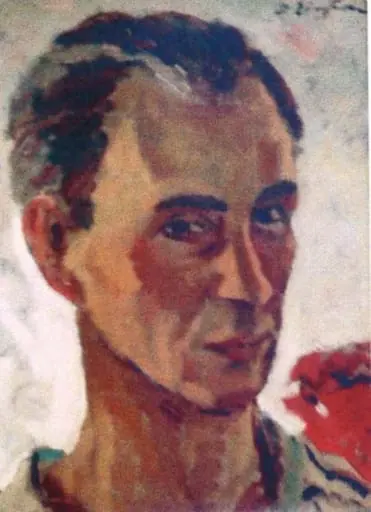
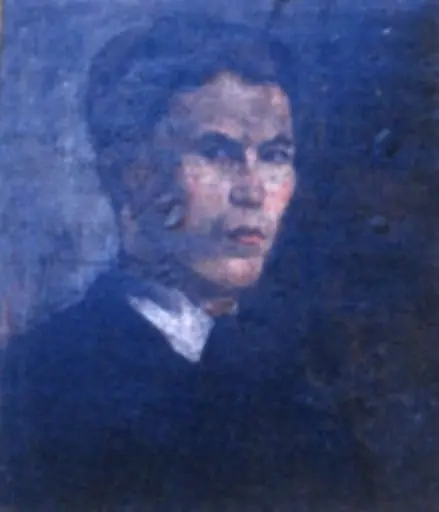
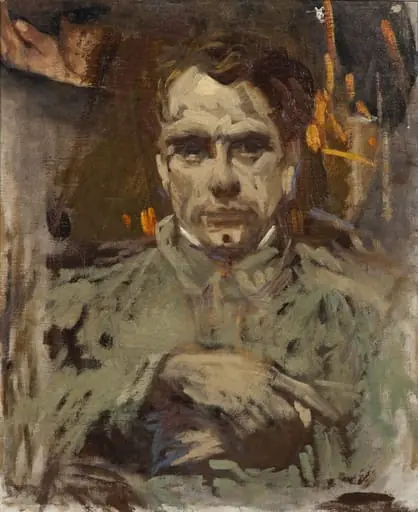
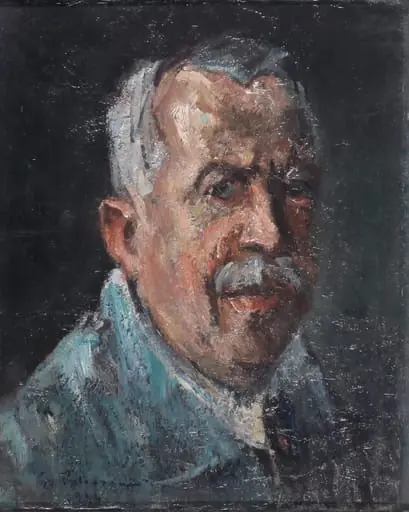
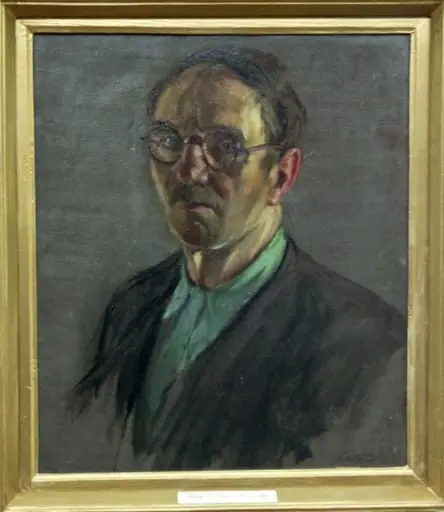
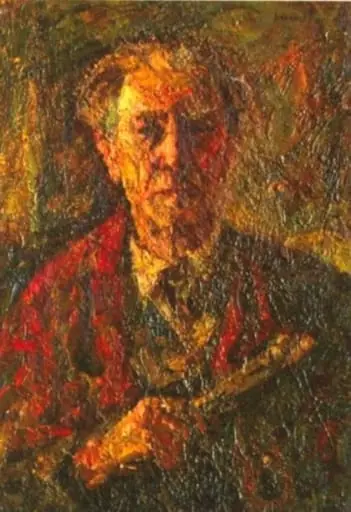
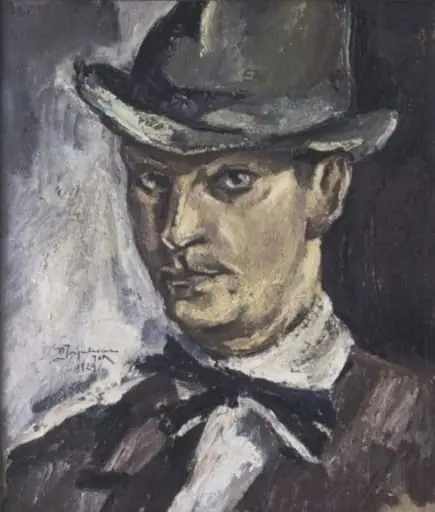
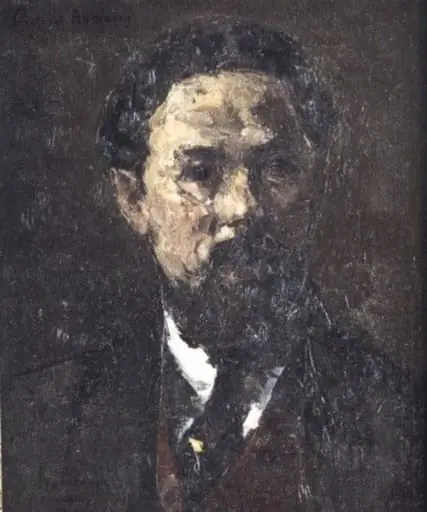
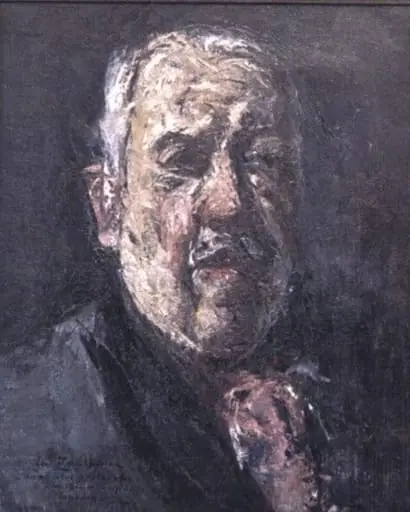
Autoportret is a print by Ioan Sima. It dates from 1949 and is held in the collection of the Zalău Museum of History and Art.
About this work
Overview
Created around 1949 by Romanian artist Ioan Sima, this self-portrait is part of the Museum of Ethnography’s collection.
Created around 1949 by Romanian artist Ioan Sima, this self-portrait is part of the Museum of Ethnography’s collection. It presents a tightly framed view of the artist’s face, rendered with visible brushwork and a restrained palette. The composition focuses intensely on the subject’s expression and texture, avoiding detailed surroundings. The work reflects a personal, introspective moment rather than a formal portrait convention.
Subject & Meaning
The subject is the artist himself, depicted with a mustache, dark suit, white shirt, and bow tie—attire suggesting formality or professional identity. His gaze is direct and unsmiling, conveying quiet intensity. The absence of context and the blurred background shift focus entirely to his presence, implying an internal state rather than external circumstance. The portrait feels like a private reflection, not a public statement.
Technique & Style
Sima applied paint thickly, particularly on the face, creating a tactile surface through impasto. Brushstrokes are rapid and unrefined, avoiding smooth blending, which lends a sense of immediacy. The dark, indistinct background contrasts with the textured skin and fabric, enhancing the figure’s physicality. This approach prioritizes emotional resonance over polished realism, aligning with expressive modernist tendencies of the period.
History & Provenance
The work entered the Museum of Ethnography’s holdings after its creation, likely through direct donation or institutional acquisition in the late 1940s or early 1950s. Its preservation within a museum focused on cultural artifacts, rather than fine art, suggests its significance was recognized in terms of personal and national identity. No public exhibition history is widely documented, but it remains part of the museum’s permanent collection.
Context
Painted in postwar Romania, the work emerges during a period of political and cultural redefinition. While state-sanctioned art favored socialist realism, Sima’s self-portrait resists idealization, favoring raw expression. Its intimate scale and emotional tone contrast with official imagery, hinting at quiet resistance or personal autonomy amid constrained artistic freedoms.
Legacy
Though not widely reproduced or studied outside Romania, the portrait stands as a rare example of expressive self-representation from its era. It contributes to understanding how individual artists navigated creative expression under restrictive conditions. Its preservation in an ethnographic museum underscores its value as a cultural artifact of personal identity, not merely aesthetic merit.
Artist & collection
Artist
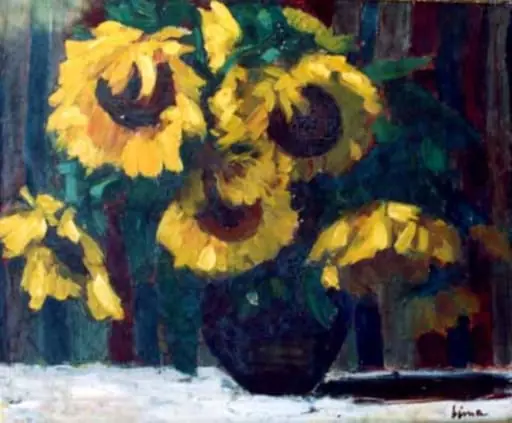
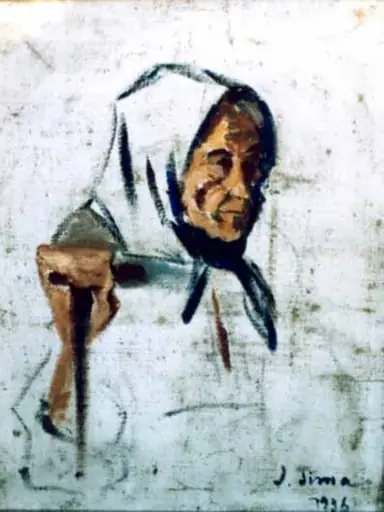
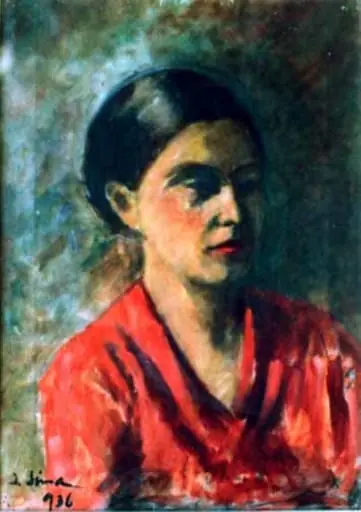
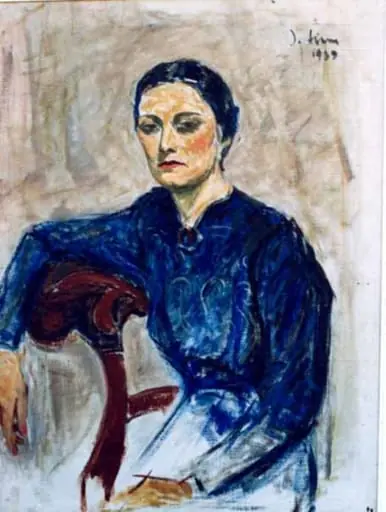
Romanian painter Ioan Sima left behind a small body of work—portraits and still lifes in bright, flat colors that feel both direct and a little off-kilter.