Artwork
Autoportret
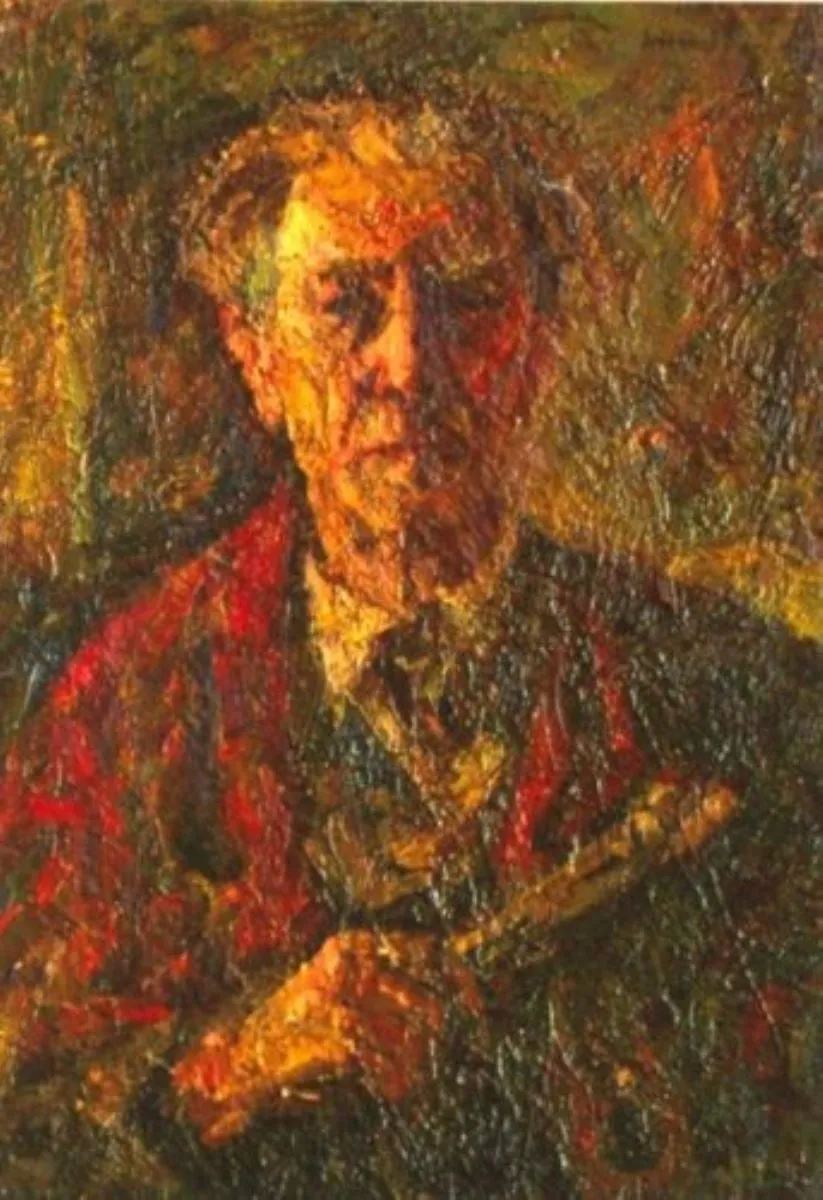
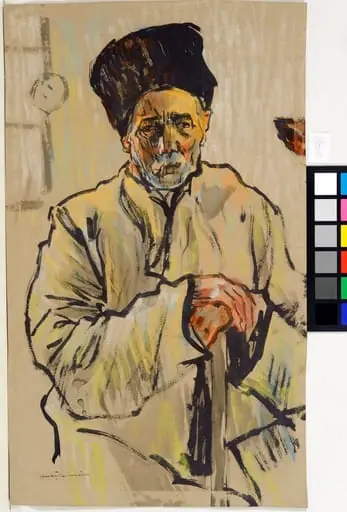
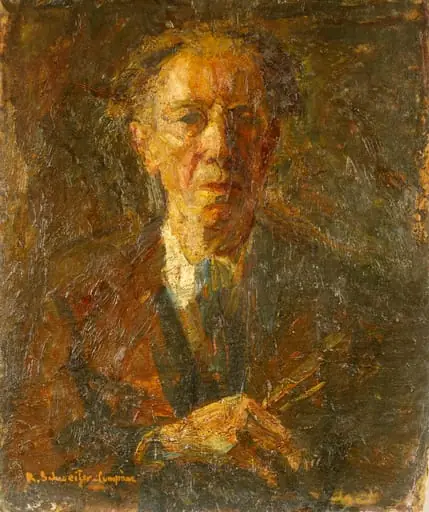
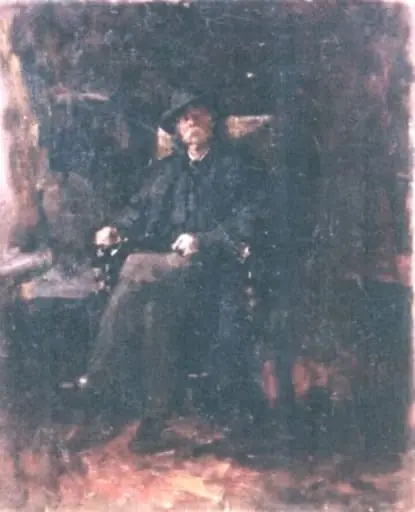
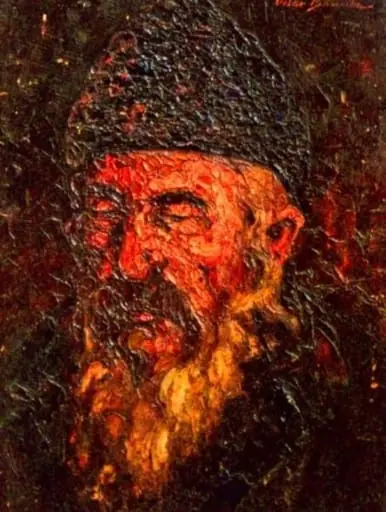
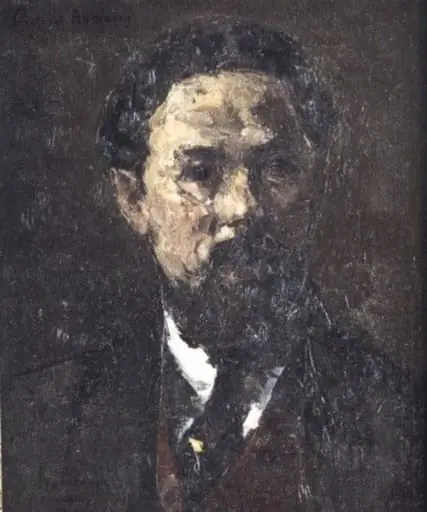
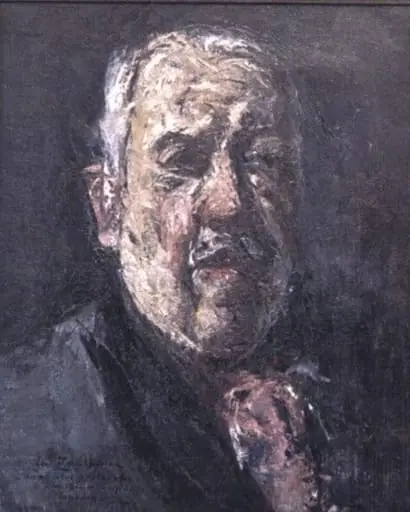
Autoportret is an unspecified painting by Rudolf Schweitzer-Cumpăna. It dates from 1936 and is held in the collection of the Argeș County Museum.
About this work
Overview
The background alternates between muted tones and brighter washes, creating a sense of spatial ambiguity.
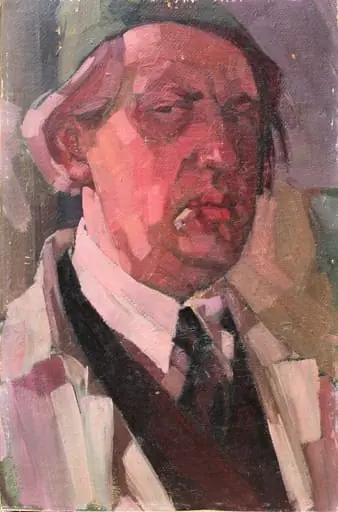
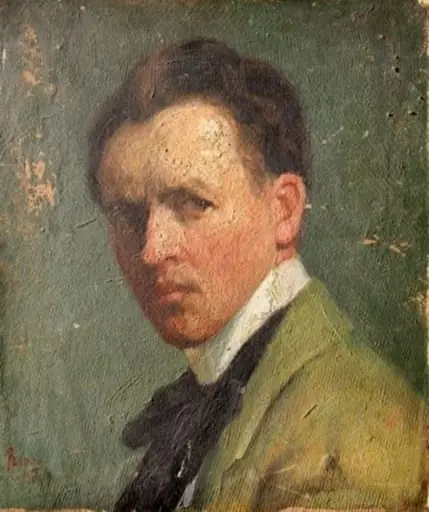
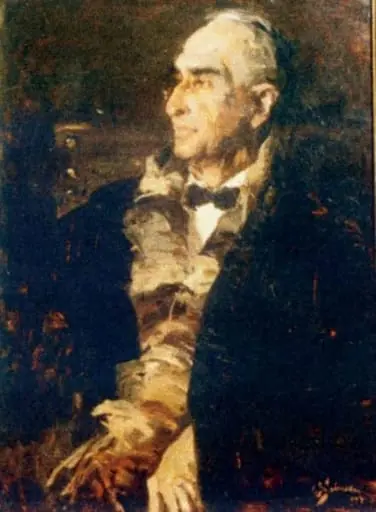
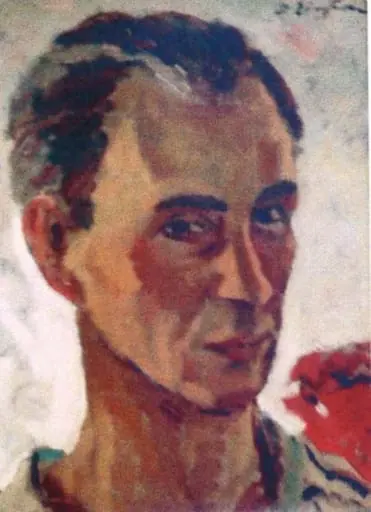
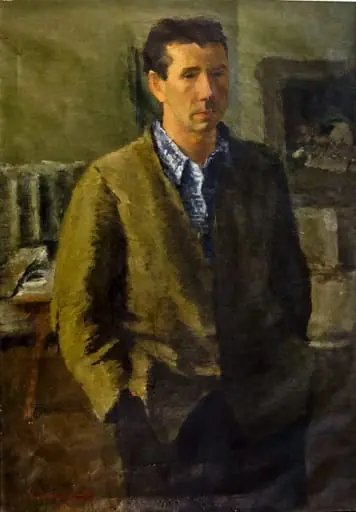
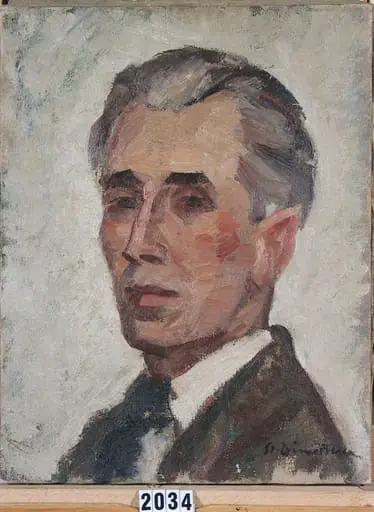
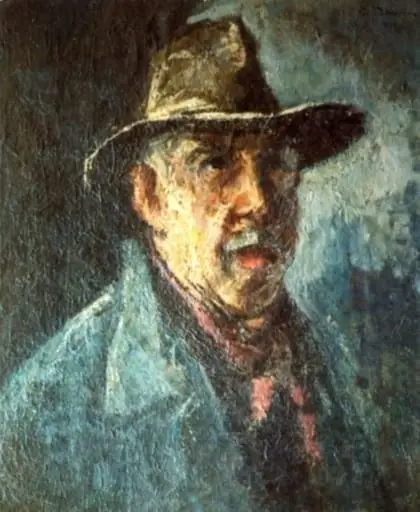
Rudolf Schweitzer-Cumpăna painted this self-portrait around 1936, using oil on canvas. The composition centers on a man in a vivid red jacket, gazing steadily at the viewer. The background alternates between muted tones and brighter washes, creating a sense of spatial ambiguity. Brushwork is deliberate and textured, emphasizing physical presence over idealized form. The work reflects a personal, introspective moment rather than a formal portrait.
Subject & Meaning
The figure is likely the artist himself, confronting the viewer with direct eye contact. The red jacket, though not ornate, dominates the upper frame, suggesting emotional intensity or psychological focus. There is no narrative context—no props, setting, or symbolism—so the meaning hinges on the gaze and posture. The absence of distraction invites contemplation of identity and self-perception.
Technique & Style
Schweitzer-Cumpăna employed thick, visible brushstrokes to build form and texture, particularly in the jacket and facial features. Color is used expressively: the red contrasts with cool grays and browns in the background, heightening the figure’s presence. Facial rendering is neither smooth nor hyperrealistic, but rendered with emotional weight through tonal shifts and impasto. The technique aligns with early 20th-century expressive realism.
History & Provenance
The painting’s documented history is limited, with no public exhibition record prior to late 20th-century cataloging. It remains in private hands, likely within Romania or among collectors of interwar Eastern European art. Schweitzer-Cumpăna’s relative obscurity outside regional circles has contributed to the work’s limited scholarly attention, though it is recognized as a key example of his personal style.
Context
Created in the mid-1930s, the portrait emerged during a period of political instability in Romania and broader European shifts toward modernist expression. While academic traditions persisted, many artists turned inward, using self-portraiture to assert individuality amid societal change. Schweitzer-Cumpăna’s approach reflects this trend—neither avant-garde nor conservative, but quietly personal.
Legacy
Though not widely reproduced, this self-portrait is cited in studies of Romanian interwar painting as an example of quiet psychological depth. It contributes to a broader understanding of artists who worked outside major centers, blending local sensibilities with broader European expressive modes. Its endurance lies in its restraint—offering no grand statement, only a sustained look.
Artist & collection
Artist
Rudolf Schweitzer-Cumpăna was a Romanian painter. Born in Pitești into an ethnic German family, he finished high school in his native town before attending the Royal Academy of Arts at Berlin from 1904 to 1909, studying…