Artwork
The Waterfall in Neptune’s Grotto at Tivoli
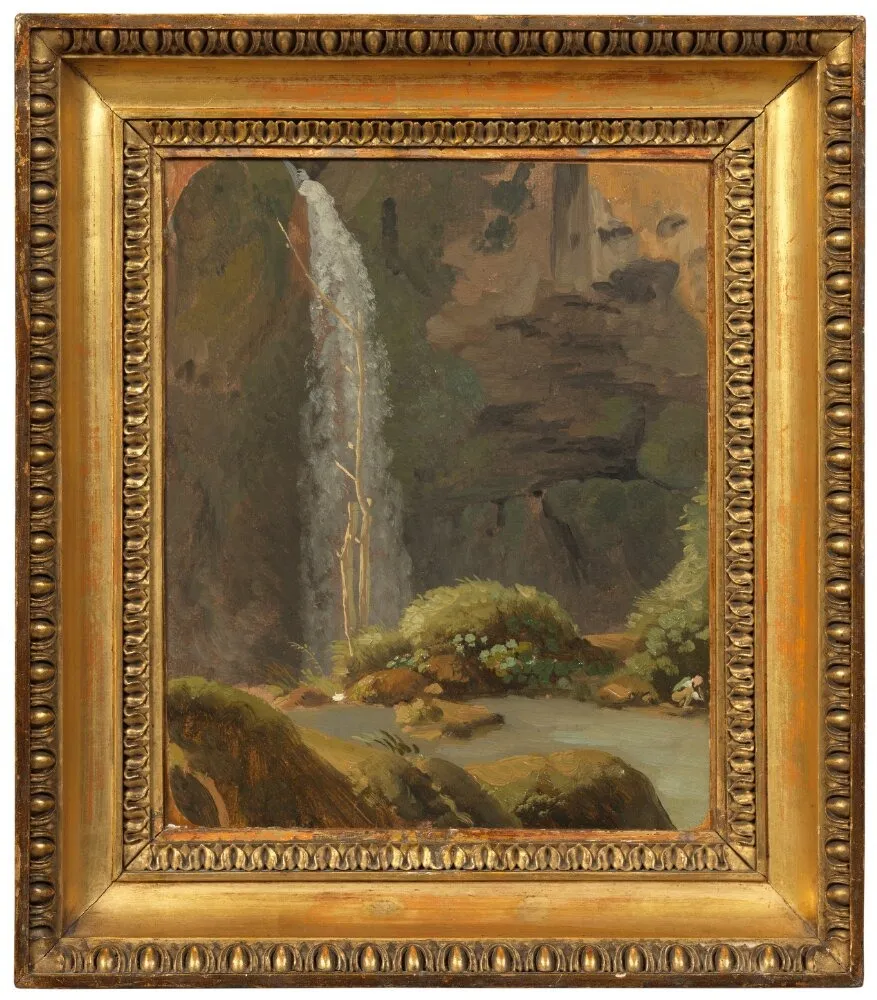
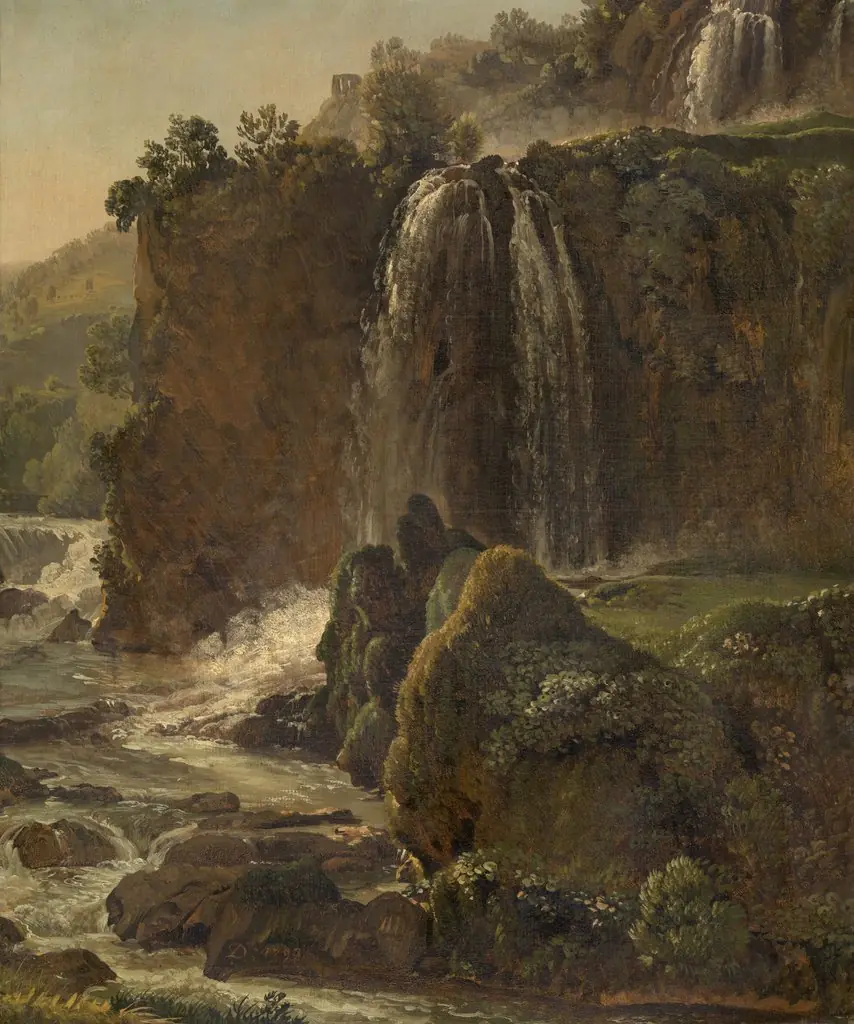
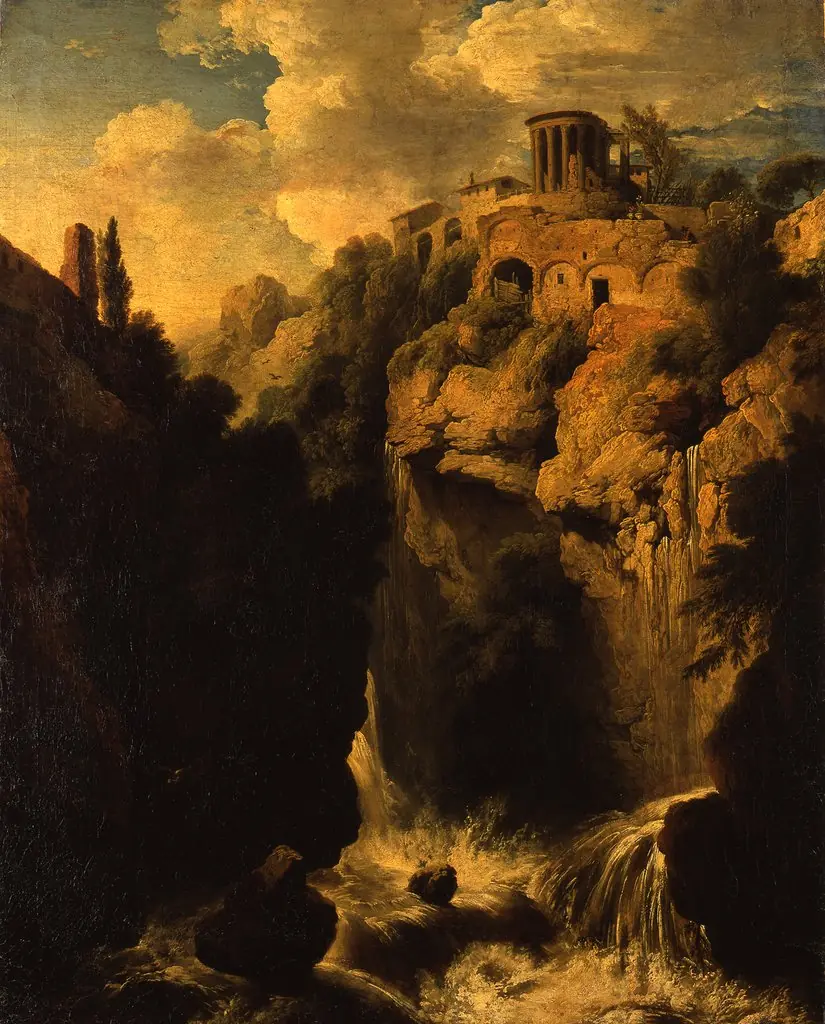
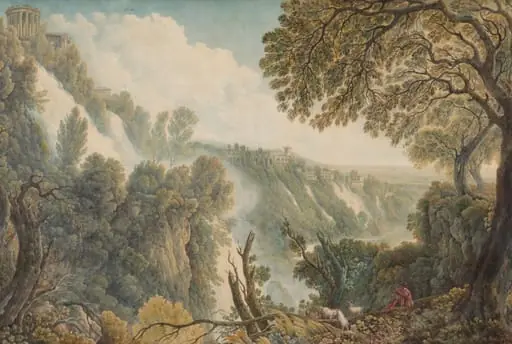
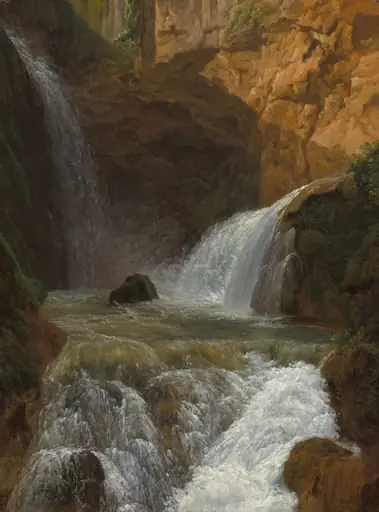
The Waterfall in Neptune’s Grotto at Tivoli is an unspecified painting by the French Romanticist artist Simon Denis. It dates from 1796 and is held in the collection of the Nationalmuseum.
About this work
Overview
The painting is part of the Nationalmuseum’s collection and reflects an early Romantic sensitivity to nature, emphasizing atmosphere over dramatic spectacle.
Painted in 1796 by the Flemish artist Simon Denis, this work captures a natural cascade in Tivoli, Italy. Denis, who spent much of his career in Italy, focused on landscape scenes with quiet precision. The painting is part of the Nationalmuseum’s collection and reflects an early Romantic sensitivity to nature, emphasizing atmosphere over dramatic spectacle. Its subdued palette and detailed rendering align with the period’s growing interest in observed natural forms.
Subject & Meaning
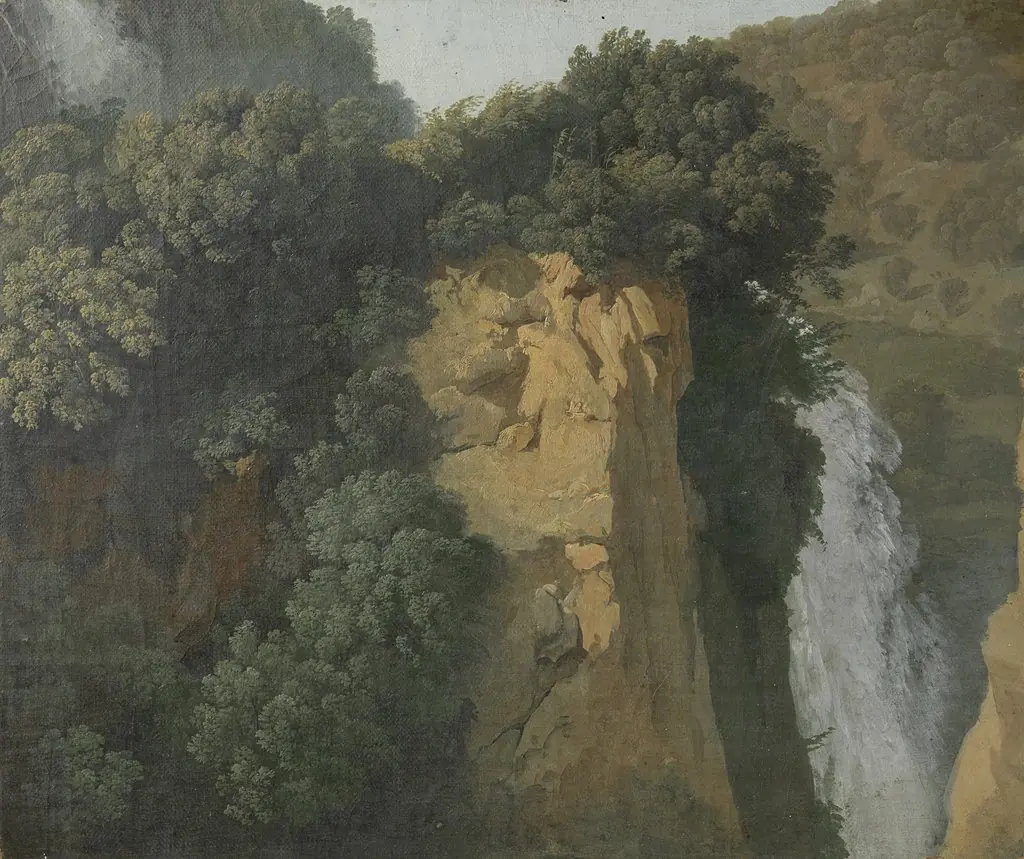
The scene depicts the waterfall within Neptune’s Grotto, a known natural feature near Tivoli, framed by dense vegetation and rugged stone. Rather than mythologizing the site, Denis presents it as a tranquil, lived-in environment. The water’s movement, rendered with careful brushwork, suggests continuity and quiet power. The absence of human figures reinforces a contemplative tone, inviting reflection on nature’s enduring presence rather than its symbolic associations.
Technique & Style
Denis employed fine, layered brushstrokes to convey texture in the rocks and foliage, using muted greens and browns to ground the composition. The waterfall, rendered in pale tones, contrasts subtly with the dark cliff face, creating a sense of depth and flow. Light is diffused and even, avoiding strong highlights, which contributes to the painting’s restrained, almost meditative mood. The gold frame, period-appropriate, complements without distracting from the scene’s naturalism.
History & Provenance
Created during Denis’s time in Italy, the painting was likely made for a private collector interested in Italian landscapes. It entered the Nationalmuseum’s collection in the 19th century, possibly through acquisition or donation from a Swedish patron with ties to the Grand Tour tradition. Its preservation in original condition and frame suggests careful stewardship since its creation, reflecting its status as a documented work of a lesser-known but respected artist.
Context
In the late 18th century, European artists increasingly turned to natural sites like Tivoli as subjects for serious study, moving away from idealized classical landscapes. Denis’s work aligns with this shift, influenced by the growing scientific interest in geology and botany, as well as Romanticism’s emphasis on authentic experience. His approach, though less theatrical than contemporaries like Turner, shares a reverence for nature’s quiet complexity.
Legacy
Though not widely exhibited today, the painting remains a representative example of Flemish artists working in Italy during the transition to Romanticism. It contributes to the understanding of how landscape painting evolved beyond grand narratives into intimate, observational studies. Its presence in a major national collection affirms its role as a document of 18th-century aesthetic values and the enduring appeal of Italy’s natural scenery to northern European artists.
Artist & collection
Artist
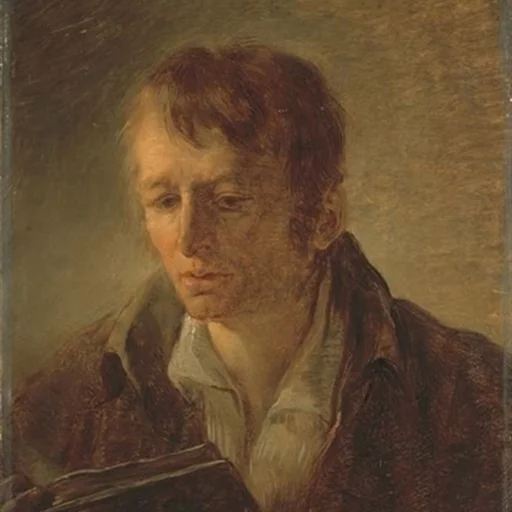
Simon-Joseph-Alexandre-Clément Denis (14 April 1755 in Antwerp – 1 January 1813 in Naples) was a Flemish painter active primarily in Italy.