Artwork
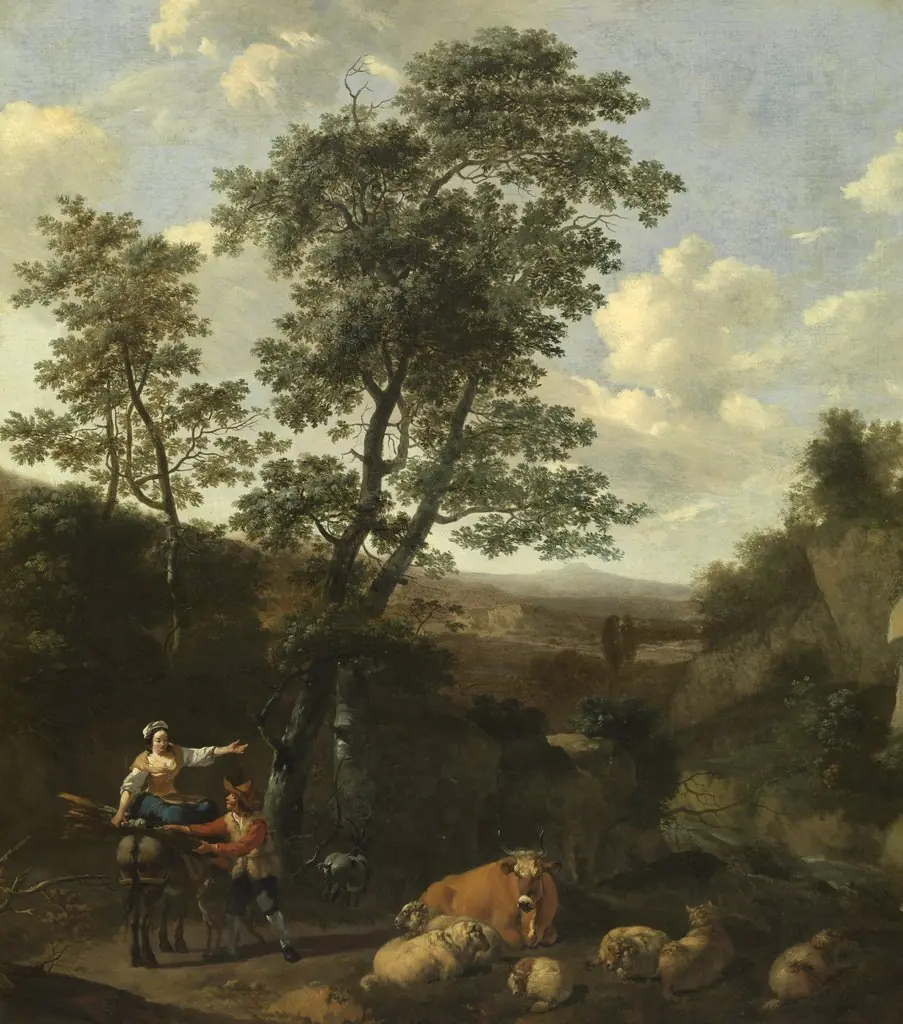
Italian landscape with sheperdess and flocks
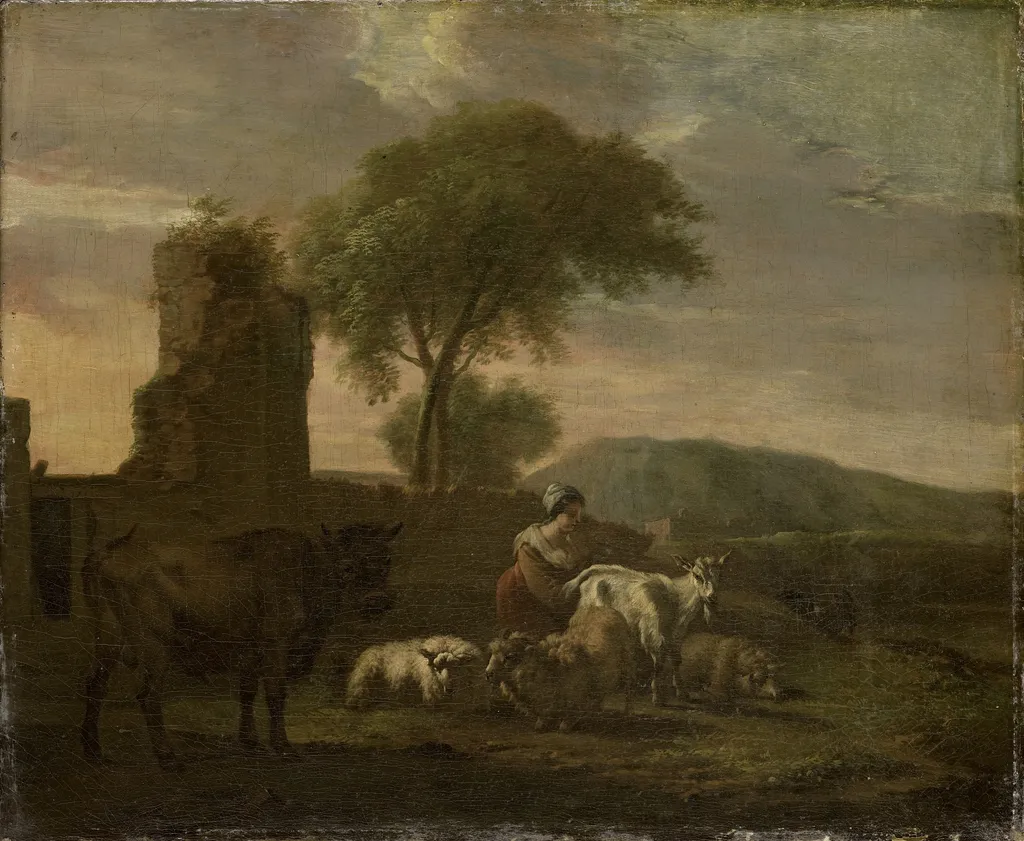
Italian landscape with sheperdess and flocks is an oil painting by Simon van der Does. It dates from 1712 and is held in the collection of the Rijksmuseum.
About this work
Overview
The work reflects the artist’s interest in light and quiet pastoral life, common themes among Northern European painters of the period.
Painted in 1712 by Simon van der Does, this oil-on-canvas work presents a tranquil rural scene in the Italian countryside. It belongs to the Rijksmuseum’s collection and exemplifies the Dutch tradition of idealized landscape painting, blending observed naturalism with a composed, serene atmosphere. The work reflects the artist’s interest in light and quiet pastoral life, common themes among Northern European painters of the period.
Subject & Meaning
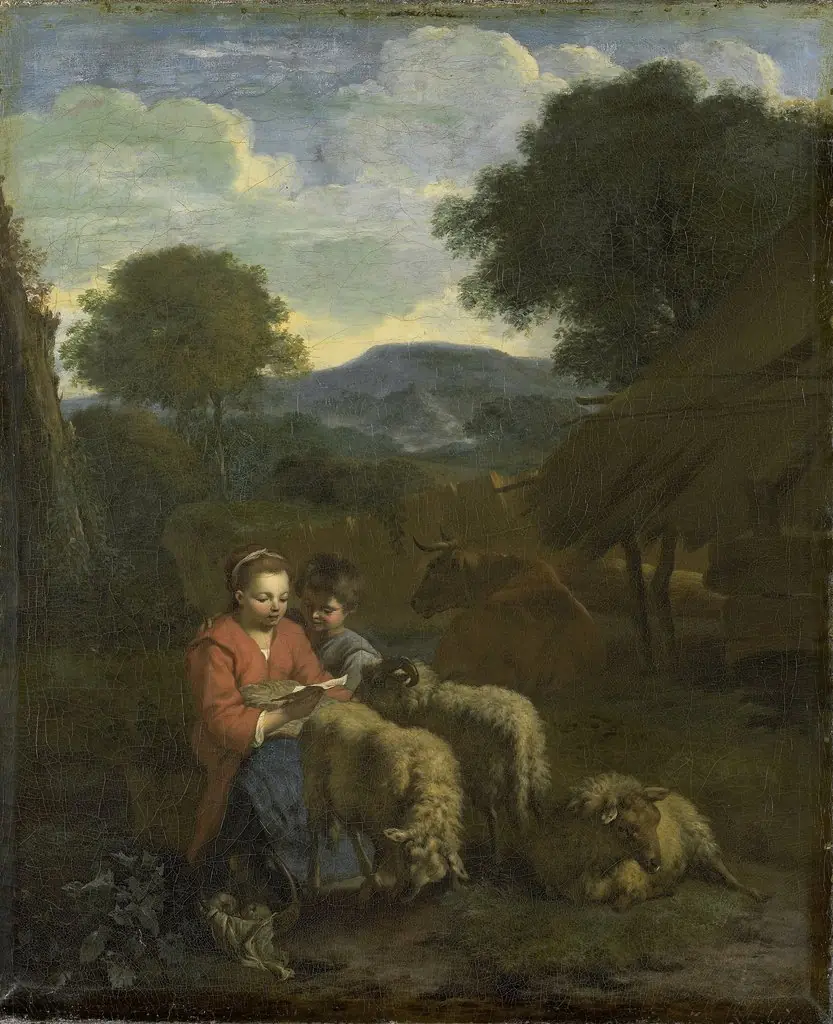
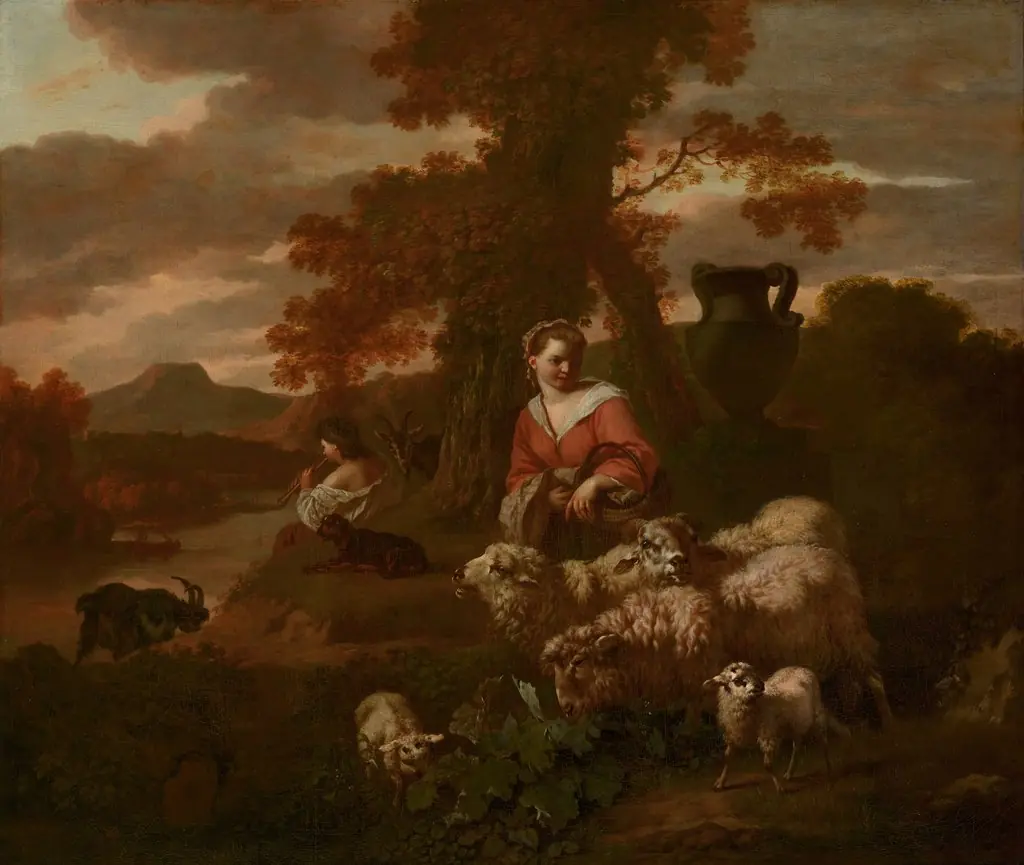
A shepherdess in a simple brown dress sits beside a low stone wall, observing three sheep and a goat as they graze. The scene conveys stillness and solitude, emphasizing harmony between human presence and nature. There is no narrative drama—only the quiet rhythm of daily rural life. The figures and animals are integrated into the landscape, suggesting an unforced coexistence rather than dominance over the land.
Technique & Style
Van der Does employs chiaroscuro to define forms, using deep shadows to isolate the shepherdess and animals against a softly lit, pale sky and distant hills. The contrast enhances their presence without disrupting the overall calm. Brushwork is restrained, with gentle transitions between tones. The composition is balanced, with the large tree anchoring the background and guiding the viewer’s eye gently through the space.
History & Provenance
The painting was completed in 1712 and entered the Rijksmuseum’s collection in the 19th century. Its journey from the artist’s studio to the museum is undocumented, but its preservation suggests it was valued early as a representative example of Dutch landscape painting. It has remained in public hands since acquisition, with no record of private ownership in the intervening centuries.
Context
During the early 18th century, Dutch artists often depicted foreign landscapes as idealized retreats, even when never having visited them. Van der Does, like many contemporaries, drew from prints and traveler accounts to construct imagined Italian scenes. These works catered to a market seeking peaceful, timeless imagery, distinct from the bustling urban scenes of the Dutch Golden Age.
Legacy
Though not widely known today, the painting reflects a broader trend in Northern European art: the romanticization of rural life through controlled light and composition. It stands as a quiet example of how Dutch painters adapted foreign subjects to express universal themes of tranquility and order, influencing later landscape traditions without overtly breaking from established conventions.
Own this work as a print
Artist & collection

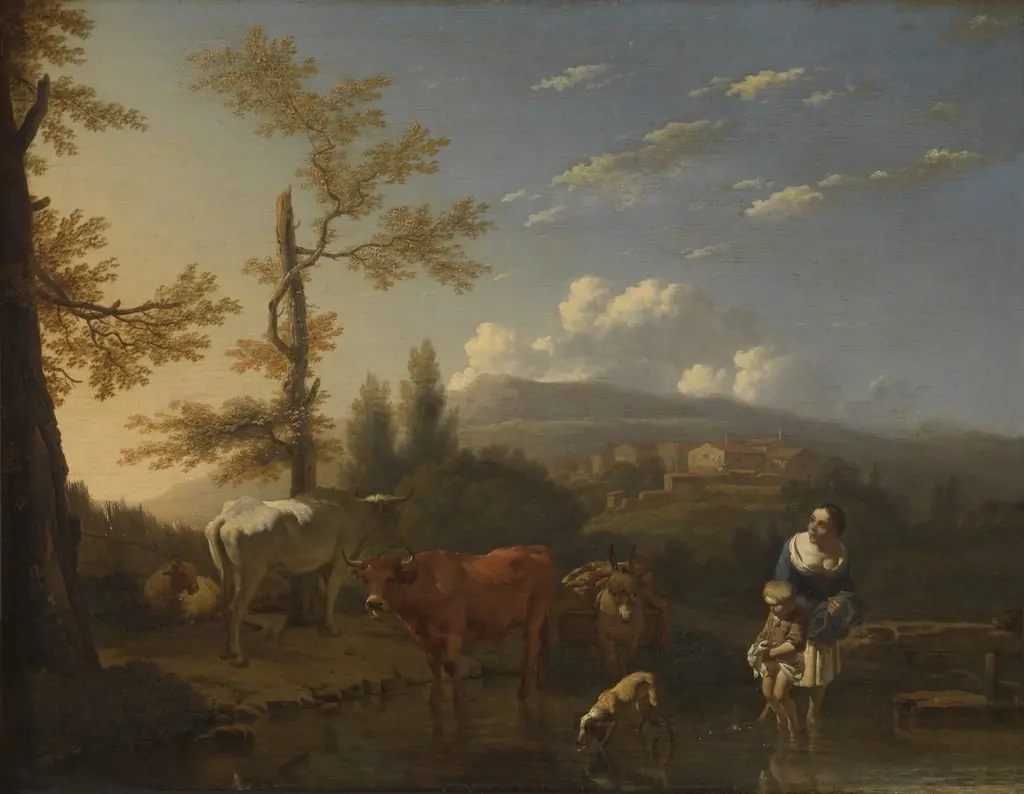
 Italian Landscape
 Italian Landscape
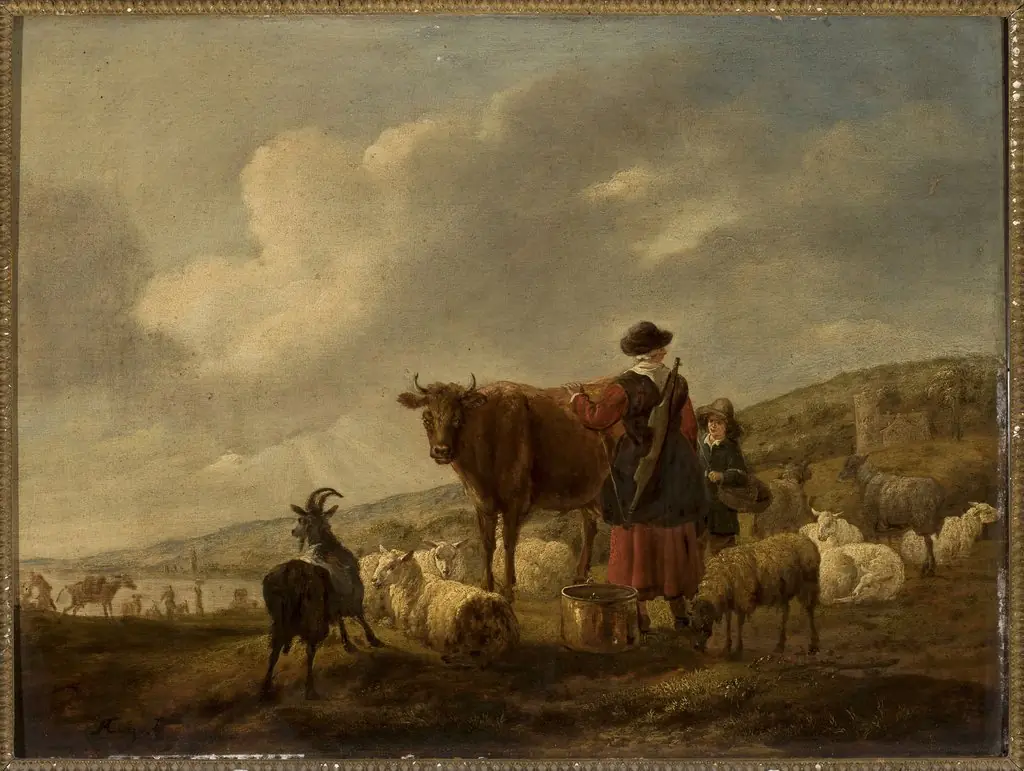 Pastoral scene
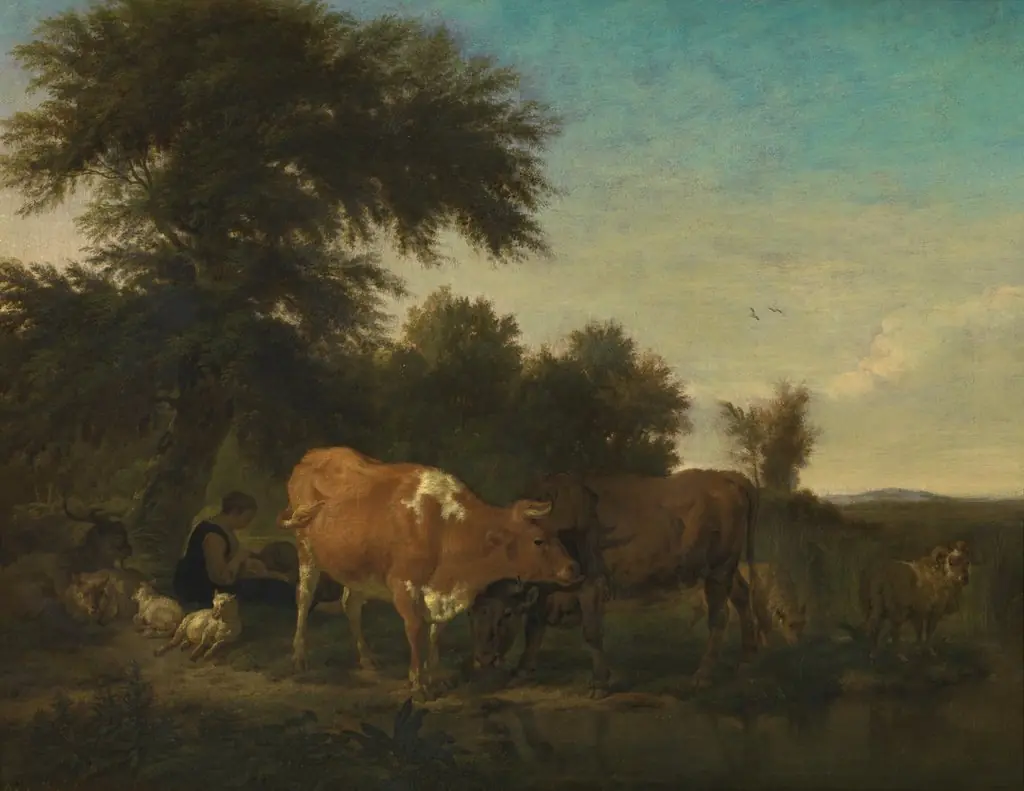 Landscape
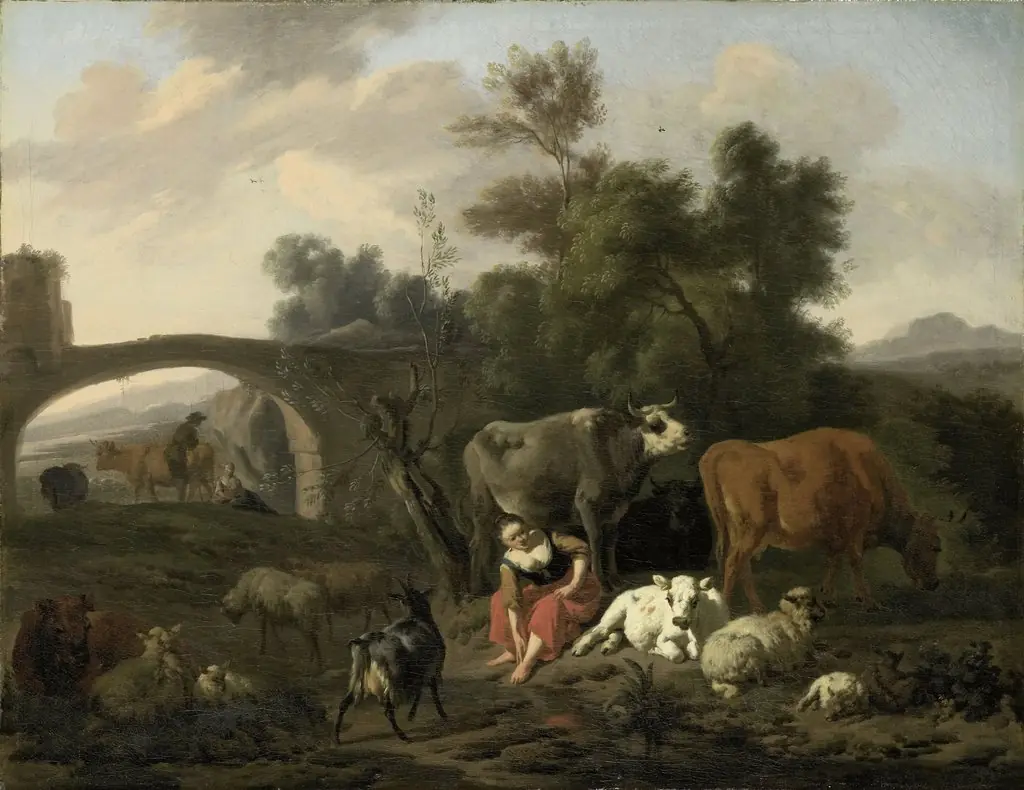 Landscape with herdsmen and cattle
 Landscape with Herdsmen and Cattle
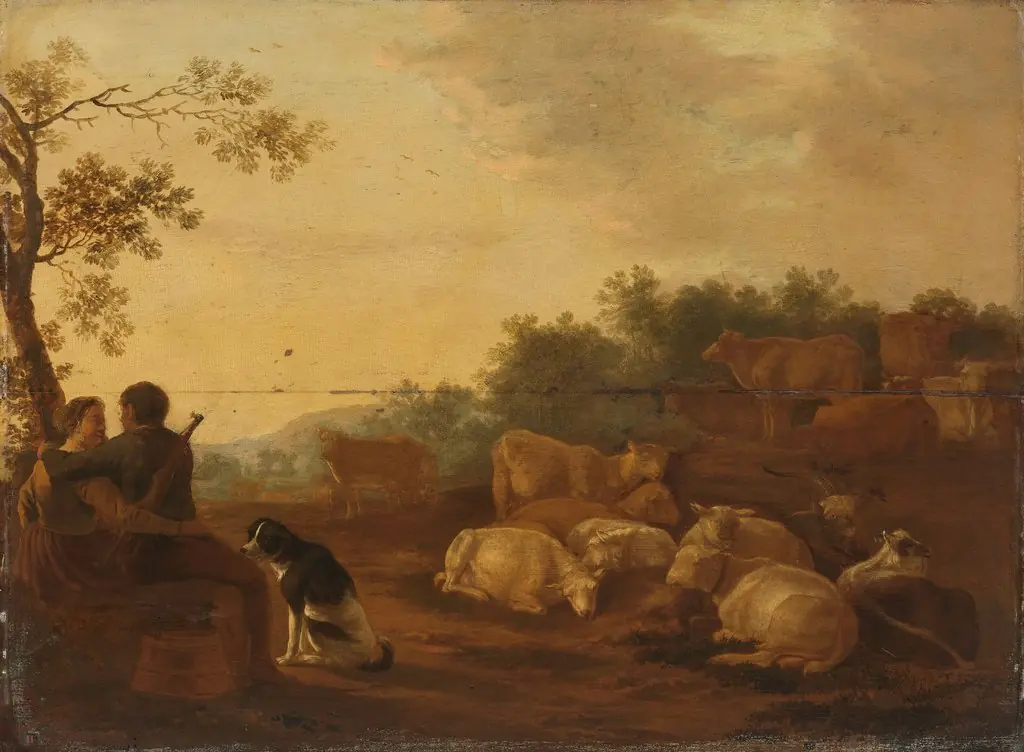 Landscape with sheperd, sheperdess and cattle
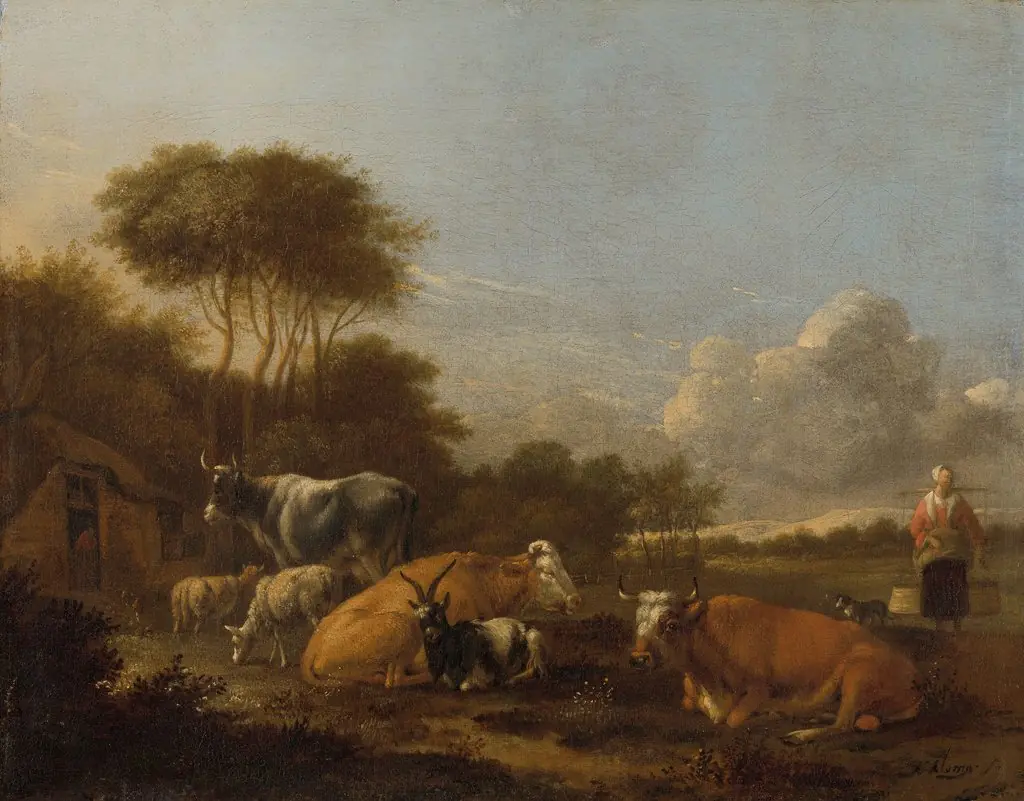 Landscape with Cattle (SK-C-162)
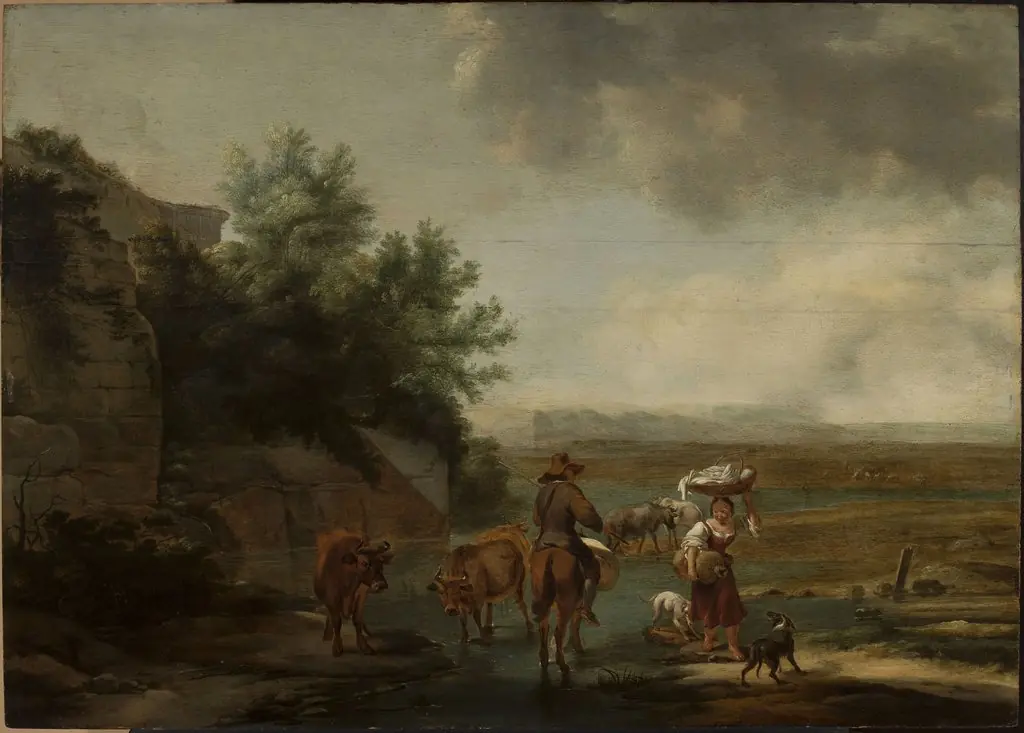 Pastoral landscape
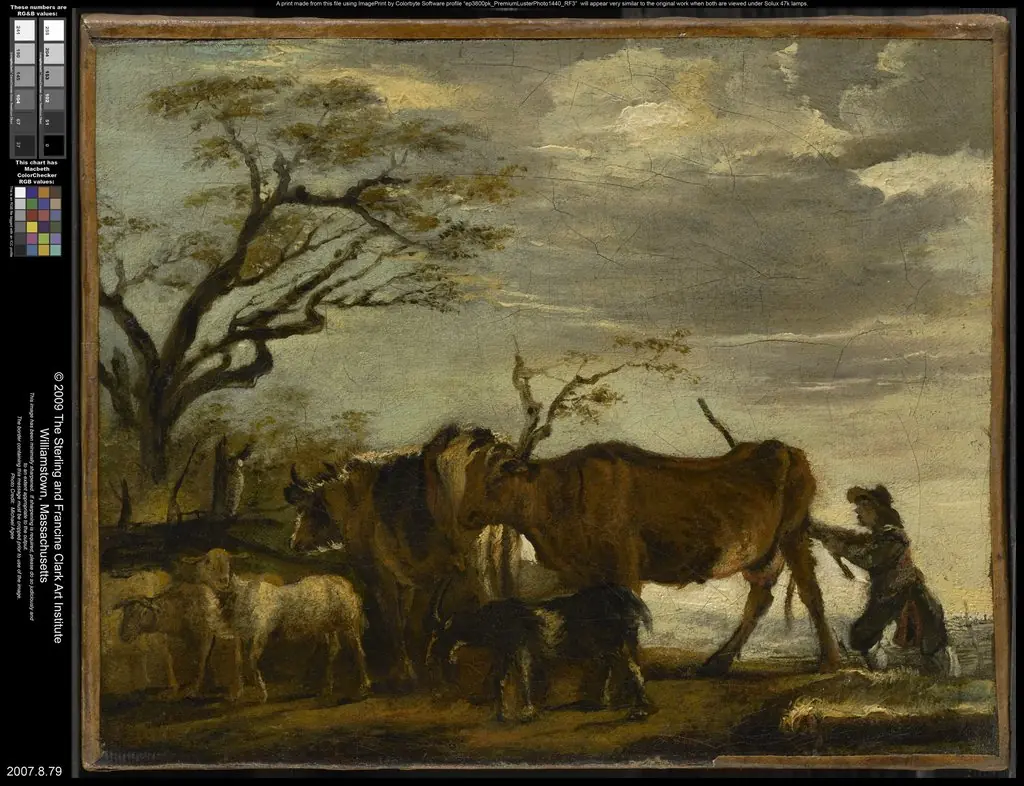 A Peasant Driving Cattle, Sheep and Goats in a Landscape
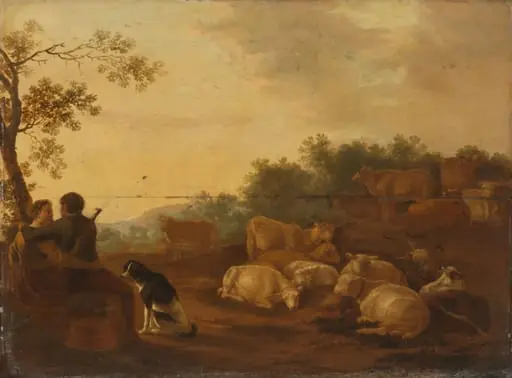 Landscape with sheperd, sheperdess and cattle
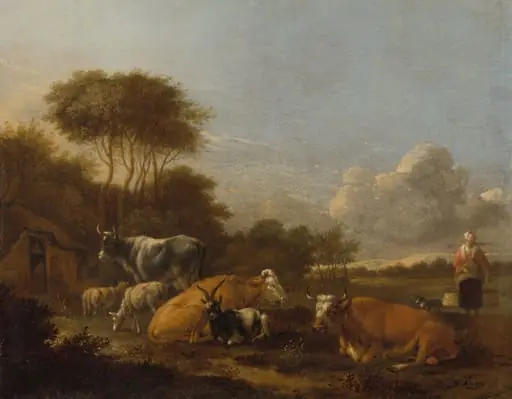 Landscape with Cattle