Artwork
Pastoral scene
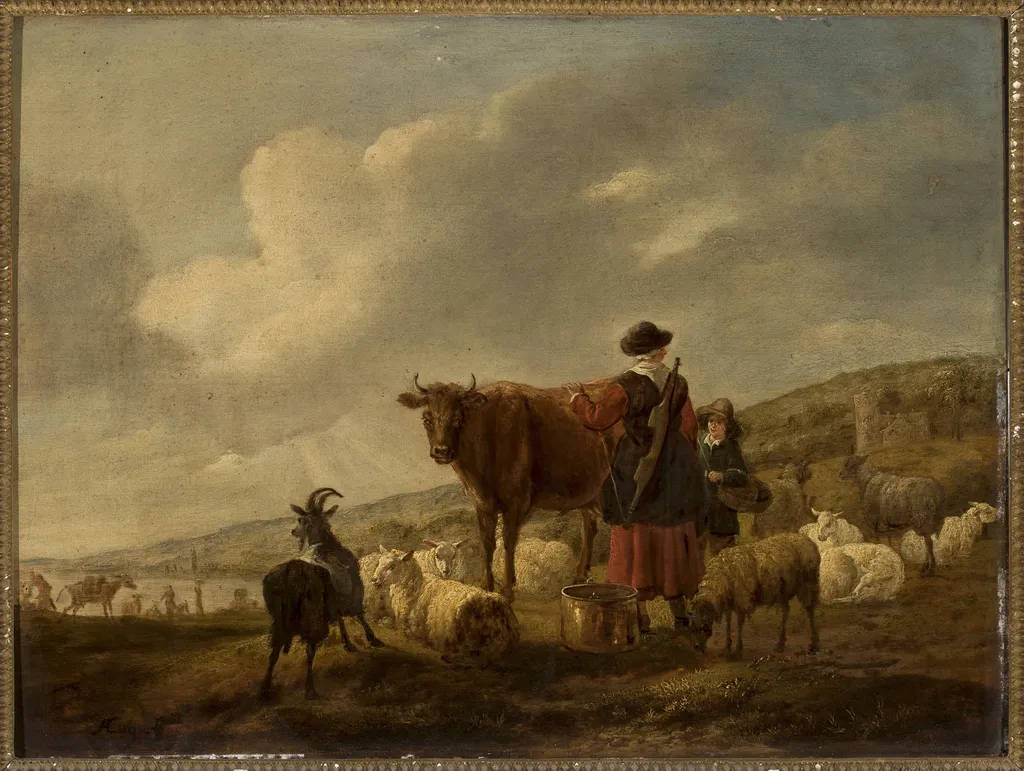
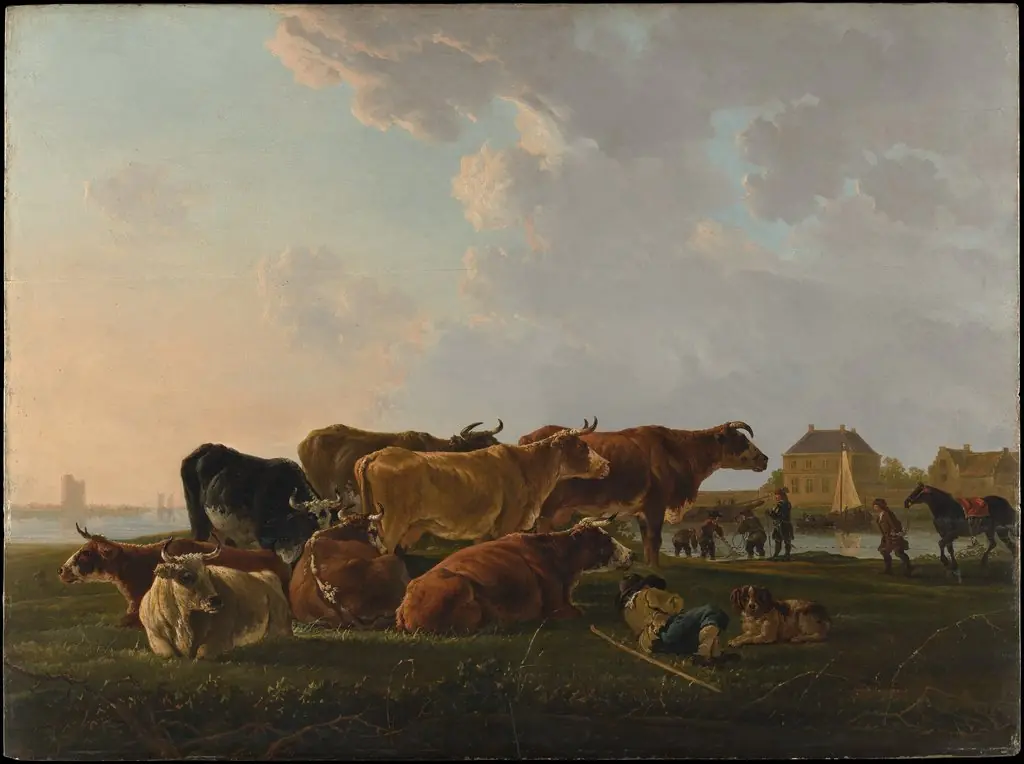
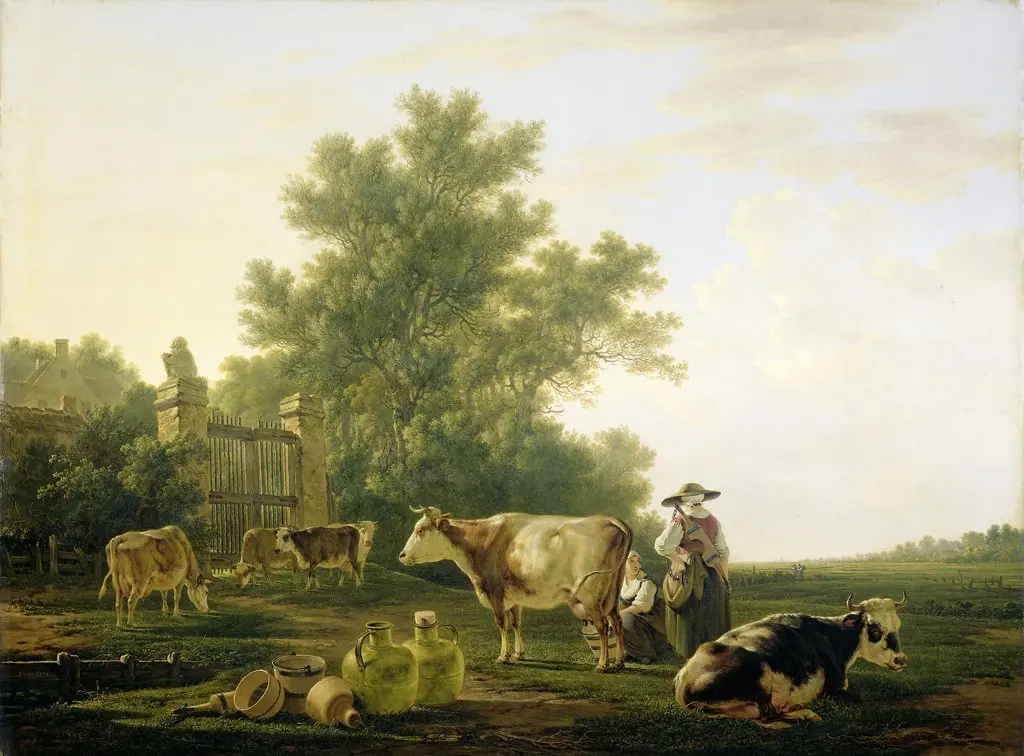
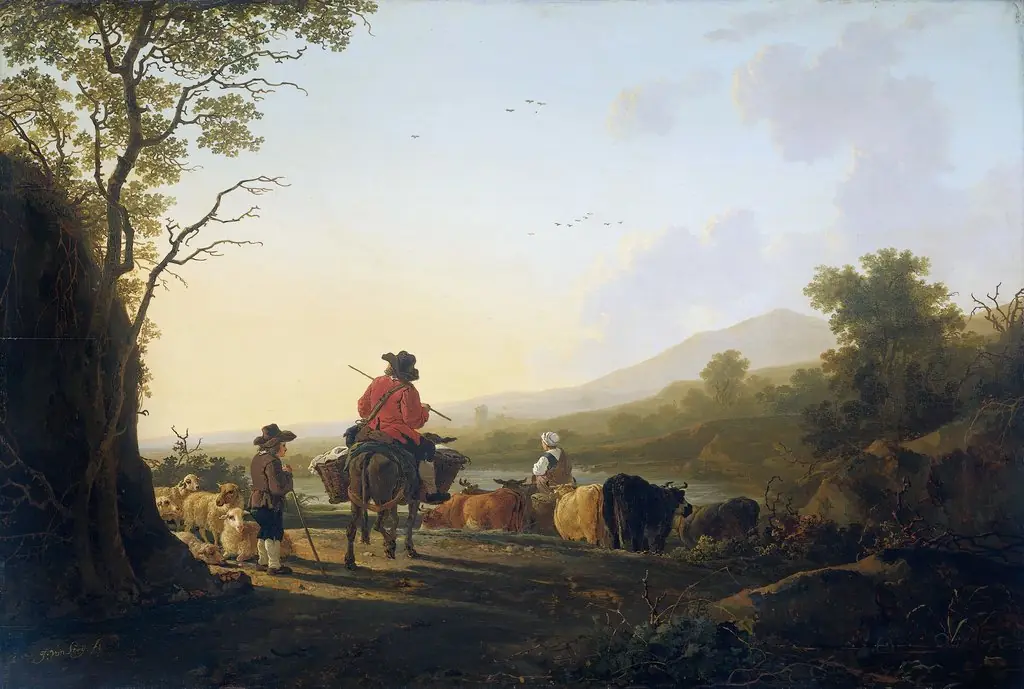
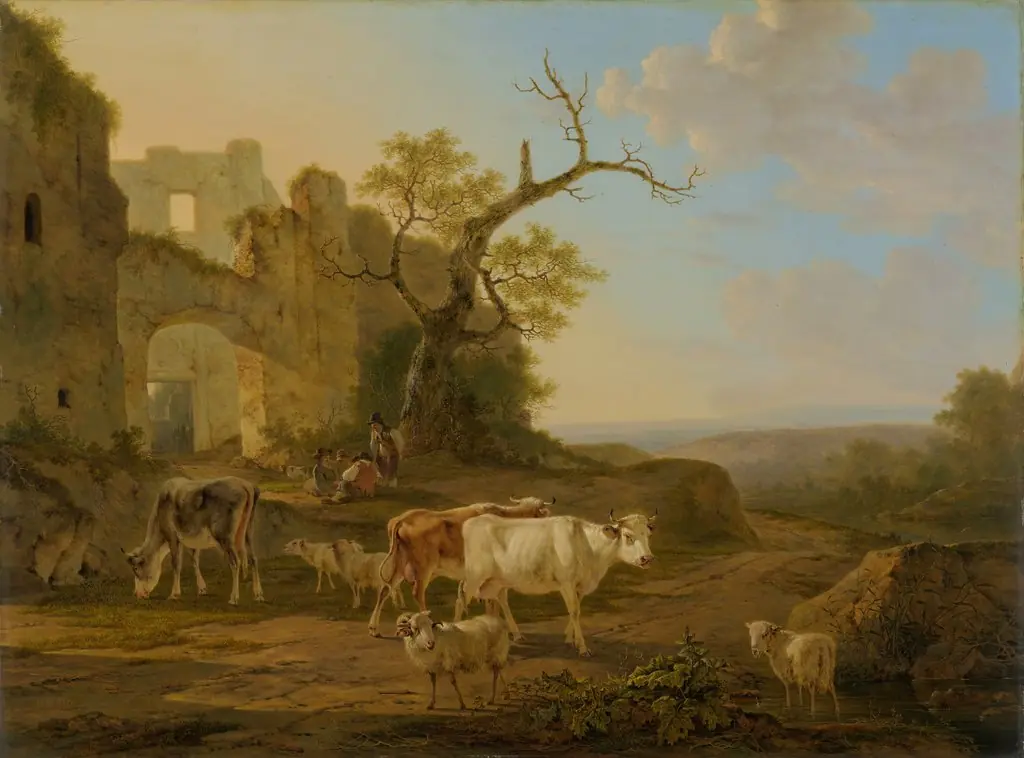
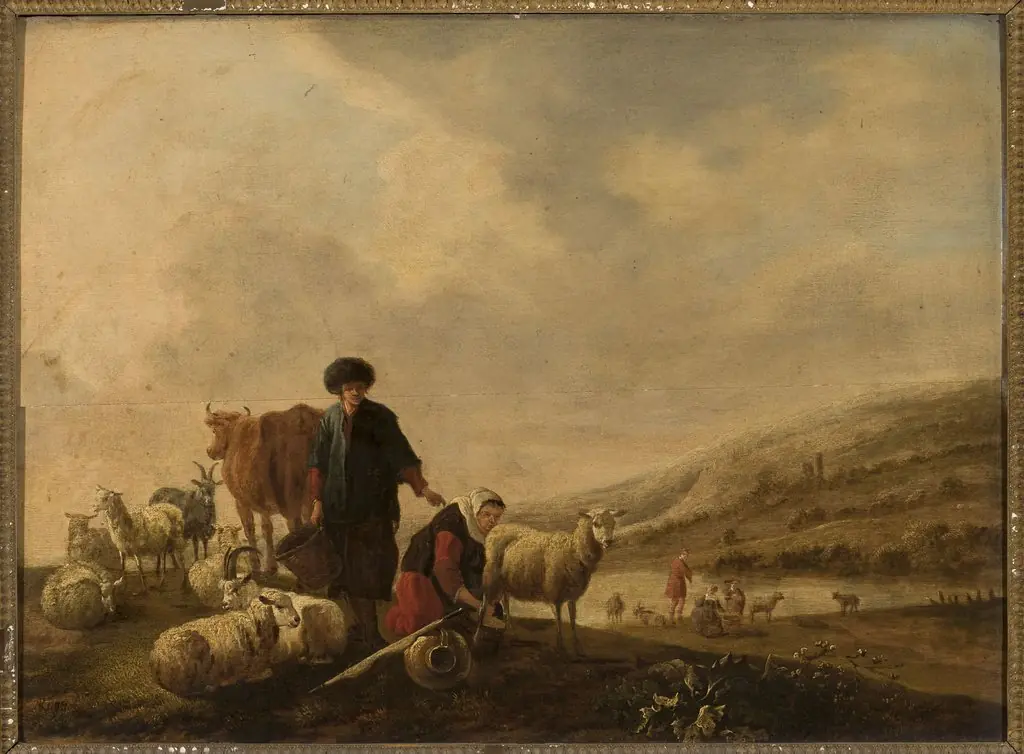
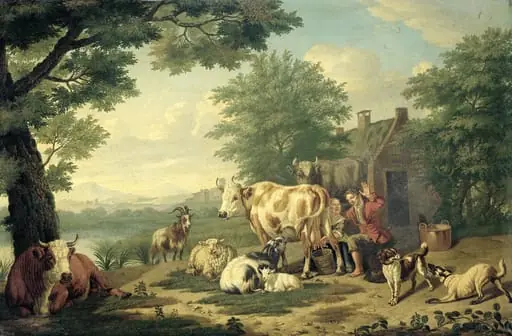
Pastoral scene is an oil painting by the Rococo painting artist Jacob van Strij. It dates from 1795 and is held in the collection of the National Museum in Warsaw.
About this work
Overview
Painted around 1795 by Jacob van Strij, this oil-on-canvas work presents a quiet rural moment in the Dutch tradition of landscape painting.
Painted around 1795 by Jacob van Strij, this oil-on-canvas work presents a quiet rural moment in the Dutch tradition of landscape painting. Van Strij, active as a draftsman and printmaker as well as a painter, favored naturalistic scenes of the countryside. The composition avoids dramatic action, instead emphasizing stillness and harmony between figures and environment. It resides today in the National Museum in Warsaw, part of a broader collection of 18th-century Dutch and Flemish works.
Subject & Meaning
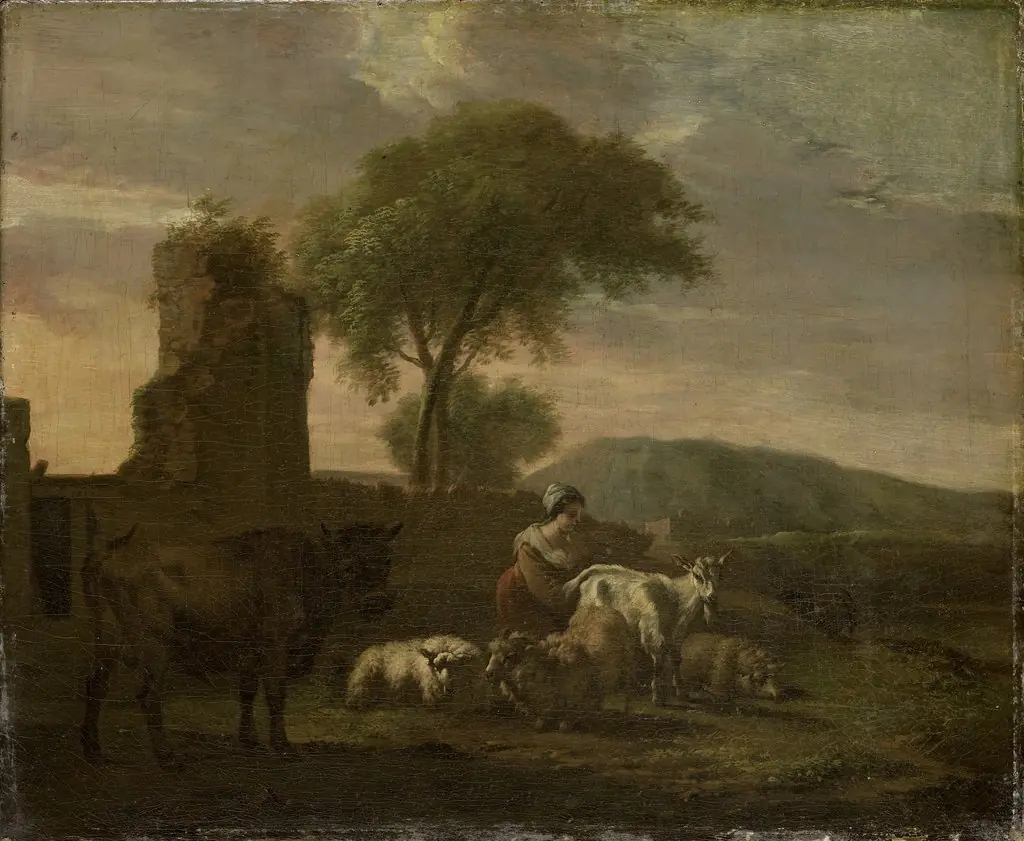
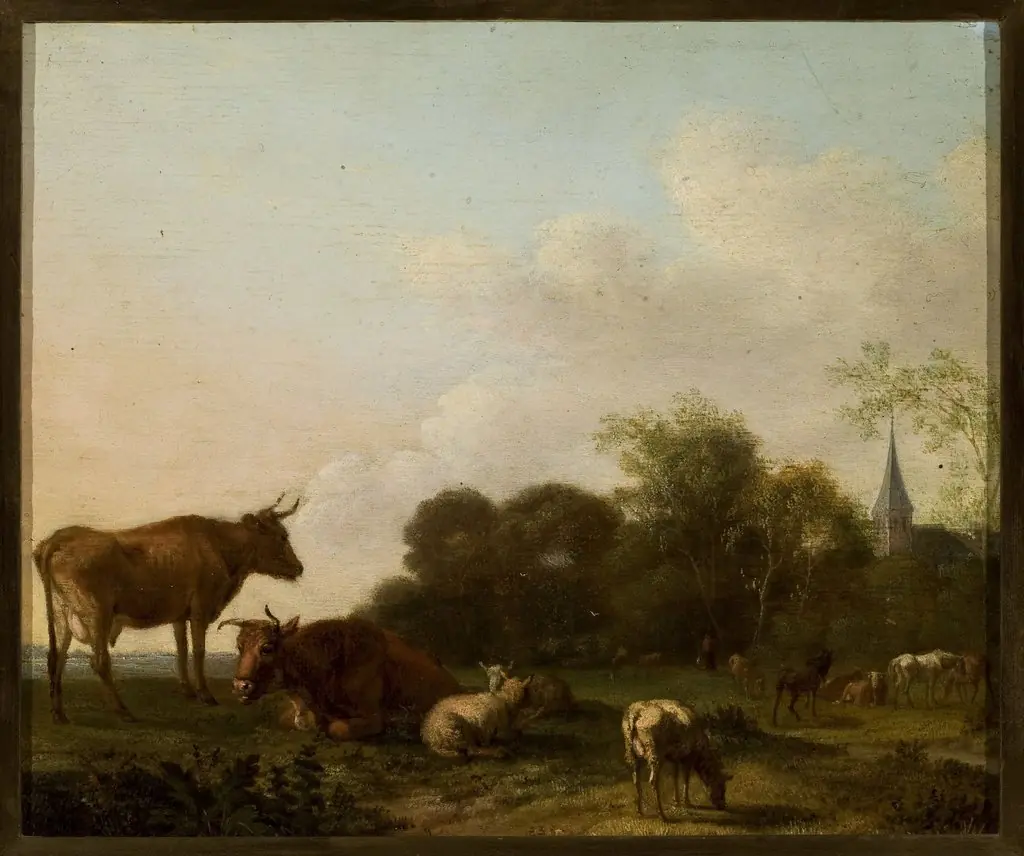
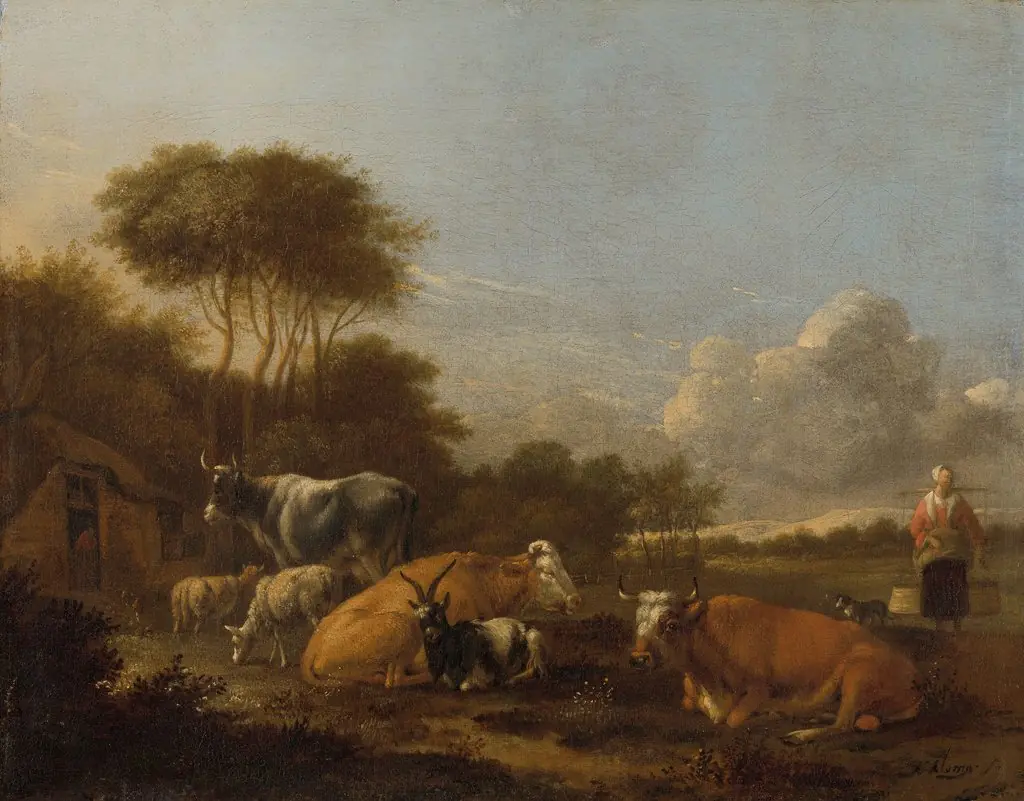
A woman and a young boy stand together in a grassy pasture, attended by a small herd of sheep and goats. The woman, holding a walking stick, and the child, clad in a coat and hat, appear engaged in quiet observation rather than labor. The scene suggests an idealized rural life, where human presence is gentle and integrated into the natural world. No narrative is overt; the meaning lies in the calm coexistence of people, animals, and land.
Technique & Style
Van Strij employed soft, blended brushwork and a restrained palette of warm earth tones to evoke a hazy, sunlit atmosphere. The animals are rendered with careful attention to texture and posture, while the distant buildings and trees are loosely suggested to create spatial depth. The handling of light is subtle, avoiding strong contrasts, which contributes to the scene’s serene, unhurried mood. The style aligns with late Rococo sensibilities, prioritizing harmony over drama.
History & Provenance
The painting entered the National Museum in Warsaw’s collection in the 19th or early 20th century, likely through acquisition or donation. Its journey from the Netherlands to Poland remains undocumented, though it reflects broader patterns of art circulation in Europe during the period. Van Strij’s works were not widely exhibited in his lifetime, and this piece is among the few surviving examples of his pastoral subjects.
Context
In the late 18th century, Dutch landscape painting continued to draw from regional traditions, even as Neoclassicism gained prominence elsewhere. Van Strij’s focus on tranquil rural life contrasted with the political upheavals of the era, offering viewers an escape into an imagined stability. His works, though not aligned with major artistic movements, resonated with audiences seeking quiet, familiar scenes of everyday existence.
Legacy
Jacob van Strij’s oeuvre remains relatively obscure outside specialist circles, but his pastoral scenes contribute to the understanding of Dutch regional painting in the late Enlightenment. This work exemplifies how smaller, unassuming landscapes preserved a sense of place and rhythm in a rapidly changing world. It endures not as a landmark, but as a quiet testament to the enduring appeal of rural stillness.
Artist & collection
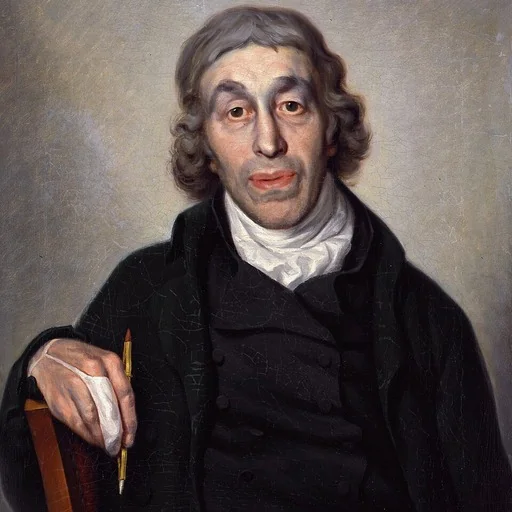
Artist
Jacob van Strij (2 October 1756 – 4 February 1815) was a Dutch painter, printmaker, and draftsman who was mainly interested in landscape painting, including mountain landscapes, winter landscapes and marines.