Artwork
Lüshan Hui
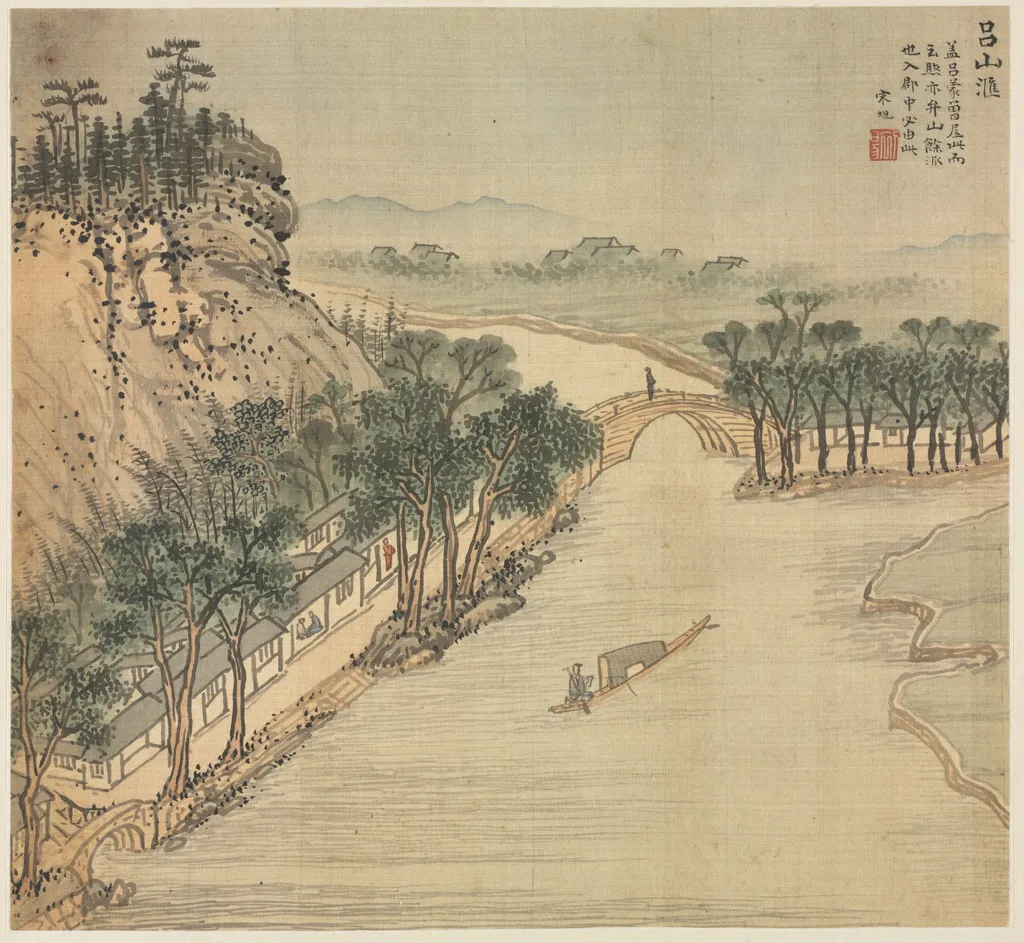
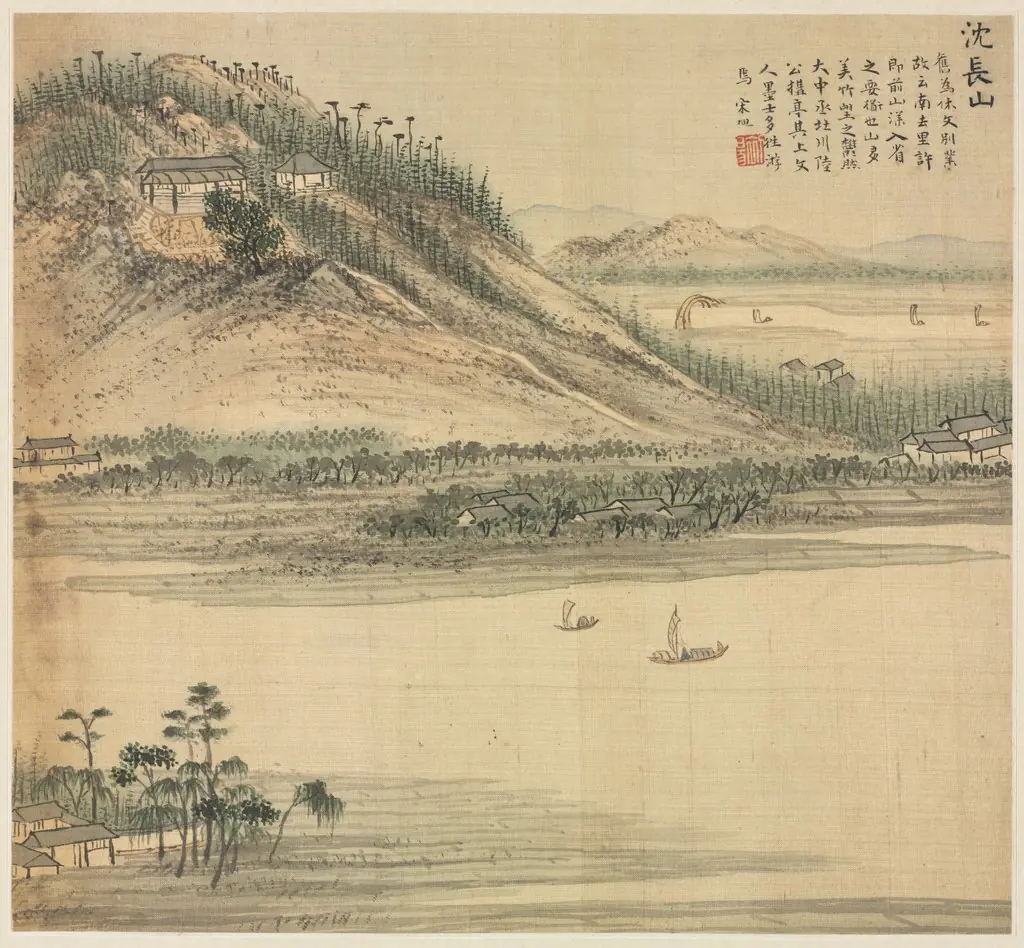
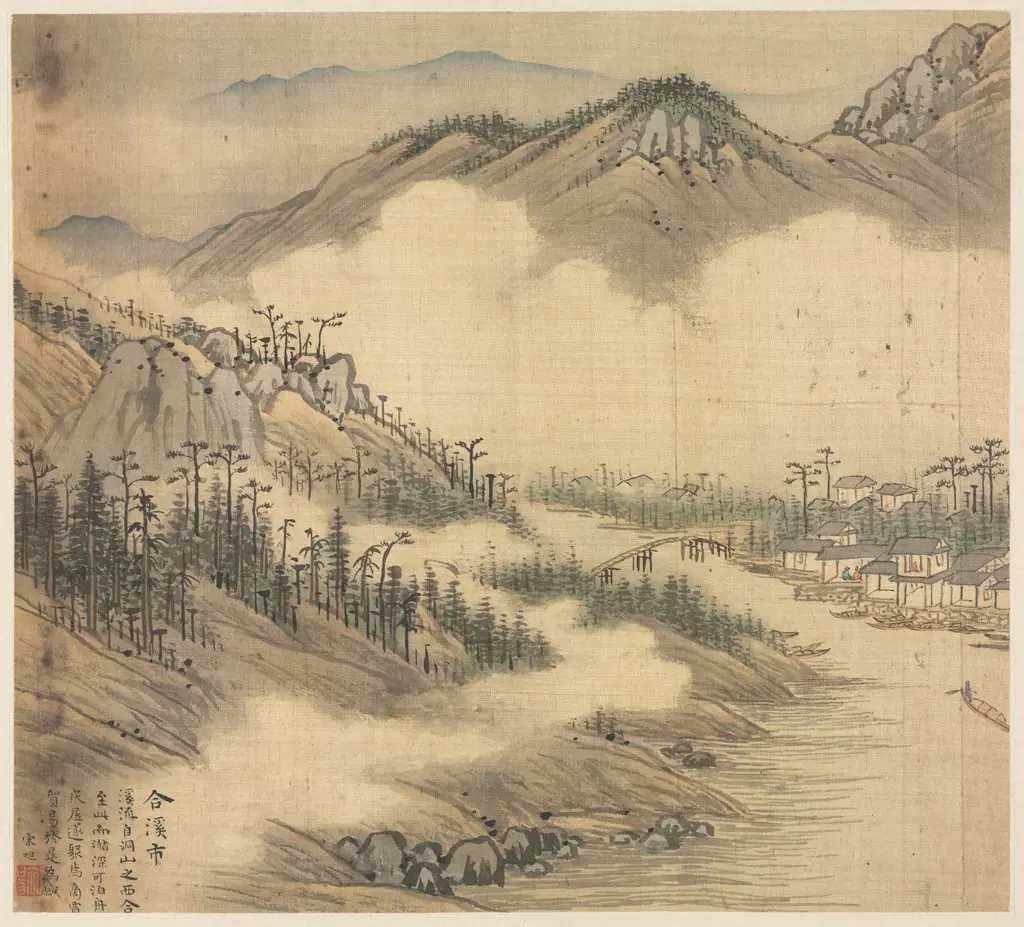
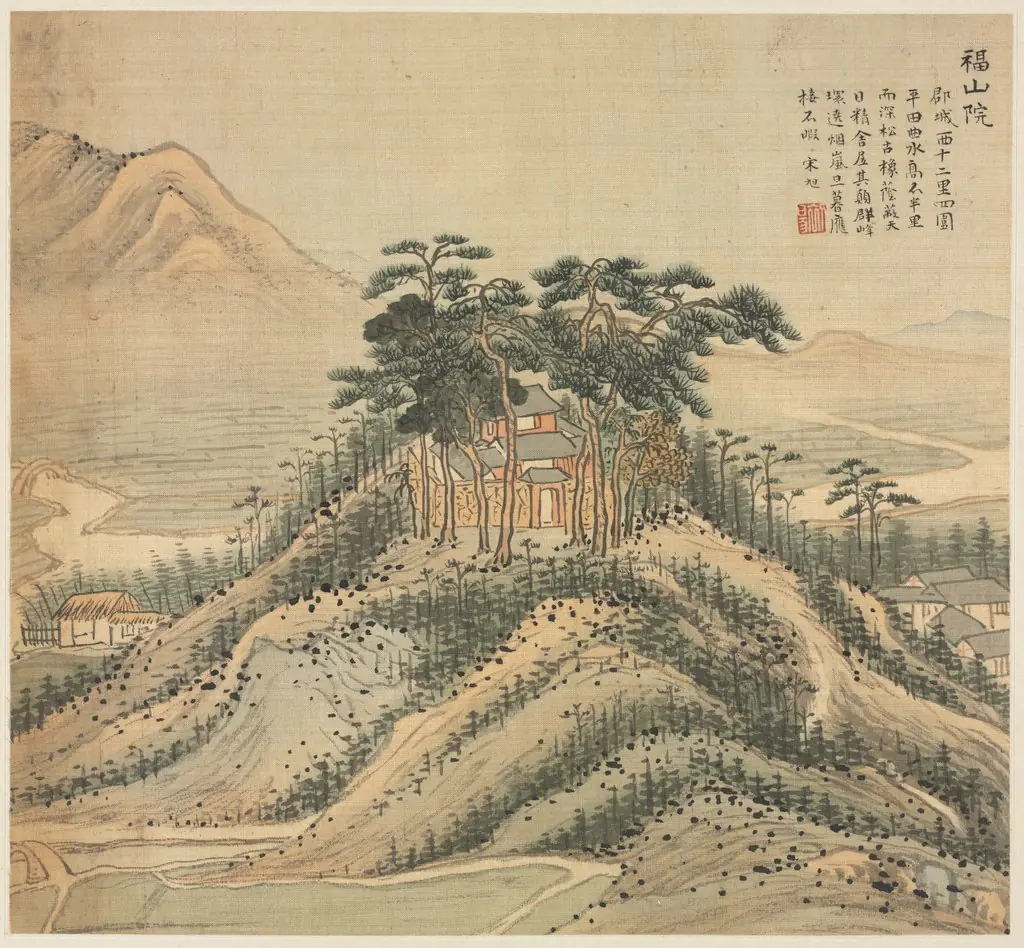
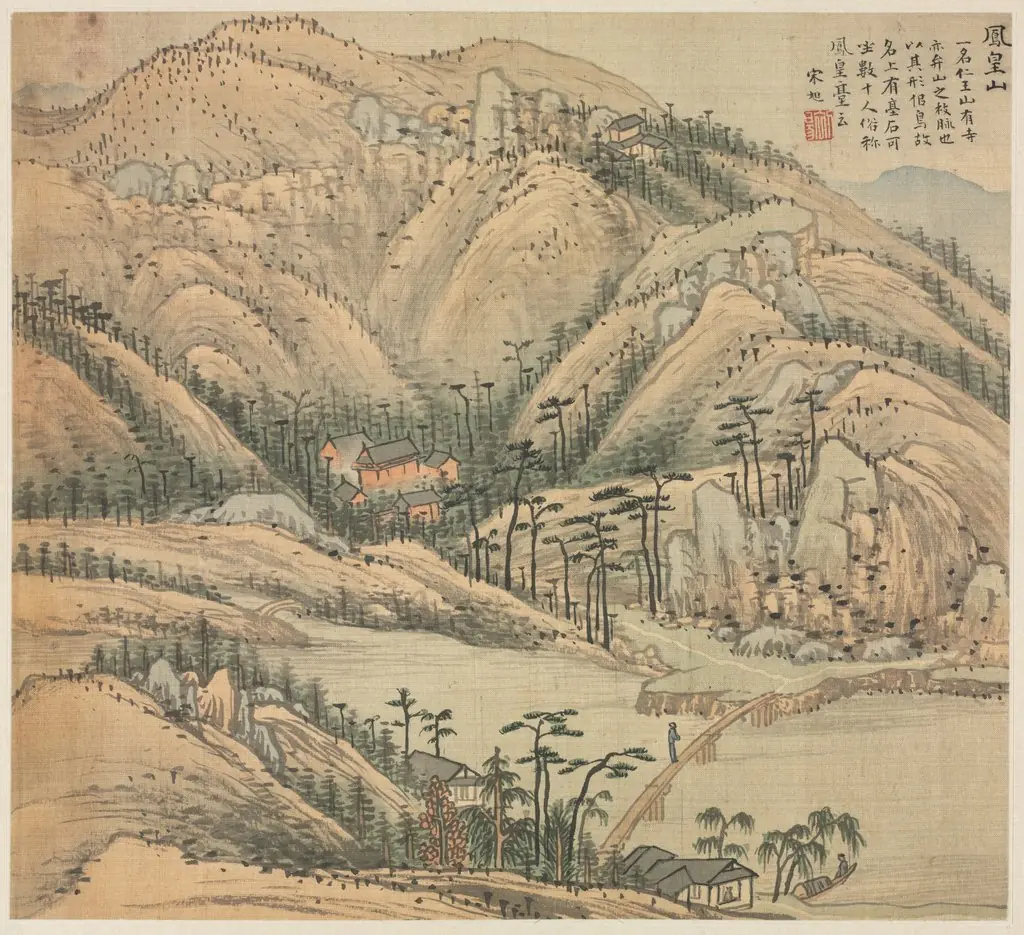
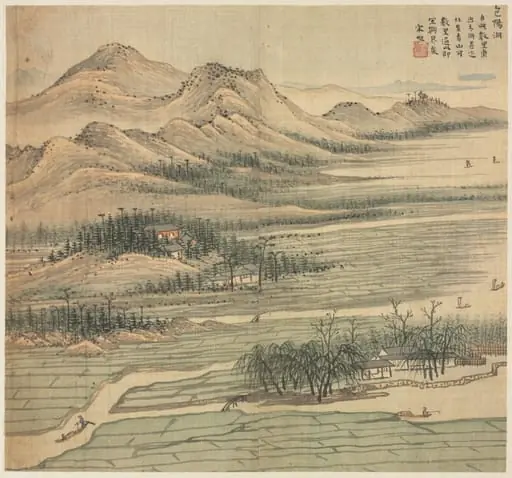
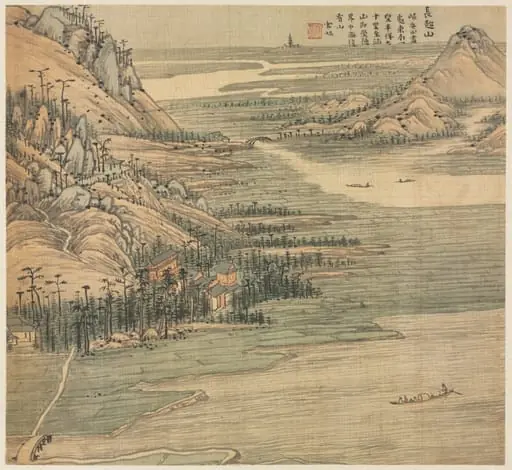
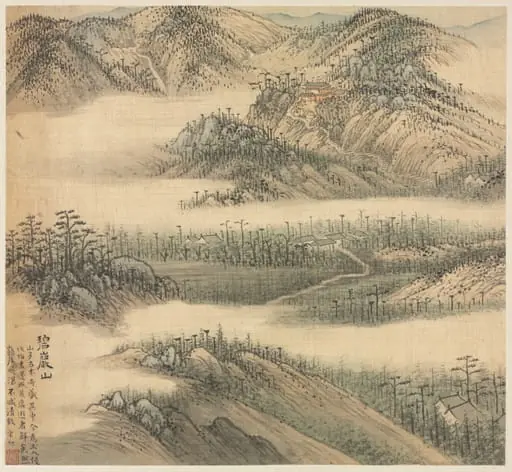
Lüshan Hui is an unspecified painting by the Ming dynasty painting artist Song Xu. It dates from 1588 and is held in the collection of the Cleveland Museum of Art.
About this work
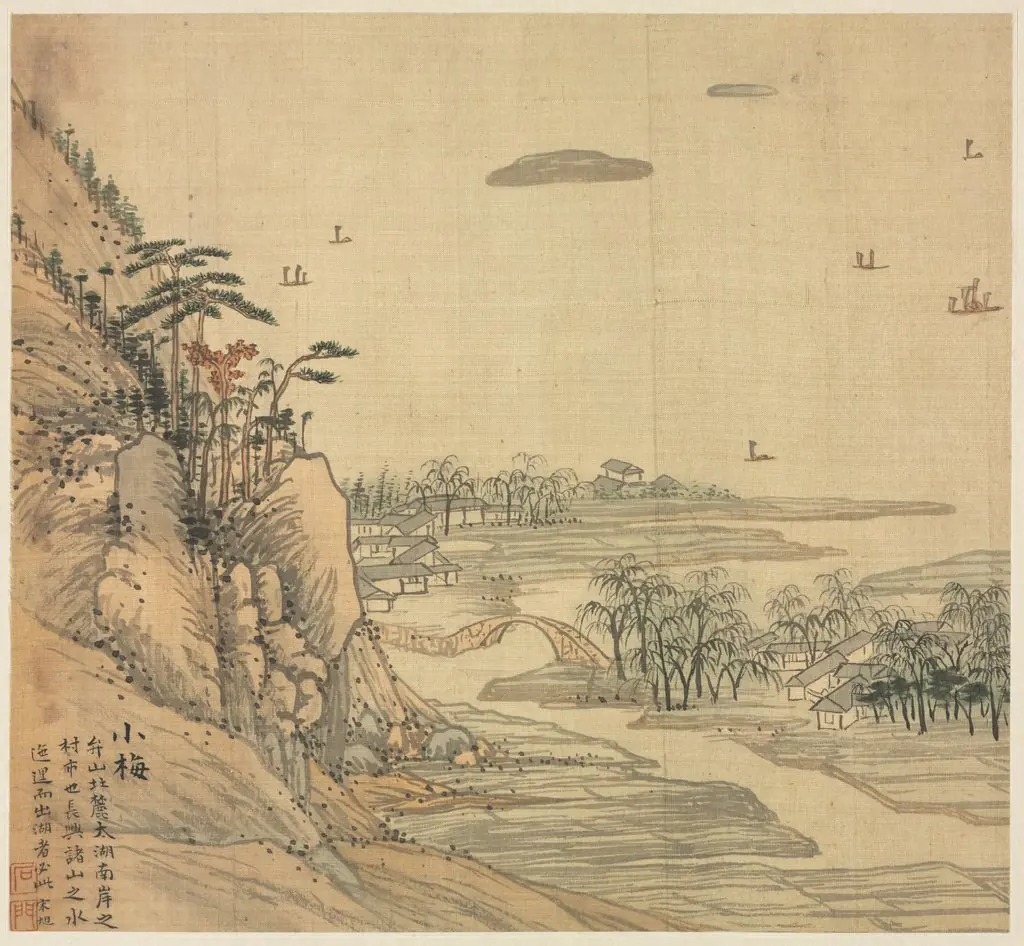
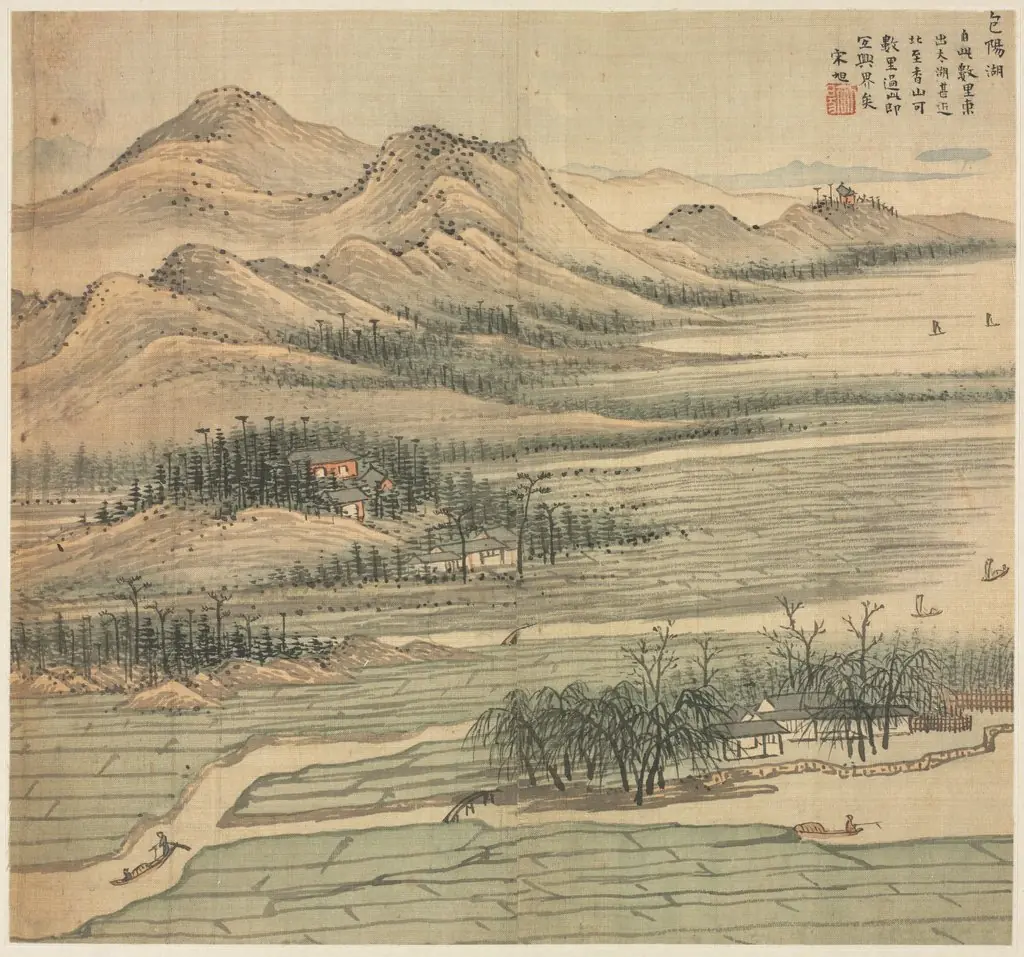
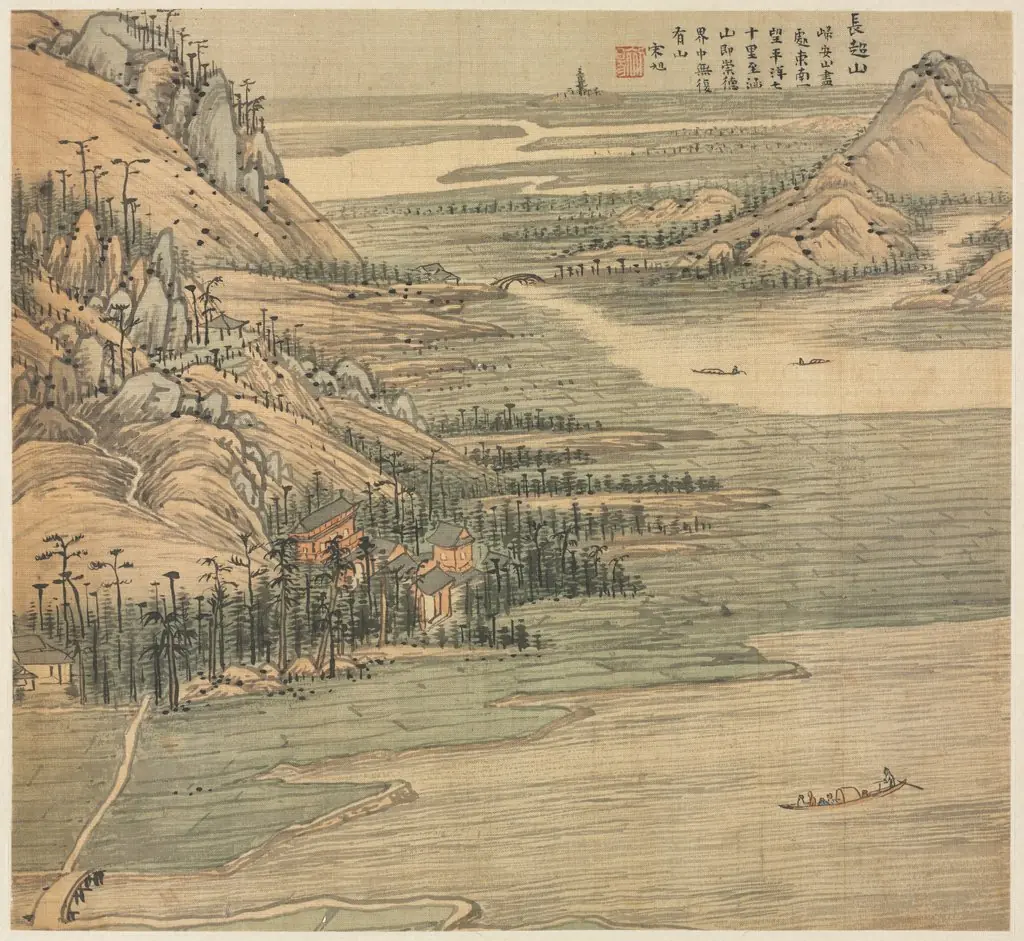
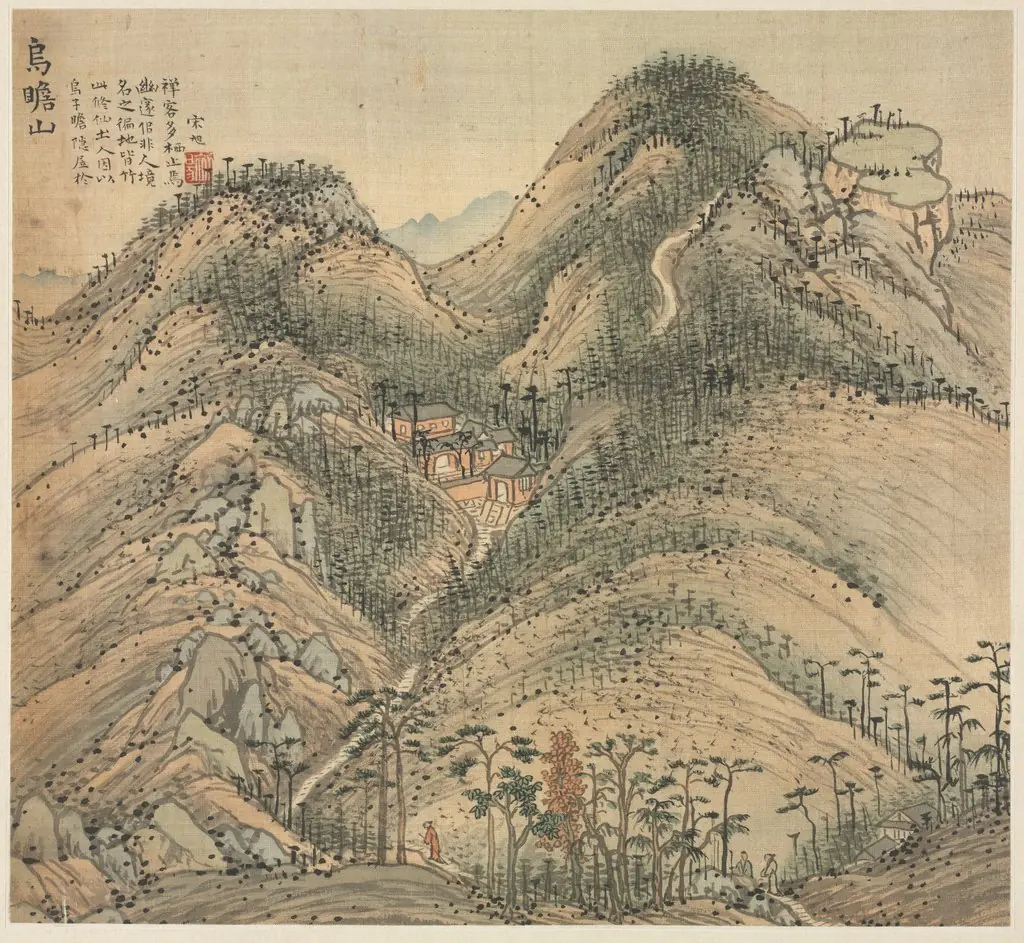
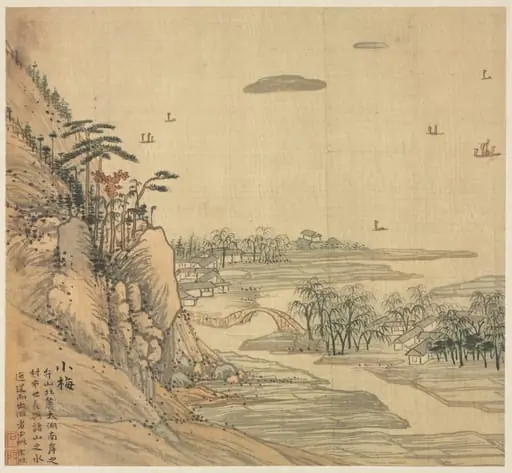
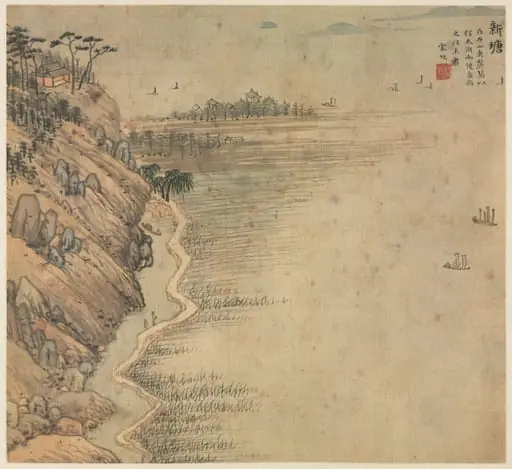
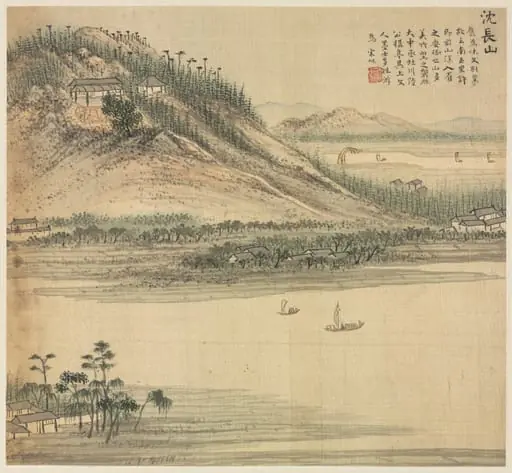
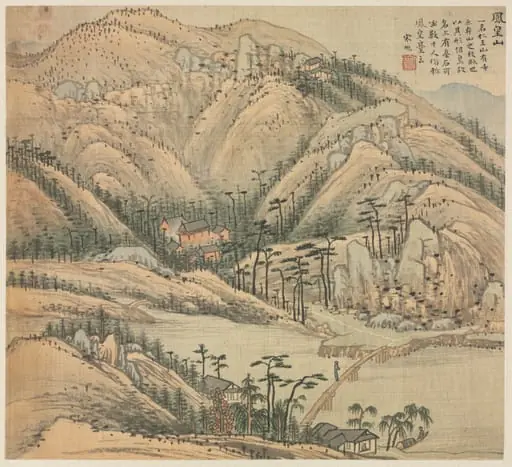
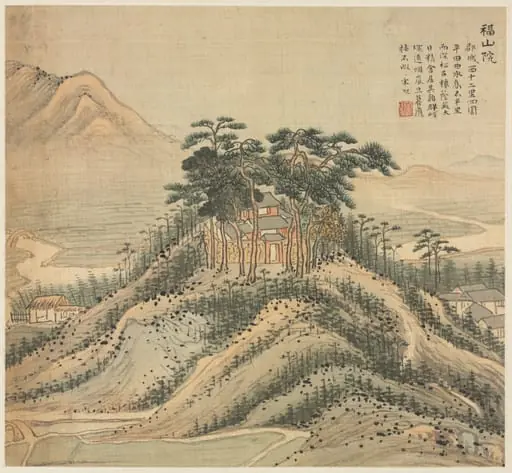
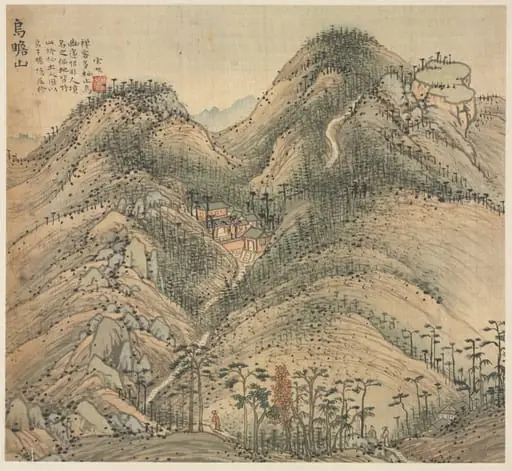
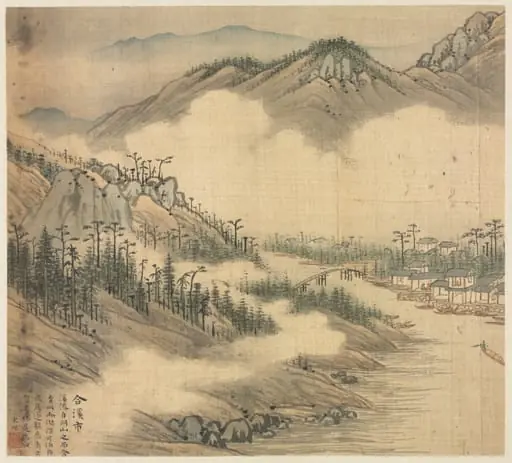
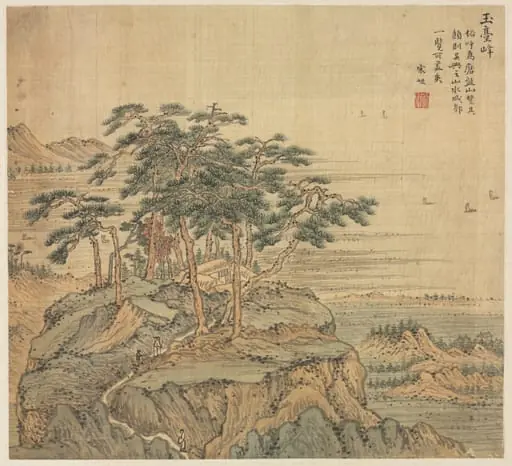
This painting shows a landscape from the Ming dynasty.
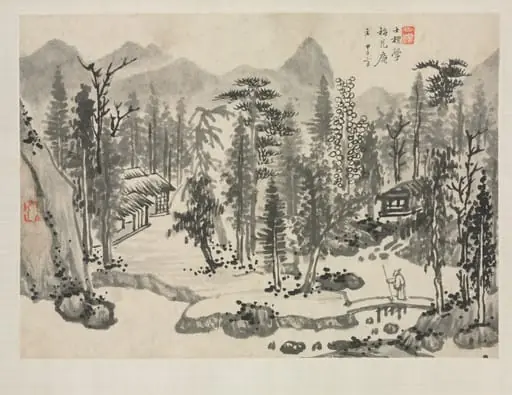
It's part of a series depicting scenic areas around Wuxing, China. The artist, Song Xu, wasn't from Wuxing, but he visited to create these works.
He wrote comments on each of the eighteen views, which is a unique aspect of this collection, and to learn more, you can look up the work of artist: Song Xu (Chinese, 1525-c. 1606)
Overview
Lüshan Hui is a Ming‑dynasty landscape painting that forms part of an album illustrating eighteen celebrated sites surrounding the city of Wuxing in southeastern China. Each view is rendered with accompanying commentary by the artist, providing a combined visual and textual guide to the region’s natural and historic attractions.
Subject & Meaning
The work portrays the corridor of Mount Lü, a locale named after the Eastern Han general Lü Meng, who is recorded to have camped there in the late second century CE. The scene highlights the mountain’s position within the Bian range and its role as a passage toward the prefectural capital of Wuxing, linking geography with historical memory.
Technique & Style
Executed in the brushwork typical of mid‑Ming landscape painting, the piece balances delicate ink washes with precise line work to convey depth and atmosphere. The artist’s hand demonstrates a careful observation of terrain, while the integrated calligraphic notes reflect the scholarly tradition of combining poetry, prose, and image.
History & Provenance
Created by Song Xu (c.1525–c.1606), a painter who was not native to Wuxing but traveled there to fulfill a commission, the album records his firsthand study of the sites. The original album’s provenance traces back to private collections in the region before entering modern museum holdings.
Context
During the Ming period, regional landscape albums served both as travel guides and as expressions of cultural pride, documenting sites celebrated for their scenic beauty and their association with notable historical figures. Lüshan Hui exemplifies this genre, situating local topography within a broader narrative of Chinese heritage.
Own this work as a print
Artist & collection