Artwork
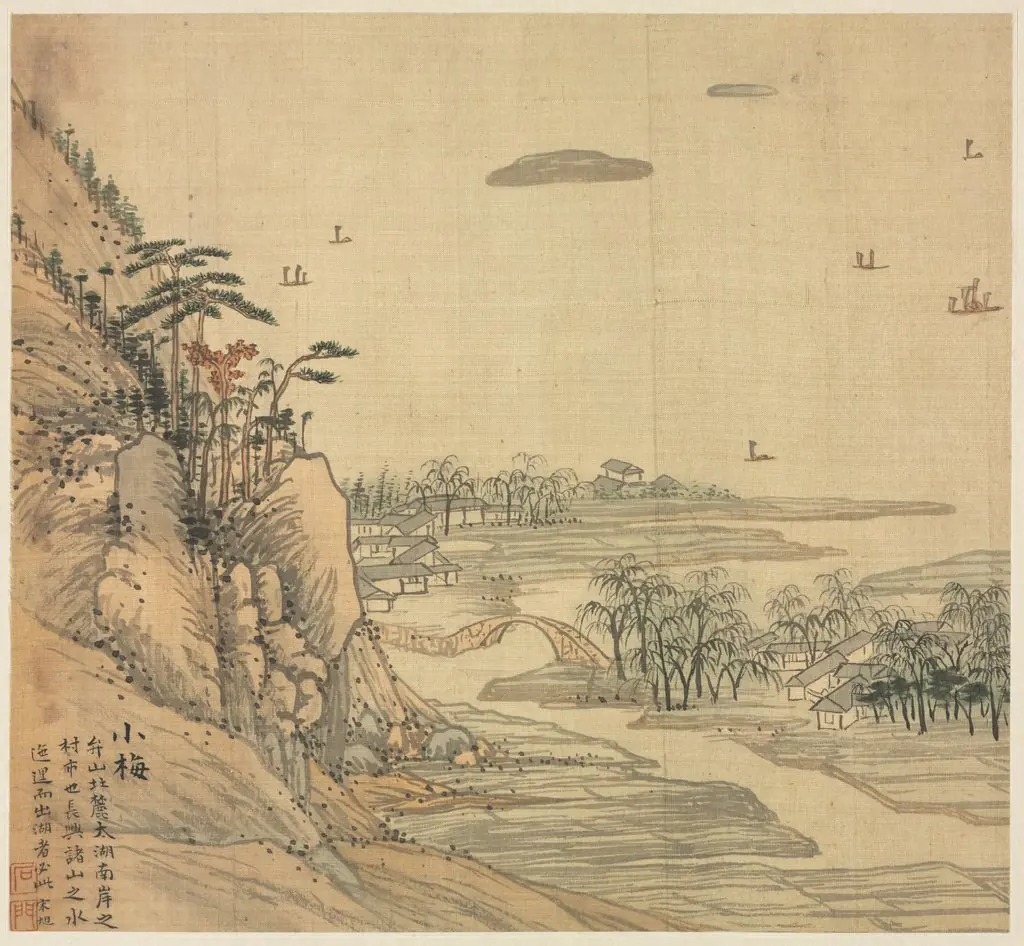
Xiaomei
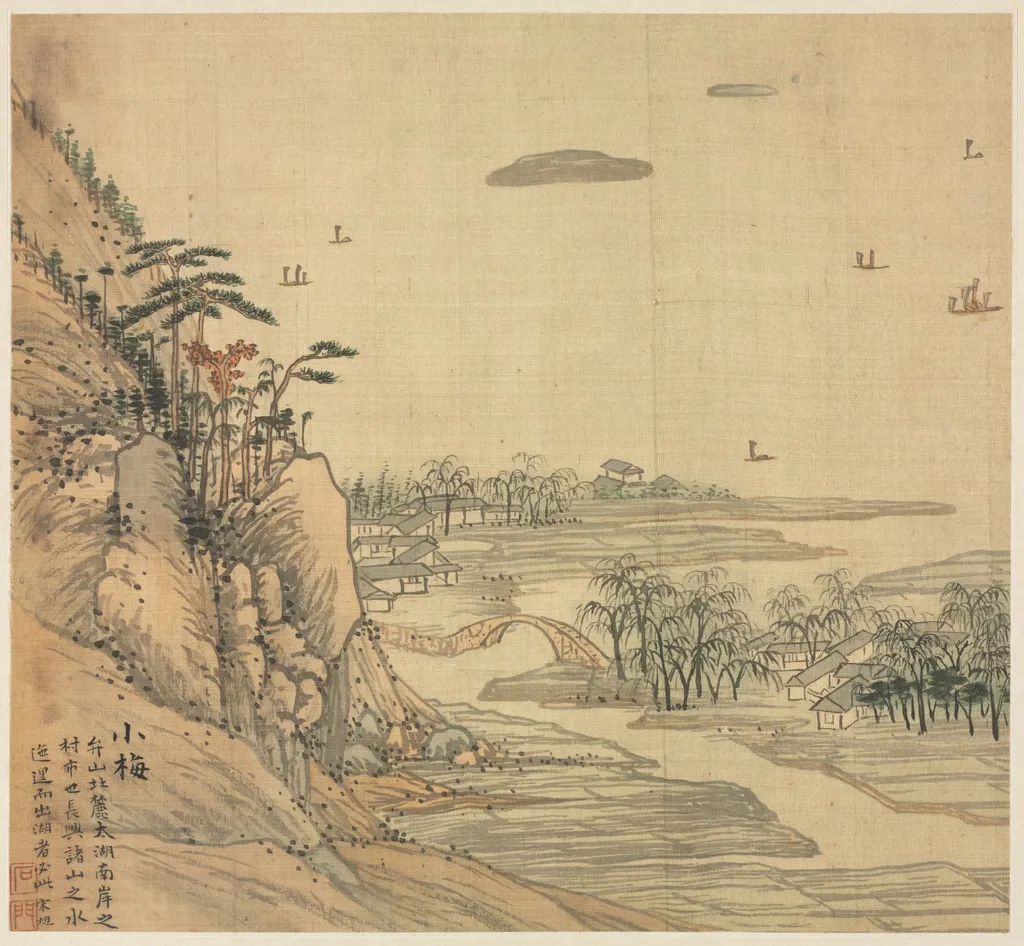
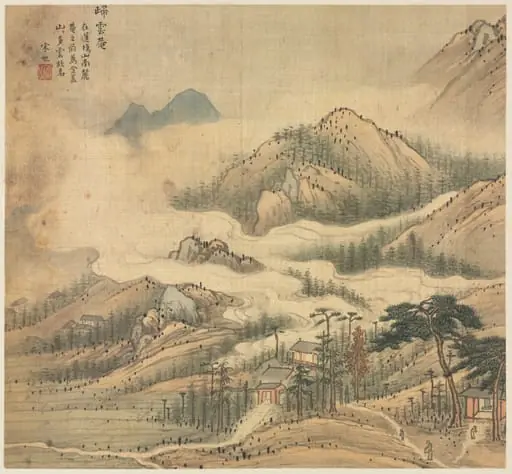
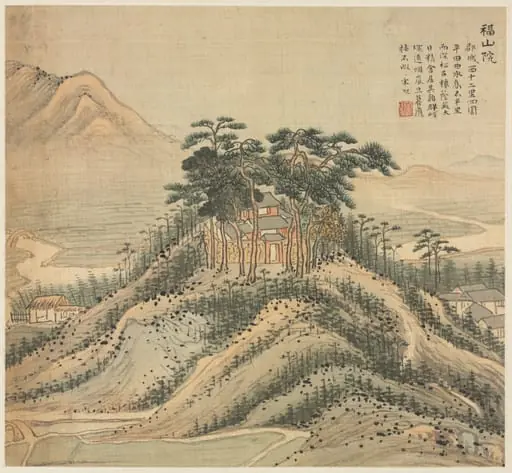
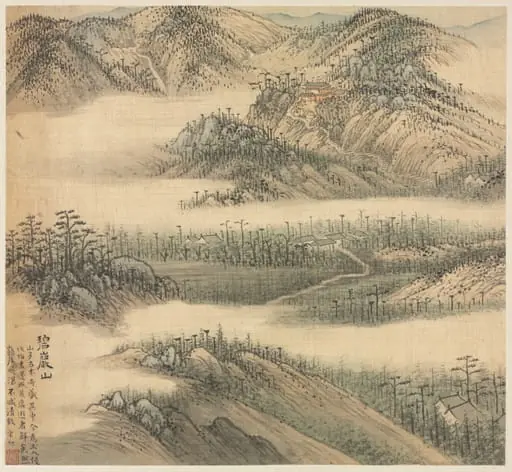
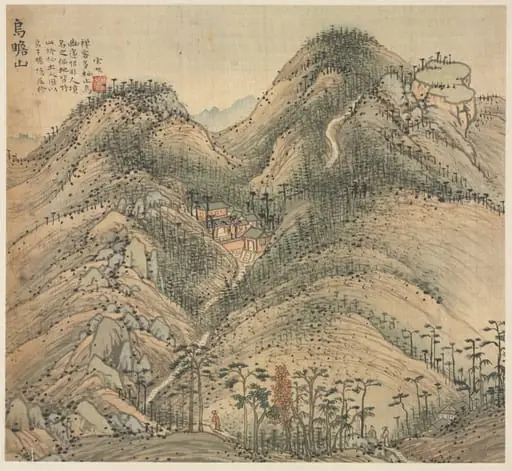
Xiaomei is an unspecified painting by the Ming dynasty painting artist Song Xu. It dates from 1588 and is held in the collection of the Cleveland Museum of Art.
About this work
You can learn more about this style by looking at the work of the artist: Song Xu (Chinese, 1525-c.
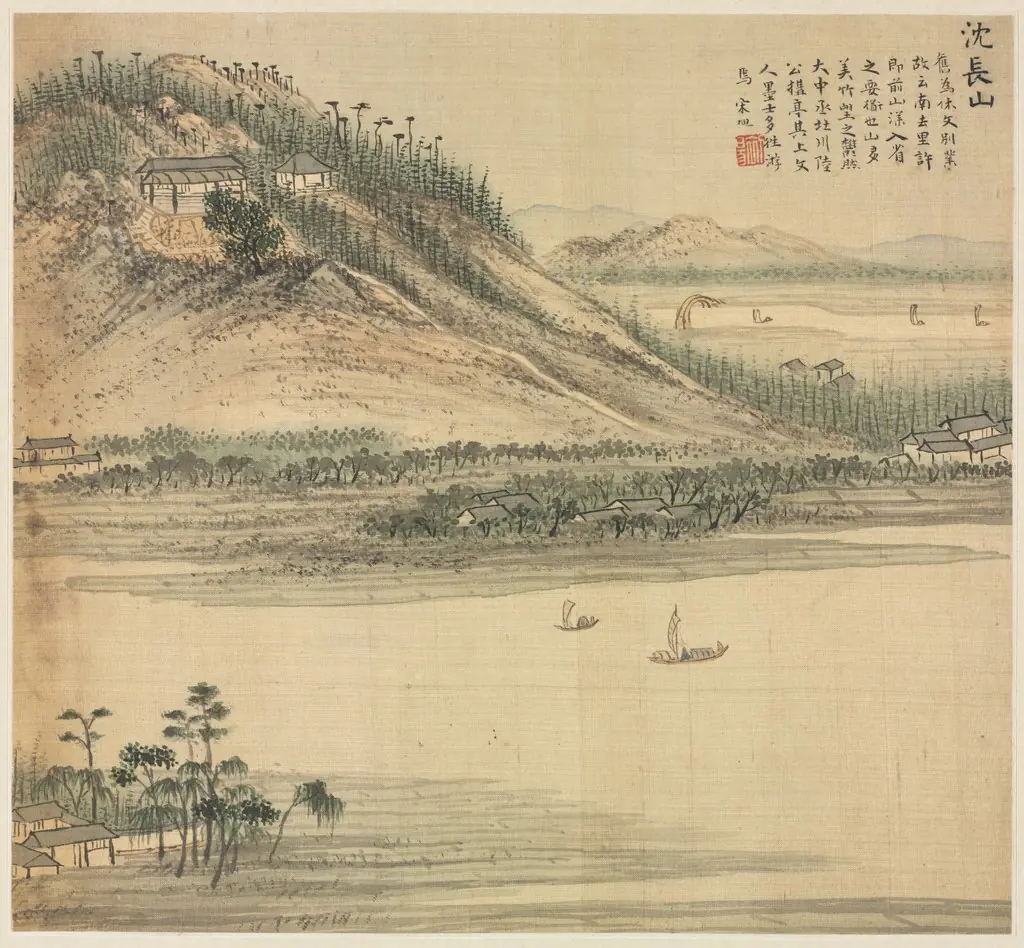
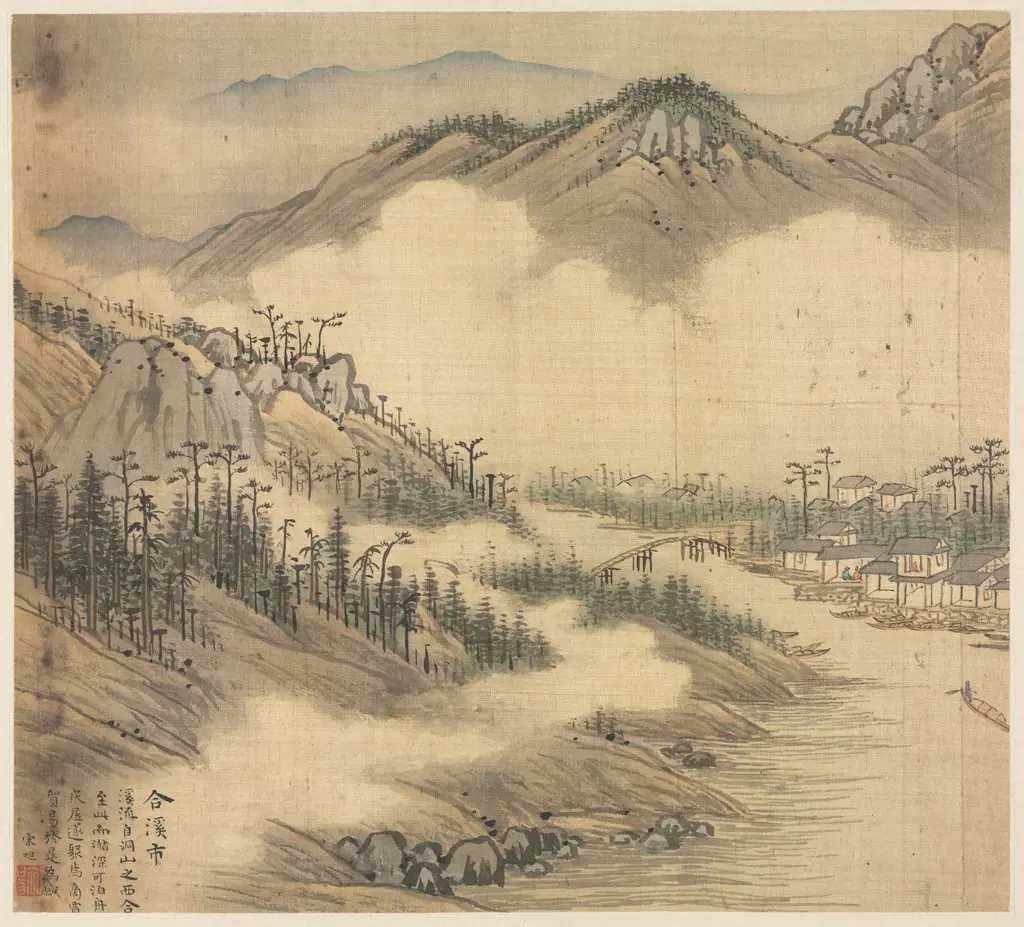
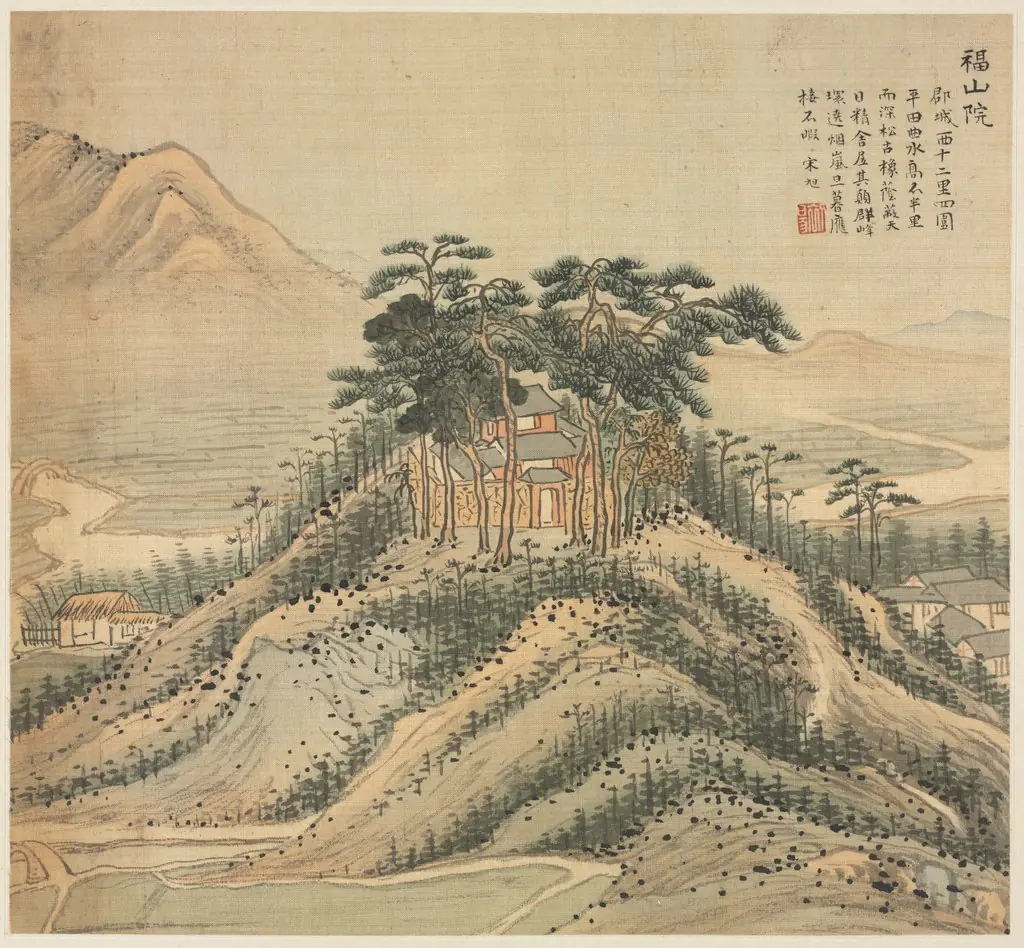
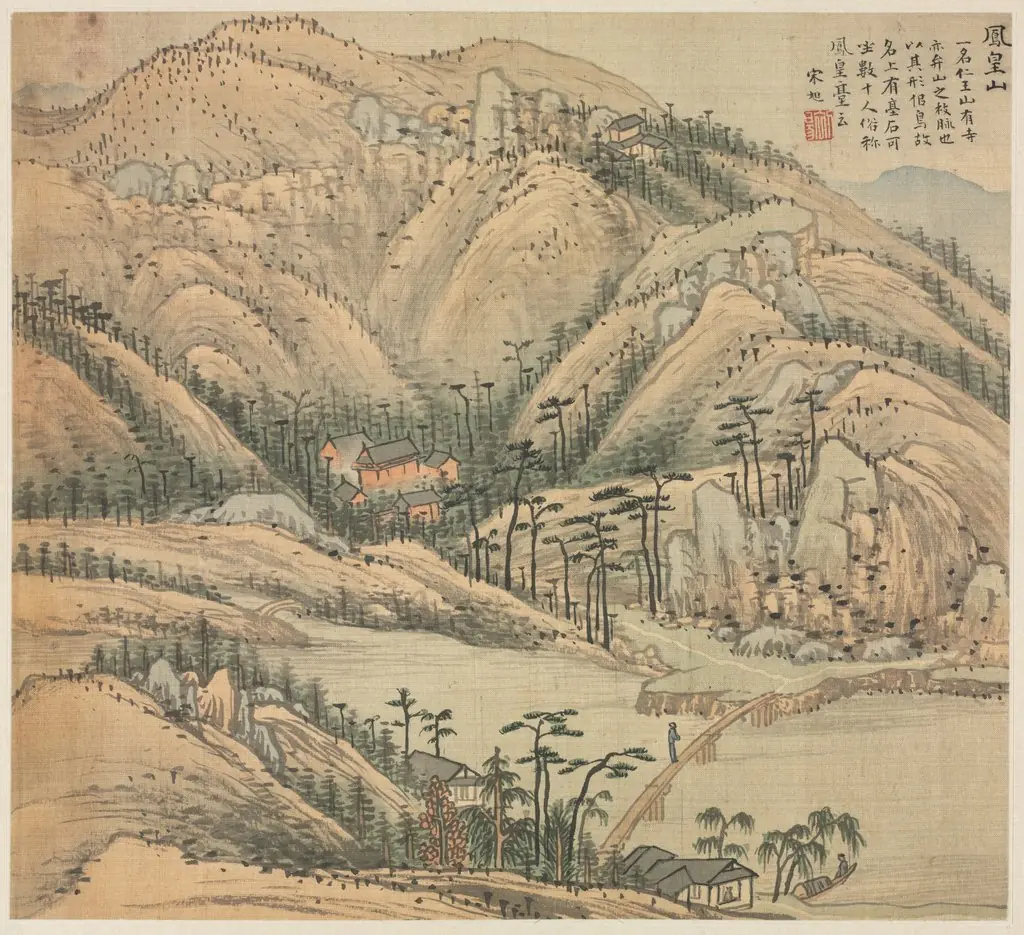
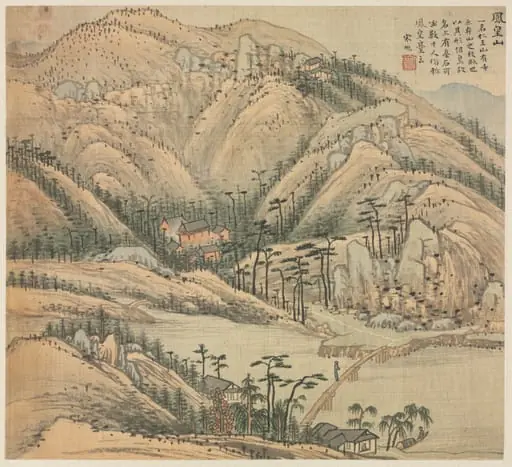
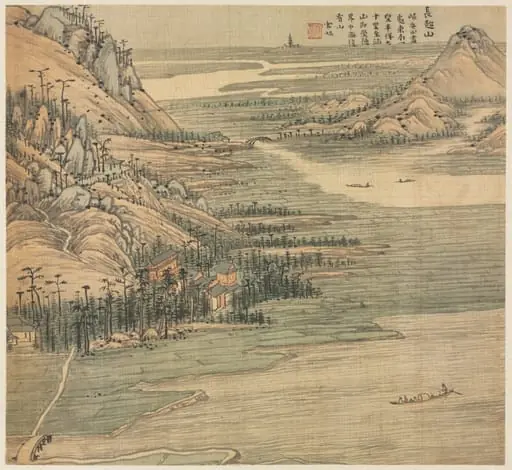
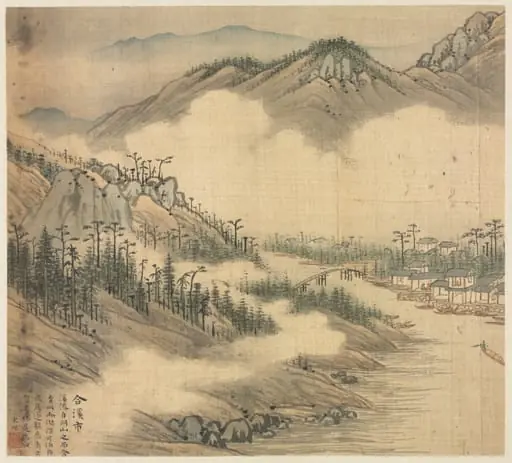
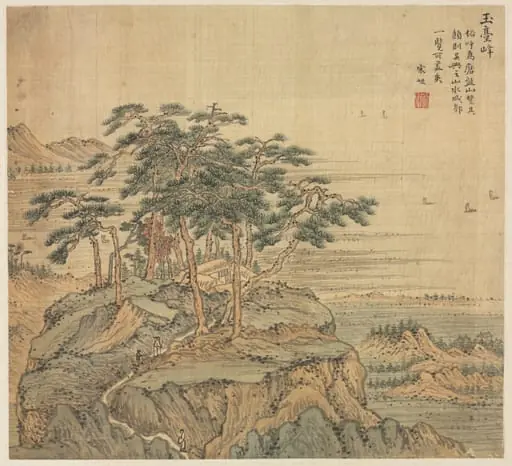
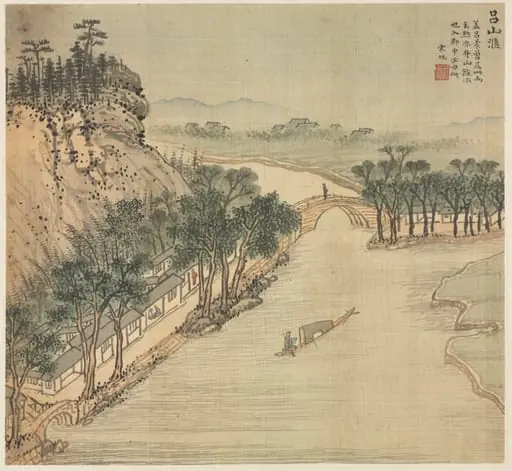
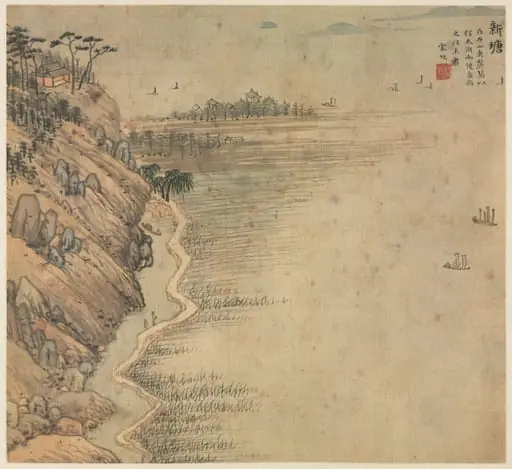
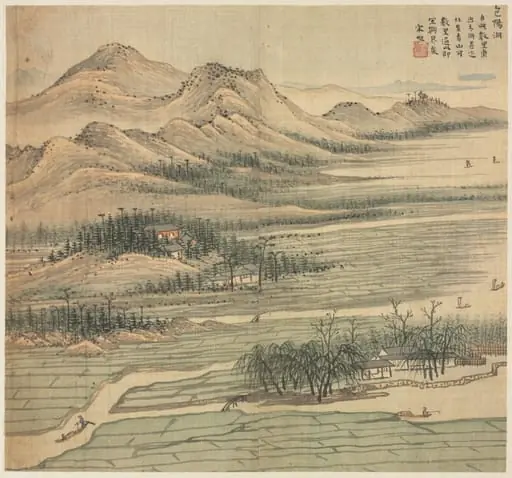
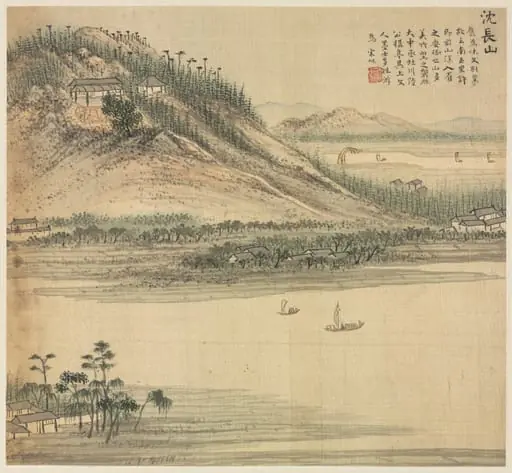
The painting shows a scenic view of Lake Tai and its surroundings.
It's a detailed depiction of the region.
The artist likely visited this place, which is why it's so detailed.
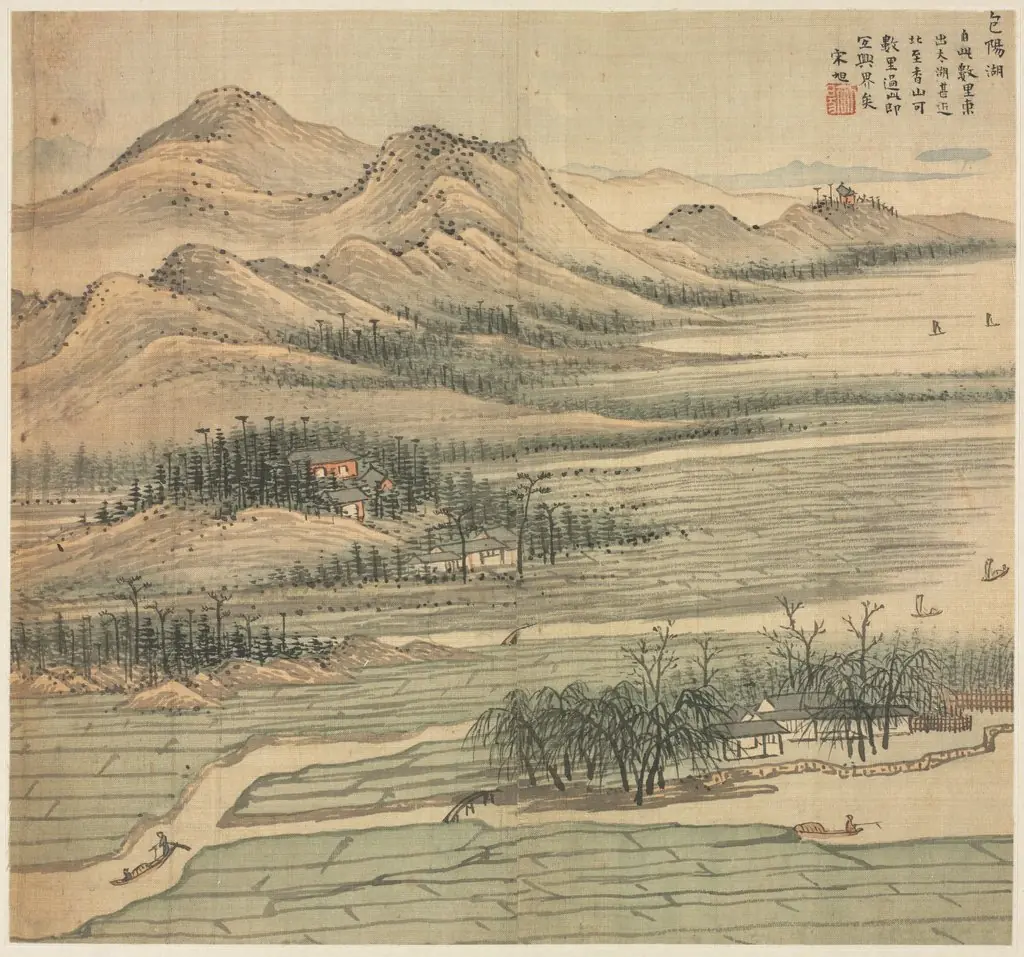
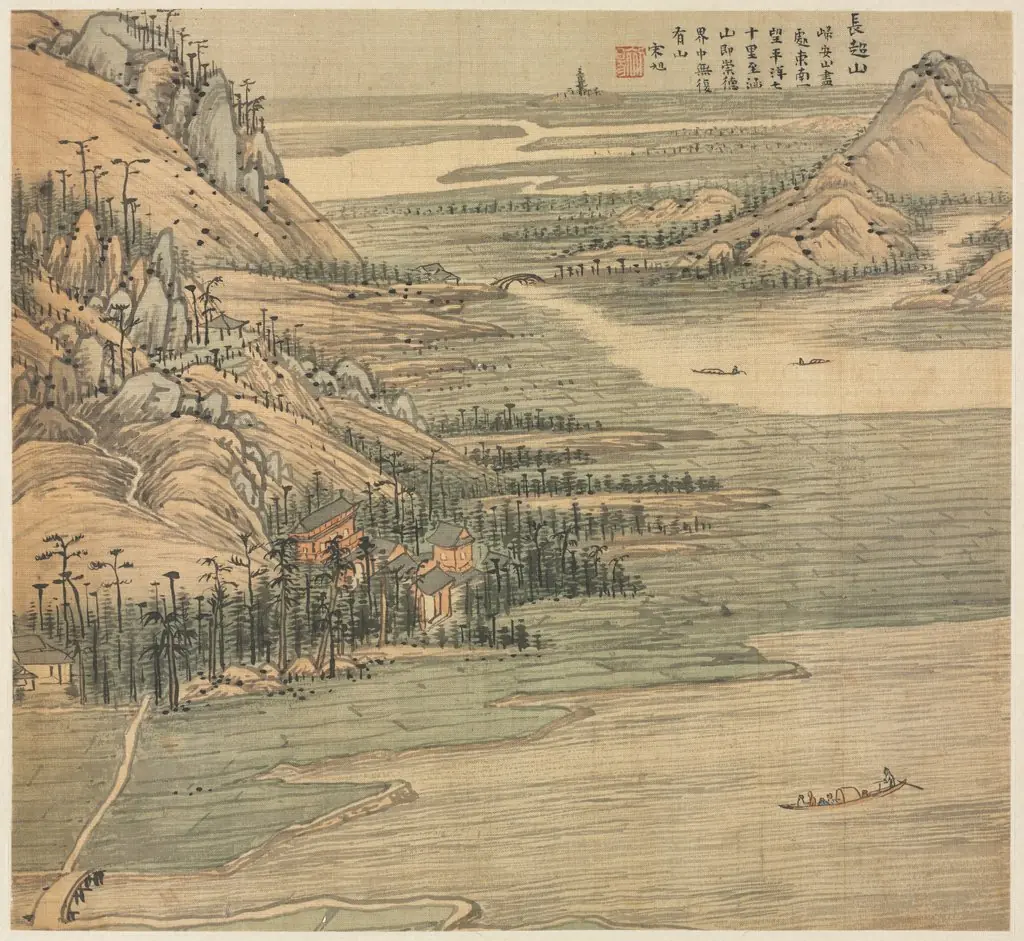
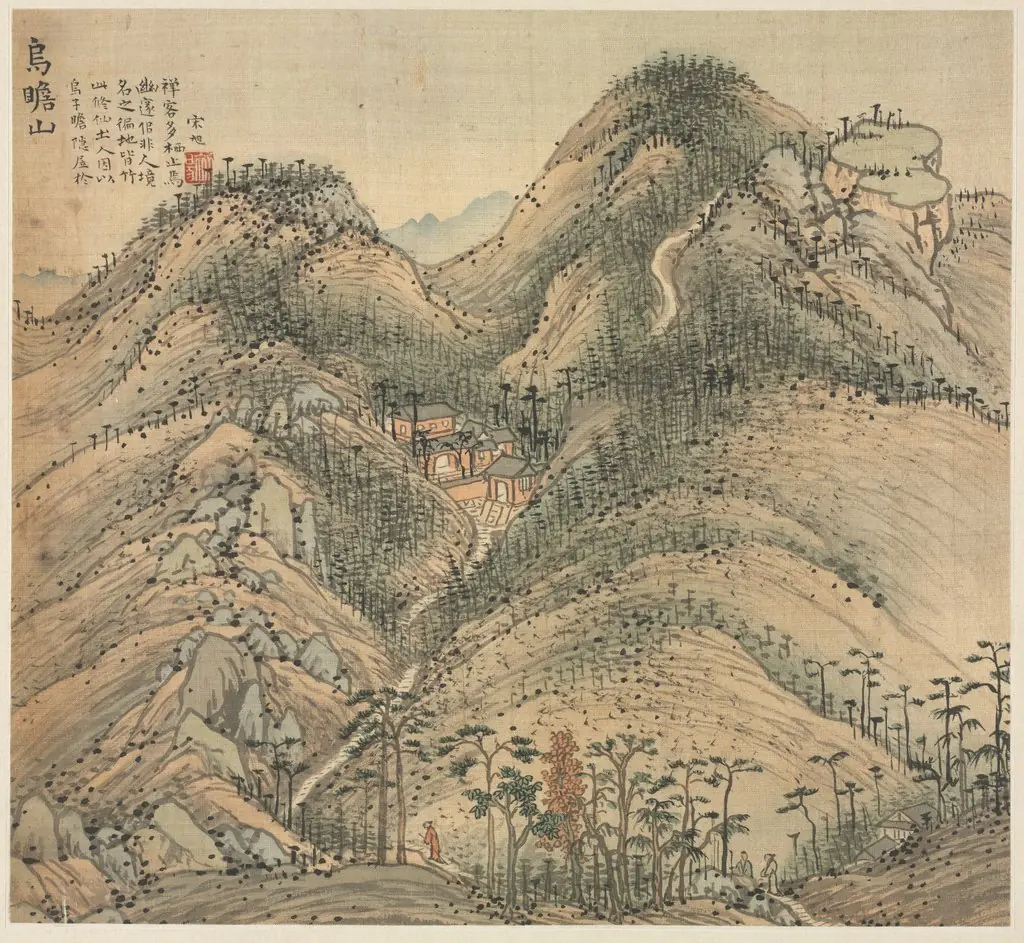
The painting is part of an album that illustrates sites around Lake Tai.
It shows the local scenery and topography.
The inscriptions on the painting provide more information about the region.
You can learn more about this style by looking at the work of the artist: Song Xu (Chinese, 1525-c. 1606).
Overview
Xiaomei is a painting from an album illustrating sites around Lake Tai, specifically the counties of Changxing and Wuxing (now Huzhou), created during the 16th century.
Subject & Meaning
The painting depicts a detailed scenic view of Lake Tai and its surroundings, reflecting the artist's firsthand knowledge of the region, likely gathered during boat travel. Inscriptions provide gazetteer-like information, suggesting the album's purpose was commemorative, as a travel guide, or for 'armchair travel'.
Technique & Style
While specific techniques used in Xiaomei are not detailed here, the work embodies the flourishing topographical depiction style of the lower Yangzi delta during the 1500s, characterized by meticulous renderings of local scenery.
History & Provenance
Attributed to Song Xu (1525-c. 1606), who frequently traveled between Jiaxing and Songjiang, thus familiarizing himself with the Wuxing area. The album's production was likely commissioned for clients.
Context
Part of a broader 16th-century phenomenon in the lower Yangzi delta where visits to historic and scenic sites spurred the creation of printed illustrated travel books and detailed topographical paintings.
Legacy
As part of Song Xu's oeuvre, Xiaomei contributes to the understanding of 16th-century Chinese topographical painting and the cultural practice of 'armchair travel' through art.
Own this work as a print
Artist & collection