Artwork
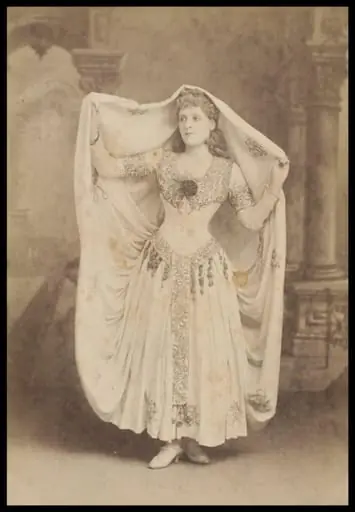
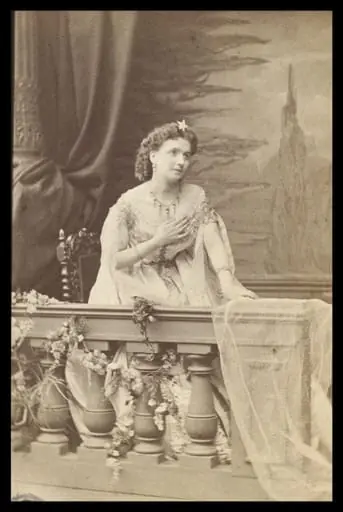
Guy Little Theatrical Photograph
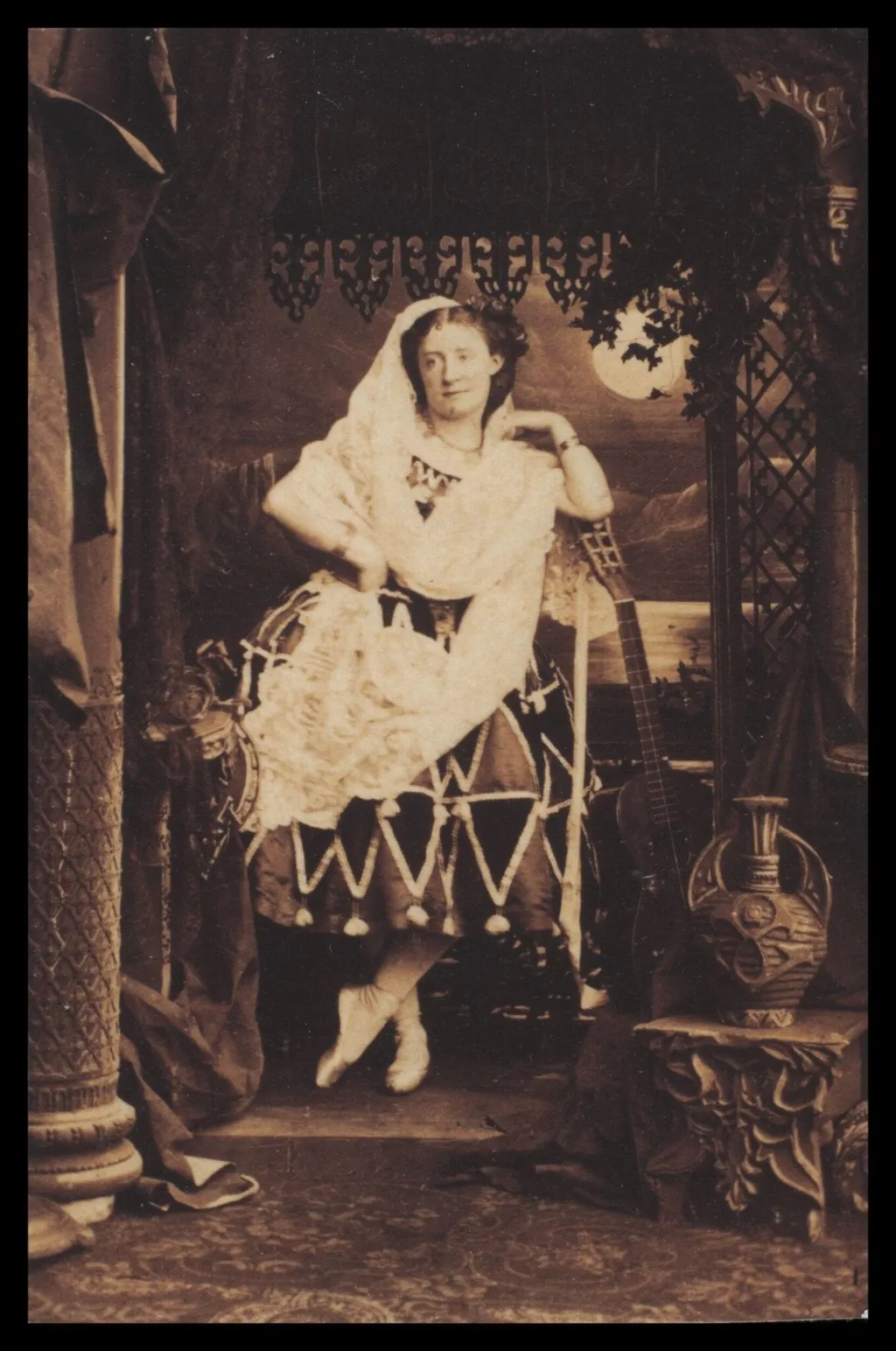
Guy Little Theatrical Photograph is a photographic photography by Southwell Brothers. It dates from 1850 and is held in the collection of the Victoria and Albert Museum.
About this work
Overview
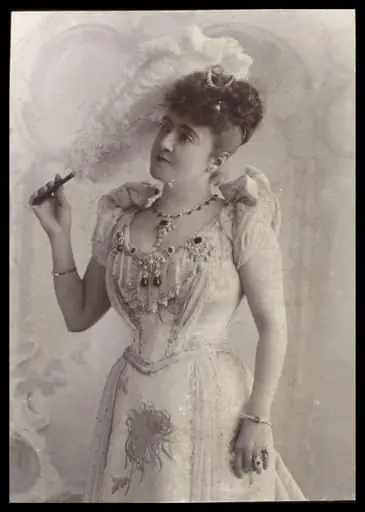
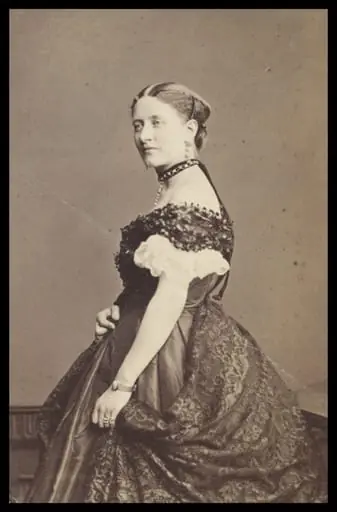
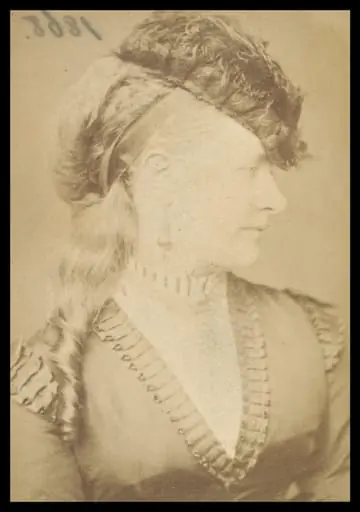
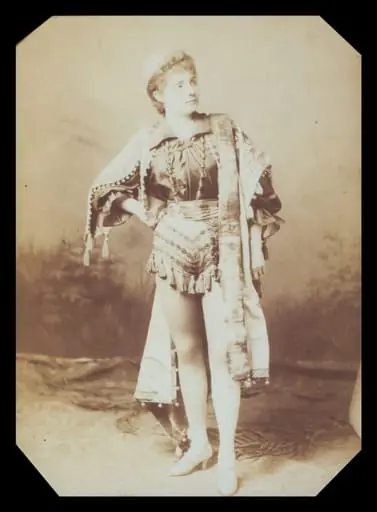
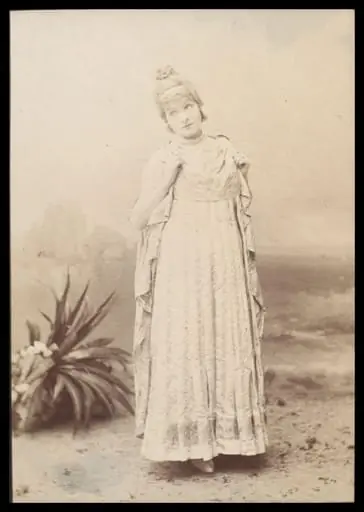
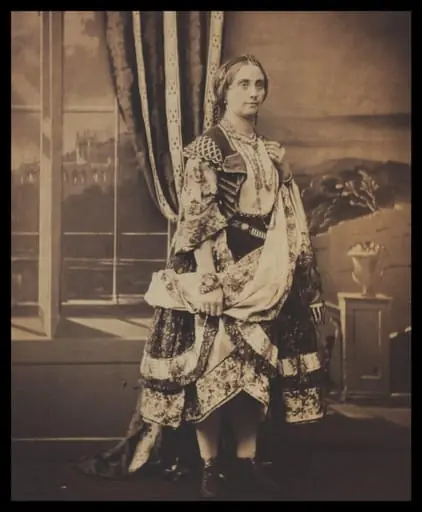
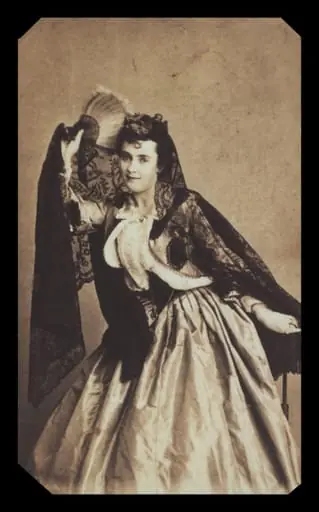
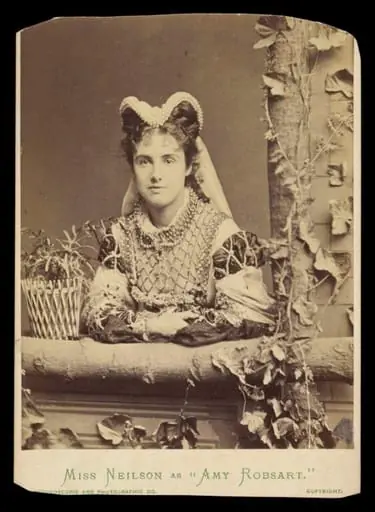
This albumen print photograph depicts the Victorian actress Lydia Thompson, taken by the Southwell Brothers in the late 19th century.
This albumen print photograph depicts the Victorian actress Lydia Thompson, taken by the Southwell Brothers in the late 19th century. It was originally produced as a carte de visite—a small, card-mounted image popular for personal collection. The photograph is part of a larger assemblage compiled by Guy Tristram Little, a solicitor and avid collector of theatrical memorabilia, later donated to the Victoria and Albert Museum.
Subject & Meaning
Lydia Thompson was a prominent stage performer known for her roles in burlesque and comic theatre during the 1860s and 1870s. Her image, captured in theatrical costume, served not only as a promotional tool but also as a cultural artifact reflecting public fascination with celebrity. These photographs allowed audiences to maintain a personal connection with performers, transforming stage fame into domestic collectibles.
Technique & Style
The image is an albumen print made from a glass negative, a standard photographic process of the era. Mounted on stiff card, it follows the standard dimensions of a carte de visite, approximately 2.5 by 4 inches. The Southwell Brothers employed careful lighting and posed composition to emphasize theatricality, aligning the portrait with the performative identity Thompson cultivated on stage.
History & Provenance
The photograph was once part of Guy Tristram Little’s personal collection of theatrical photographs, which he meticulously mounted in albums after removing them from their original card mounts. Little, a partner in a London law firm, inherited and preserved materials from Gabrielle Enthoven’s extensive theatre archive. His bequest formed a foundational component of the V&A’s Theatre Collections.
Context
During the mid-to-late 19th century, cartes de visite became a mass phenomenon, with millions produced annually. Beyond celebrities, they featured royalty, landscapes, and artworks, functioning as both souvenirs and social currency. Their popularity declined after the 1880s as cabinet cards and later postcards gained favor, marking a shift in how the public engaged with visual culture.
Legacy
Little’s collection preserved a wide spectrum of theatrical imagery that might otherwise have been lost. The photograph of Thompson, now housed at the V&A, contributes to scholarly understanding of Victorian performance culture and the role of photography in shaping public memory. It stands as a tangible link between the ephemeral world of the stage and the enduring archive of visual history.
Artist & collection
Artist