Artwork
Guy Little Theatrical Photograph
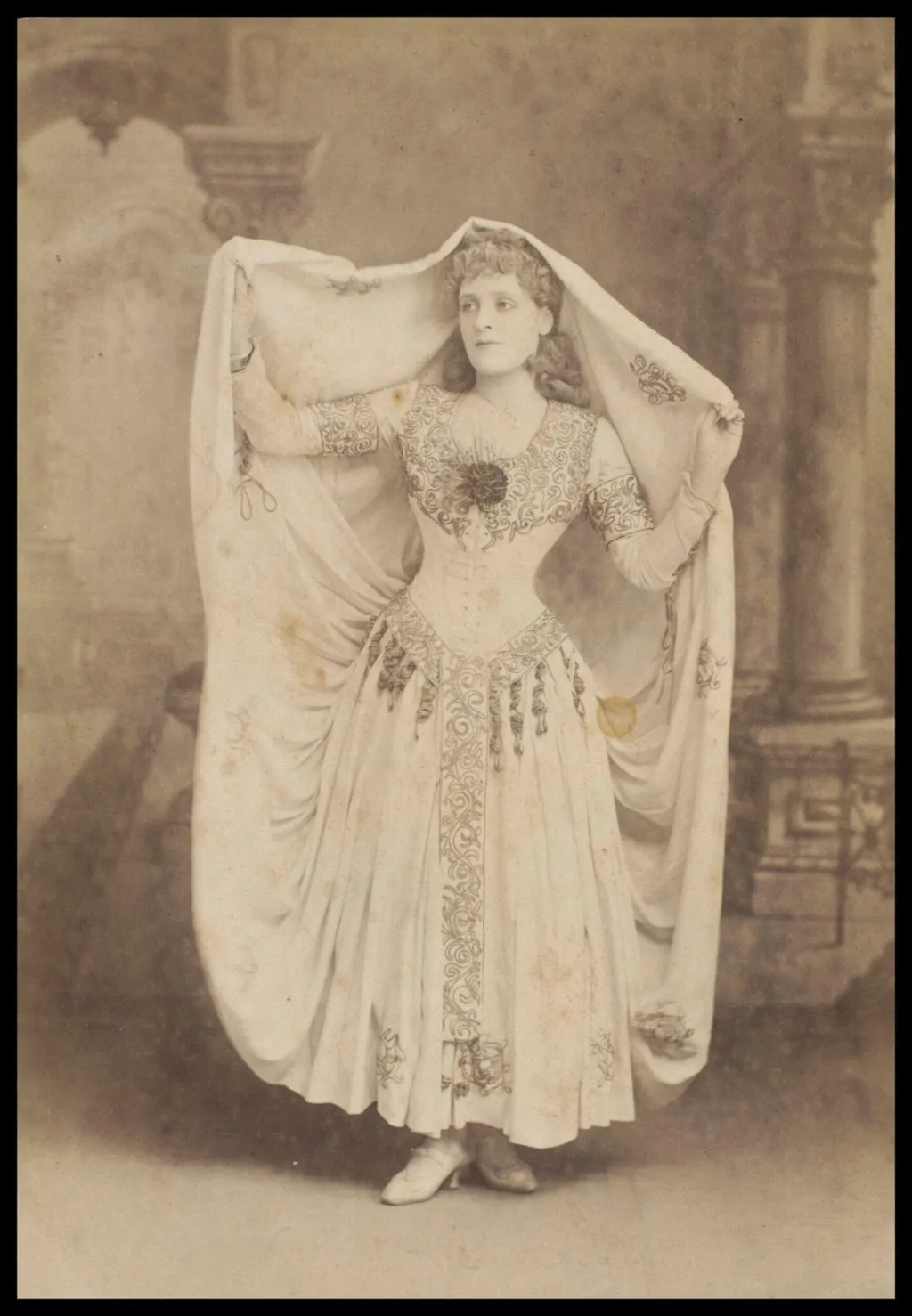
Guy Little Theatrical Photograph is a photographic photography by the Impressionist artist W. & D. Downey. It dates from 1889 and is held in the collection of the Victoria and Albert Museum.
About this work
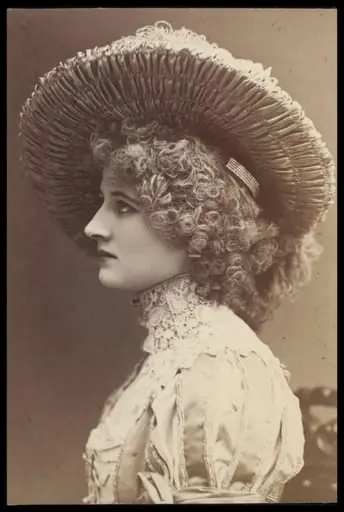
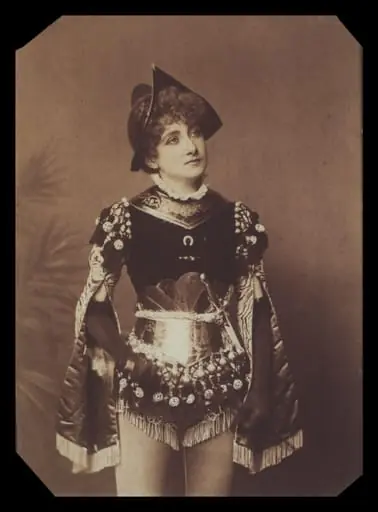
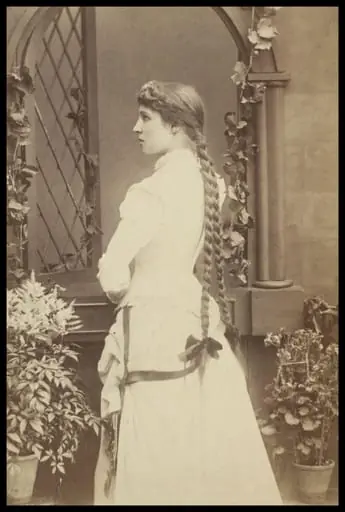
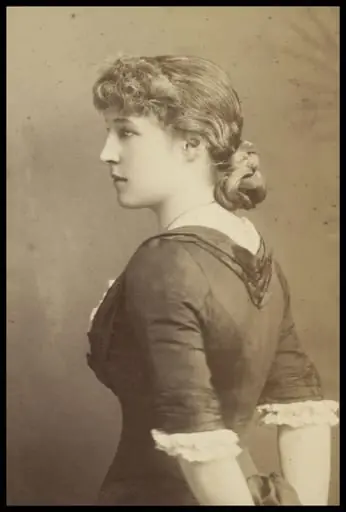
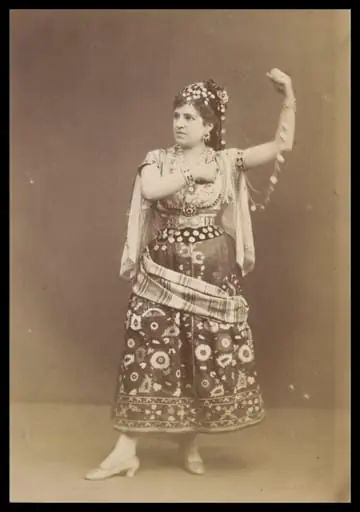
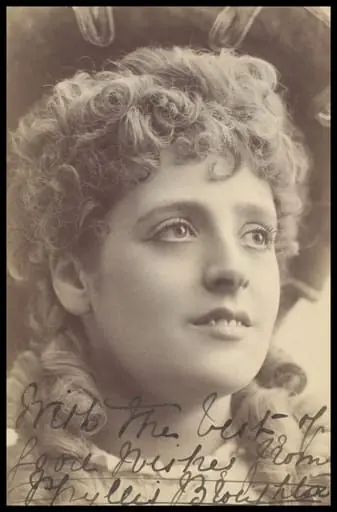
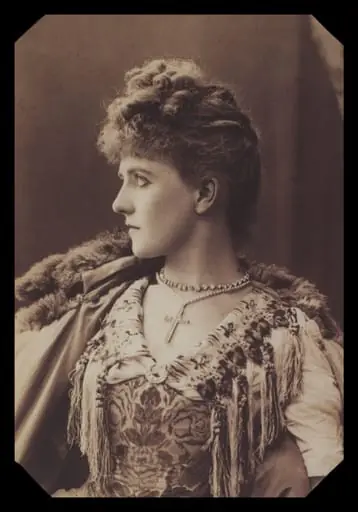
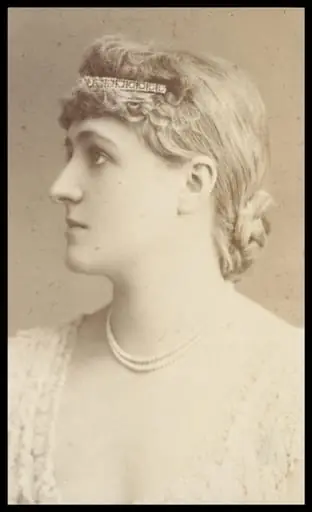
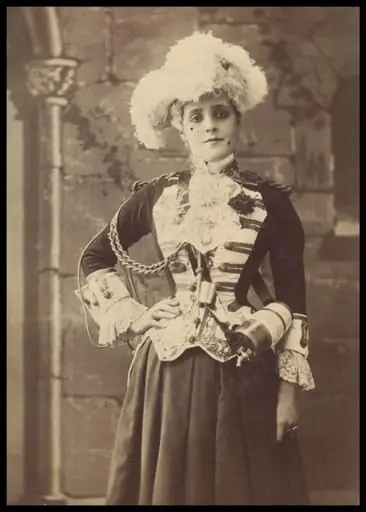
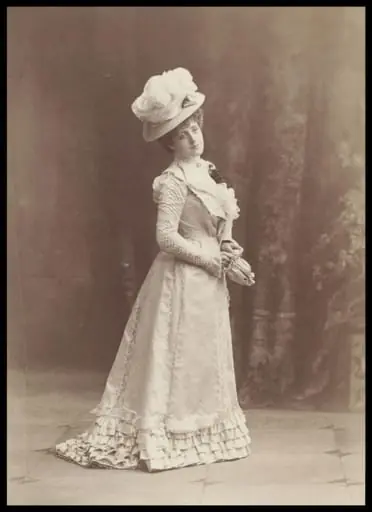
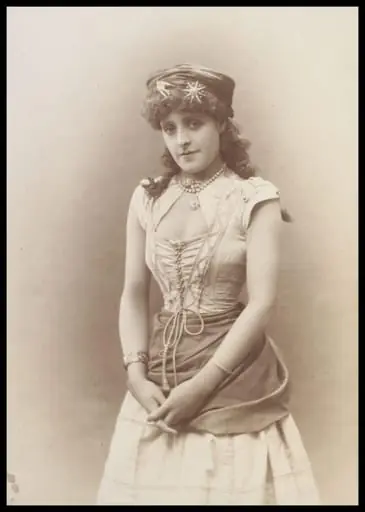
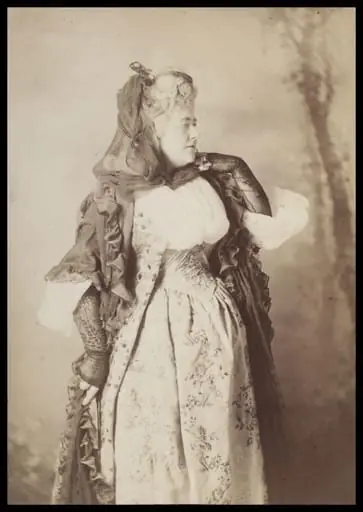
Photographers W. & D. Downey took this 1889 picture of Phyllis Broughton in costume as Cicely. It’s an albumen print on card, a “cabinet card” meant for fans.
Before phones, these cards let people collect portraits of actors like trading cards. They were cheap, colorful, and easy to share.
Check out the Victoria and Albert Museum for more of their collection.
Overview
This photograph is part of a personal collection assembled by Guy Tristram Little, a solicitor and avid collector of ephemeral visual materials.
This photograph is part of a personal collection assembled by Guy Tristram Little, a solicitor and avid collector of ephemeral visual materials. Taken in 1889 by the studio W. & D. Downey, it is a cabinet card—an albumen print mounted on stiff card—originally produced for public sale. Little removed such images from their original backings and mounted them systematically in albums, preserving them as cultural artifacts rather than commercial souvenirs.
Subject & Meaning
The image captures Phyllis Broughton in costume as Cicely, a character from the play Marjorie, performed at the Prince of Wales Theatre. Such portraits served as tangible connections between audiences and performers, allowing fans to own a likeness of their favorite actors. Unlike formal portraits, these images emphasized theatrical identity, reinforcing the performer’s public persona through costume and pose rather than personal intimacy.
Technique & Style
The photograph is an albumen print, a common 19th-century process using egg white to bind light-sensitive silver salts to paper, then mounted on cardstock. The Downey studio employed sharp focus and controlled lighting to highlight costume details and facial expression. The card’s border and printed studio name reflect standard commercial practices of the time, balancing aesthetic appeal with branding for mass distribution.
History & Provenance
The photograph entered the Victoria and Albert Museum’s collection through Guy Little’s bequest. He inherited and expanded upon the theatrical archive of Mrs. Gabrielle Enthoven, whose own collecting laid the foundation for the museum’s theater holdings. Little’s meticulous mounting and preservation of cabinet cards and cartes de visite transformed disposable memorabilia into a structured historical record of Victorian stage culture.
Context
Cabinet cards replaced cartes de visite in the late 1870s, offering a larger format suited to detailed theatrical portraits. Their popularity coincided with the rise of professional theater as mass entertainment and the growth of celebrity culture. These cards circulated widely among middle-class households, functioning as both personal mementos and social currency, exchanged and displayed much like modern collectibles.
Legacy
Little’s collection, now held by the V&A, preserves a snapshot of Victorian theatrical fandom. By rescuing these images from commercial decay and organizing them systematically, he ensured their survival as primary sources for studying performance, costume, and public reception. The archive remains a vital resource for understanding how theater intersected with everyday visual culture in the late 19th century.
Artist & collection
Artist
These sisters turned a London studio into a backstage pass for Victorian theater.