Artwork
Köhler, Johann Nepomuk
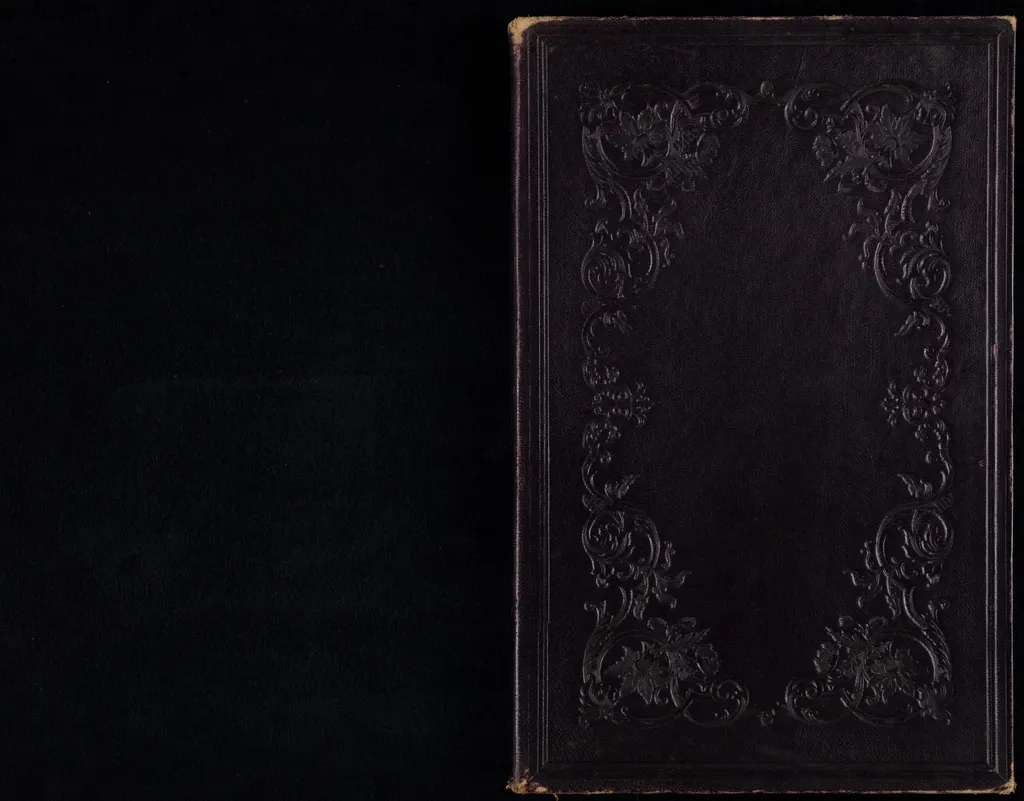
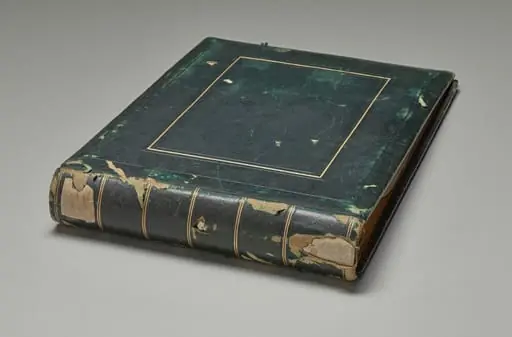
Köhler, Johann Nepomuk is a photography by the Impressionist artist Moritz. Fig. Spiegel. It dates from 1861 and is held in the collection of the Library of the Wroclaw University. This object is a bound volume from 1861, attributed to the artist Moritz Fig.
About this work
Overview
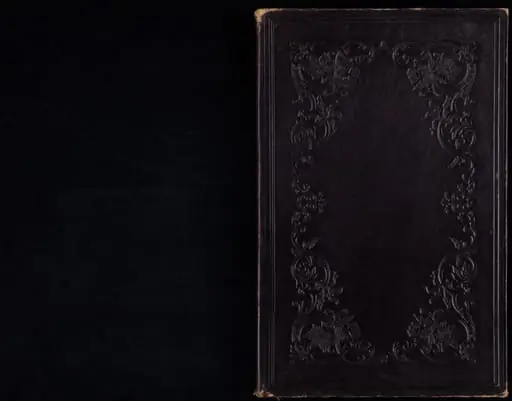
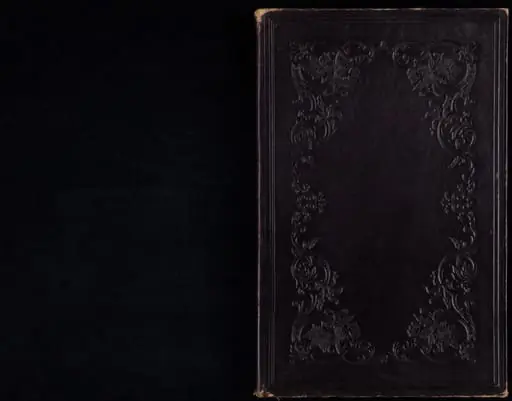
Raised ornamental patterns along the spine indicate skilled hand-tooling, typical of high-quality 19th-century bookbinding practices.
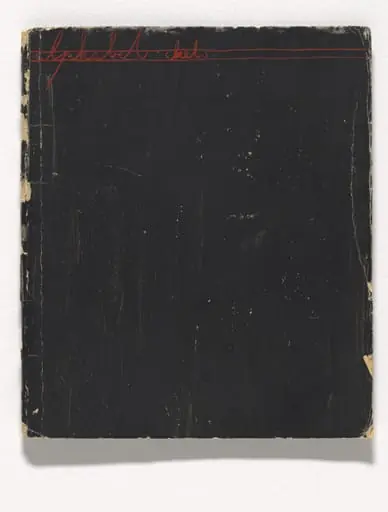
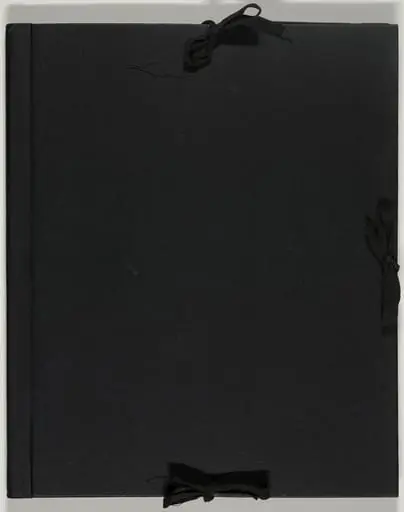
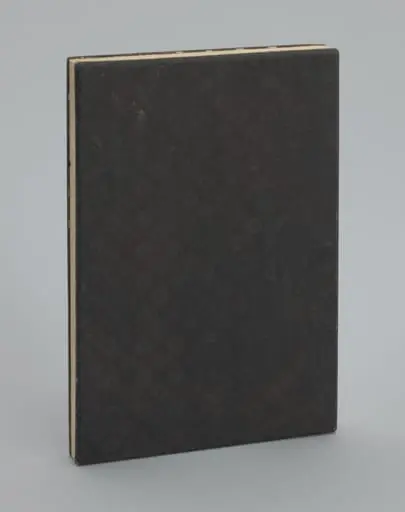
This object is a bound volume from 1861, attributed to the artist Moritz Fig. Spiegel. Its physical form suggests it was crafted as a deliberate artifact rather than a mass-produced text. The deep black cover, worn at the edges, conveys age and use. Raised ornamental patterns along the spine indicate skilled hand-tooling, typical of high-quality 19th-century bookbinding practices. It is held in the collection of the Museum of Ethnography.
Subject & Meaning
The title 'Köhler, Johann Nepomuk' likely refers to an individual, possibly a collector, scholar, or subject of ethnographic interest. The book’s formal binding implies it contained significant material—perhaps personal papers, field notes, or curated records. The choice of elaborate decoration may signal the importance of its contents or the status of its owner, reflecting a cultural practice of honoring knowledge through material care.
Technique & Style
The cover features hand-carved, swirling motifs resembling botanical forms, executed in relief against a smooth black surface. The technique suggests the use of metal stamps or leather tooling, common in Central European bookbinding of the period. The raised designs are both decorative and protective, reinforcing the spine’s structural integrity. Wear along the edges indicates prolonged handling, consistent with a working volume rather than a ceremonial object.
History & Provenance
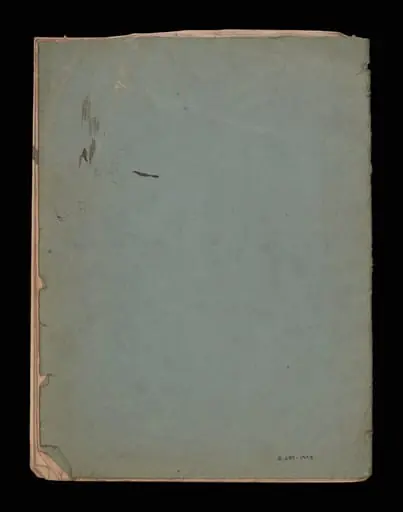
Created in 1861, the volume entered the collection of the Museum of Ethnography at an unknown date. Its origin as a personal or institutional artifact remains undocumented. The absence of internal pages in the description suggests it may now exist only as a bound shell, possibly separated from its original contents. Its survival as a standalone object reflects its value as a material artifact beyond textual content.
Context
In mid-19th-century Europe, detailed bookbinding was often reserved for scholarly, religious, or aristocratic works. The ornamental style here aligns with trends in Central European craftsmanship, where natural motifs symbolized permanence and intellectual cultivation. This object likely emerged from a milieu that valued the physical embodiment of knowledge, linking ethnographic collecting with the aesthetics of preservation.
Legacy
As a preserved example of 19th-century bookbinding, it contributes to understanding how knowledge was physically safeguarded and presented in ethnographic contexts. Its survival without its contents invites reflection on the relationship between material form and intellectual heritage. It remains a quiet testament to the care once invested in documenting human cultures through tangible objects.
Artist & collection
Artist
Portrait painter active around 1861, Moritz Fig. Spiegel specialized in small-scale likenesses of sitters from central Europe. In our gallery you’ll find his *Hahn, Bernhard sen.* oil, a quiet study of a seated…