Artwork
STUDIU - PODUL TURCULUI
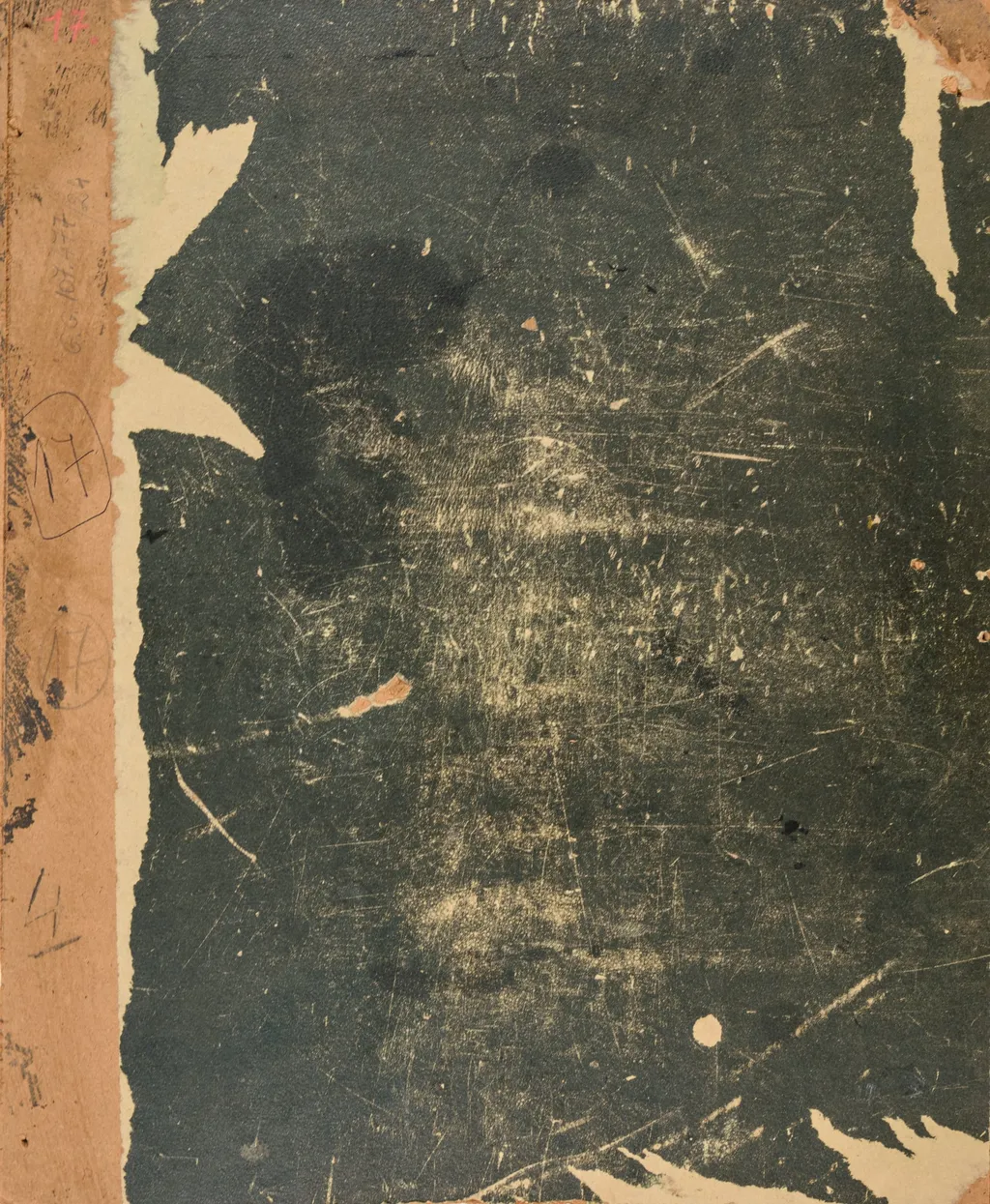
STUDIU - PODUL TURCULUI is a print by Alexandru Phoebus. It dates from 1923 and is held in the collection of the National Museum of Art of Romania.
About this work
Overview
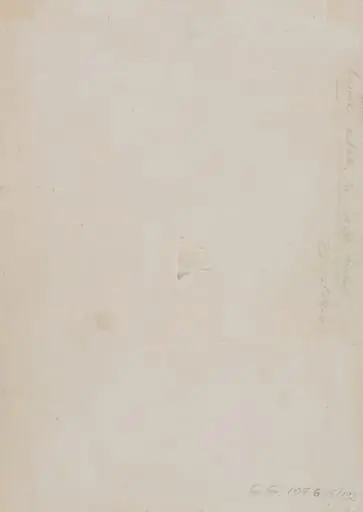
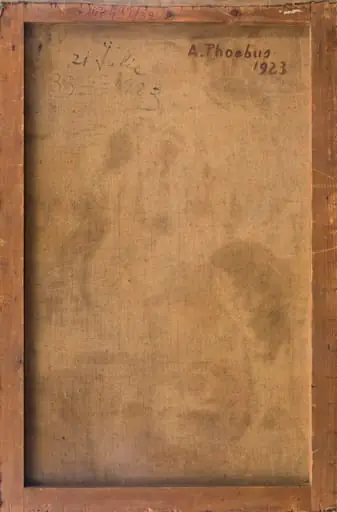
Its tonal range is dominated by dark areas, with faint, scattered light marks suggesting partial exposure or erosion.
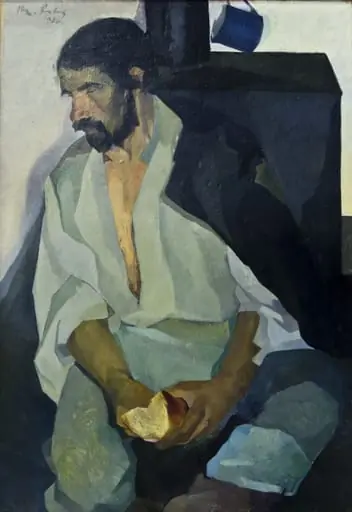
Created in 1923 by Alexandru Phoebus, this work is a printed study titled STUDIU - PODUL TURCULUI. The surface bears signs of age—fading, uneven edges, and subtle water or light damage. Its tonal range is dominated by dark areas, with faint, scattered light marks suggesting partial exposure or erosion. The composition resists clear definition, offering only ambiguous forms rather than a legible scene.
Subject & Meaning
The title references a bridge in Bucharest, yet the image does not depict it literally. Instead, it conveys a mood through abstraction—faded traces hint at architecture or landscape, but the forms dissolve into texture and shadow. The presence of small scribbles along the edge suggests personal annotation, possibly preparatory thoughts or observational notes, reinforcing the work’s function as a private study rather than a finished piece.
Technique & Style
The print employs a restrained tonal palette, relying on contrast and erosion rather than sharp lines. Light areas appear worn or bleached, while dark regions retain density, creating a sense of atmospheric decay. The irregular edges and scattered marks imply hand-printing or experimental processing, possibly using a relief or intaglio method with minimal ink. The effect aligns with early 20th-century explorations of print as a medium for mood over detail.
History & Provenance
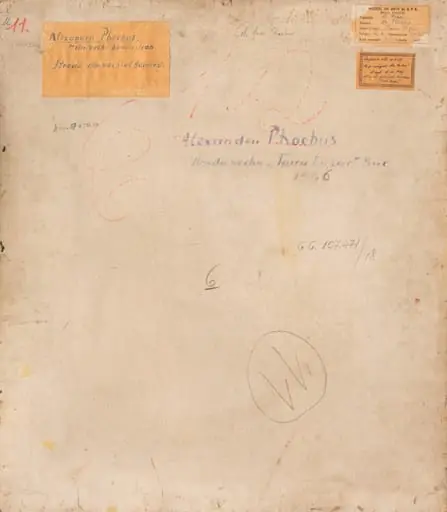
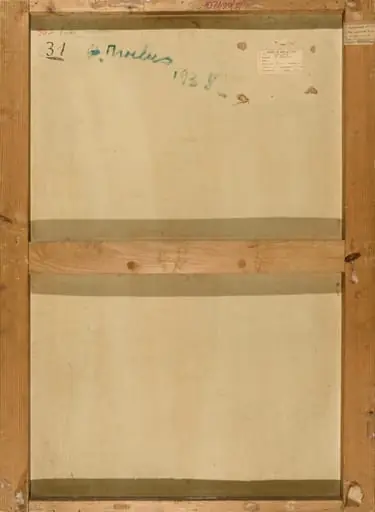
This work originates from Phoebus’s personal archive of studies, likely made during his time in Bucharest. Its condition—worn edges, fading, and incidental marks—suggests it was handled frequently or stored in non-archival conditions. No public exhibition history is documented, and it remains within private or institutional collections as an example of the artist’s lesser-known graphic experiments.
Context
In the early 1920s, Romanian artists were engaging with modernist trends, often blending local themes with experimental techniques. Phoebus, influenced by Symbolist and Expressionist currents, used printmaking to explore transience and memory. This study reflects a broader interest in capturing ephemeral atmospheres rather than literal representation, aligning with contemporaneous European practices that valued process over polish.
Legacy
Though not widely exhibited, STUDIU - PODUL TURCULUI exemplifies Phoebus’s commitment to the quiet, introspective side of printmaking. Its deterioration and ambiguity have become part of its character, offering insight into how artists of the period treated sketches as living documents. It stands as a testament to the value of process in early modern Romanian art, where the unfinished held its own expressive weight.
Artist & collection