Artwork
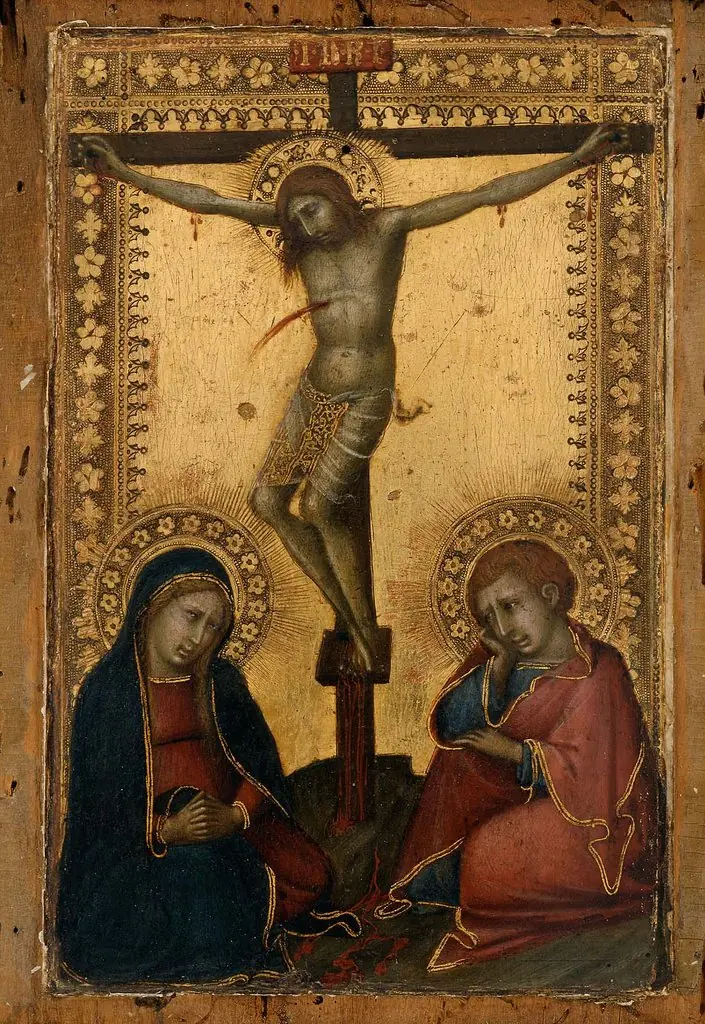
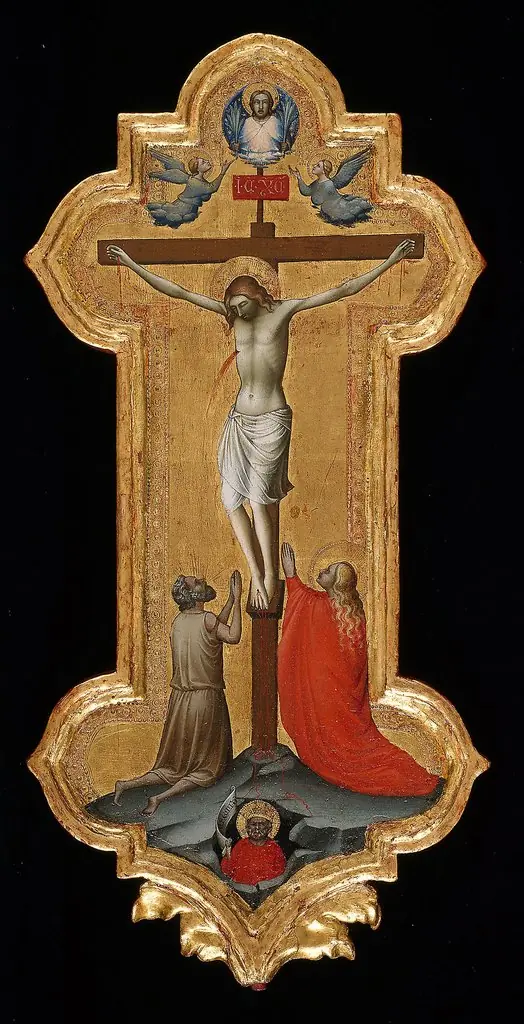
The Crucifixion with the Virgin and Saint John; Saint Anthony Abbot at the Foot of the Cross (one side of a processional banner) (formerly attributed to Barnaba da Modena)
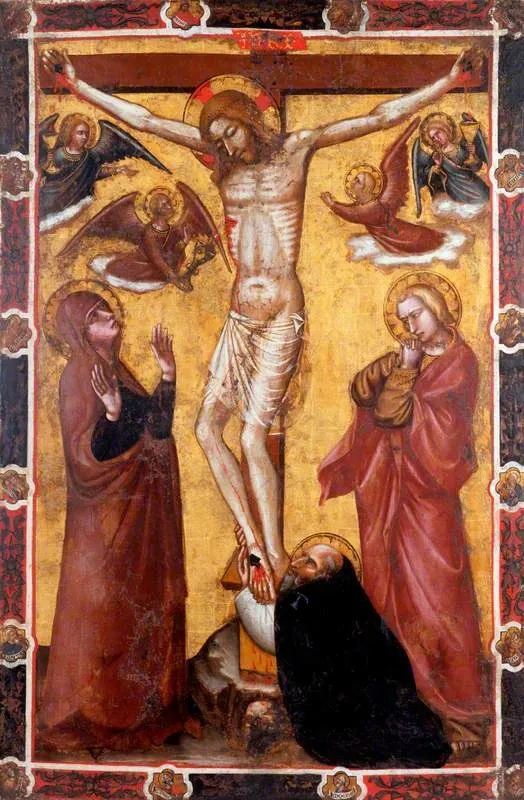
The Crucifixion with the Virgin and Saint John; Saint Anthony Abbot at the Foot of the Cross (one side of a processional banner) (formerly attributed to Barnaba da Modena) is an unspecified painting by the Byzantine icon painting artist Spinello Aretino. It dates from 1370 and is held in the collection of the Victoria and Albert Museum. Created around 1370, this panel forms one side of a liturgical processional banner and depicts the Crucifixion scene.
About this work
Overview
Created around 1370, this panel forms one side of a liturgical processional banner and depicts the Crucifixion scene. Executed by the Italian painter Spinello Aretino, the work is now part of the Victoria and Albert Museum’s collection. Its composition centers on the crucified Christ, flanked by figures traditionally associated with the Passion.
Subject & Meaning
The central figure of Christ on the cross is accompanied by the Virgin Mary and Saint John, who are shown in a posture of mourning. At the foot of the cross stands Saint Anthony Abbot, a hermit saint often invoked for protection. The arrangement underscores themes of sacrifice, sorrow, and intercession within the Christian narrative.
Technique & Style
Rendered in tempera on a wooden panel, the image employs a vivid yellow ground and a decorative red border filled with intricate motifs. The figures are outlined with clear contours, and the use of halos and symbolic colors—red sashes, white shrouds—reflects the International Gothic aesthetic prevalent in late‑fourteenth‑century Italy.
History & Provenance
Originally misattributed to the 14th‑century painter Barnaba da Modena, scholarly reassessment has confirmed Spinello Aretino as the creator. The banner was likely used in processions during religious festivals before entering the museum collection, where it was acquired by the Victoria and Albert Museum in the early twentieth century.
Context
Spinello Aretino worked in the Tuscan and Florentine regions, producing works for both private devotion and public liturgical use. This banner exemplifies the function of portable religious imagery in medieval processions, serving both didactic and devotional purposes for congregations moving through urban streets.
Artist & collection

Artist
Spinello Aretino was an Italian painter from Arezzo, who was active in Tuscany at the end of the 14th and the first decade of the 15th century. His style influenced the development of late 14th- and early 15th-century painting in Tuscany.

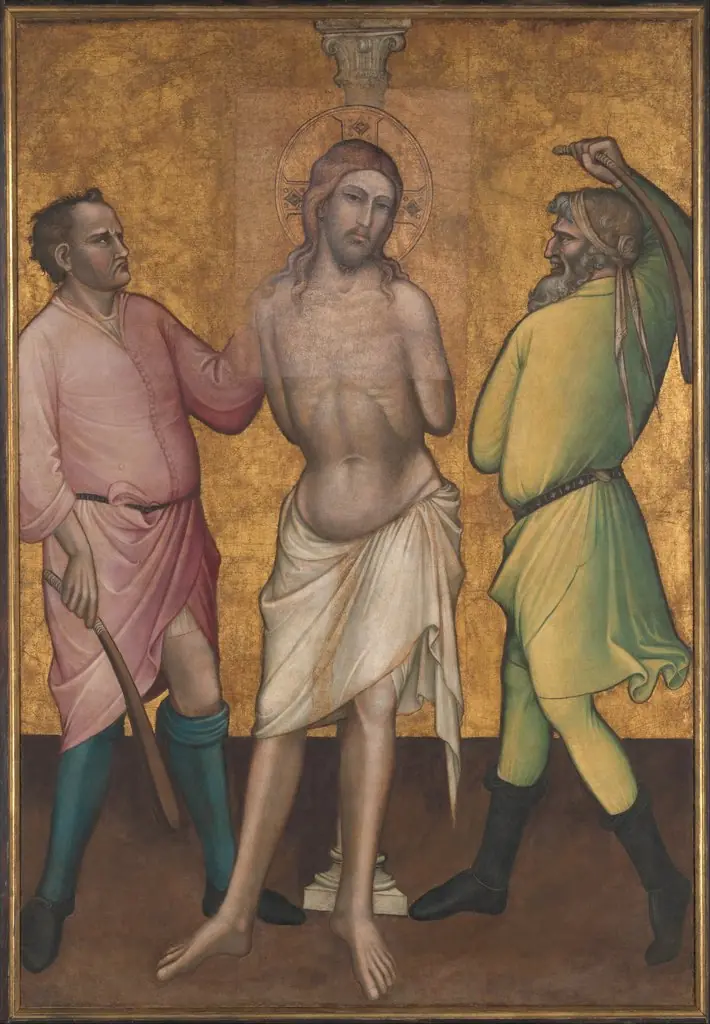 Saint Mary Magdalen Holding a Crucifix; (reverse) The Flagellation
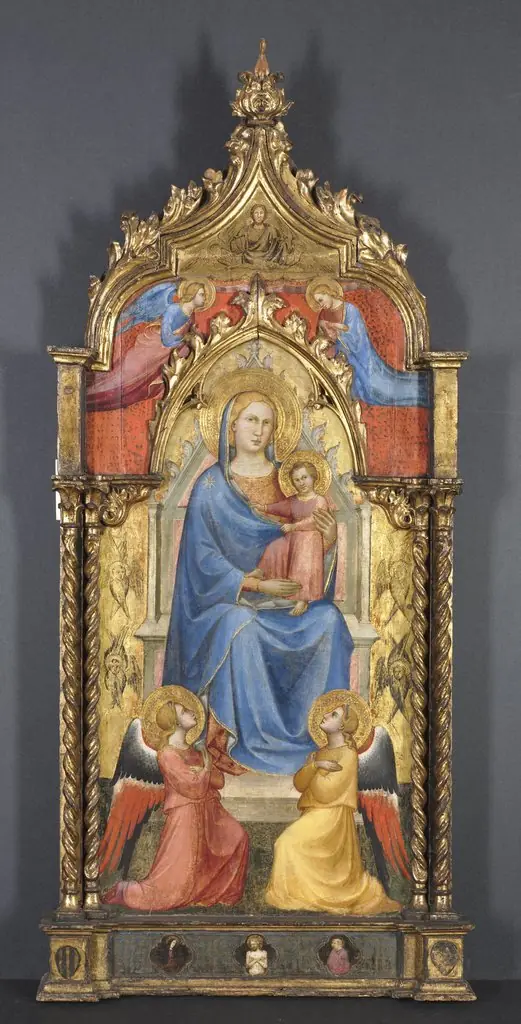 Virgin and Child with Angels
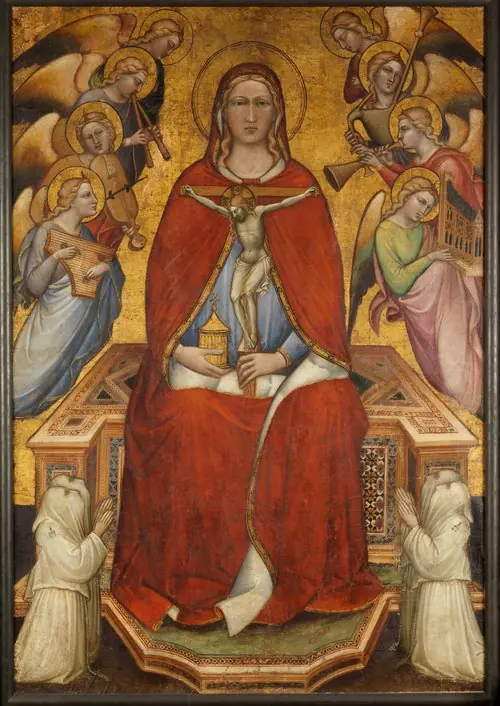 Processional Banner
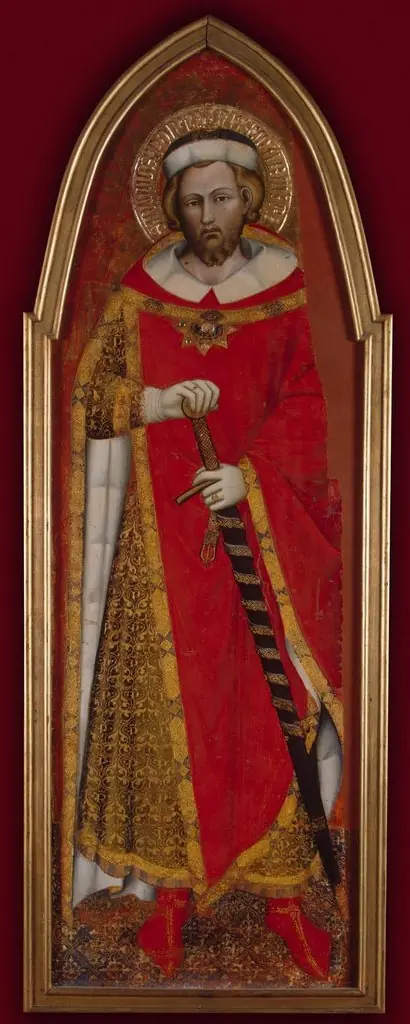 St Pontianus (wing of a polyptych)
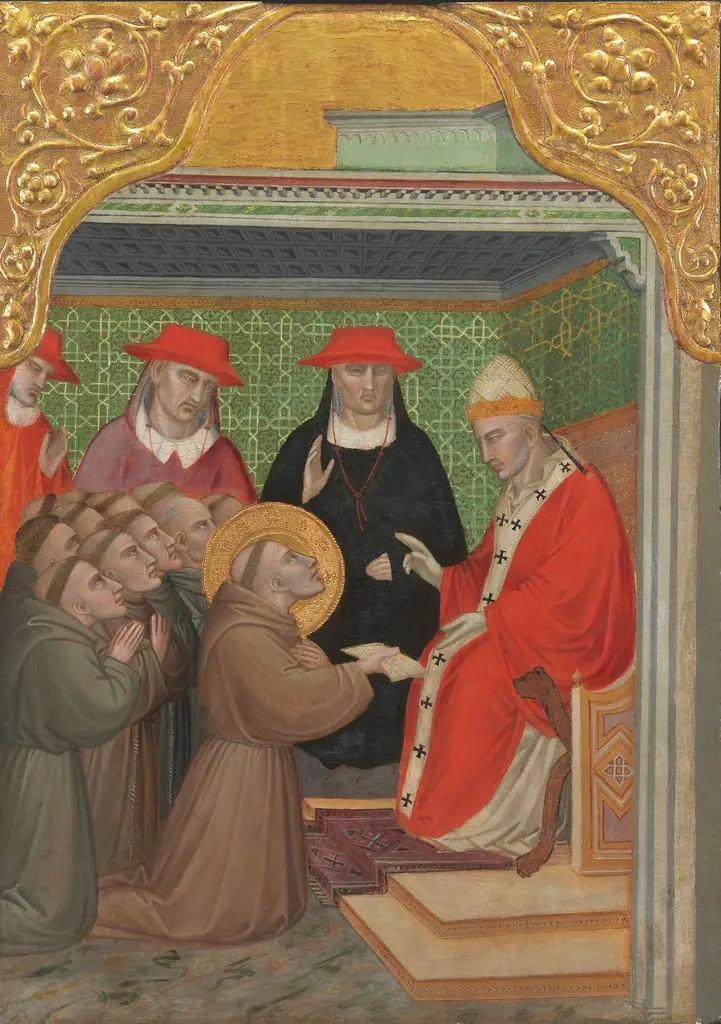 Saint Francis before the Pope (Confirmation of the Franciscan Rule)
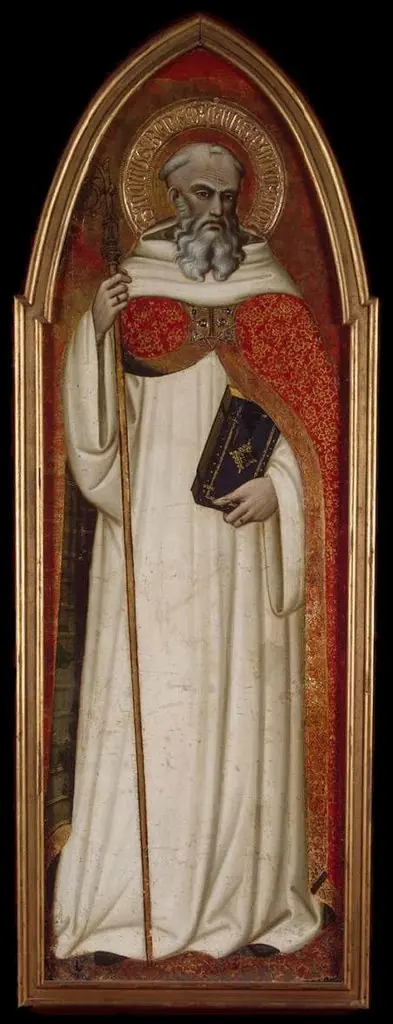 St Benedict (wing of a polyptych)
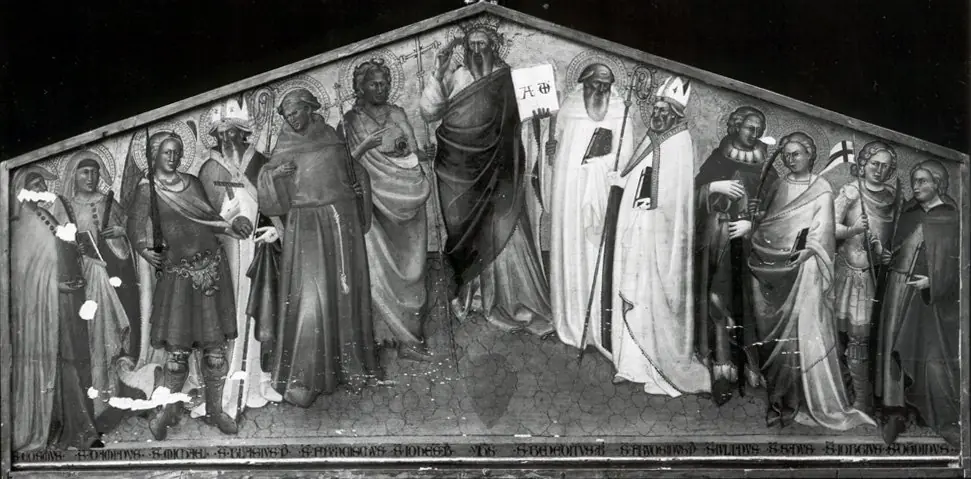 Christ between twelve Saints
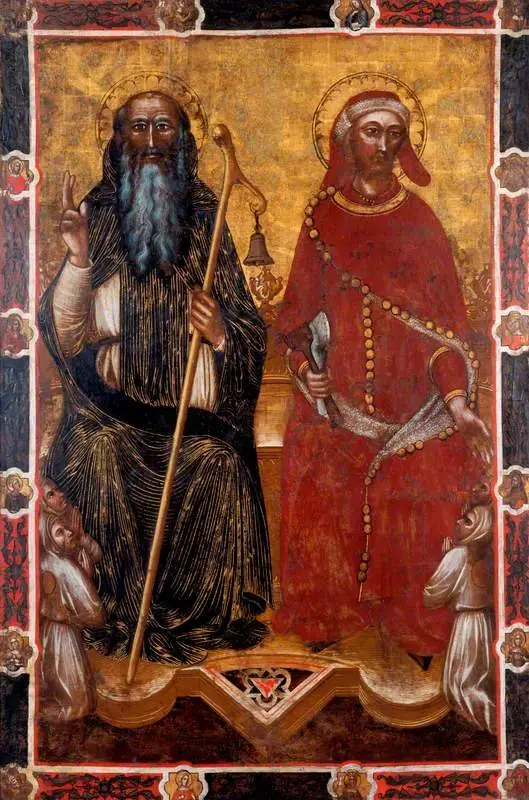 Saint Anthony Abbot and Saint Eligius with Two Pairs of Kneeling Worshippers (one side of a processional banner) (formerly attributed to Barnaba da Modena)