Artwork
Guy Little Theatrical Photograph
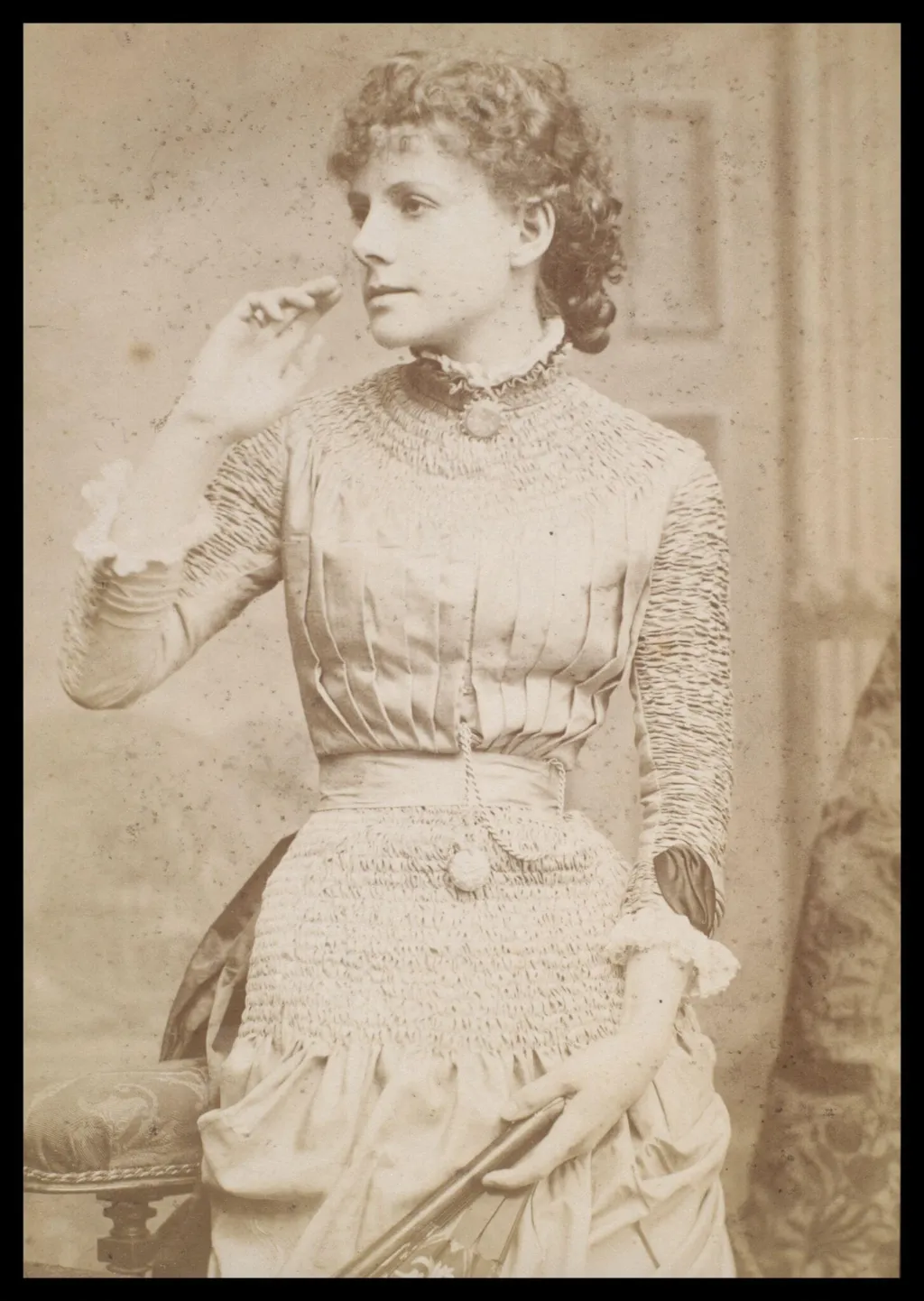
Guy Little Theatrical Photograph is a photographic photography by the Impressionist artist St James's Photographic Studio. It dates from 1882 and is held in the collection of the Victoria and Albert Museum.
About this work
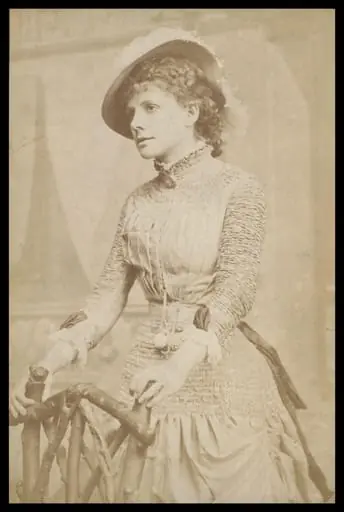
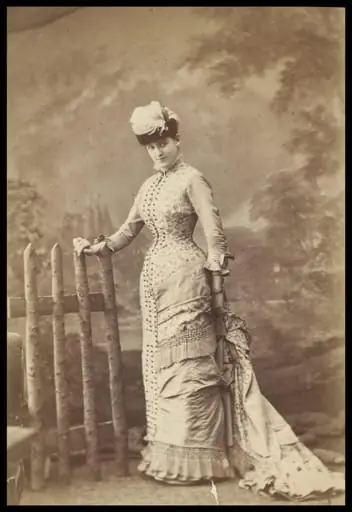
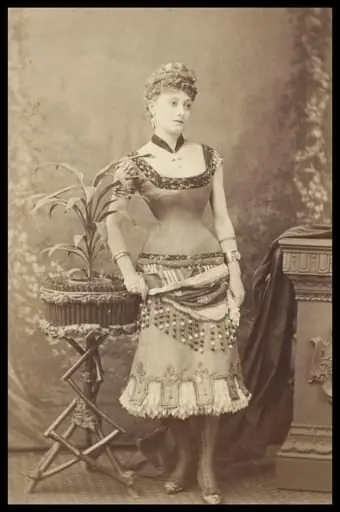
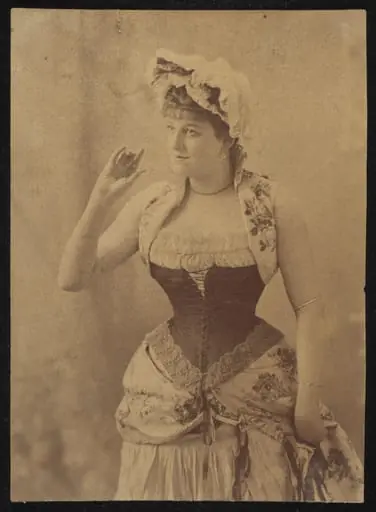
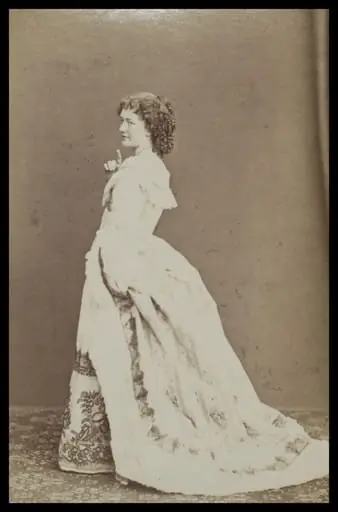
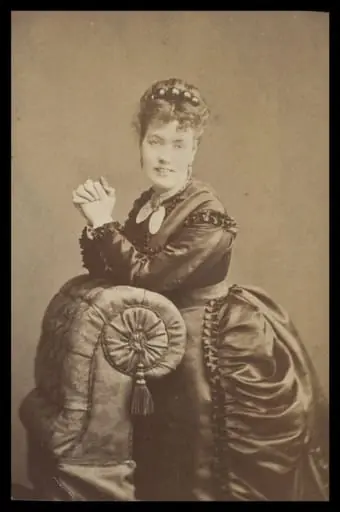
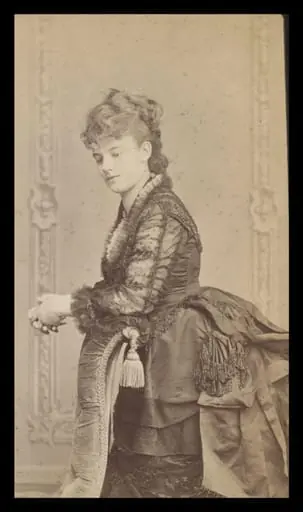
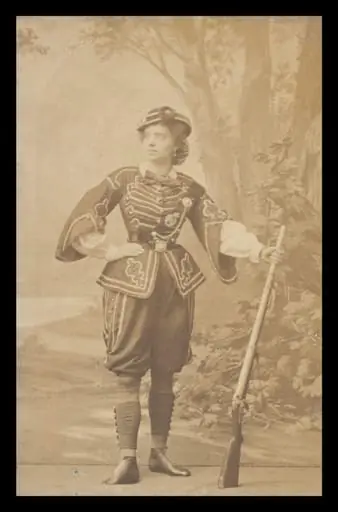
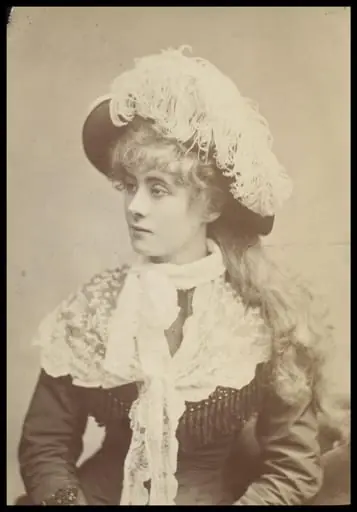
This photo shows Alma Murray playing Georgina in the play Money at the Vaudeville Theatre in 1882. It was taken by St James's Photographic Studio in London.
It’s a cabinet card, a big kind of actor portrait meant for fans. Back then, photos like this were the closest people got to seeing stars in person.
Look up the Victoria and Albert Museum.
Overview
Printed as a cabinet card—an albumen print mounted on thick card—it reflects the era’s popular format for theatrical portraiture.
This photograph, taken in 1882 by St James's Photographic Studio, captures actress Alma Murray in character as Georgina from the play Money at London’s Vaudeville Theatre. Printed as a cabinet card—an albumen print mounted on thick card—it reflects the era’s popular format for theatrical portraiture. The image was later acquired by Guy Tristram Little, a legal professional and avid collector, whose assembled albums of such photographs were bequeathed to the V&A.
Subject & Meaning
Alma Murray portrays Georgina, a character in the play Money, a social drama exploring wealth and morality. The photograph preserves her performance in costume, offering audiences a tangible connection to the stage. In an age before film or broadcast media, these images served as the primary visual record of theatrical roles, allowing fans to engage with actors beyond the live performance.
Technique & Style
The image is an albumen print made from a glass negative, typical of late 19th-century studio photography. Mounted on a cabinet card, it measures larger than earlier cartes de visite, allowing greater detail and presence. The studio lighting and posed composition emphasize the actress’s theatrical expression, while the printed studio name on the card affirms its commercial origin and authenticity.
History & Provenance
The photograph was part of Guy Tristram Little’s personal collection of theatrical memorabilia, which he systematically removed from original card mounts and reassembled into albums. Little, a solicitor and executor of Gabrielle Enthoven’s estate, inherited her extensive theatre-related holdings. His collection, including this image, was donated to the V&A, forming a foundational part of its theatre archives.
Context
During the 1880s, cabinet cards replaced cartes de visite as the preferred format for celebrity portraits, reflecting growing public interest in theatre and performance. These images circulated widely among fans, functioning as both souvenirs and cultural artifacts. The St James’s Studio, like many London photographers of the time, catered to the demand for theatrical imagery, bridging the gap between stage and domestic life.
Legacy
Little’s collection, preserved at the V&A, remains a vital resource for understanding Victorian theatre culture. This photograph, among thousands, documents the visual language of performance before the advent of motion pictures. Its survival offers insight into how audiences interacted with actors, and how photography shaped the public’s perception of theatrical identity in the late 19th century.
Artist & collection
Artist
St James's Photographic Studio
This was the 1880s London studio where every actor wanted their photo taken—big hair, bigger expressions, and a backdrop that screamed “I’m on stage tonight.” Their prints were so sharp you could count the pins in a…