Artwork
Pilgrimage (Ikea)
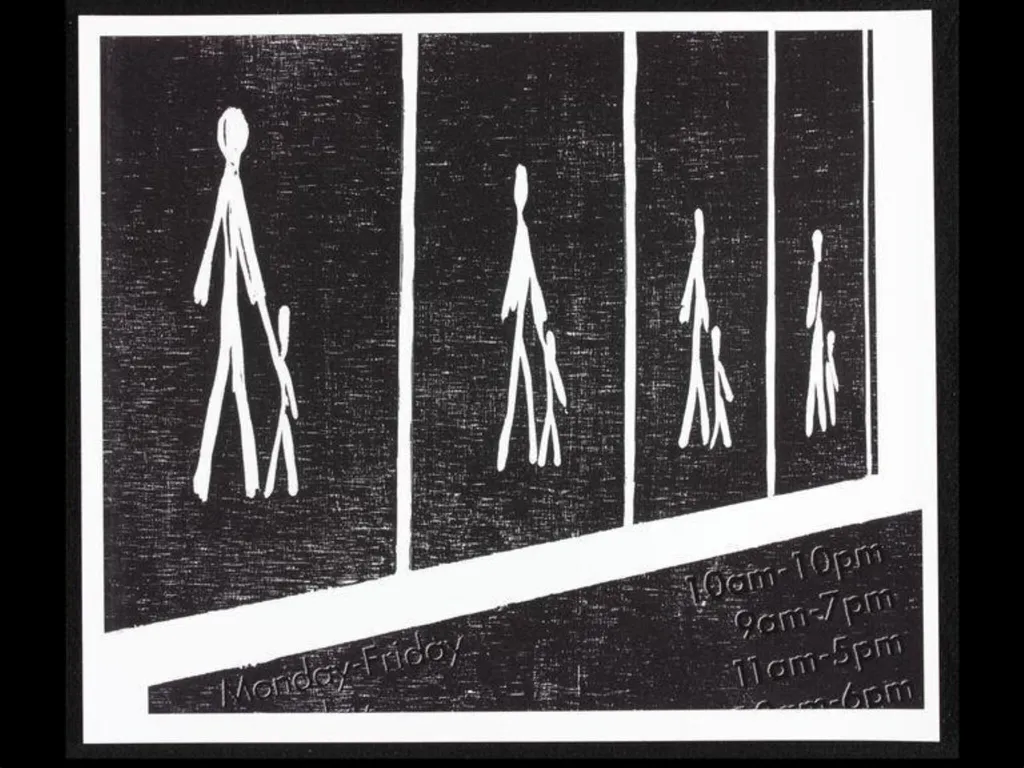
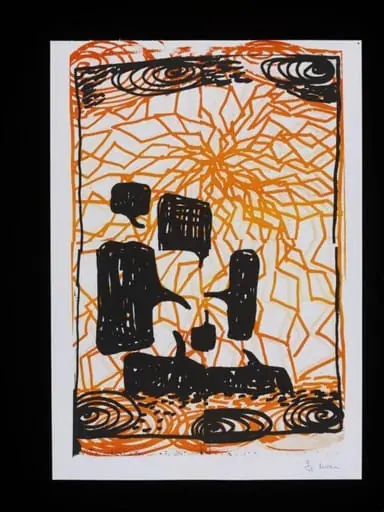
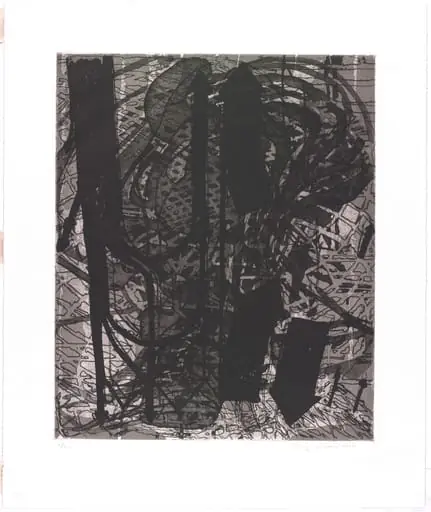
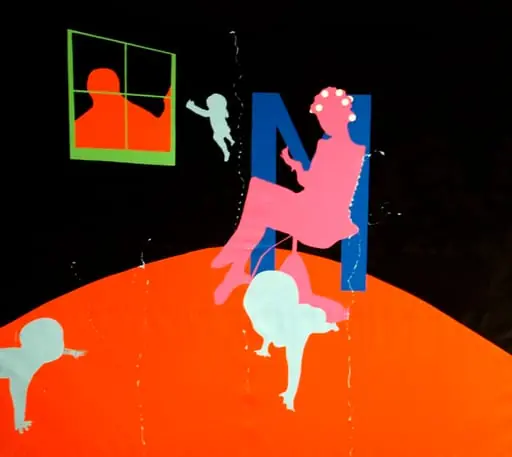
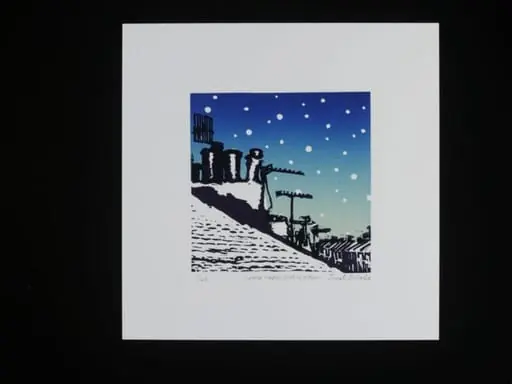
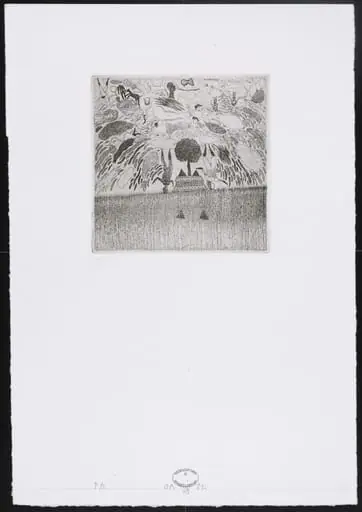
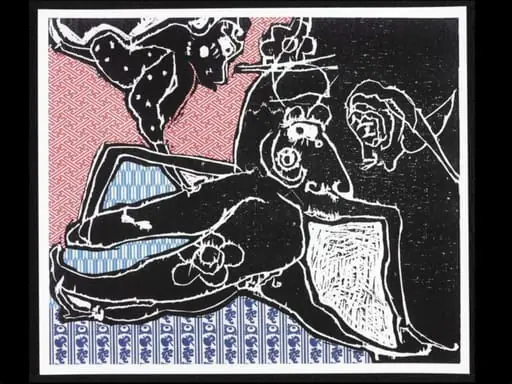
Pilgrimage (Ikea) is a print by Penny Stanford. It dates from 2002 and is held in the collection of the Victoria and Albert Museum.
About this work
The Victoria and Albert Museum holds this print, and it's an example of how artists can mix old and new techniques.
Pilgrimage (Ikea) is a print made by Penny Stanford in 2002.
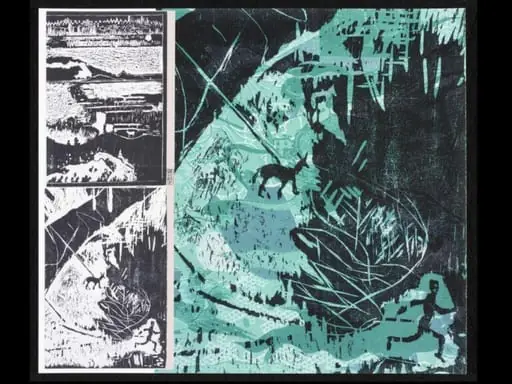
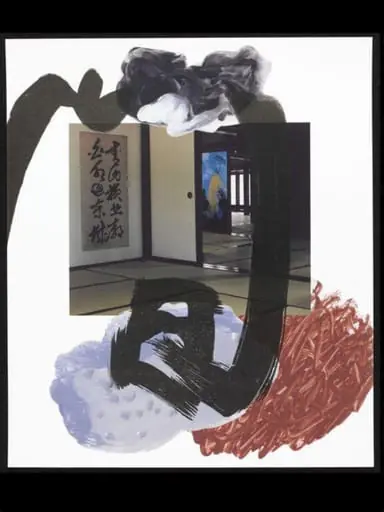
It's part of a project where artists combined traditional woodblock printing with digital technology.
This project was done at a workshop at Wimbledon School of Art.
The Victoria and Albert Museum holds this print, and it's an example of how artists can mix old and new techniques.
You can learn more about this kind of printmaking by looking at the work of artist Stanford, Penny.
Overview
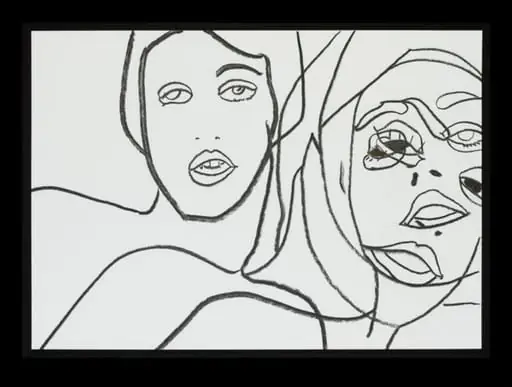
Pilgrimage (Ikea) is a 2002 digital print by Penny Stanford, produced as part of a collaborative project involving nineteen artists from Japan and the UK. The work emerged from a workshop at Wimbledon School of Art, organized by Eyecon—a digital print research unit founded in 1999. The project sought to bridge traditional Japanese woodblock techniques with contemporary digital processes, resulting in a series of prints that reflect hybrid approaches to printmaking.
Subject & Meaning
The title references both spiritual journey and modern consumer culture, juxtaposing the sacred connotations of pilgrimage with the mundane architecture of IKEA. Stanford’s imagery transforms familiar retail spaces into meditative landscapes, inviting reflection on how contemporary life absorbs and redefines ritual. The work does not illustrate a literal journey but evokes the quiet displacement and repetition inherent in globalized environments.
Technique & Style
Stanford combined hand-carved woodblock elements with digital layering and printing methods. Traditional Japanese aesthetics—such as flat planes, subtle tonal gradations, and compositional asymmetry—were digitally manipulated to create layered, fragmented scenes. The result is a texture that retains the grain of woodcut while achieving the precision and complexity of digital output, blurring boundaries between analog and electronic processes.
History & Provenance
The print was produced in 2002 under Eyecon’s initiative, which supported experimental print projects at Wimbledon School of Art. It entered the collection of the Victoria and Albert Museum, where it is held as part of their study of contemporary printmaking innovations. The work is one of a limited edition, documented in the museum’s archives alongside other works from the same workshop series.
Context
This project emerged during a period of renewed interest in Japanese print traditions among Western artists, coinciding with broader dialogues about globalization and cultural hybridity. The collaboration between Japanese and UK-based artists reflected a transnational exchange, while the use of digital tools aligned with early 2000s experiments in post-digital art practices. The workshop challenged the notion that traditional techniques must remain static.
Legacy
Pilgrimage (Ikea) contributes to an ongoing discourse on the evolution of print media, demonstrating how heritage methods can be reactivated through technology. It remains a reference point in academic studies of contemporary printmaking, particularly in discussions about cultural translation and material innovation. Stanford’s work in this series continues to be cited in exhibitions exploring the intersection of craft and digital production.
Artist & collection
Artist
Penny Stanford made prints in the early 2000s, often turning everyday scenes into bold, flat-color designs.