Artwork
Maria Charlotta Wrangel
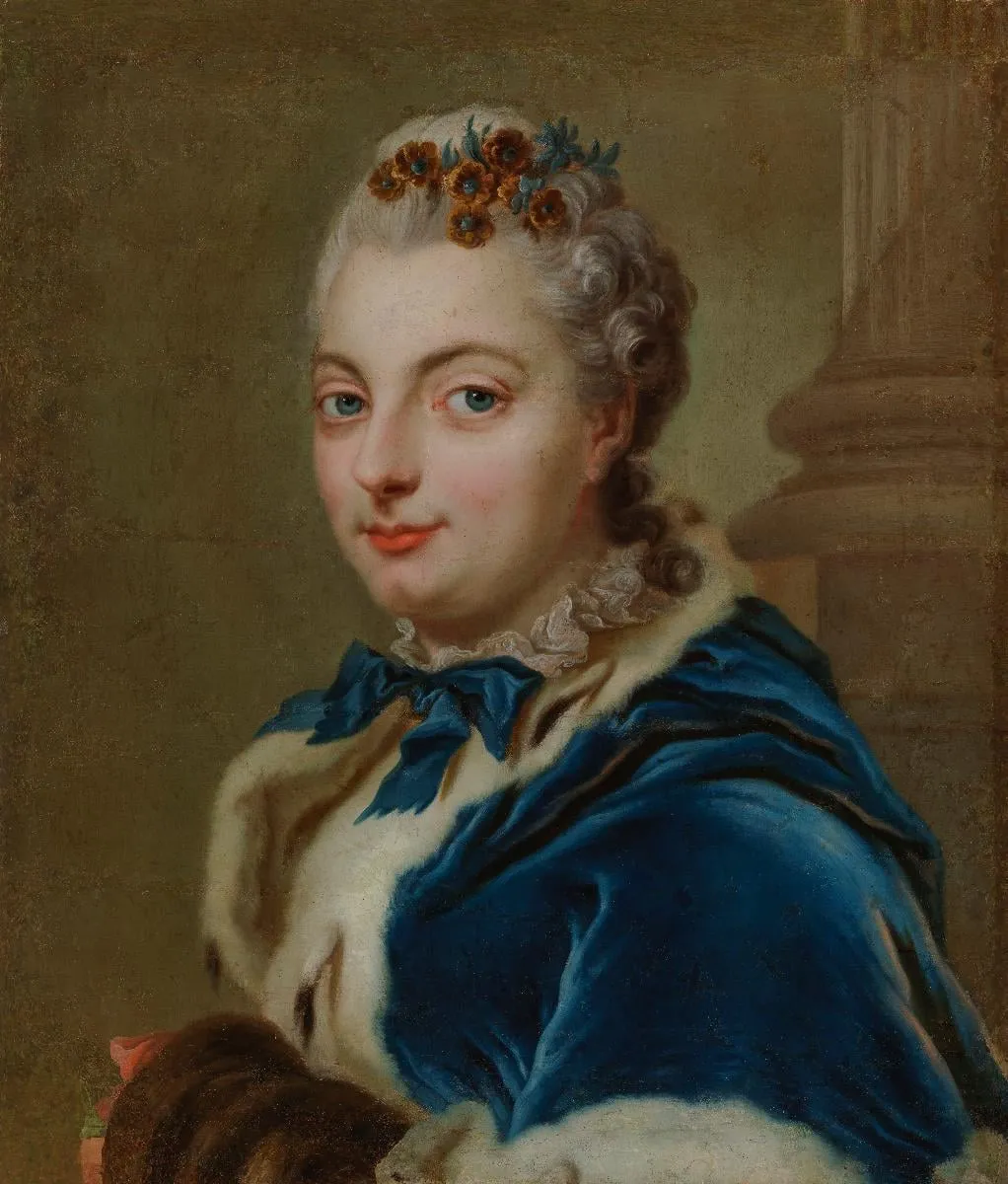
Maria Charlotta Wrangel is an unspecified painting by Johan Joachim Streng. It is held in the collection of the Finnish National Gallery.
About this work
Overview
This portrait depicts Maria Charlotta Wrangel, a Swedish noblewoman, rendered in oil on canvas. The composition isolates her figure against a deep, unmodulated background, emphasizing her presence through careful lighting and restrained detail. Her attire and expression convey quiet dignity, typical of aristocratic portraiture in late 18th-century Sweden.
Subject & Meaning
Maria Charlotta Wrangel is portrayed with composure and refinement, reflecting her social standing. The white fur collar and blue dress signify wealth and taste, while the subtle flower hairpin adds a personal, intimate touch. Her gaze is direct yet reserved, suggesting self-possession rather than performative elegance, aligning with Nordic ideals of understated nobility.
Technique & Style
The artist employed soft, blended brushwork to achieve a lifelike rendering of her skin and features. Chiaroscuro is used subtly to model her face and collar, creating volume without dramatic contrast. The dark background enhances the luminosity of her figure, drawing focus to her form and the texture of the fur, which is rendered with delicate, tactile precision.
History & Provenance
The portrait was likely commissioned by the Wrangel family during the 1780s, a period when Swedish aristocracy increasingly favored intimate, naturalistic portraiture over formal grandeur. It remained within the family for generations before entering a public collection, where it is now preserved as a record of elite female representation in late Enlightenment Sweden.
Context
In late 18th-century Sweden, portraiture served both personal and social functions, documenting lineage and status. While French and British styles influenced Swedish artists, this work reflects a local preference for restraint and realism. The absence of elaborate settings or symbols underscores a shift toward psychological presence over heraldic display.
Legacy
The portrait contributes to the understanding of how Swedish nobility expressed identity through visual culture. Its quiet realism distinguishes it from more ornate European contemporaries, offering insight into regional aesthetic values. It remains a key example of how individual character was conveyed within the conventions of aristocratic portraiture during a period of cultural transition.
Artist & collection
Artist
Swedish portrait painter in the 1700s. Look for two paintings of titled women from that time, Maria Charlotta Wrangel and Ulrika Lovisa Tessin. Each shows a person in fine clothes against a plain background, the kind of…

 Rouva Werner
 Kreivitär Jacqueline Elisabet Gyldenstolpe
 Maria Ulrika Dævel
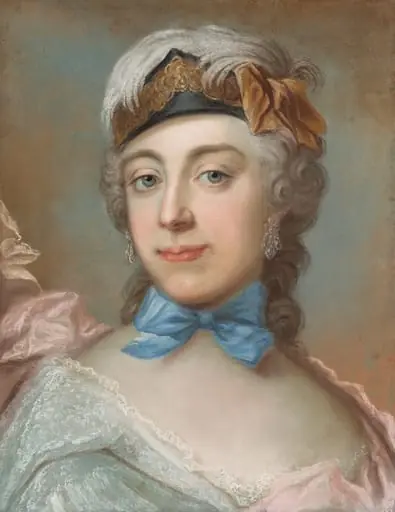 Kreivitär Ulrika Charlotta Sprengtporten
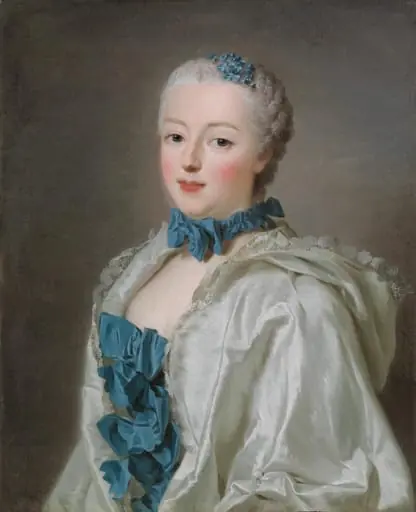 Françoise Marguerite de Sévigné, Grignanin kreivitär
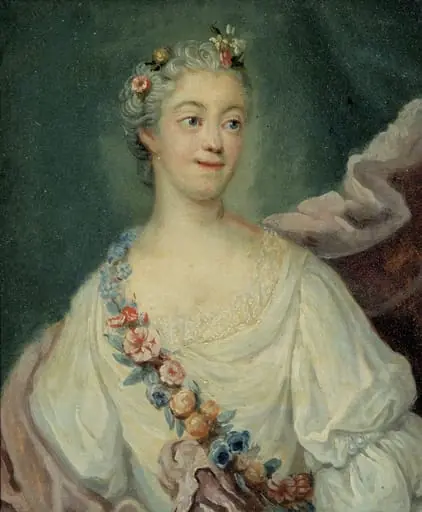 Ulrika Lovisa Tessin
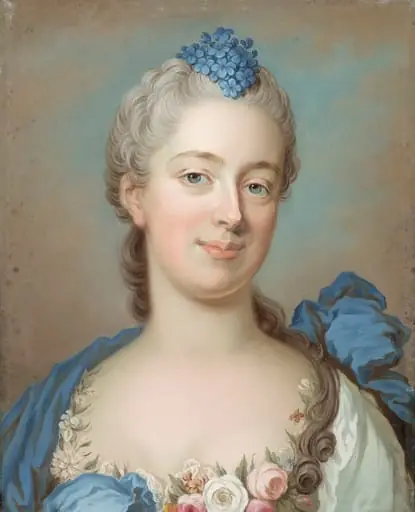 Kreivitär Poaton (?)
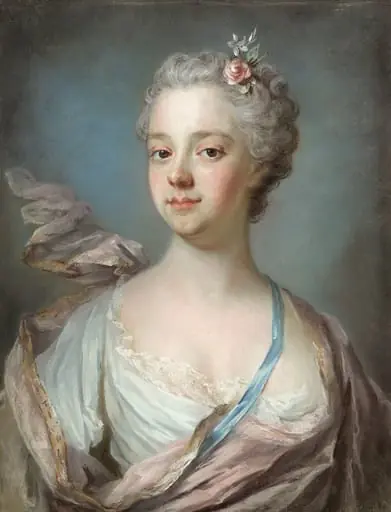 Kreivitär Ulrika Eleonora von Fersen
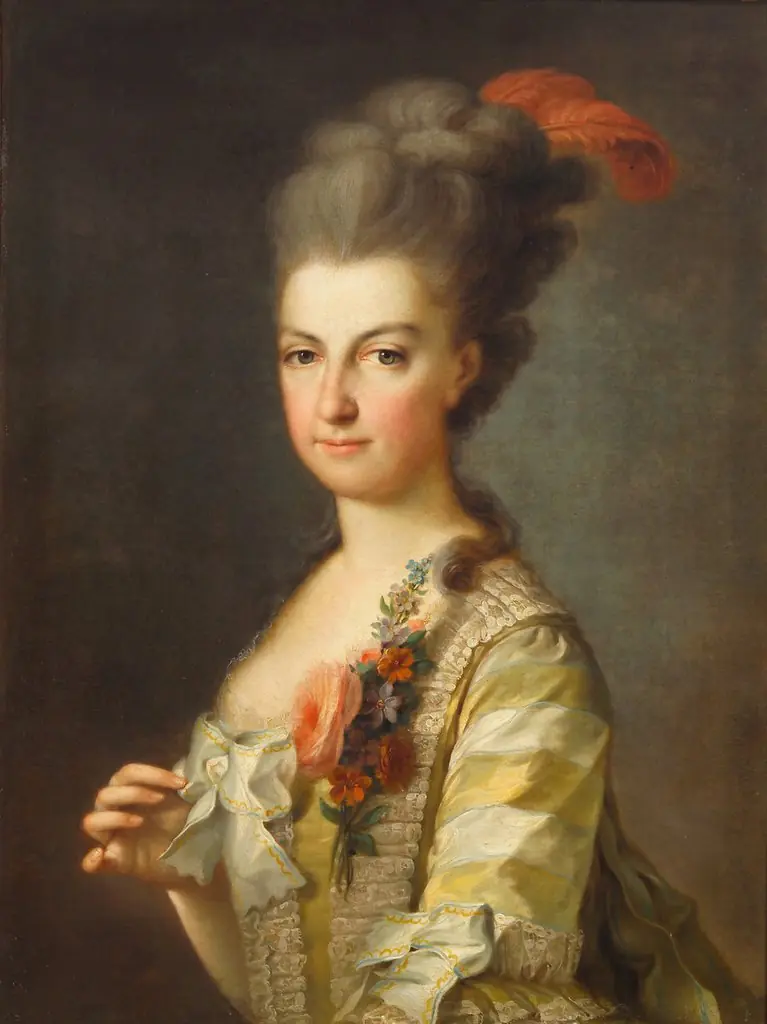 Erzherzogin Maria Christine (1742-1798), Herzogin von Sachsen - Teschen, in gestreiftem Seidenkleid, Halbfigur
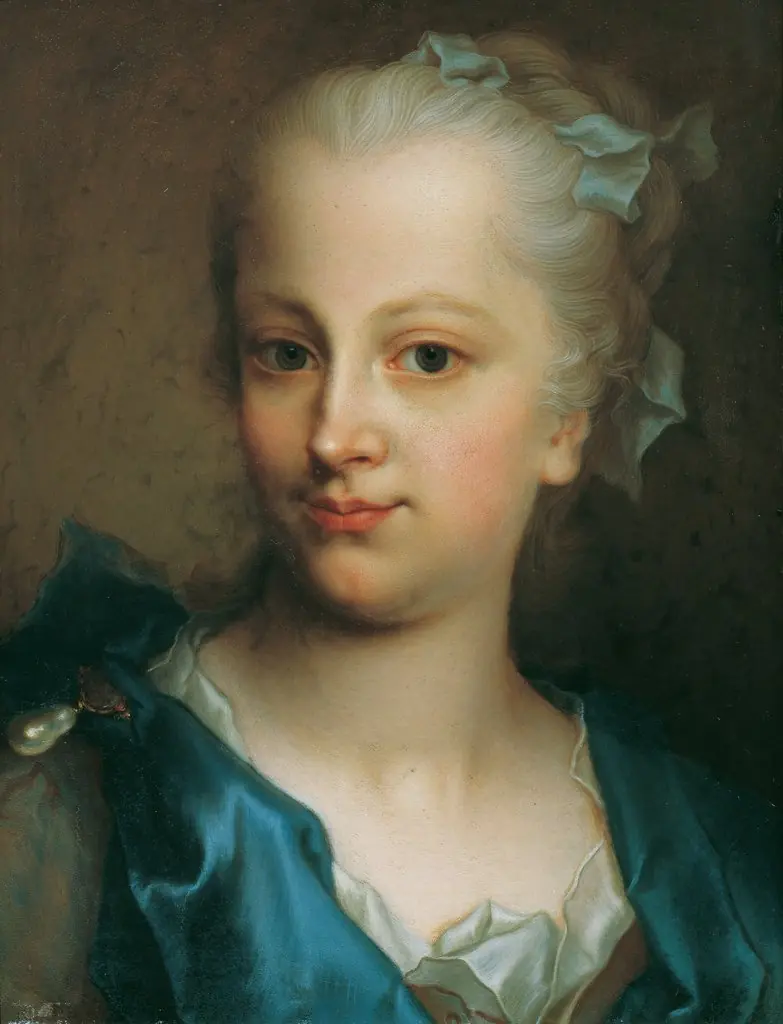 Mädchen in blauem Kleid