Artwork
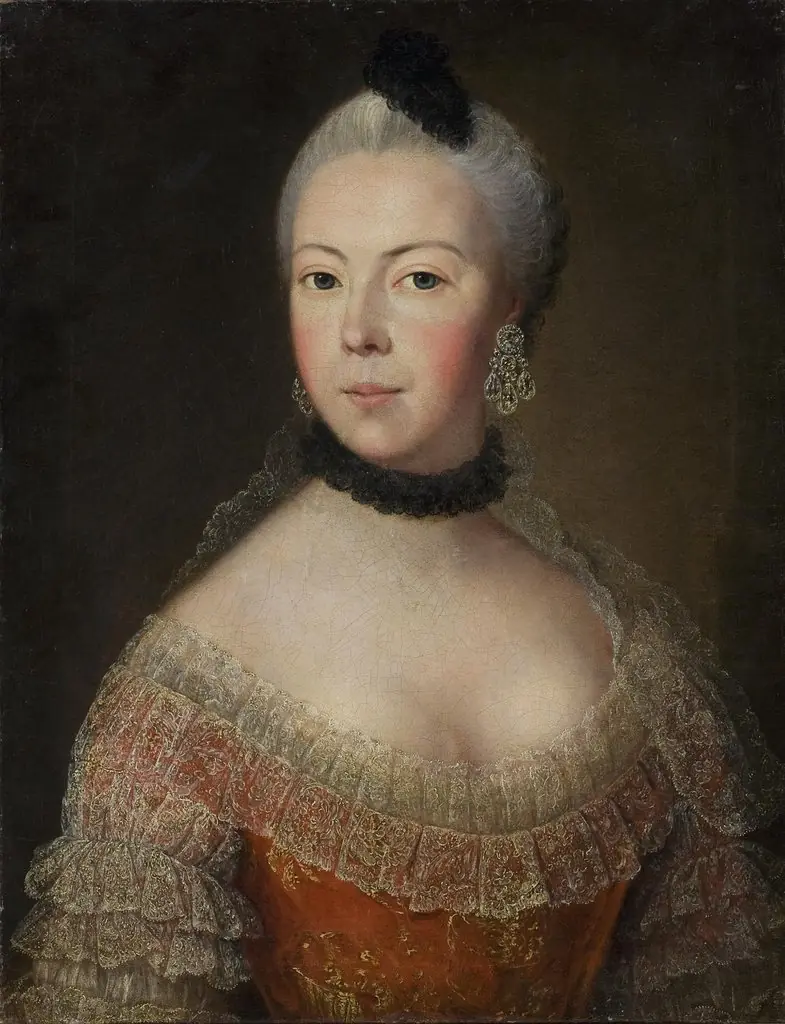
Erzherzogin Maria Christine (1742-1798), Herzogin von Sachsen - Teschen, in gestreiftem Seidenkleid, Halbfigur
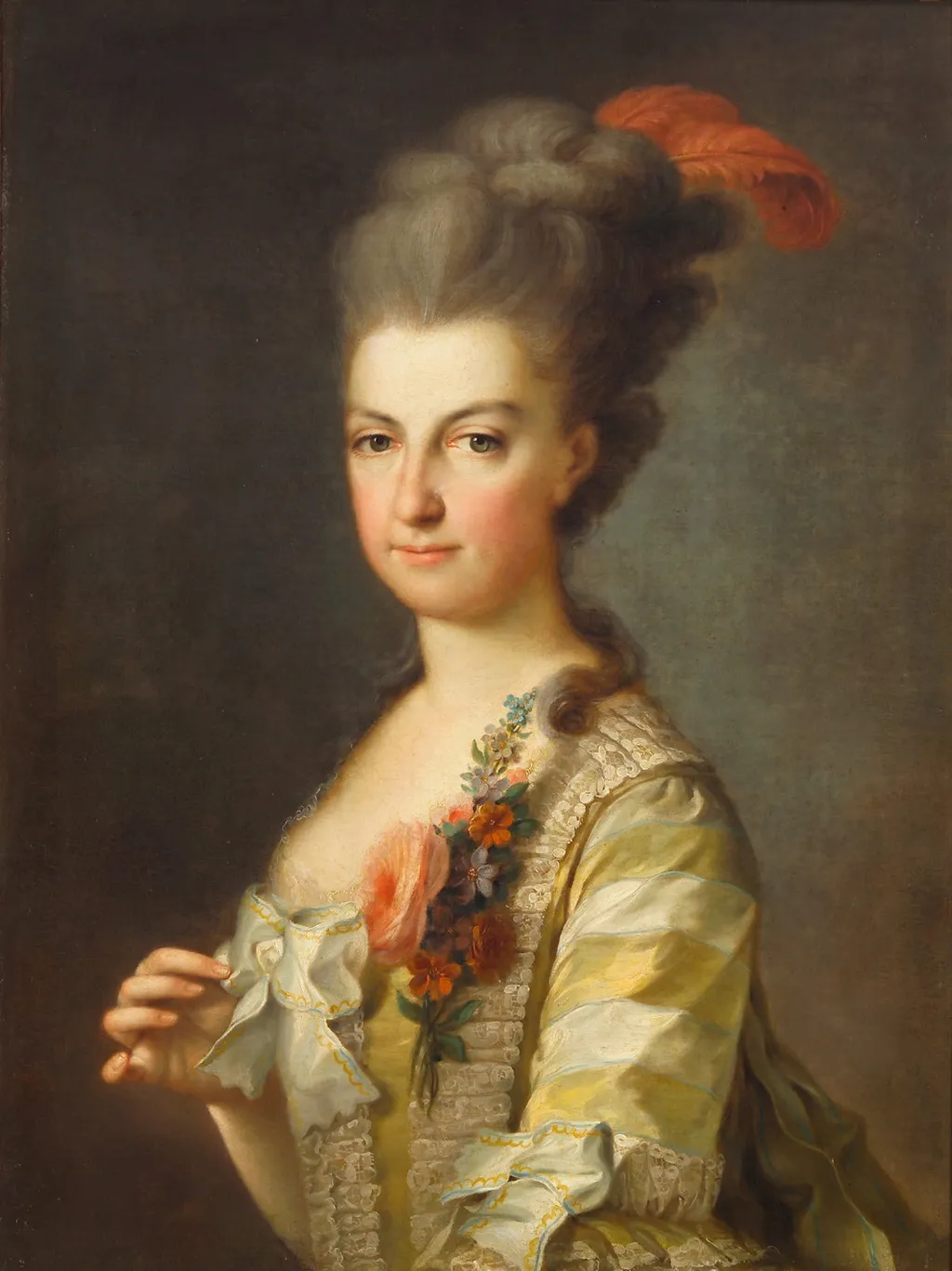
Erzherzogin Maria Christine (1742-1798), Herzogin von Sachsen - Teschen, in gestreiftem Seidenkleid, Halbfigur is an oil painting by the Rococo painting artist Unknown. It dates from 1768 and is held in the collection of the Kunsthistorisches Museum. This oil painting depicts Archduchess Maria Christina of Austria, Duchess of Saxe-Teschen, portrayed in a half-length format.
About this work
Overview
This oil painting depicts Archduchess Maria Christina of Austria, Duchess of Saxe-Teschen, portrayed in a half-length format.
This oil painting depicts Archduchess Maria Christina of Austria, Duchess of Saxe-Teschen, portrayed in a half-length format. She is shown standing against a dark, undefined background, emphasizing her figure through controlled lighting. The composition focuses on her elegant attire and poised demeanor, with attention drawn to her facial expression and the intricate floral decoration on her dress.
Subject & Meaning
Maria Christina, a Habsburg archduchess and member of the imperial family, is presented not as a ruler but as a refined noblewoman. The paper in her hand suggests correspondence or official duty, while the bouquet pinned to her bodice may symbolize personal sentiment or aristocratic taste. The feather in her hair adds a touch of theatricality, aligning with 18th-century fashion and the performative nature of elite portraiture.
Technique & Style
The artist employs chiaroscuro to model the archduchess’s face and form, creating a luminous contrast between her pale skin and the dark surroundings. Soft transitions between light and shadow enhance the three-dimensionality of her features. The flowers on her dress are rendered with meticulous brushwork, their petals and stems rendered with botanical precision, distinguishing them from the looser handling of fabric and background.
History & Provenance
Painted during Maria Christina’s lifetime, the portrait likely originated in the Habsburg court circles, possibly commissioned to commemorate her marriage or status. It remained within aristocratic collections before entering public ownership. Its survival reflects the continued interest in Habsburg portraiture, though specific early ownership records are sparse beyond its association with the ducal family of Saxe-Teschen.
Context
Created in the late 18th century, the portrait aligns with the Rococo and early Neoclassical trends in aristocratic portraiture. Powdered wigs, ornate silks, and symbolic accessories were standard markers of noble identity. The emphasis on texture—silk, feathers, petals—reflects a broader cultural fascination with material luxury and the visual language of status, even as political upheavals loomed across Europe.
Legacy
The painting endures as a quiet example of imperial portraiture that prioritizes dignity over grandeur. Its restrained composition and attention to detail offer insight into how Habsburg women were visually represented—not as political actors, but as embodiments of cultivated refinement. It contributes to the broader archive of 18th-century European elite imagery, valued for its technical precision and historical authenticity.
Artist & collection

 Domestic Scene
 Giacomo and Cardinal Marco, investing Andrea, Abbot of San Zeno, with his Benefice
 The Nymph of Fontainebleau
 Portrait of a Woman
 Madonna and Child with Saints in the Enclosed Garden
 Venus and Minerva
 Family Group of Four on Sofa
 Wall painting from Room H of the Villa of P. Fannius Synistor at Boscoreale
 Portrait of Anna S. Tulinova
 Anna Constanze Gräfin von Cosel (1680-1765)
 Portrait of an Unknown Woman with a Rose
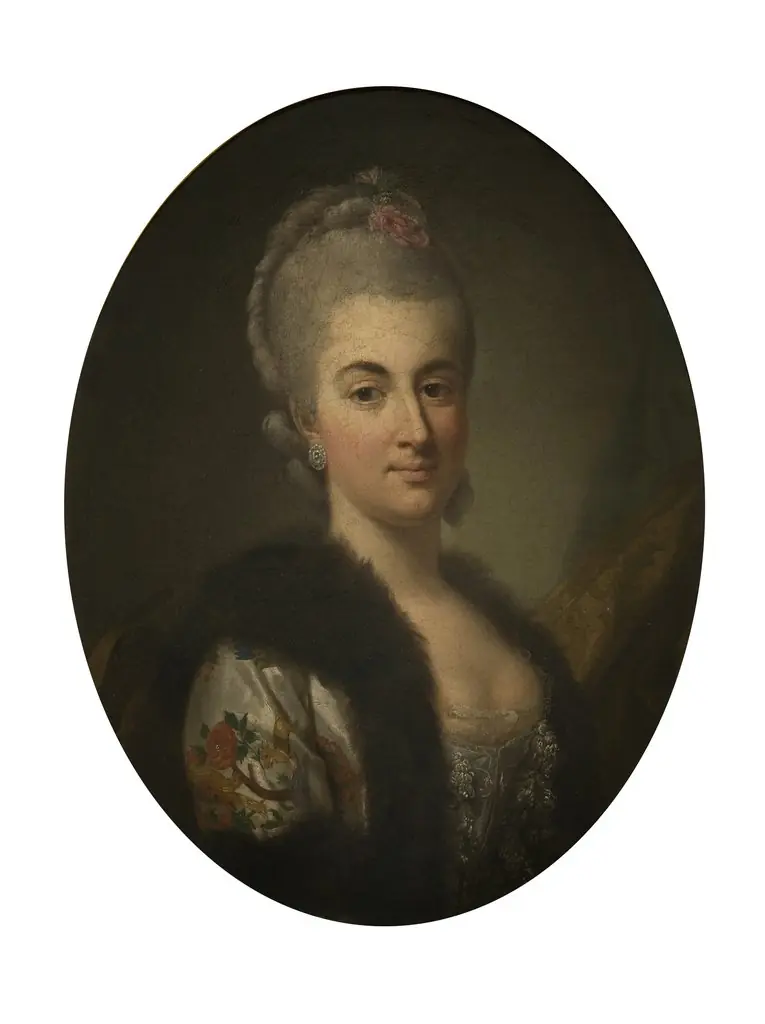 Portrait of Konstancja Poniatowska née Czartoryska
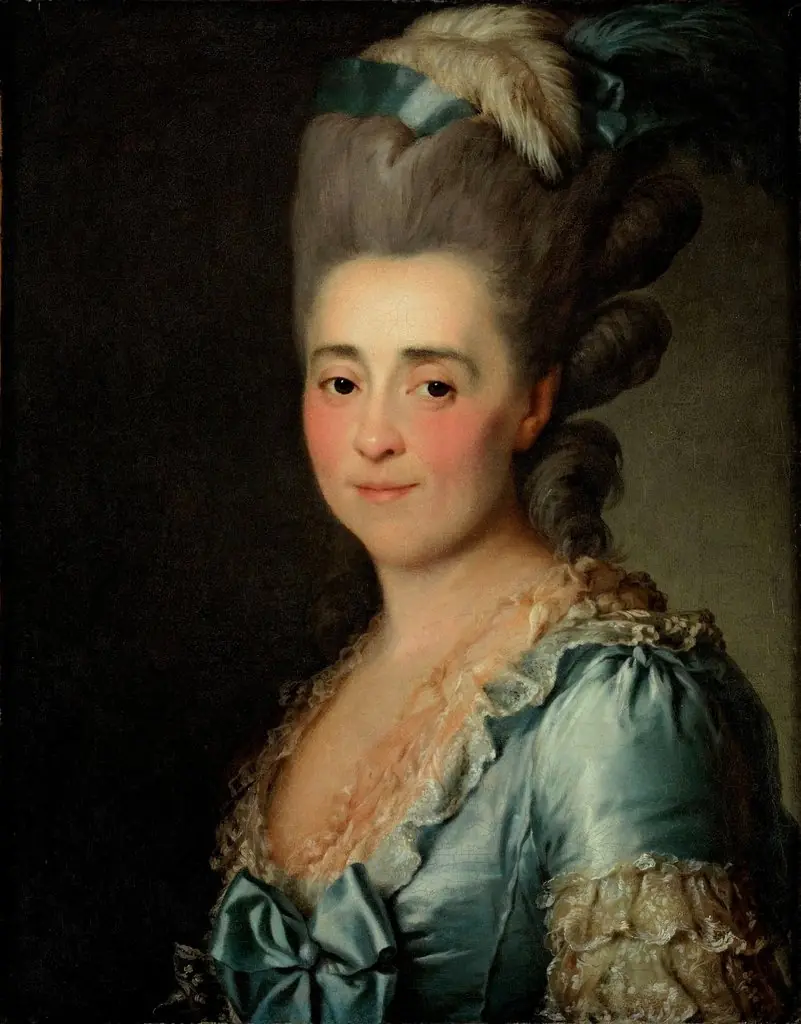 Portrait of Natalia Saltikova (1742-1782)
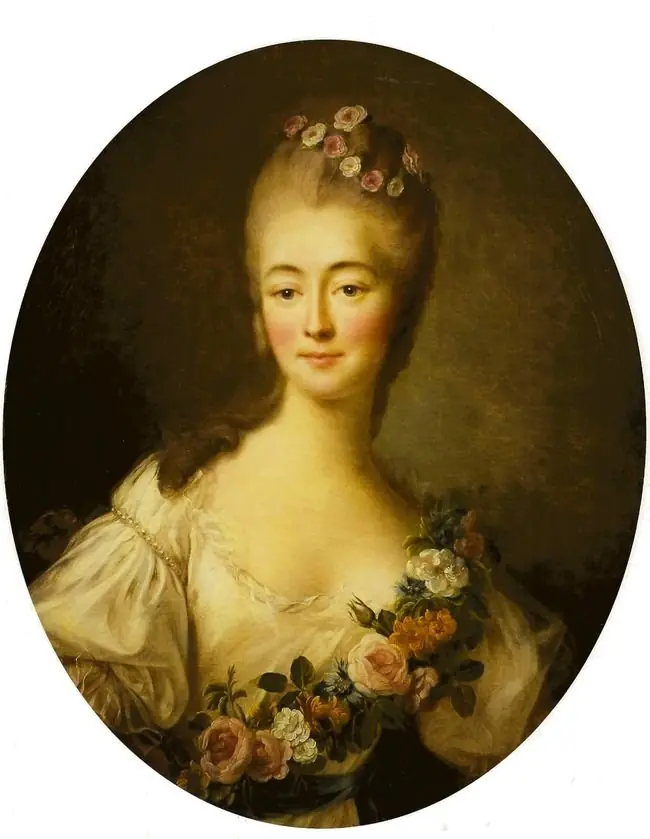 Portrait of the Countess Du Barry as Flora
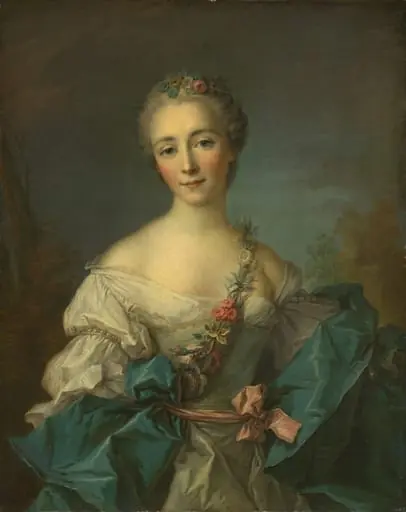 Portrait of a Young Woman
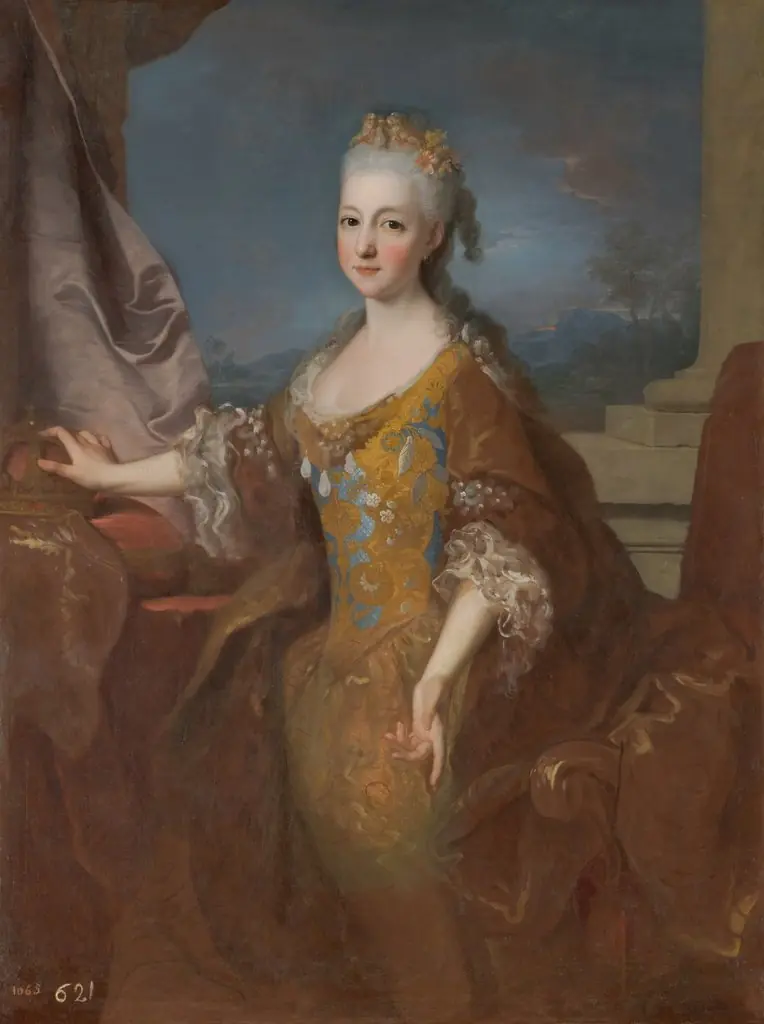 Portrait of Louise Élisabeth d'Orléans, Queen of Spain (1709-1742)
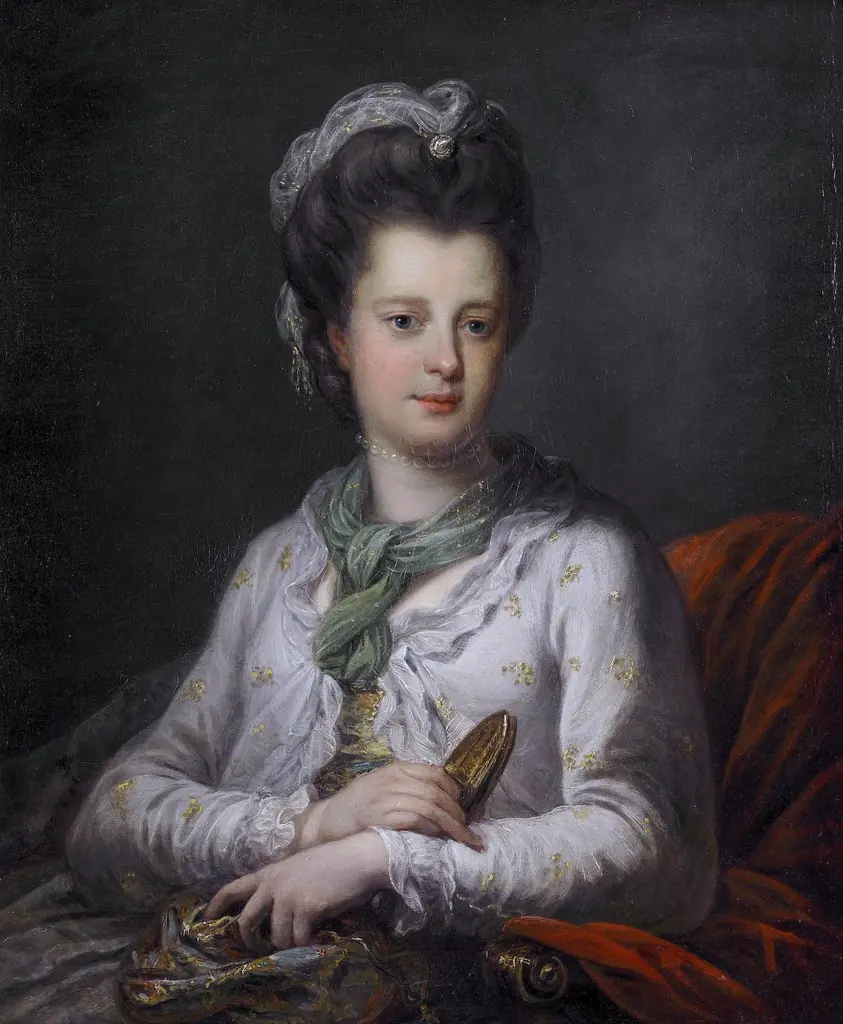 Portrait of Elizabeth Kerr, née Fortescue, Marchioness of Lothian
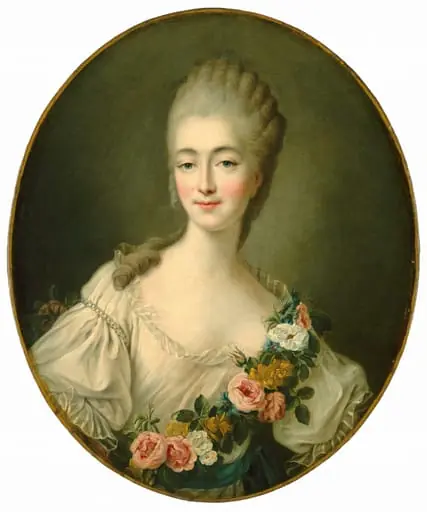 Jeanne Bécu, Comtesse du Barry
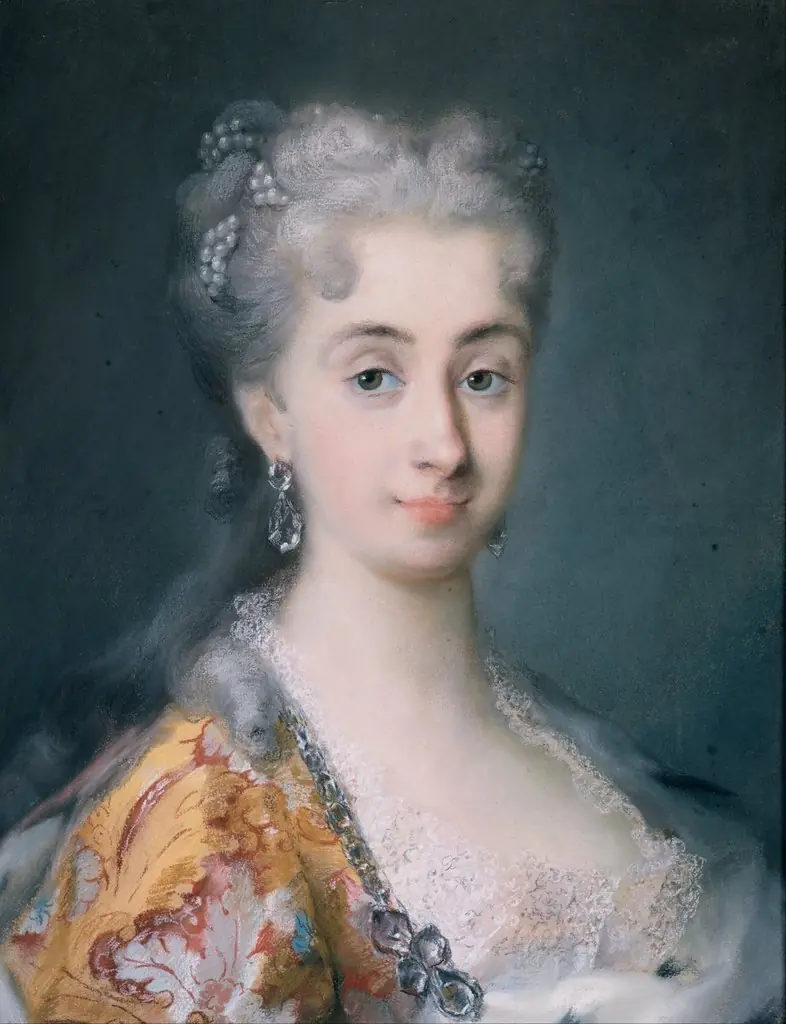 Lucrezia Mocenigo
 Portrait of Princess Anastasia Dolgorukaya, née Lodyzhenskaya (1736-1828)