Artwork
Kodaikanal, Madurai District, Tamil Nadu, India
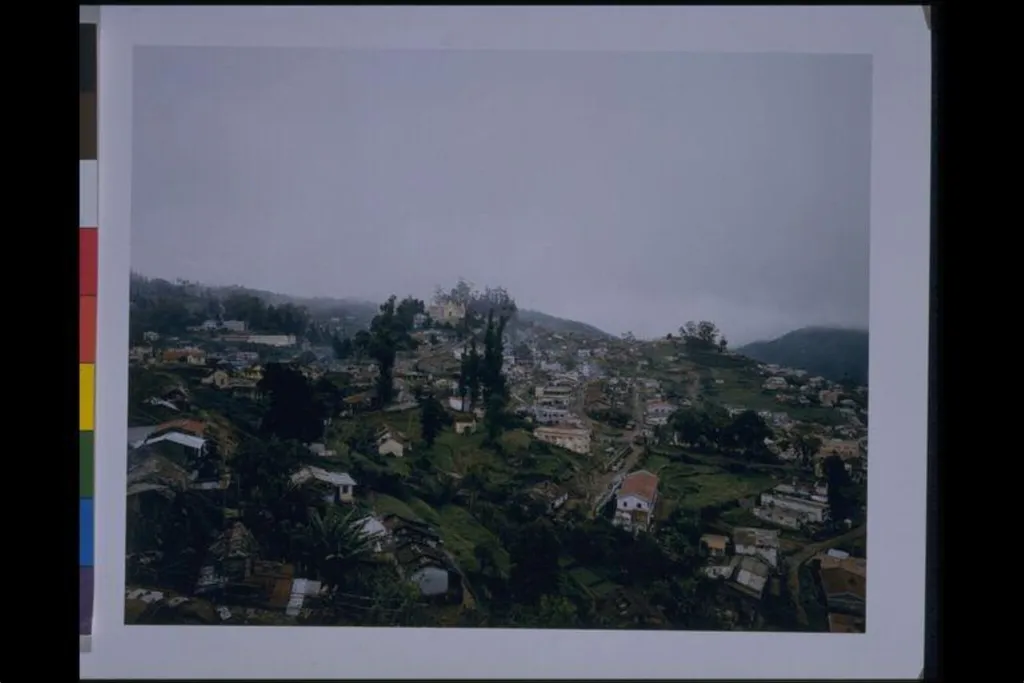
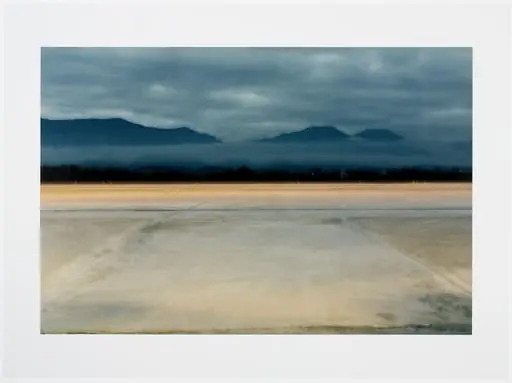
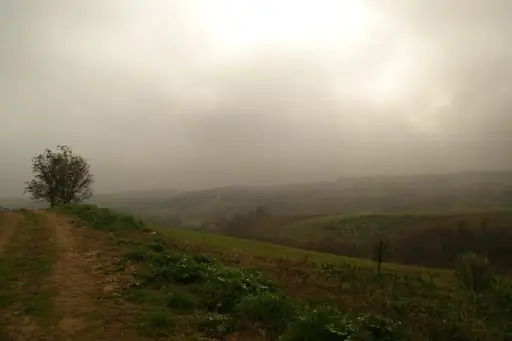
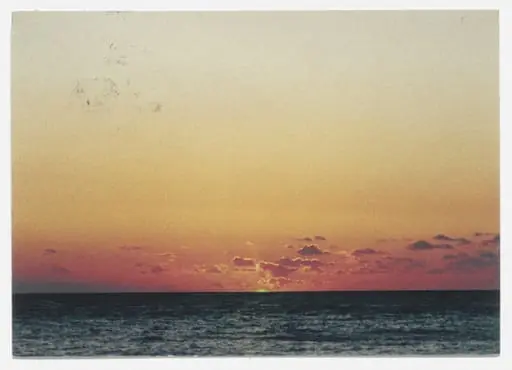
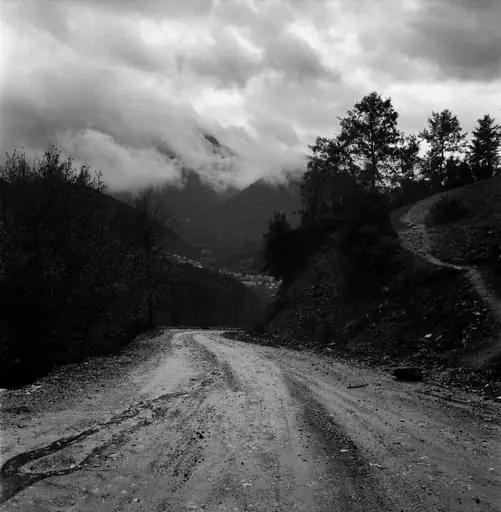
Kodaikanal, Madurai District, Tamil Nadu, India is a photographic photography by Gerhard Stromberg. It dates from 1992 and is held in the collection of the Victoria and Albert Museum.
About this work
This photograph is titled Kodaikanal, Madurai District, Tamil Nadu, India. It's a work by Gerhard Stromberg.
The photograph was taken in 1992 and is part of the Victoria and Albert Museum collection. It's notable for its depiction of a town in India.
To learn more about the style and technique used in this photograph, look up the work of artist: Stromberg, Gerhard.
Overview
Gerhard Stromberg’s 1992 photograph captures the hill town of Kodaikanal in Tamil Nadu, India. The image, now held by the Victoria and Albert Museum, presents a densely detailed view of the settlement, highlighting the juxtaposition of civic and sacred architecture within the high‑altitude landscape.
Subject & Meaning
Located in the Palni Hills at roughly 2,225 metres above sea level, Kodaikanal was founded in 1845 as a summer retreat for missionaries and colonial officials. The photograph records the town’s built environment, where administrative blocks and churches sit alongside local structures, illustrating the layered cultural influences that shape its urban fabric.
Technique & Style
Stromberg employs a flattened perspective and high resolution to render architectural elements with striking clarity. This approach, characteristic of the Germanic tradition of contemporary architectural photography, reduces depth cues, allowing the viewer to survey the complex arrangement of buildings in a single, almost diagrammatic plane.
History & Provenance
Born in Ludwigshafen, Germany, in 1952, Stromberg trained with Bernhard Becher in Düsseldorf before relocating to England in 1986. The photograph entered the V&A’s collection shortly after its creation, reflecting the museum’s interest in documenting global architectural forms through a European photographic lens.
Context
Kodaikanal’s origin as a colonial hill station situates it within the broader narrative of British‑era urban planning in India. The town’s architecture, as depicted by Stromberg, embodies the synthesis of European ecclesiastical design and local secular building practices that emerged during the 19th‑century colonial period.
Artist & collection
Artist
Gerhard Stromberg’s photographs capture landscapes with a quiet, documentary eye.