Artwork
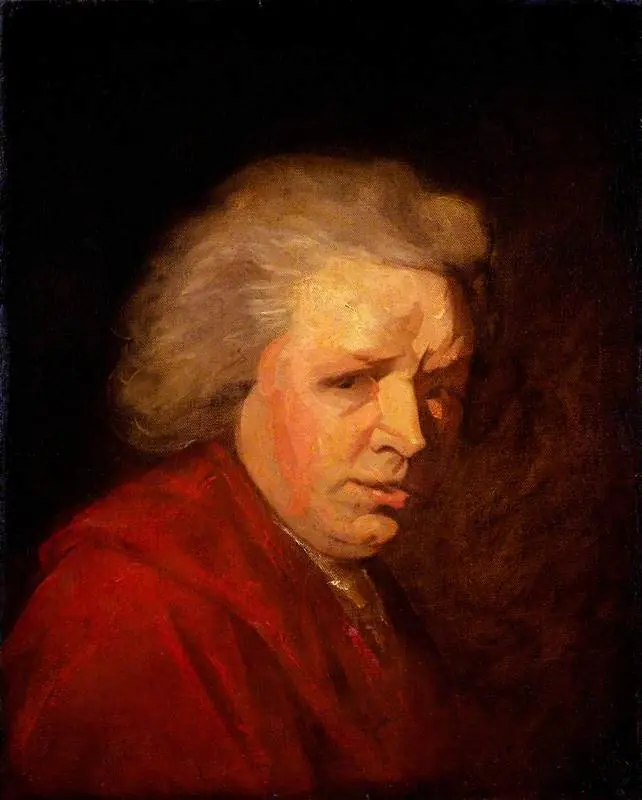
John Henderson as Iago in <i>Othello</i> by William Shakespeare
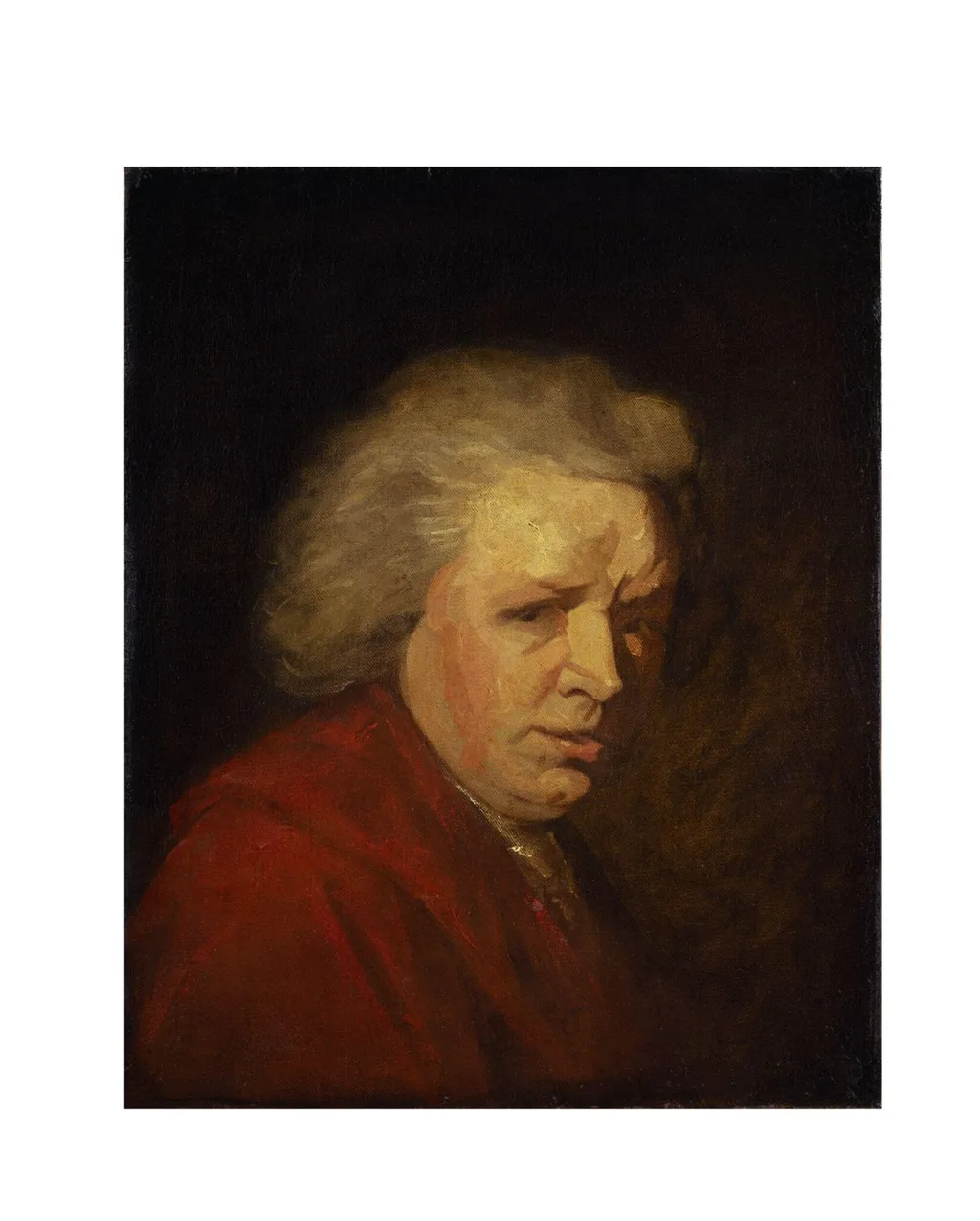
John Henderson as Iago in <i>Othello</i> by William Shakespeare is a paint painting by the American Impressionist artist Gilbert Stuart. It dates from 1786 and is held in the collection of the Victoria and Albert Museum.
About this work
Overview
The composition captures Henderson mid-performance, dressed in theatrical costume and holding a sword, with brushwork suggesting an incomplete state.
This portrait depicts the actor John Henderson in character as Iago from Shakespeare’s Othello, painted by Gilbert Stuart. Though long misattributed to John Opie, the work is now recognized as Stuart’s. The composition captures Henderson mid-performance, dressed in theatrical costume and holding a sword, with brushwork suggesting an incomplete state. Its unfinished quality offers insight into Stuart’s working method and the immediacy of theatrical portraiture in the late 18th century.
Subject & Meaning
Henderson was renowned for his portrayal of Iago, a role that demanded psychological nuance and moral ambiguity. By depicting him in costume, Stuart emphasizes the actor’s mastery of character over personal likeness. The sword, held with restrained tension, underscores Iago’s manipulative menace. The portrait functions not as a celebration of the actor, but as a study of performance itself — the embodiment of a literary villain through physical presence.
Technique & Style
Stuart employs loose, visible brushstrokes, particularly in the costume and background, while the face is rendered with greater definition. The lack of full finish suggests a focus on capturing the essence of the role rather than a polished likeness. Subtle tonal transitions in the face hint at sfumato, a technique Stuart adapted from European traditions to convey psychological depth without overt idealization.
History & Provenance
Painted between 1780 and 1785, during Henderson’s acclaimed run at Covent Garden, the portrait was later bequeathed to the museum under the mistaken belief it was by John Opie. Scholarly reevaluation in the 20th century confirmed Stuart’s authorship through stylistic analysis and comparison with his other works. Its incomplete state likely reflects its origin as a study or private commission rather than a formal portrait.
Context
In the late 18th century, theatrical performance was a major cultural force, and actors like Henderson were celebrated as public figures. Artists frequently depicted them in signature roles, blurring the line between person and character. Stuart’s portrait aligns with this trend, reflecting a broader interest in capturing the emotional truth of performance rather than mere physical resemblance.
Legacy
The portrait remains a rare example of Stuart’s engagement with theatrical subjects, distinguishing it from his more famous presidential likenesses. Its unfinished nature invites contemplation of artistic process and the transient nature of live performance. It also preserves a visual record of one of the most influential Iagos of the Georgian era, anchoring literary interpretation in physical embodiment.
Own this work as a print
Artist & collection

Artist
Gilbert Stuart (né Stewart; December 3, 1755 – July 9, 1828) was an American painter born in the Rhode Island Colony who is widely considered one of America's foremost portraitists.

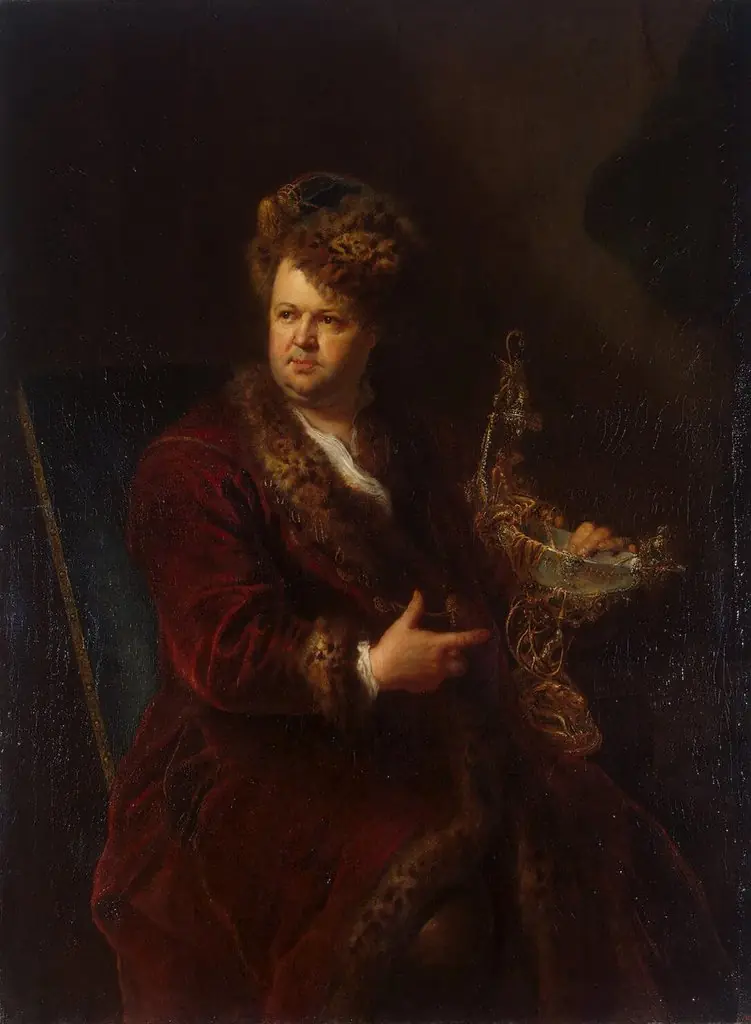 Portrait of Johann Melchior Dinglinger
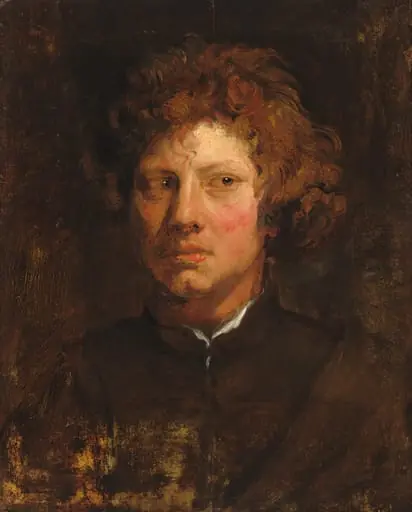 Head of a Young Man
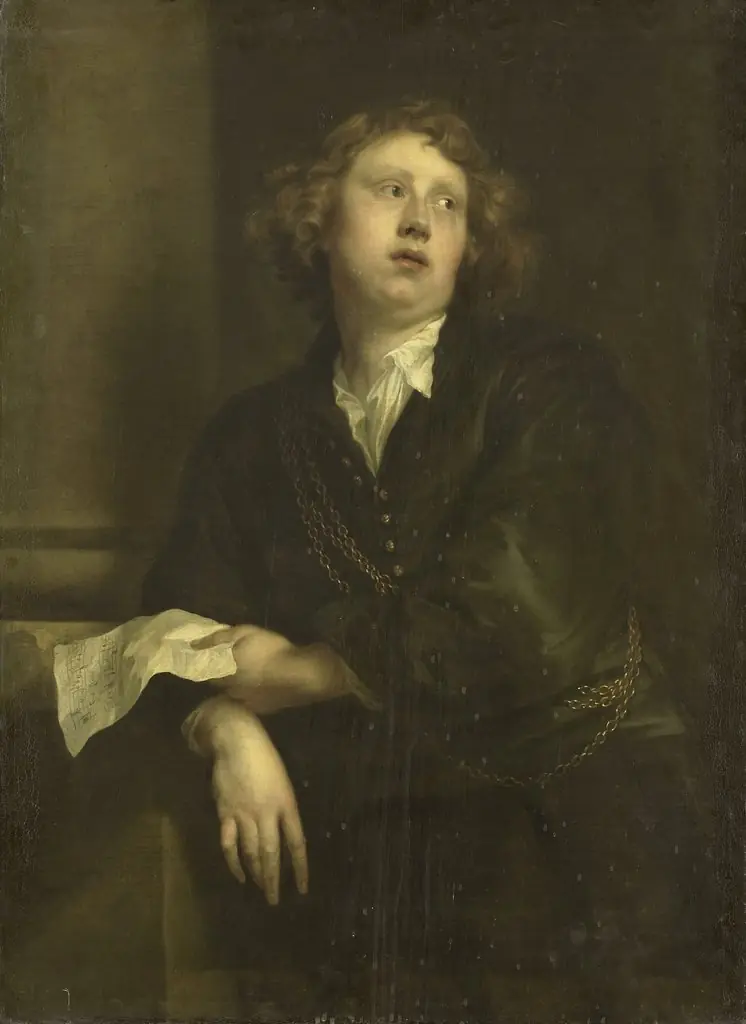 portrait of Henricus Liberti (1628-61). Composer and organist
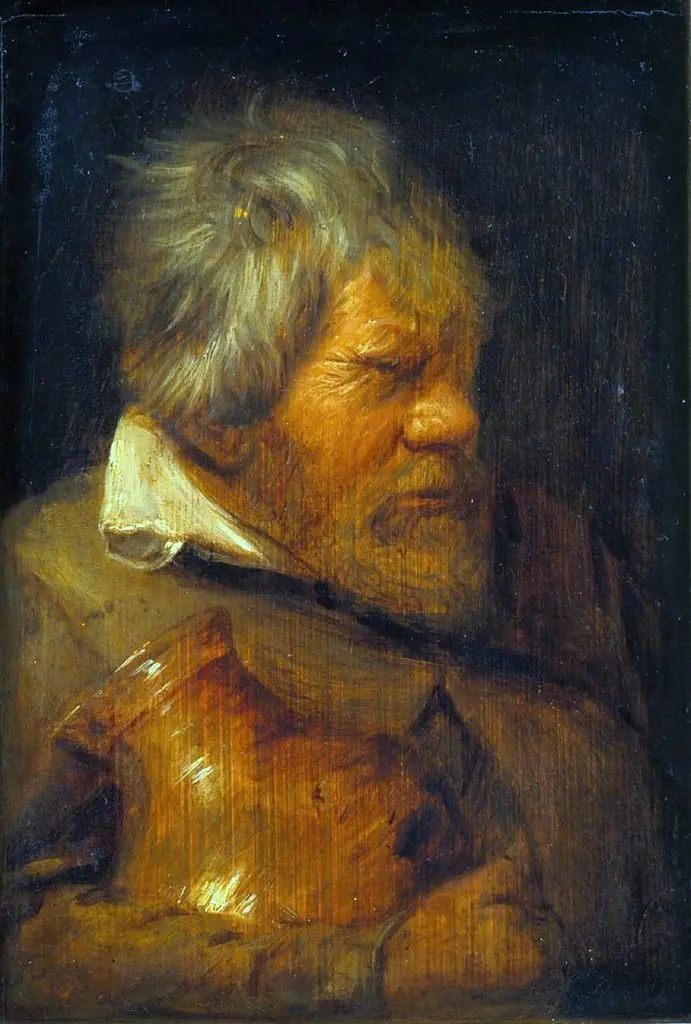 Old man with a beard
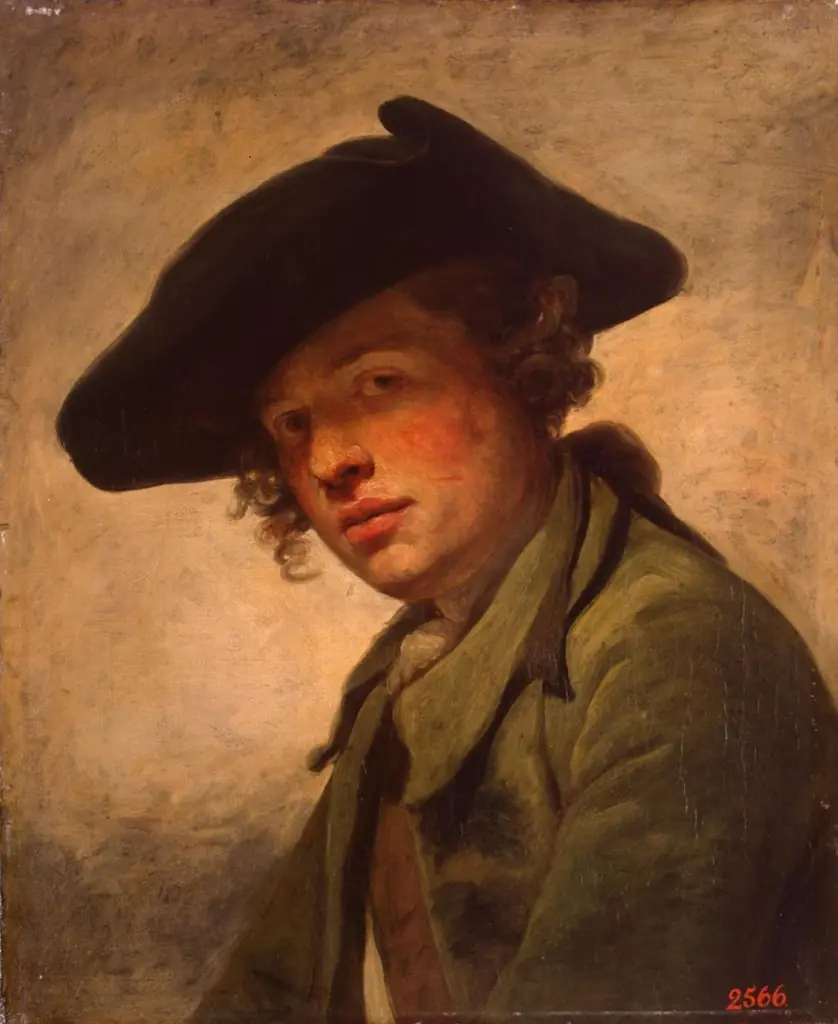 Portrait of a Young Man in a Hat
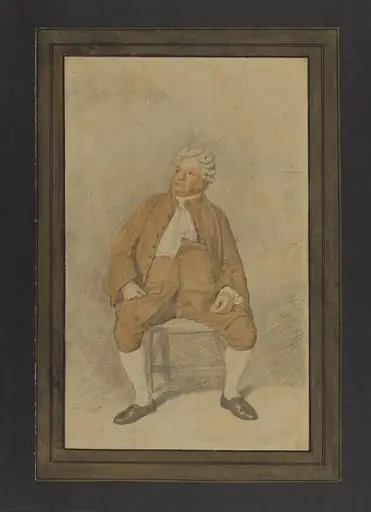 Harry Beard Print Collection
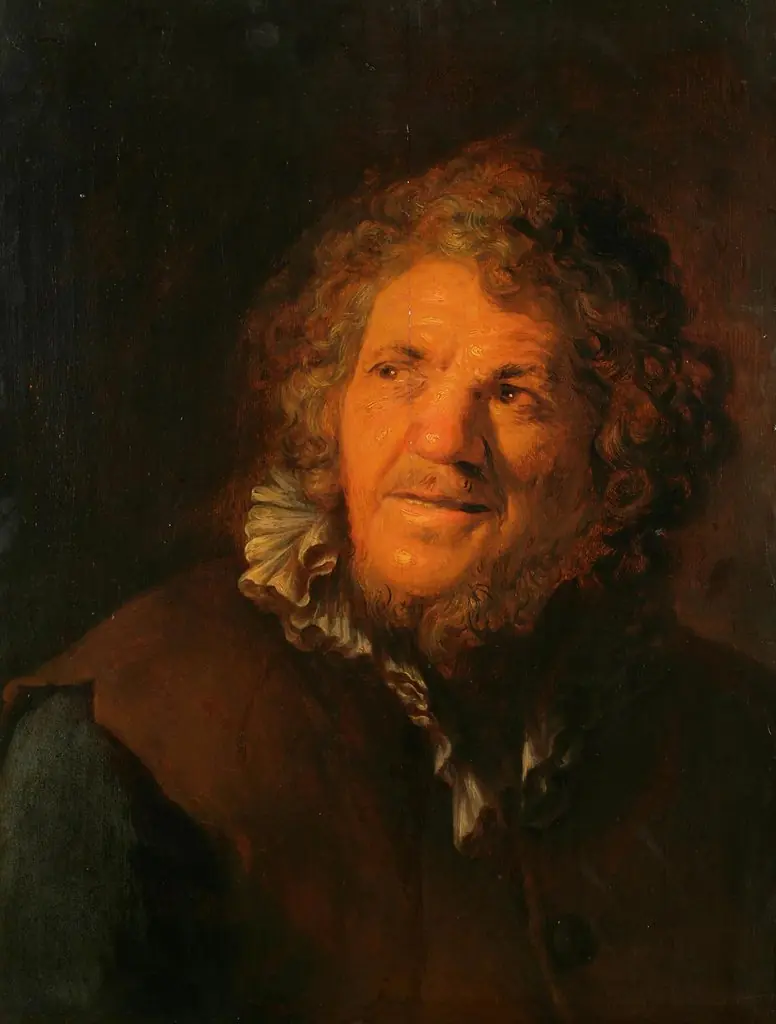 Smiling Old Man (Abraham Grapheus ? )
 Lieven Willemsz van Coppenol: the Larger Plate
 Farm-hand, portrait study
 Self-Portrait
 Fred Terry as Sir Percy Blakeney in <i>The Scarlet Pimpernel</i> by Baroness Orczy and Montague Barstow
 John Henderson (1747–1785), as Iago in 'Othello' by William Shakespeare