Artwork
Harry Beard Print Collection
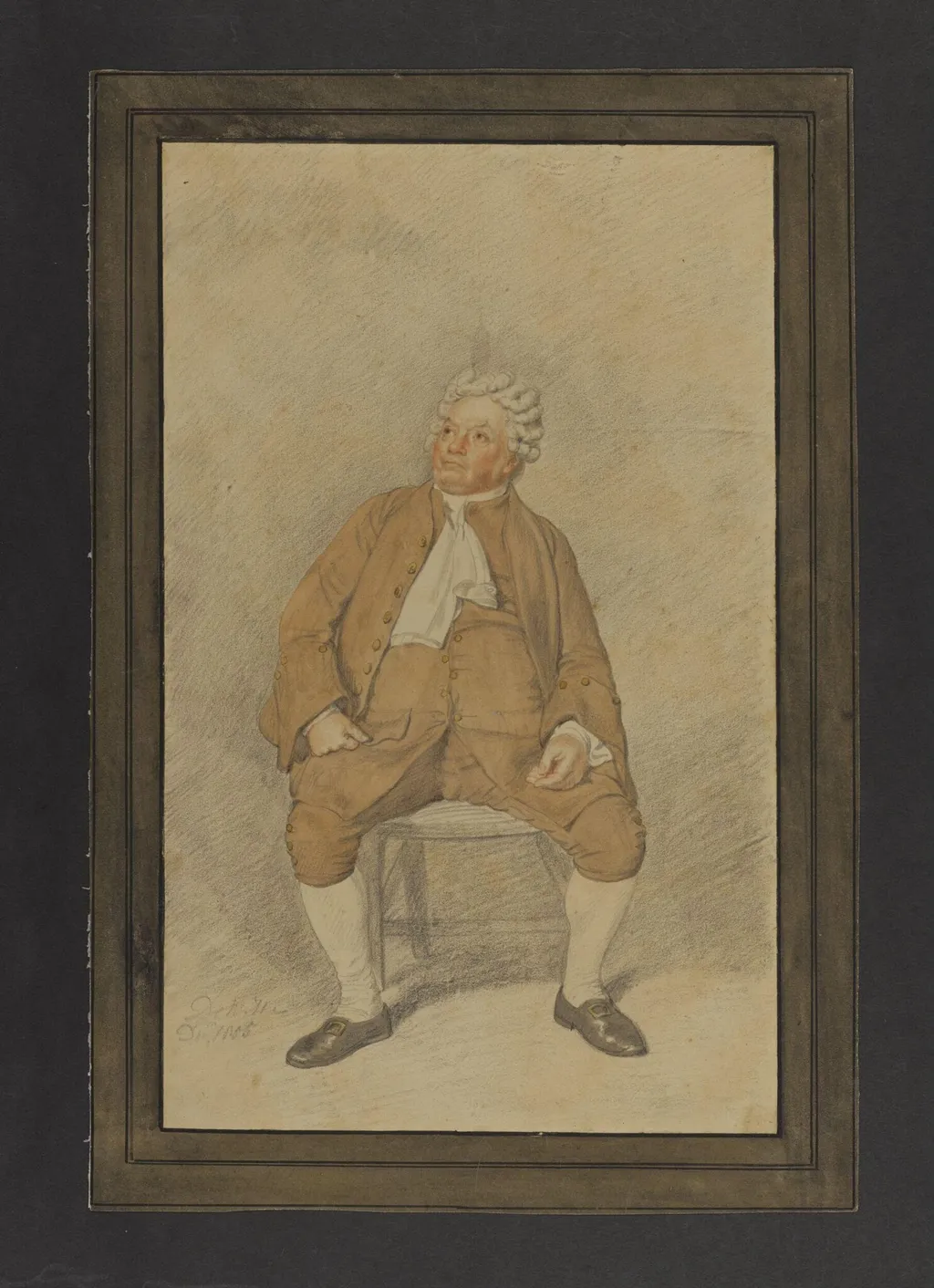
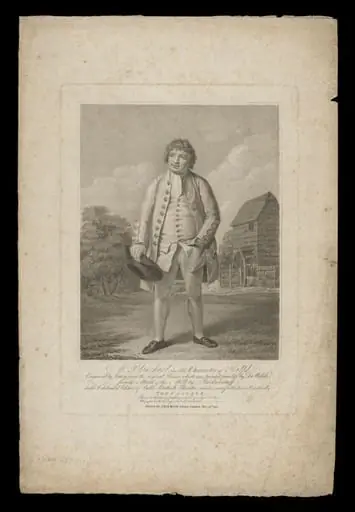
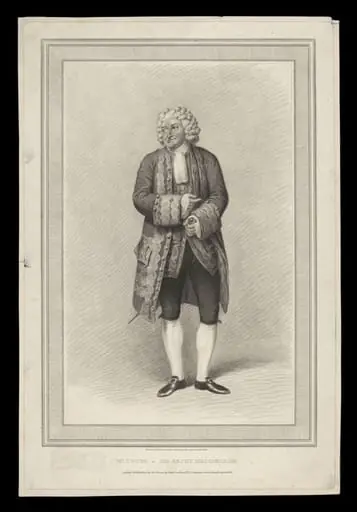
Harry Beard Print Collection is a print by the Romanticist artist Samuel De Wilde. It dates from 1792 and is held in the collection of the Victoria and Albert Museum.
About this work
The Harry Beard Print Collection is a print made by Samuel De Wilde in 1792.
It's interesting because the print depicts a specific person, John Quick, in a role from a play, The Drummer.
This detail suggests the print has a story behind it, related to theater and performance.
Check out the movement Romanticism to learn more about this style of art.
Overview
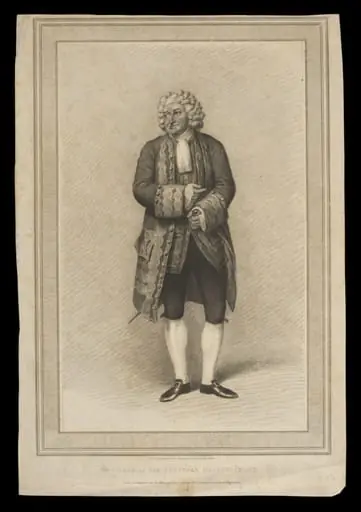
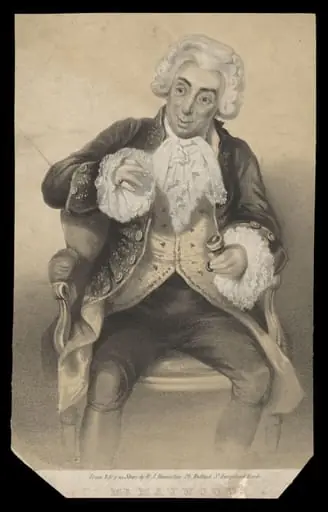
This print is part of the Harry Beard Print Collection, created in 1792 by Samuel De Wilde. It portrays actor John Quick in the role of Vellum from the comic play The Drummer. Published by Bell, the work reflects the popularity of theatrical imagery in late 18th-century Britain, capturing a moment of performance for public consumption rather than a formal portrait.
Subject & Meaning
The print centers on John Quick, a well-known actor of the time, depicted in character as Vellum—a comedic figure from The Drummer, a play by Isaac Bickerstaff.
The print centers on John Quick, a well-known actor of the time, depicted in character as Vellum—a comedic figure from The Drummer, a play by Isaac Bickerstaff. By freezing a theatrical moment, the image bridges live performance and printed media, offering audiences a tangible connection to the stage. It underscores the cultural value placed on actors and their roles during a period when theater was a dominant public entertainment.
Technique & Style
Executed as a stipple engraving, the print employs fine dots to model form and texture, a technique favored for its ability to mimic the softness of chalk drawings. De Wilde’s approach emphasizes expressive gesture and facial detail, aligning with contemporary portraiture conventions in theater. The composition is tightly framed, focusing attention on the actor’s posture and costume without extraneous background elements.
History & Provenance
Created shortly after the play’s debut, the print was produced for commercial distribution, catering to theatergoers seeking memorabilia. It entered the Harry Beard Collection in the 19th century, a private assemblage of theatrical ephemera later acquired by the Victoria and Albert Museum. Its survival reflects early efforts to document and preserve performance history through printed materials.
Context
In the 1790s, London’s theater scene thrived amid rising literacy and print culture. Actors like Quick became public figures, and images of them in famous roles circulated widely. This print fits within a broader trend of publishing theatrical portraits, reinforcing the connection between performance and print as tools of cultural memory, distinct from fine art traditions but equally significant in shaping public identity.
Legacy
The print remains a key artifact in the study of British theater history, illustrating how performance was documented before photography. It contributes to understanding the role of print in democratizing access to celebrity and drama. Today, it is valued not for artistic innovation but for its historical testimony to the social life of the stage in the late Georgian era.
Artist & collection

Artist
Samuel De Wilde, born and died in London, was a portrait painter and etcher of Dutch descent famous for his theatrical paintings.

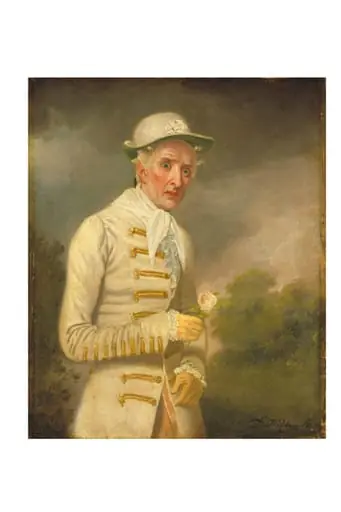 William Farren as Lord Ogleby in <i>The Clandestine Marriage</i> by George Colman the Elder and David Garrick
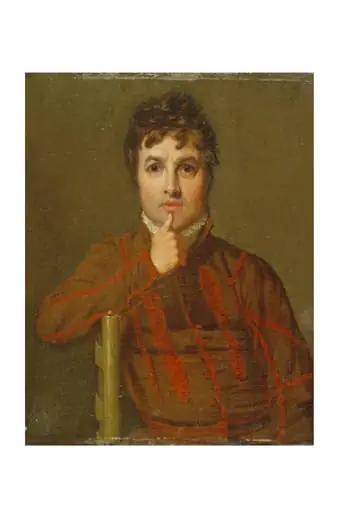 John Philip Kemble in a Comic Role
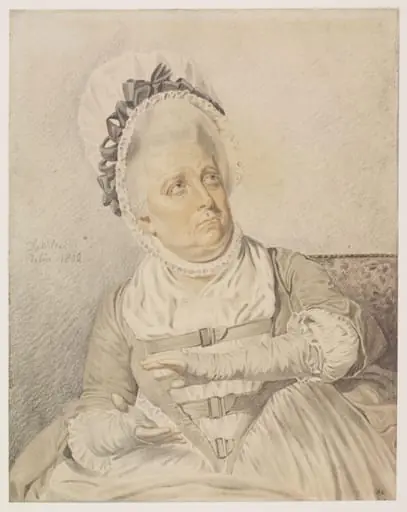 Mrs. Davenport as Dame Ashfield in Morton's 'Speed the Plough'
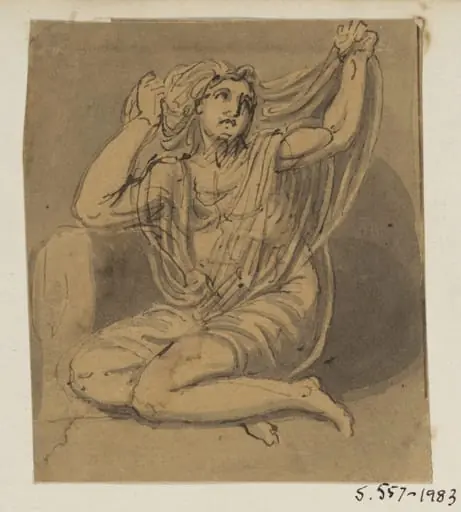 Untitled
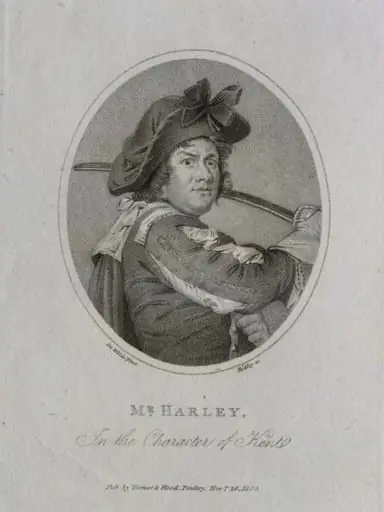 H Beard Print Collection
 H Beard Print Collection
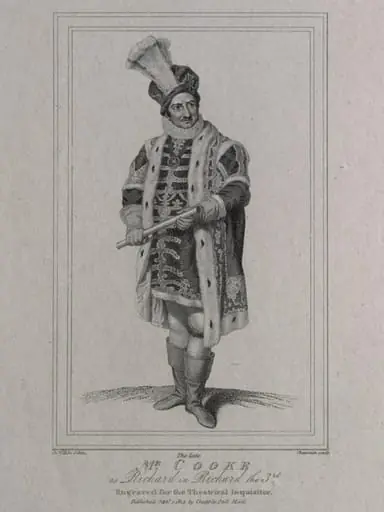 H Beard Print Collection
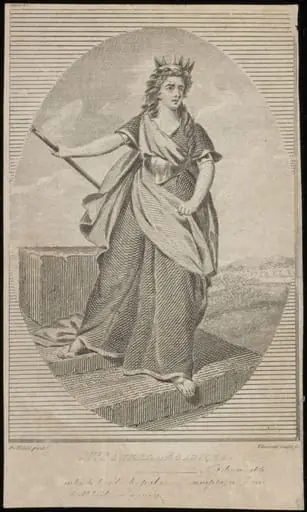 H Beard Print Collection
![Man Holding a Book [recto], by Thomas Sully](https://artifactworldgallery.com/img/thomas-sully--man-holding-a-book-recto--a5837a72902594d4-w320.webp)