Artwork
Nud
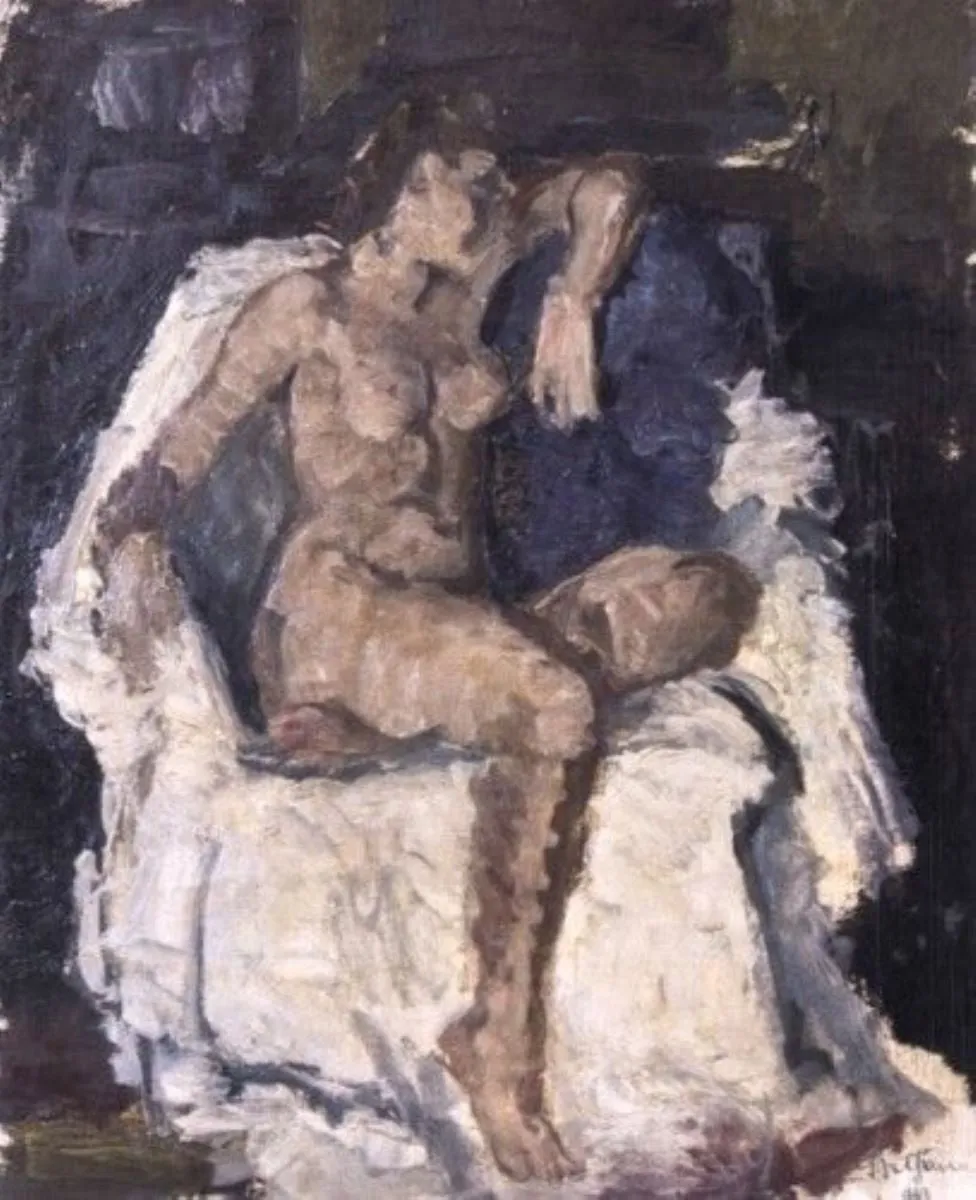
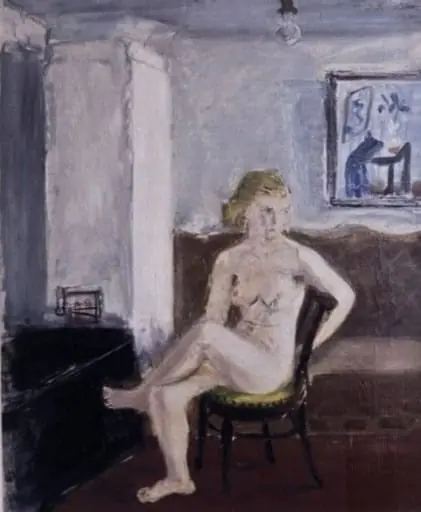
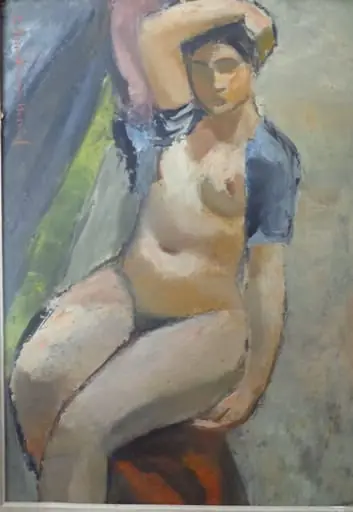
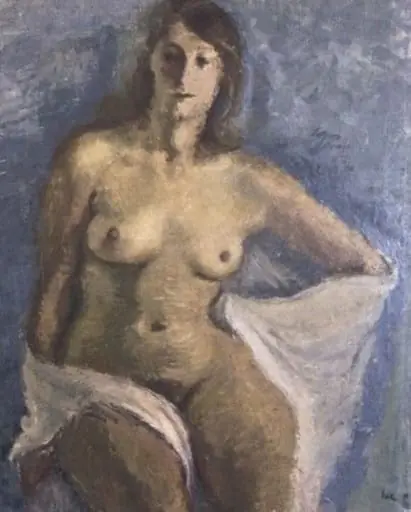
Nud is an unspecified painting by Petre Suțianu. It dates from 1943 and is held in the collection of the National Museum of Art of Romania.
About this work
Overview
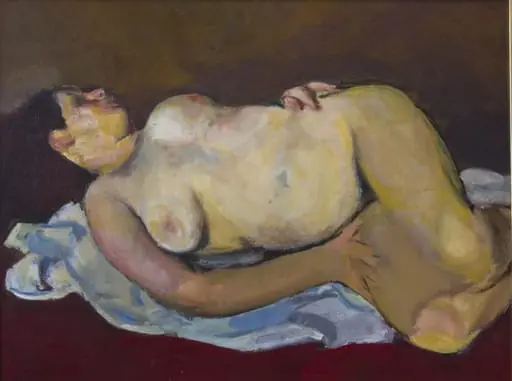
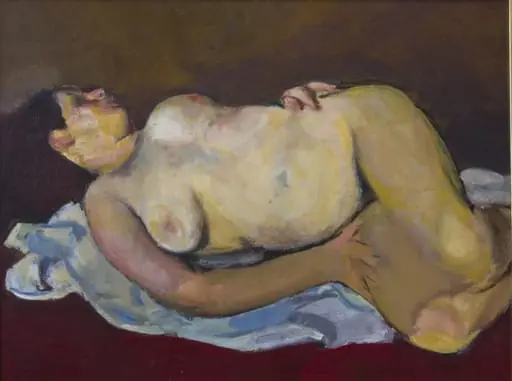
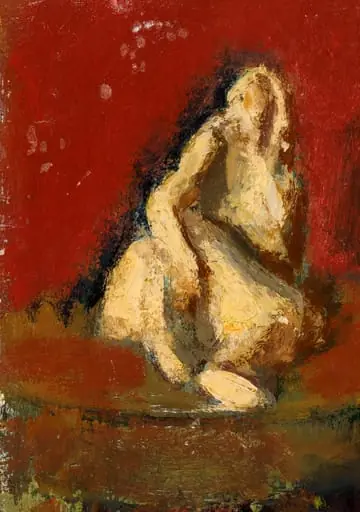
Created in 1943 by Romanian artist Petre Suțianu, this untitled work depicts two intertwined figures on a rugged, indeterminate surface.
Created in 1943 by Romanian artist Petre Suțianu, this untitled work depicts two intertwined figures on a rugged, indeterminate surface. Rendered with minimal detail and a restrained palette, the painting conveys intimacy through physical proximity rather than narrative. The rough application of paint and muted tones suggest a focus on texture and mood over polished finish, aligning with expressive tendencies of mid-20th-century Eastern European art.
Subject & Meaning
The two figures, differentiated by skin tone and posture, lie in close contact on a barren ground. One rests atop the other, arms encircling; the lower figure lies still, one arm beneath the head. No facial features are defined, and clothing is suggested rather than detailed. The absence of context invites interpretation centered on human connection, vulnerability, or perhaps social contrast, without prescribing a single reading.
Technique & Style
Suțianu employs thick, irregular brushstrokes to build form, creating a tactile surface that emphasizes materiality over realism. The palette is limited to ochres, umbers, and off-whites, with shadows dissolving into the background. The paint is applied unevenly, leaving areas partially raw, as if the work was halted mid-process. This approach prioritizes emotional resonance over refinement, aligning with expressive, non-idealized representation.
History & Provenance
The painting was completed in 1943 during a period of political tension in Romania. Little documentation exists regarding its early ownership or exhibition history. It remains within private or institutional collections in Romania, with no public record of international display. Its survival through wartime conditions suggests it was preserved by the artist or a close associate, though its exact provenance remains partially obscured.
Context
Produced during World War II, the work reflects an artistic climate in Romania where figurative expression often turned inward amid societal upheaval. While official art promoted idealized realism, artists like Suțianu explored raw, personal themes. The painting’s lack of political symbolism and its focus on the human form suggest a quiet resistance to state-mandated aesthetics, favoring intimate observation over propaganda.
Legacy
Though not widely exhibited, the painting is recognized in Romanian art circles as an example of post-expressionist figuration. Its unpolished quality and emotional directness influenced later generations of artists seeking to break from academic norms. It remains a quiet reference point in discussions of Romanian modernism, valued for its honesty and restraint rather than its visibility.
Artist & collection
Artist
Petre Suțianu painted the human body in the 1940s, keeping the focus tight on form and light.