Artwork
Hendrick Goltzius
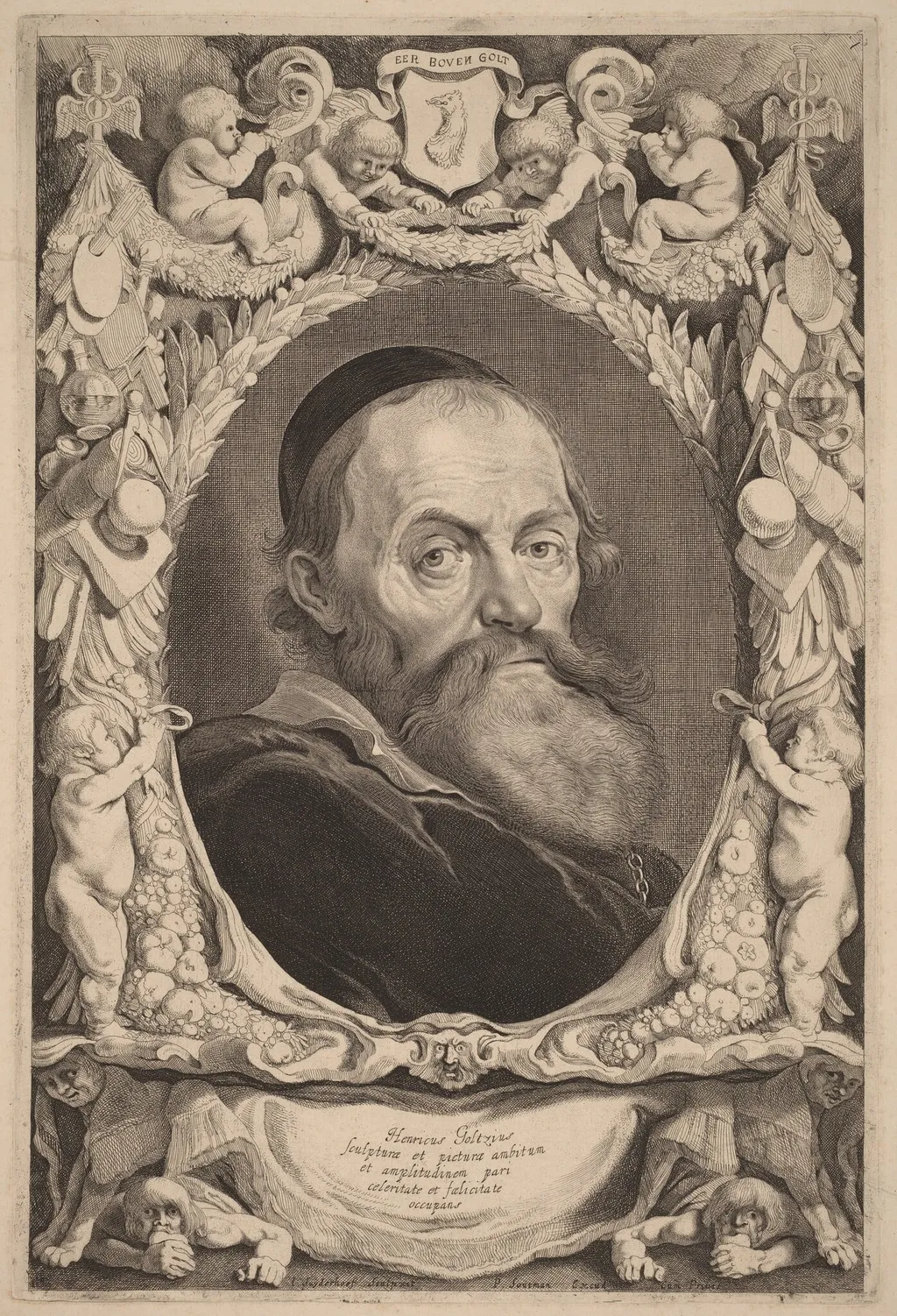
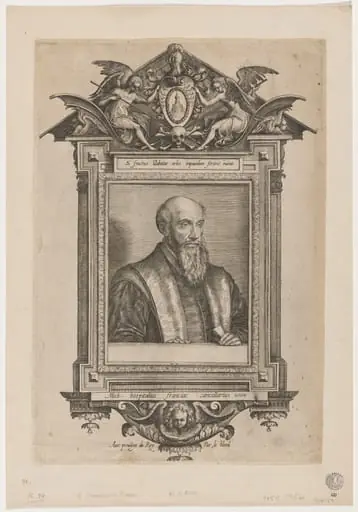
Hendrick Goltzius is an ink print by the Baroque artist Jonas Suyderhoff. It dates from 1649 and is held in the collection of the National Gallery of Art.
About this work
Overview
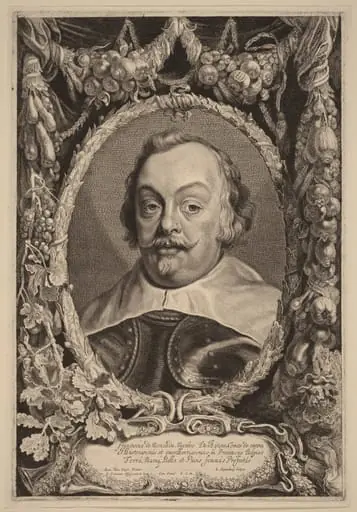
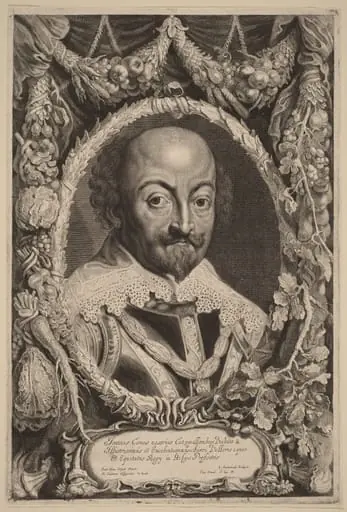
Rendered through a combination of etching and engraving on laid paper, the image is framed by an elaborate ornamental border that surrounds the central figure.
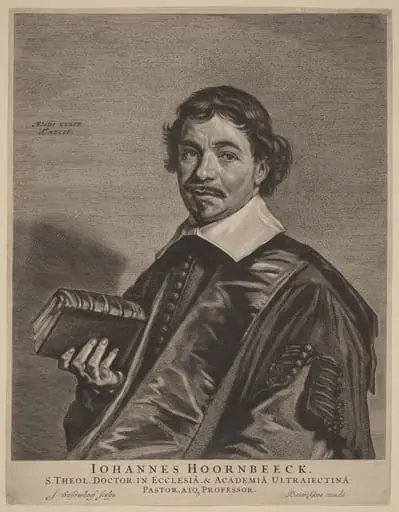
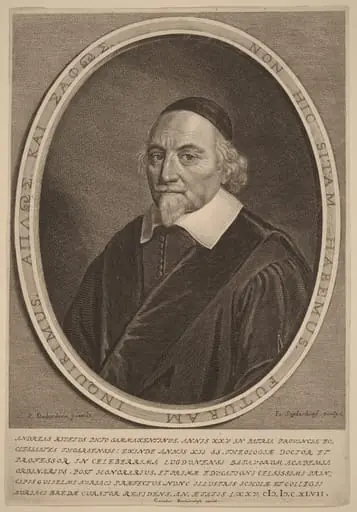
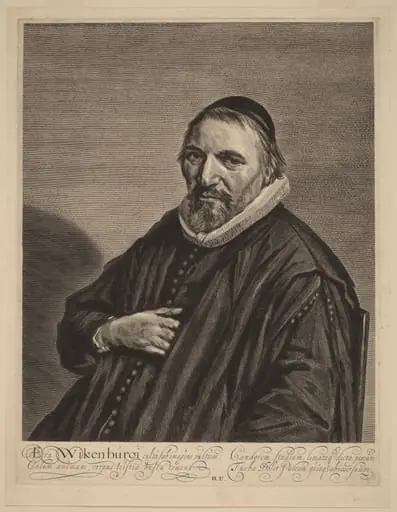
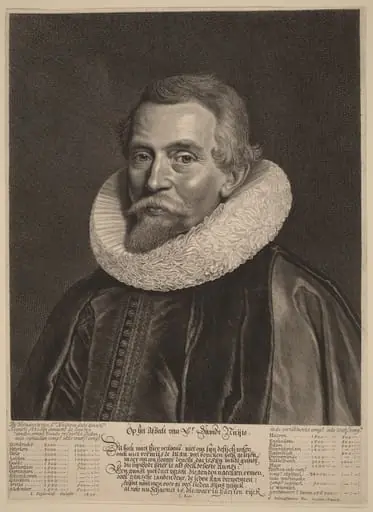
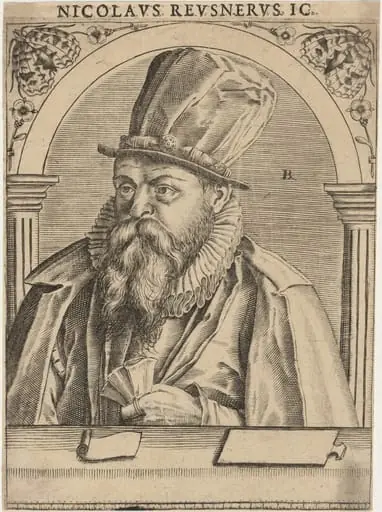
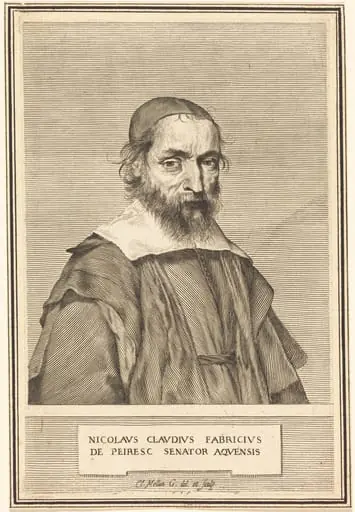
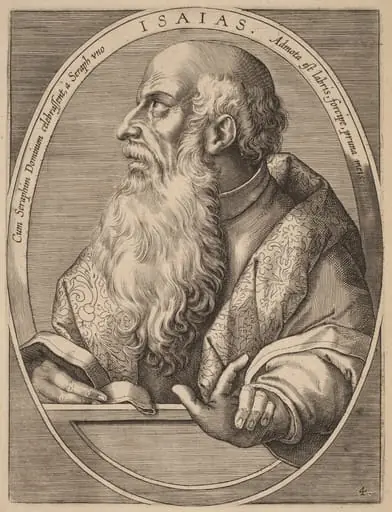
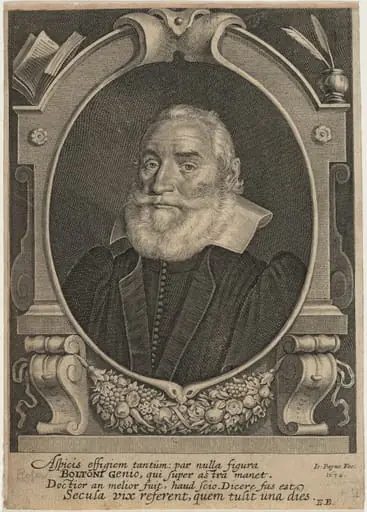
The print, executed in 1649 by Jonas Suyderhoff, presents a portrait of the Dutch artist Hendrick Goltzius. Rendered through a combination of etching and engraving on laid paper, the image is framed by an elaborate ornamental border that surrounds the central figure. The composition balances the sober likeness of the sitter with a richly decorated periphery, characteristic of mid‑seventeenth‑century printmaking.
Subject & Meaning
At the heart of the work stands a bearded man, his white beard flowing beneath a black hat, clothed in a dark robe that conveys a scholarly or professional bearing. The surrounding border, populated by cherubic figures, foliage and assorted motifs, serves to elevate the portrait’s status, suggesting the subject’s cultural importance and aligning him with the artistic ideals of his era.
Technique & Style
Suyderhoff employed both etching, which allows for fluid, spontaneous lines, and engraving, which provides crisp, controlled detail. The contrast between the soft modeling of the face and the sharply rendered decorative border demonstrates a mastery of line work typical of Baroque print aesthetics, where dynamic composition and intricate ornamentation were prized.
History & Provenance
Created in the mid‑seventeenth century, the print reflects the period’s practice of honoring eminent artists through portraiture. While the original paper and ink have endured, the work has likely passed through private collections before entering public holdings, illustrating the continued interest in Goltzius’s legacy and the craftsmanship of his contemporaries.
Context
The elaborate framing and decorative motifs align the portrait with the Baroque movement, which favored theatricality, movement, and lavish detail. Such ornamental borders were common in prints intended for collectors, serving both as visual enrichment and as a means to convey the cultural prestige of the depicted individual within the broader artistic milieu of the Dutch Golden Age.
Artist & collection