Artwork
Portrait of a Man with a Long Beard
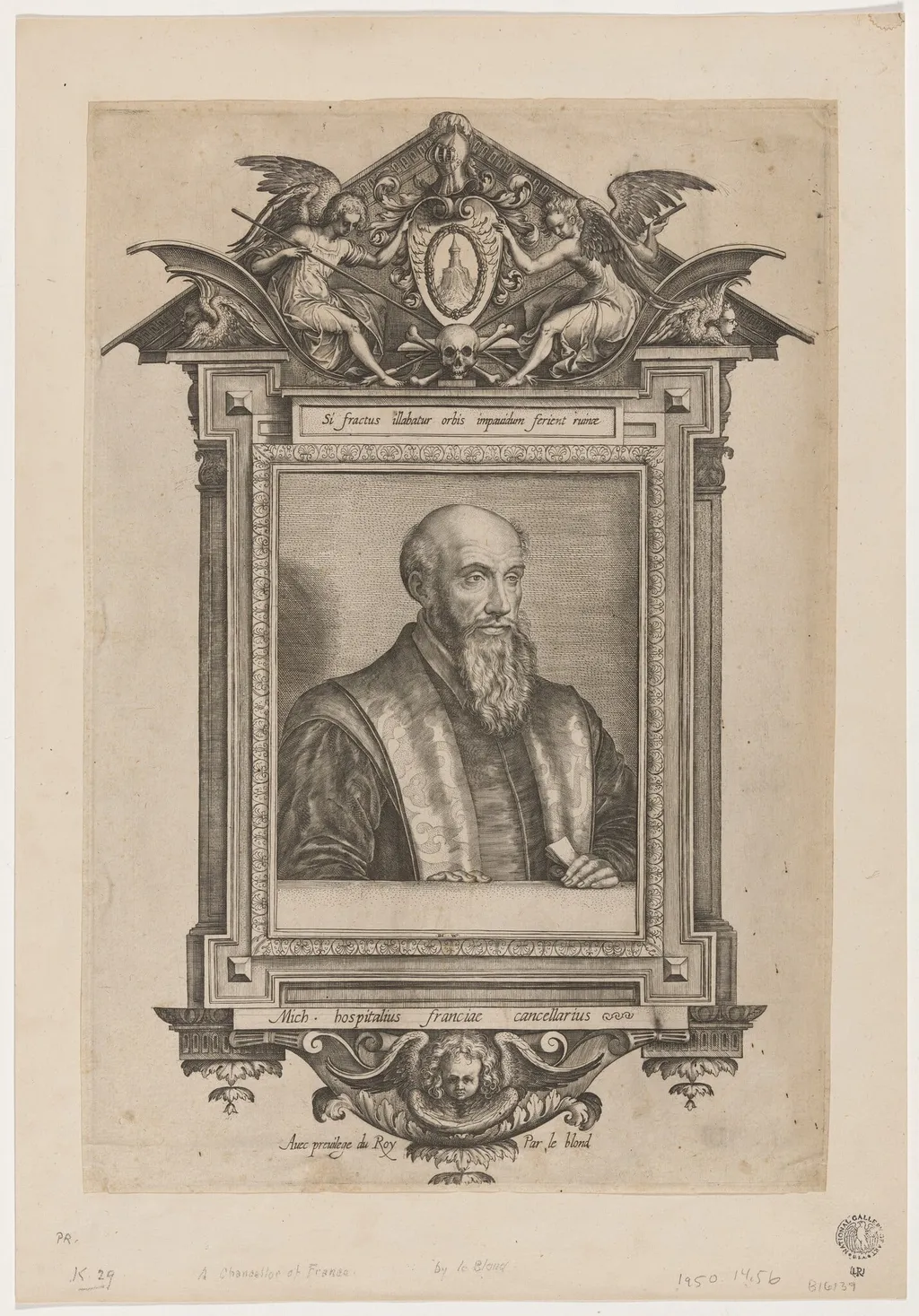
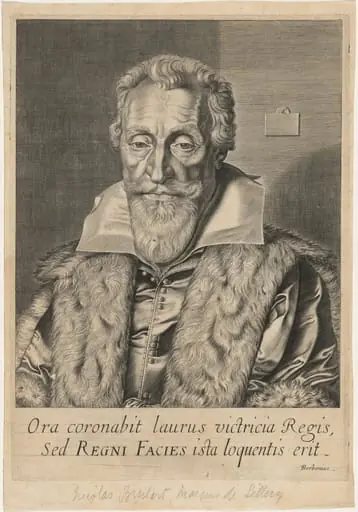
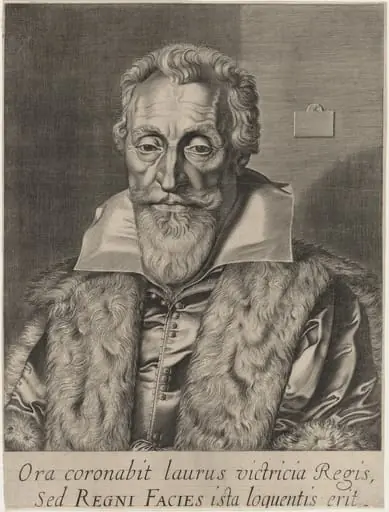
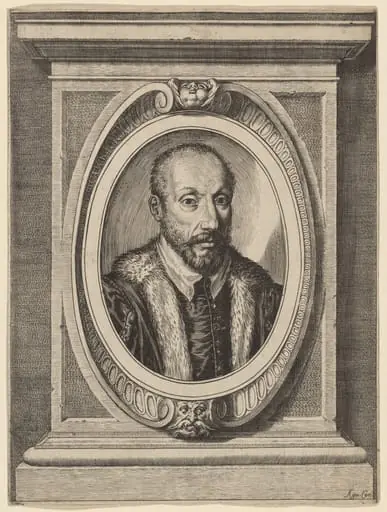
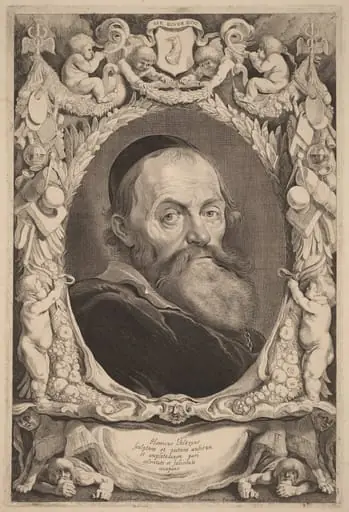
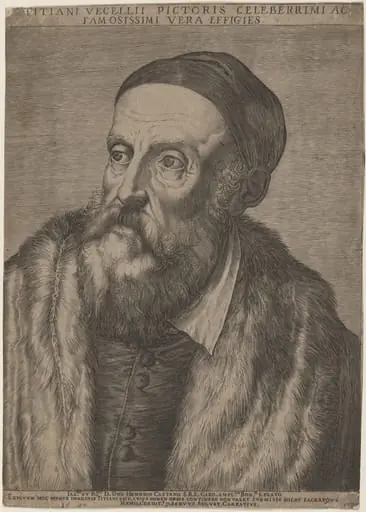
Portrait of a Man with a Long Beard is an ink print by the Romanticist artist Unknown 19th Century. It dates from 1850 and is held in the collection of the National Gallery of Art. This engraving presents a half-length portrait of an elderly man with a long white beard, dressed in a dark robe and lighter vest.
About this work
Overview
The work emphasizes quiet dignity through restrained composition and precise line work, typical of printed portraiture in the early 19th century.
This engraving presents a half-length portrait of an elderly man with a long white beard, dressed in a dark robe and lighter vest. Rendered in high contrast tones, the figure emerges from a flat, uniform background that eliminates distraction. His hands rest on an unseen surface, and his gaze meets the viewer directly. The work emphasizes quiet dignity through restrained composition and precise line work, typical of printed portraiture in the early 19th century.
Subject & Meaning
The subject appears as a figure of contemplative authority, his aged features and solemn expression suggesting wisdom or inner resolve. The absence of identifying symbols or context invites interpretation as a universal type rather than a specific individual. The direct eye contact creates an intimate, almost confrontational engagement, reinforcing themes of introspection and human presence common in Romantic-era portraiture.
Technique & Style
Executed as an engraving, the image relies on fine linear incisions to model form and texture. The artist uses gradations of shadow and highlight to sculpt the face, hands, and fabric folds, achieving volume without color. The beard is rendered with delicate, parallel strokes that capture its weight and texture. The background’s uniformity enhances the figure’s three-dimensionality, focusing attention on subtle tonal transitions.
History & Provenance
The work’s origin remains undocumented in public records, with no known artist attribution or early ownership history. As a print, it likely circulated as a reproductive image or standalone study, possibly derived from a painted prototype. Its survival suggests it was valued for its technical precision and psychological depth, though its exact date and place of creation are uncertain.
Context
Emerging during the Romantic period, this portrait aligns with broader cultural interests in individual character and emotional depth. While Romanticism often favored dramatic landscapes or heroic figures, intimate portraits like this one reflected a quieter, more personal strand of the movement—valuing inner life over external spectacle. Engravings such as this served as accessible vehicles for disseminating such ideals beyond elite circles.
Legacy
Though not widely exhibited or reproduced in major collections, this engraving exemplifies the enduring appeal of restrained, psychologically attuned portraiture in print form. It contributes to a lesser-known but significant body of 19th-century graphic art that prioritized human presence over narrative spectacle. Its quiet intensity continues to resonate in studies of visual representation and the ethics of gaze in portraiture.
Artist & collection

Artist