Artwork
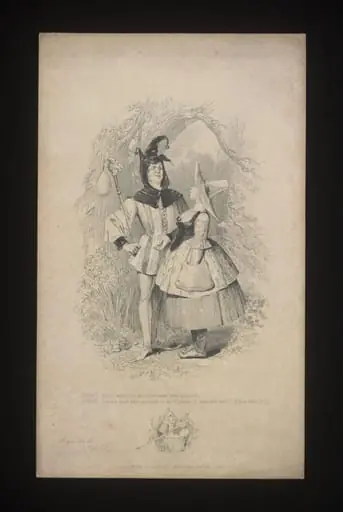
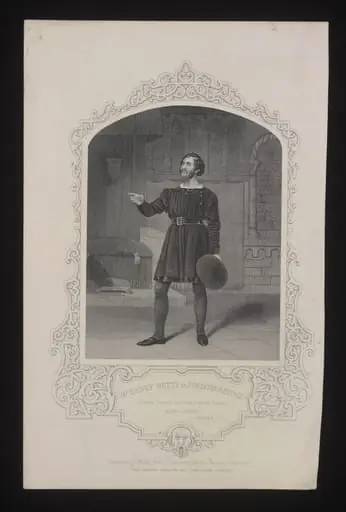
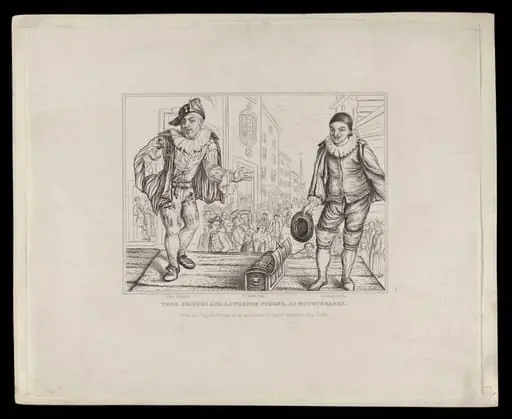
Mr. Compton as Launce
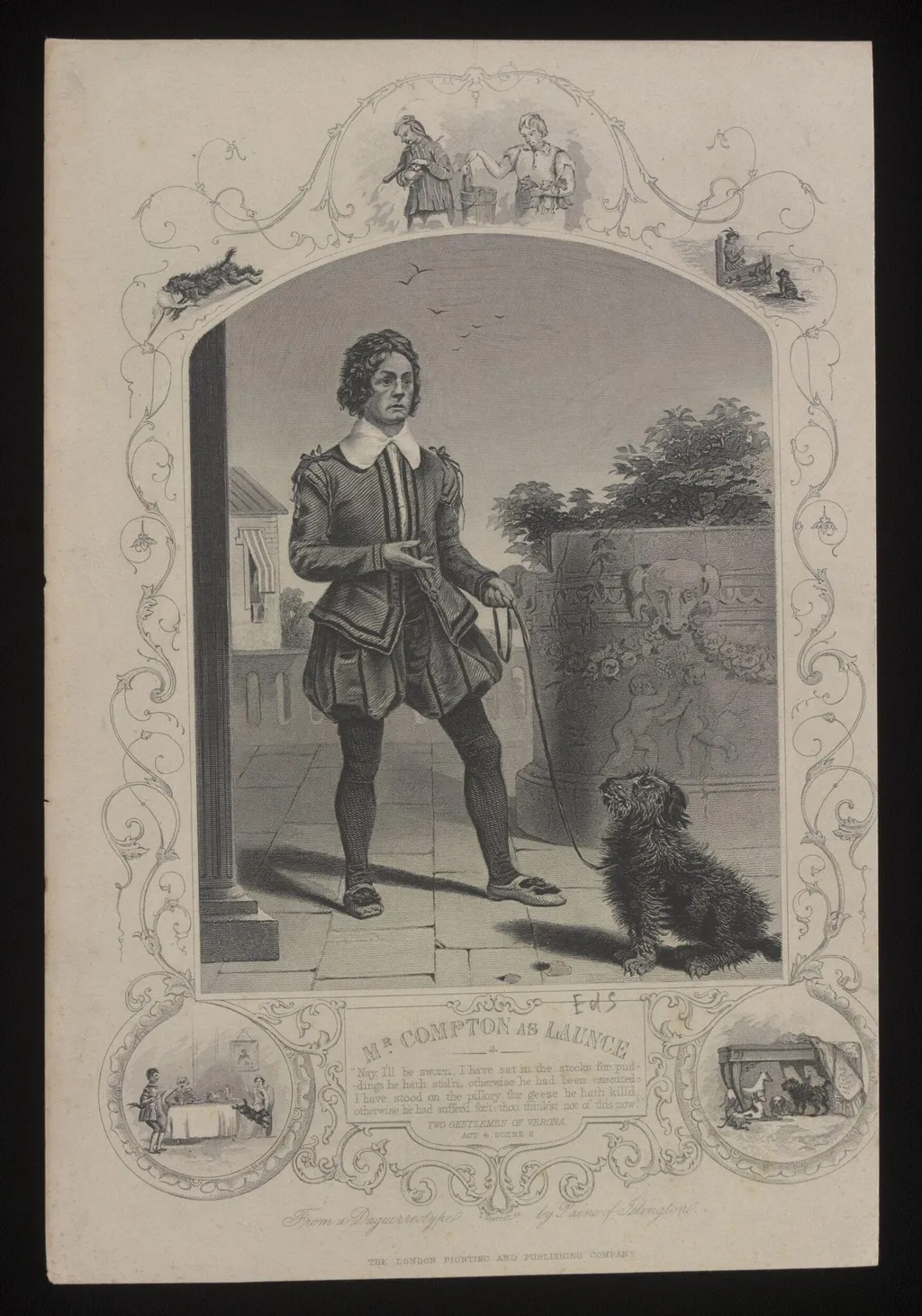
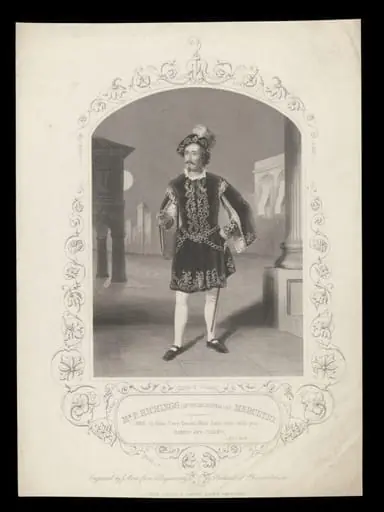
Mr. Compton as Launce is a print by T. Sherratt. It dates from 1850 and is held in the collection of the Victoria and Albert Museum. This 19th-century engraving depicts actor Mr.
About this work
Overview
This 19th-century engraving depicts actor Mr. Compton in the role of Launce from Shakespeare’s The Two Gentlemen of Verona. Created by T. Sherratt, the print is part of the Harry Beard Collection held by the Victoria and Albert Museum. It reflects a period when theatrical performances of Shakespeare were widely documented through printed media, preserving stage portrayals for public consumption.
Subject & Meaning
Launce, a comic servant in Shakespeare’s play, is portrayed here in costume, capturing his characteristic humor and physicality.
Launce, a comic servant in Shakespeare’s play, is portrayed here in costume, capturing his characteristic humor and physicality. The engraving emphasizes the actor’s embodiment of the character rather than a literal scene from the text. It serves as a record of how 19th-century performers interpreted Shakespearean roles, highlighting the blend of tradition and personal expression in stage acting of the time.
Technique & Style
Executed as a line engraving, the print uses fine, controlled strokes to render costume details and facial expression. The composition is centered and static, typical of theatrical portraiture of the era, prioritizing clarity and recognition over dynamic movement. The monochrome palette and precise linework reflect the conventions of print reproduction before the advent of photography.
History & Provenance
The print originates from the Harry Beard Collection, assembled in the 19th century by a noted theatre enthusiast. Acquired by the Victoria and Albert Museum, the collection preserves visual records of British stage performances. This engraving, attributed to T. Sherratt, was likely produced for distribution among theatregoers or collectors interested in contemporary actors and their roles.
Context
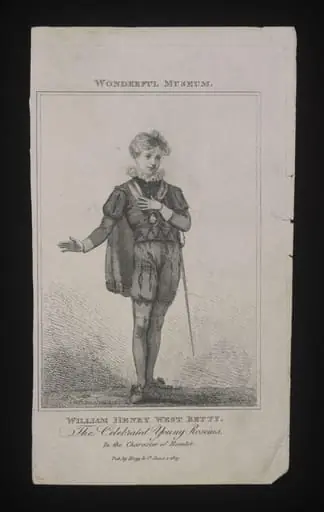
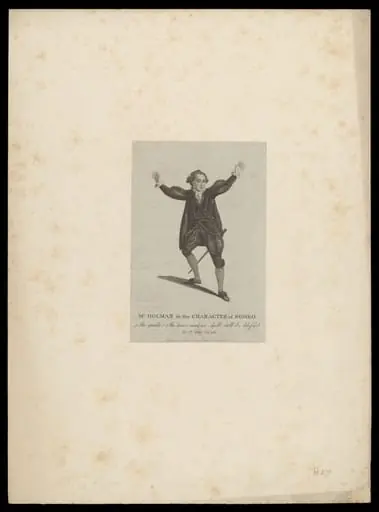
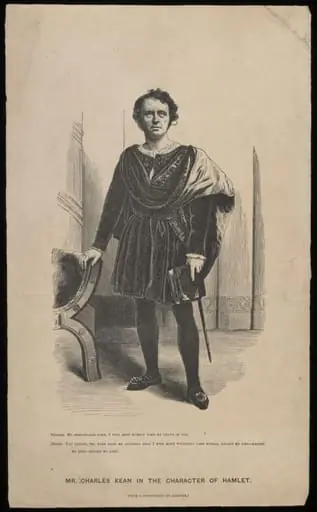
During the 1800s, Shakespeare’s plays experienced a revival in British theatre, with actors becoming public figures. Engravings like this one circulated as affordable souvenirs, bridging the gap between live performance and domestic culture. They helped standardize visual associations between actors and characters, shaping how audiences imagined Shakespeare’s figures beyond the stage.
Legacy
As part of the V&A’s archival holdings, the engraving contributes to the study of 19th-century performance history. It offers insight into how theatrical identity was constructed and preserved before photographic documentation became common. Such prints remain valuable for understanding the material culture of theatre and the evolving relationship between actor and role in the Victorian era.
Artist & collection
Artist
This 19th-century artist carved and printed lively scenes full of people and pets.