Artwork
Circassian on horseback
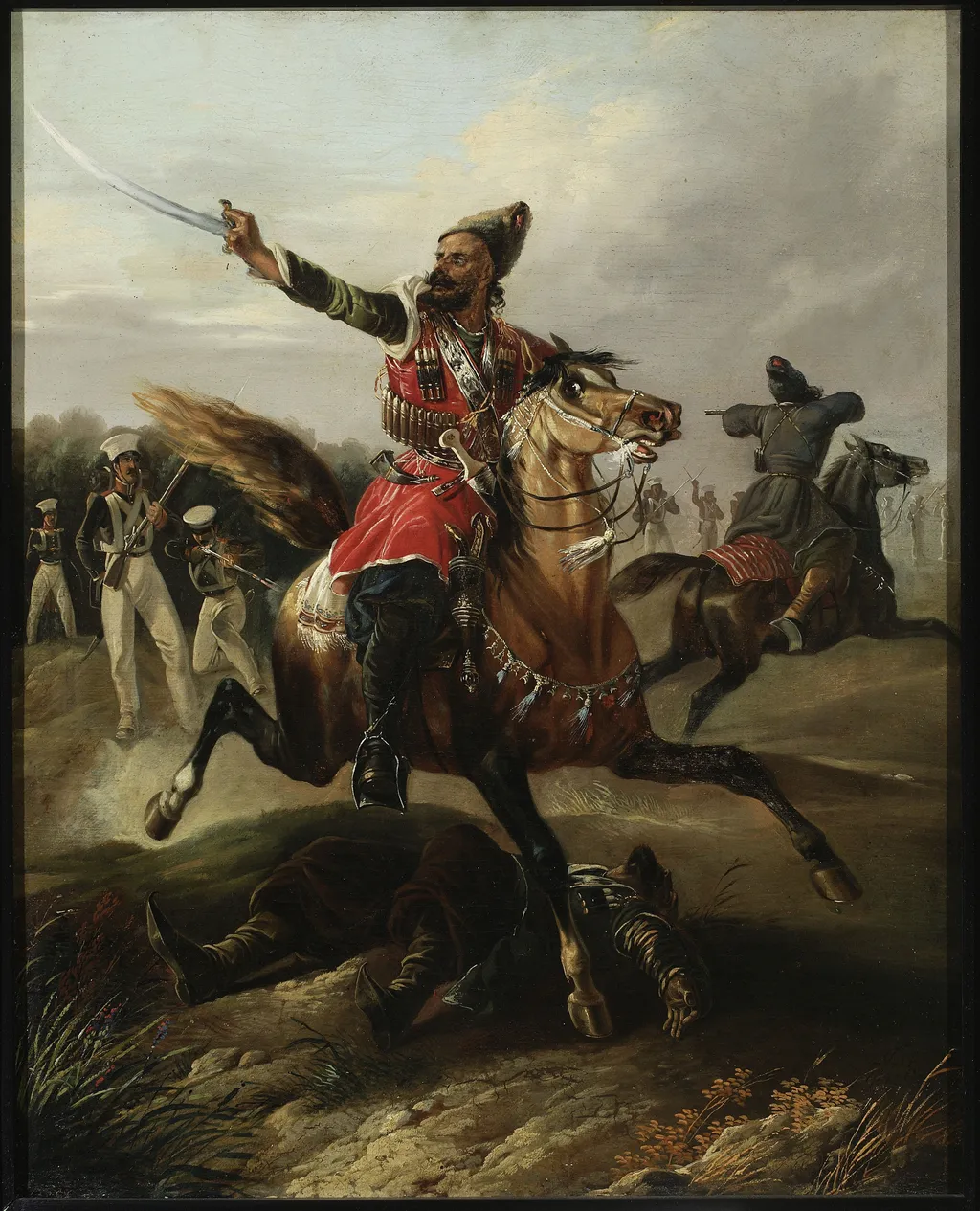
Circassian on horseback is an oil painting by Tadeusz Brodowski. It dates from 1841 and is held in the collection of the National Museum in Warsaw.
About this work
Overview
The work is part of the National Museum in Warsaw’s collection, reflecting his engagement with dynamic mounted figures and military atmosphere.
Tadeusz Brodowski painted *Circassian on horseback* in 1841, during the final years of his short life. A Polish artist with a focused interest in equestrian themes, he rendered this scene in oil on canvas. The work is part of the National Museum in Warsaw’s collection, reflecting his engagement with dynamic mounted figures and military atmosphere. Though his career spanned less than two decades, Brodowski’s output centered on the movement and presence of riders in action.
Subject & Meaning
The painting portrays a Circassian warrior on horseback, clad in a red tunic and distinctive headgear, sword raised as if engaged in combat. Surrounding figures, rendered with looser brushwork, suggest a skirmish in the background. The central figure is isolated by composition and lighting, emphasizing individual valor amid chaos. The subject reflects 19th-century European fascination with Caucasian peoples, often romanticized as noble warriors, though the painting avoids overt narrative or political commentary.
Technique & Style
Brodowski employed chiaroscuro to heighten the drama, directing light toward the rider’s form and contrasting it with shadowed surroundings. The horse, marked by a white facial stripe, is rendered with careful attention to musculature and motion. Background figures are simplified, creating spatial depth without distracting from the foreground. Textures in fabric, leather, and fur are delicately suggested, demonstrating the artist’s skill in capturing detail without overloading the composition.
History & Provenance
Completed in 1841, the painting entered the National Museum in Warsaw’s holdings shortly after Brodowski’s death in 1848. It remained within Polish institutional collections, preserving its cultural significance amid shifting political landscapes. No major private ownership or international exhibition history is documented, suggesting its importance has been primarily national, tied to Polish artistic identity and interest in Eastern European military themes.
Context
Brodowski worked during a period when Polish artists often turned to historical and exotic subjects following the failed uprisings of the 1830s. The Circassian figure, though not Polish, aligned with broader Romantic-era interests in nomadic warriors and resistance. His focus on equestrian scenes may have resonated with Polish traditions of cavalry and national memory, even as he drew inspiration from distant cultures depicted in contemporary travel literature and military reports.
Legacy
Though Brodowski’s career was brief and his name less known internationally, *Circassian on horseback* remains a representative example of mid-19th-century Polish equestrian painting. It contributes to the understanding of how Polish artists engaged with non-native subjects through a lens of admiration and formal precision. The work continues to be studied for its technical discipline and its place within the broader Romantic tradition in Eastern European art.
Artist & collection
Artist
Tadeusz Brodowski (2 September 1821, Warsaw - 31 March 1848, Paris) was a Polish painter; primarily known for scenes with horses.

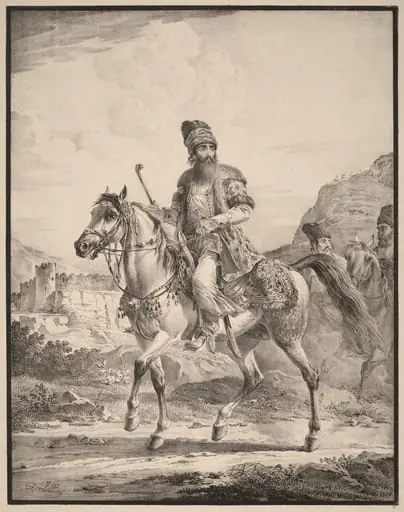 A Persian on Horseback
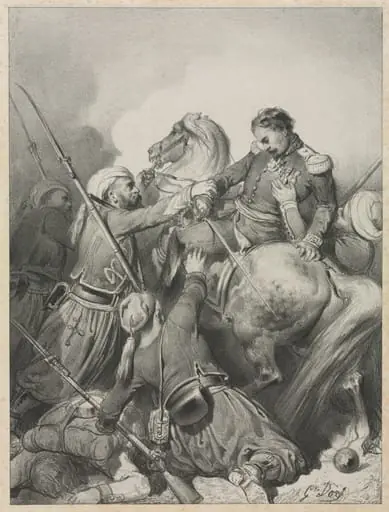 Sardinian Officer
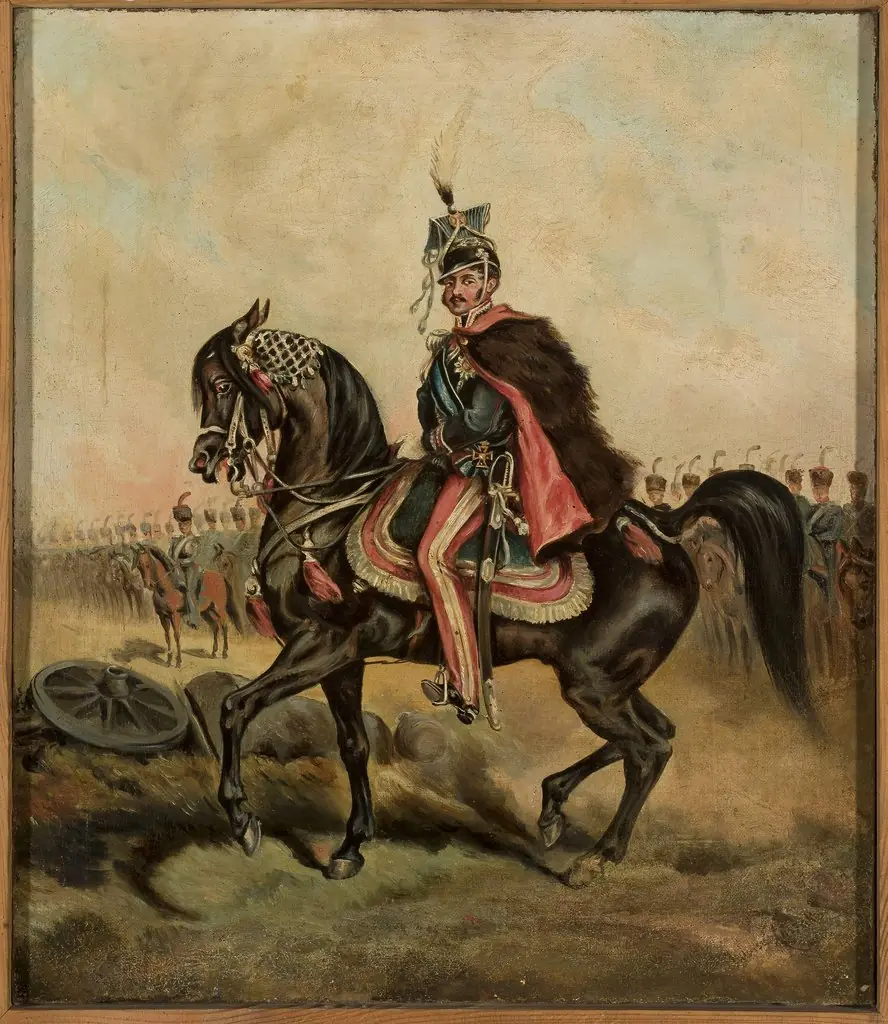 Prince Józef Poniatowski on the “Szuma” mare from Sanguszka stud farm
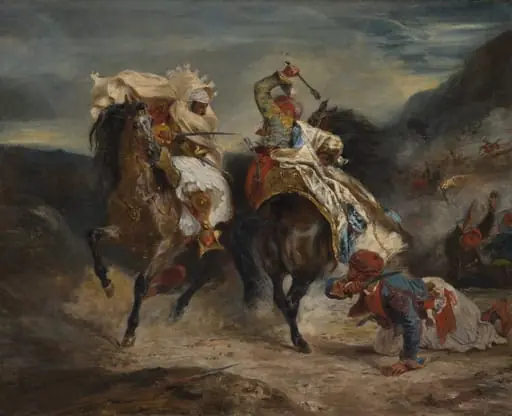 The Combat of the Giaour and Hassan
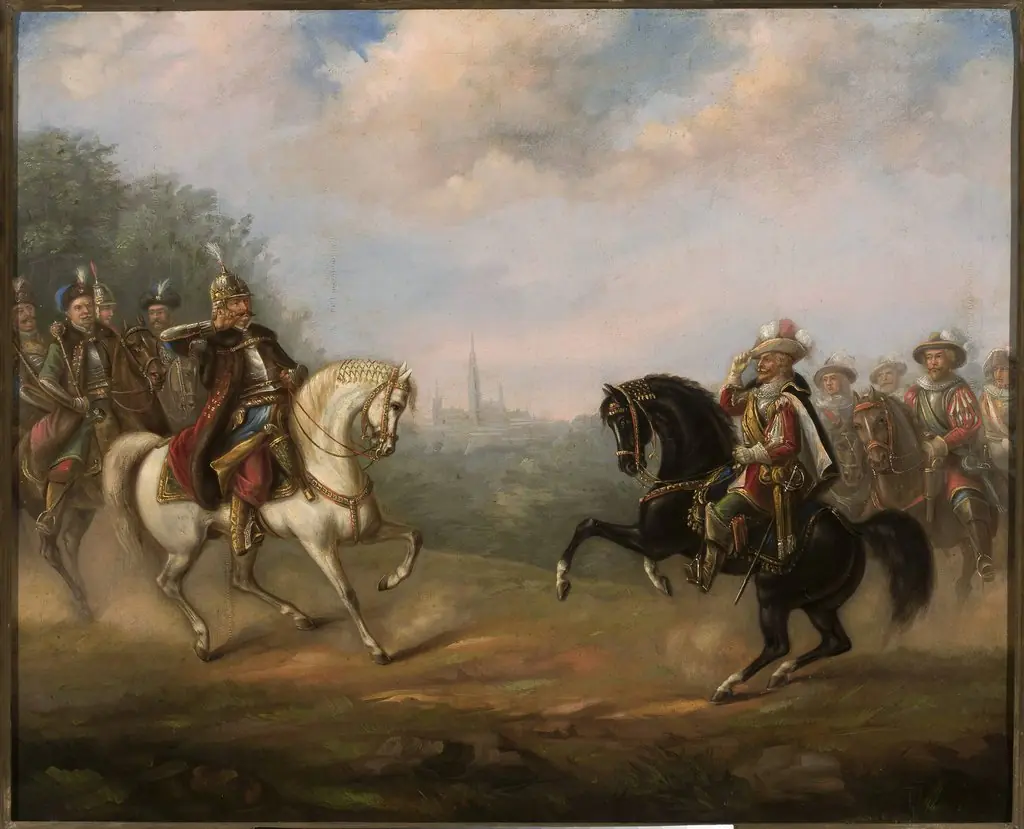 King John III Sobieski meets emperor Leopold at Vienna
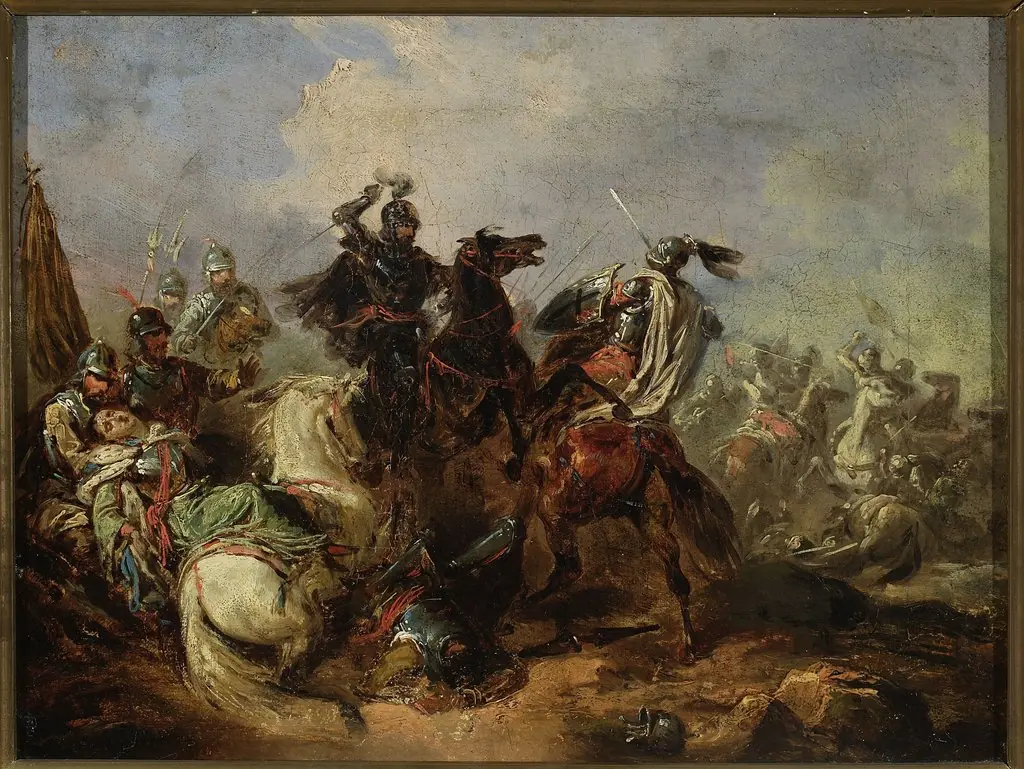 Battle of Lithuanians with the Teutonic knights
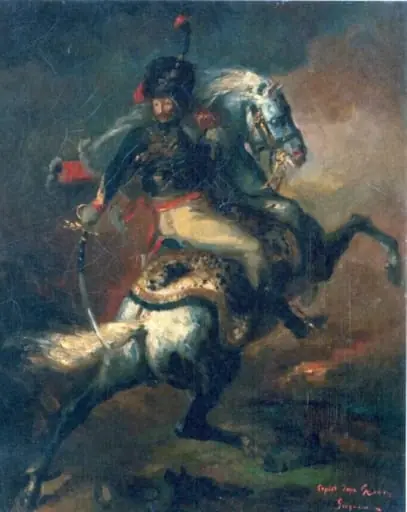 Ofițer de vânători călare (Copie după Gericault)
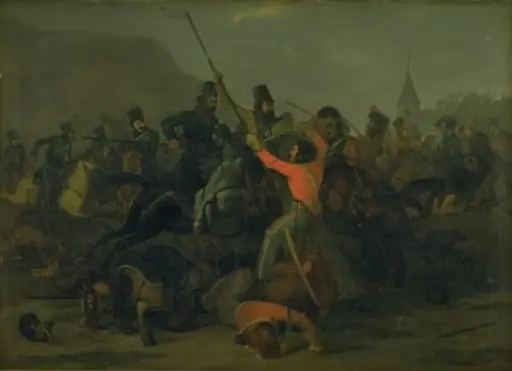 Oberst Boncke Bönnichsens fald den 6. december 1813 under en fægtning mellem jyske dragoner og kosakker
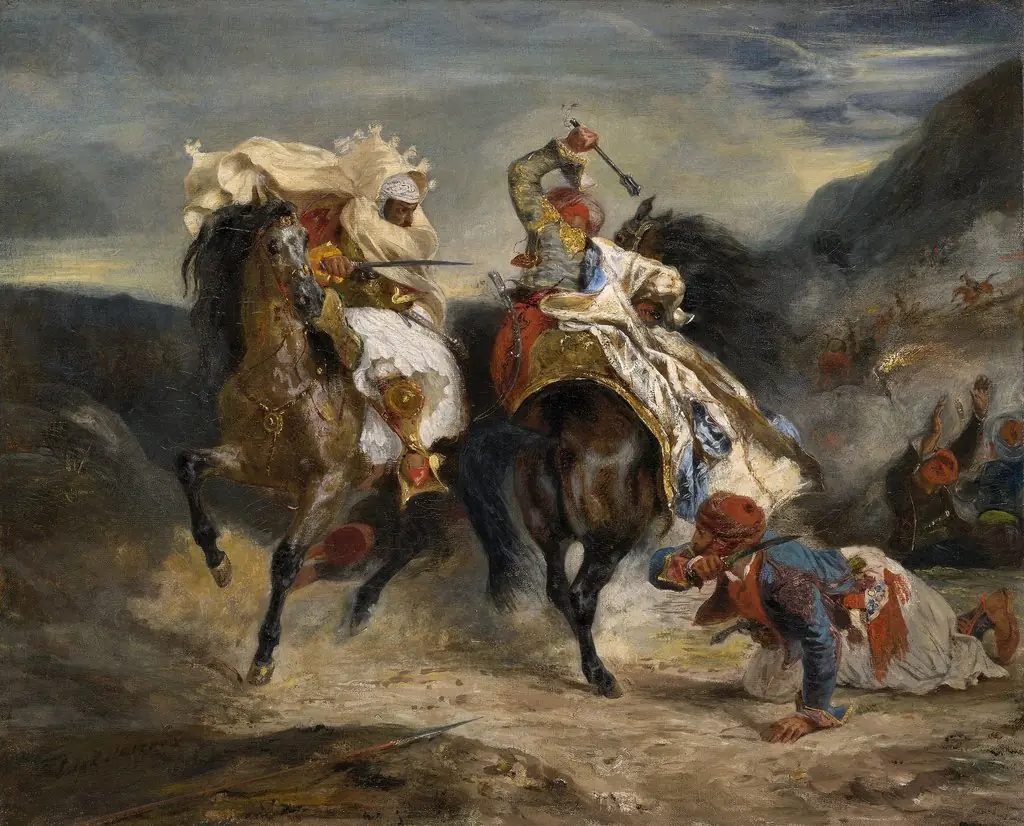 The Combat of the Giaour and Hassan
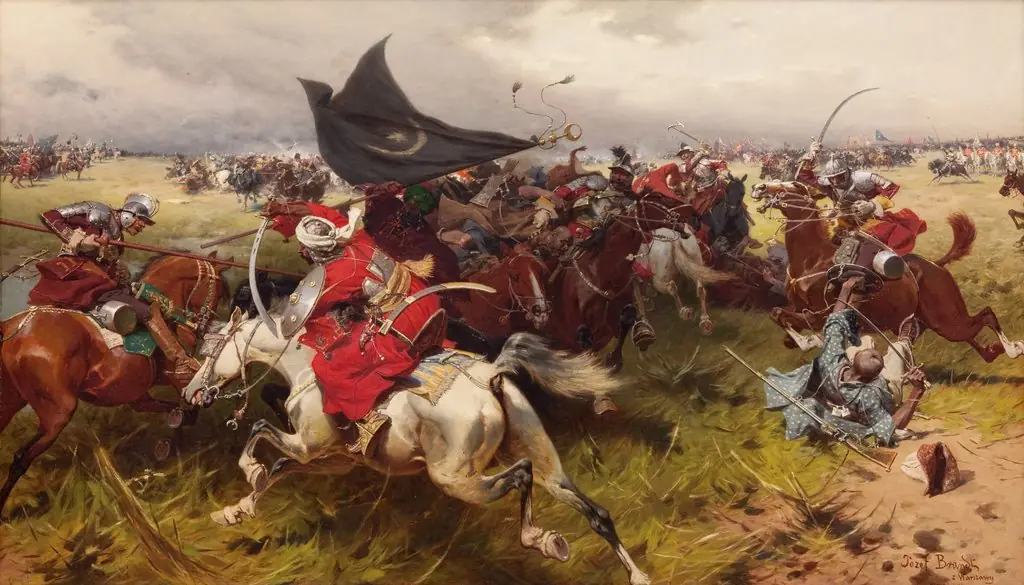 Fight for a Turkish Standard