Artwork
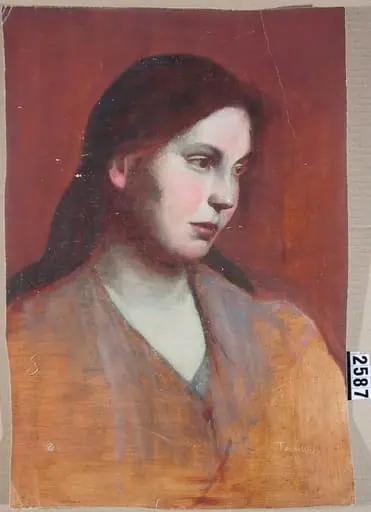
Portret de fată
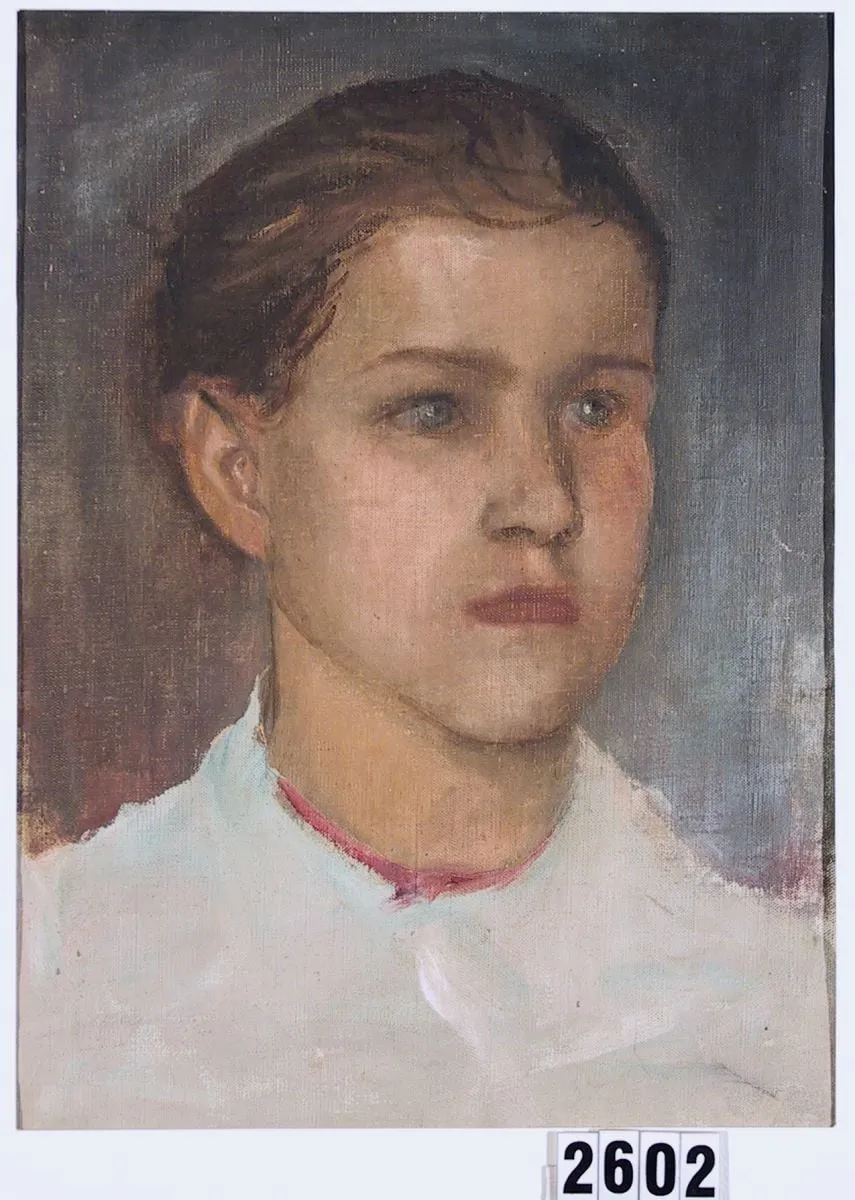
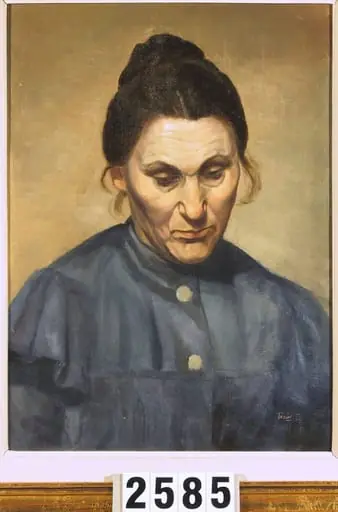
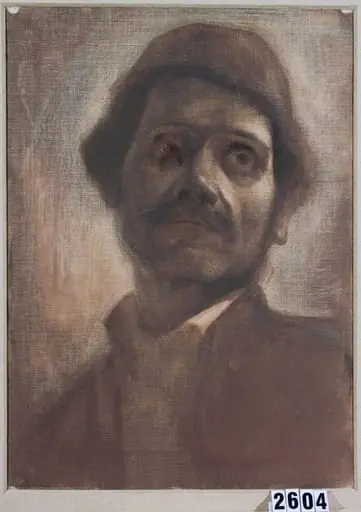
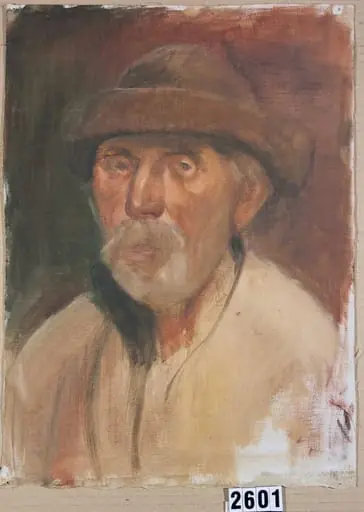
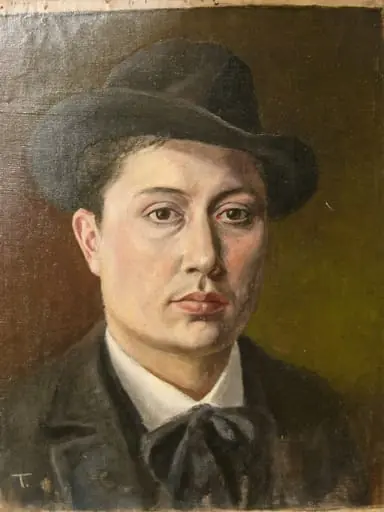
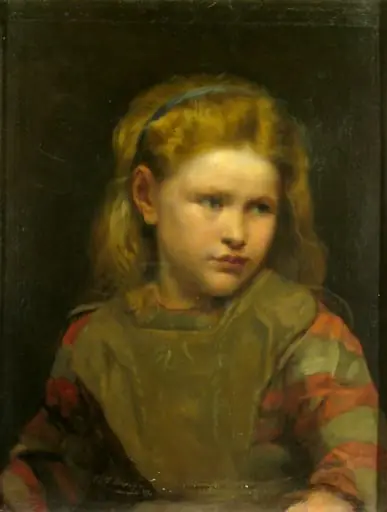
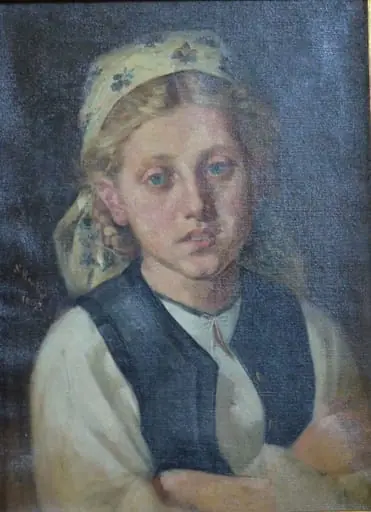
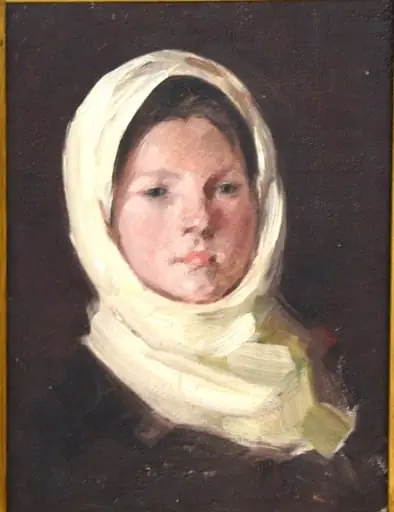
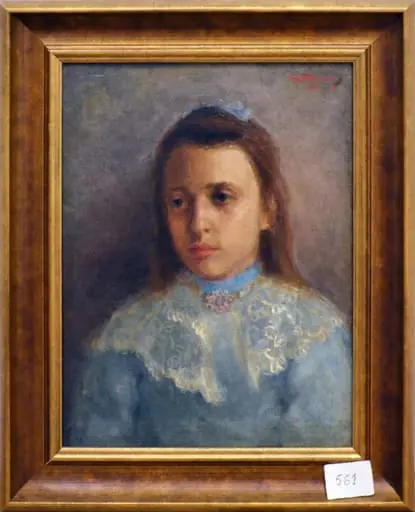
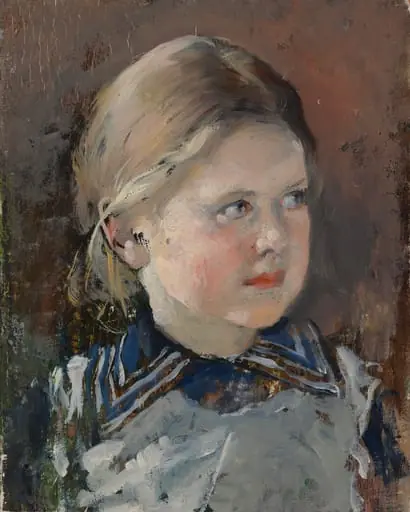
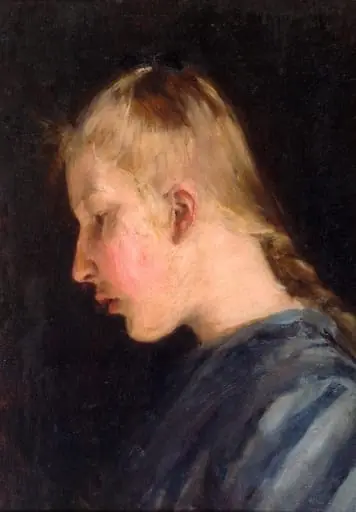
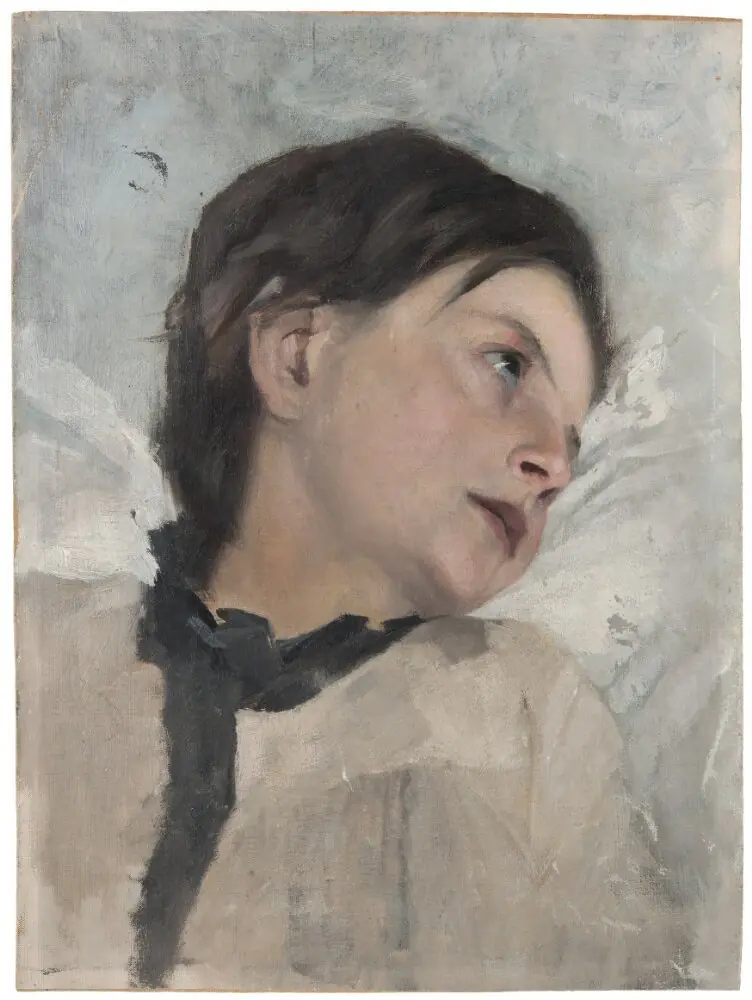
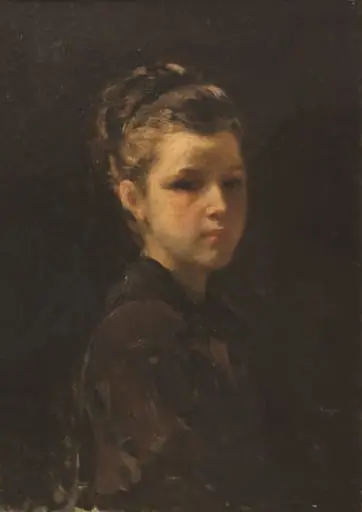
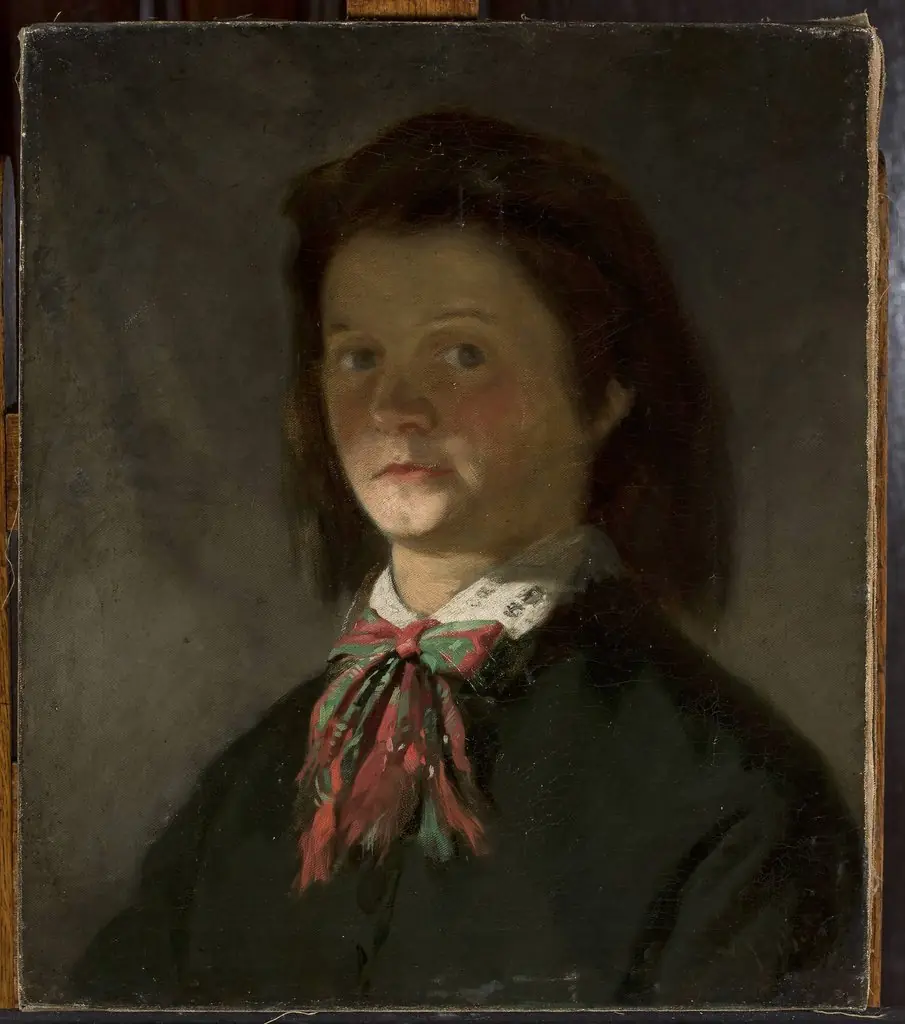
Portret de fată is an unspecified painting by Emerich Tamás. It is held in the collection of the Brukenthal National Museum. This portrait depicts a young girl rendered in a restrained, intimate manner.
About this work
Overview
This portrait depicts a young girl rendered in a restrained, intimate manner. The composition eliminates extraneous detail, centering her face against a dark, undefined background. The simplicity of her attire and the absence of context emphasize her presence as the sole subject, inviting quiet contemplation.
Subject & Meaning
The girl gazes directly at the viewer with a calm, unguarded expression. Her plain white shirt, edged with faint pink, suggests modesty rather than wealth. There is no hint of narrative or symbolism; the work focuses on the quiet dignity of an ordinary child, capturing a moment of stillness rather than a staged identity.
Technique & Style
The artist employs subtle chiaroscuro to model the girl’s features, using soft transitions between light and shadow to suggest volume and texture. Skin and hair are rendered with delicate brushwork, avoiding harsh lines. The muted palette and lack of background detail concentrate attention on the nuanced gradations of tone across her face.
History & Provenance
The painting’s origin and early ownership are undocumented. It lacks a signature or dated inscription, and no archival records link it to a known collection prior to its modern appearance. Its survival suggests it was preserved privately, possibly within a family or local collector’s circle.
Context
Created during a period when portraiture often emphasized status or idealization, this work stands apart by its unadorned realism. It reflects a growing interest in individual presence over social rank, aligning with broader 19th-century shifts toward intimate, psychologically grounded depictions of everyday subjects.
Legacy
Though not widely exhibited or reproduced, the portrait contributes to a quieter tradition of non-idealized childhood representation. Its emphasis on quiet observation and technical restraint has influenced later artists seeking authenticity over ornamentation in figurative work.
Artist & collection
Artist
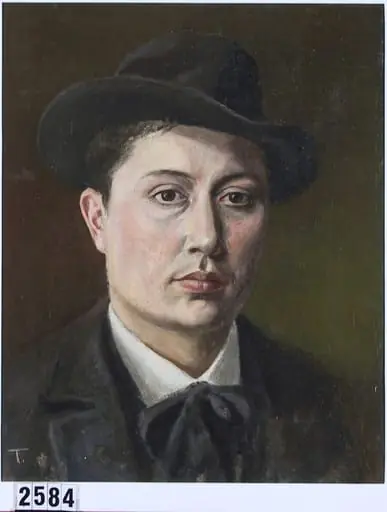
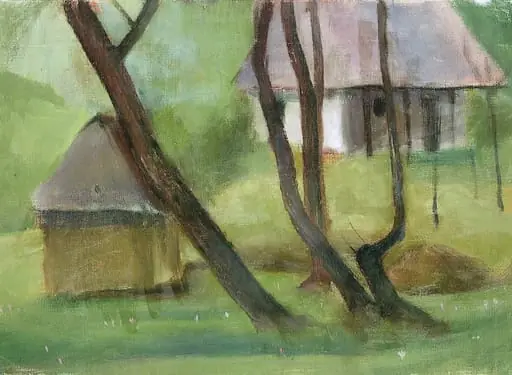
Emerich Tamás made portraits and scenes of everyday life using paint and print. In Femeie tânără and Portret de bărbat cu pălărie you’ll see quiet figures caught in soft light, while Peisaj cu colibe shows simple…