Artwork
Nihon Buyo
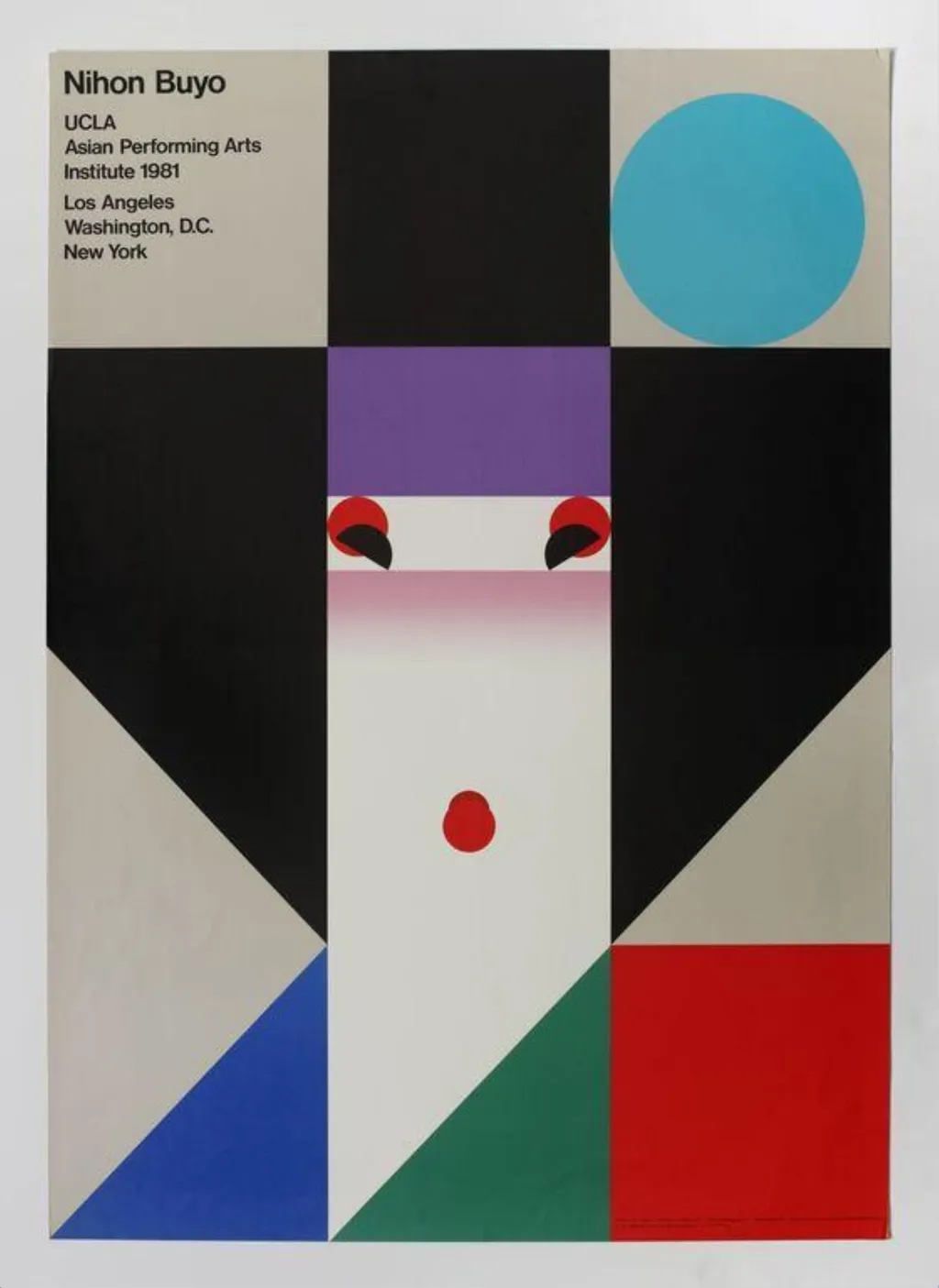
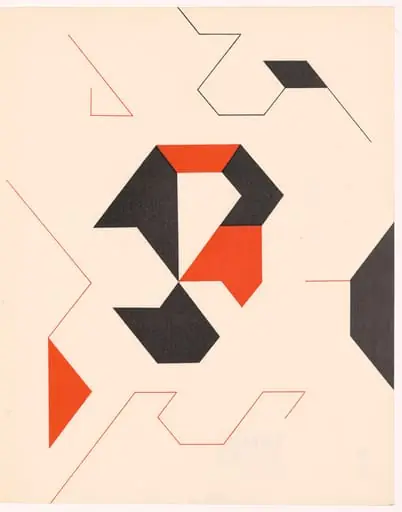
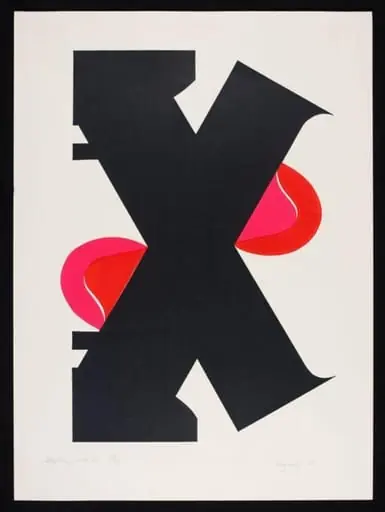
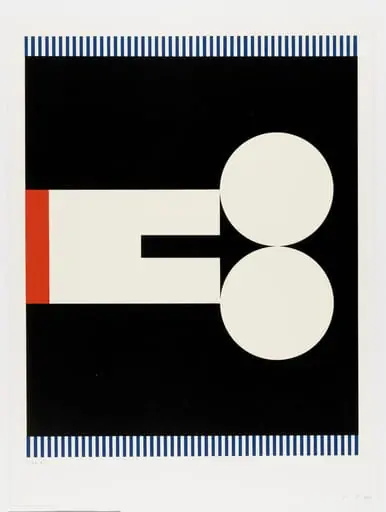
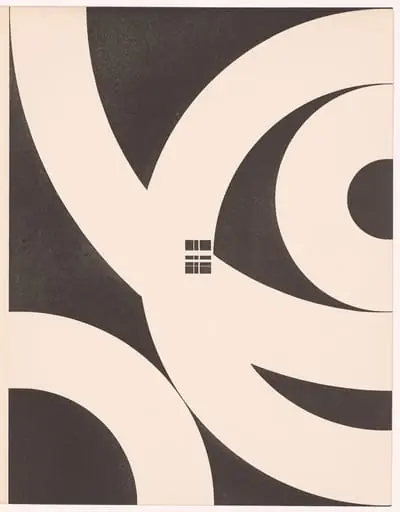
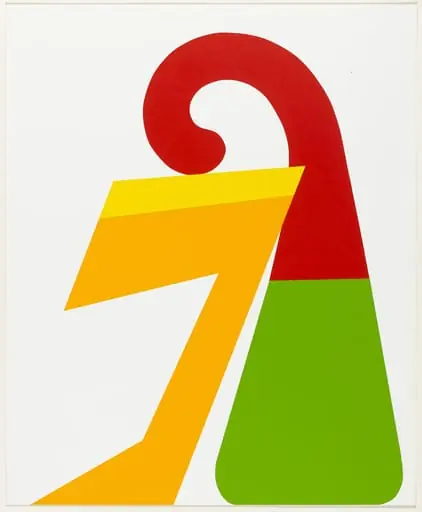
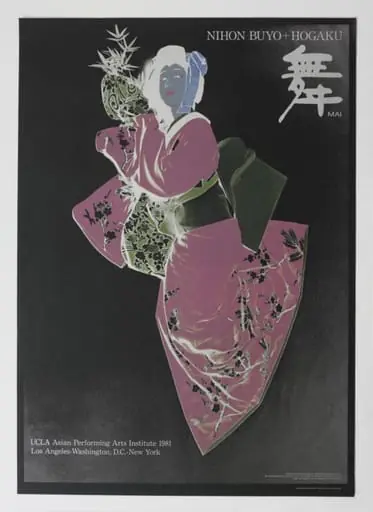
Nihon Buyo is a poster by Ikko Tanaka. It dates from 1981 and is held in the collection of the Victoria and Albert Museum. Produced in 1981, this poster forms part of a suite commissioned to advertise a touring program of traditional Japanese performing arts.
About this work
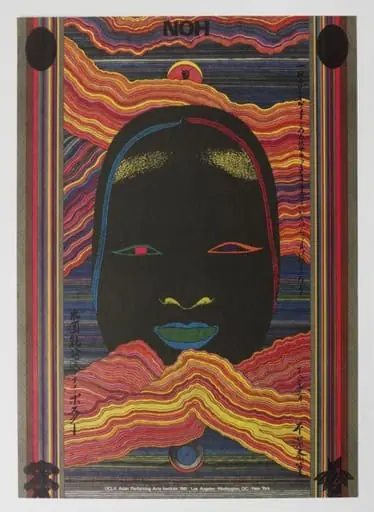
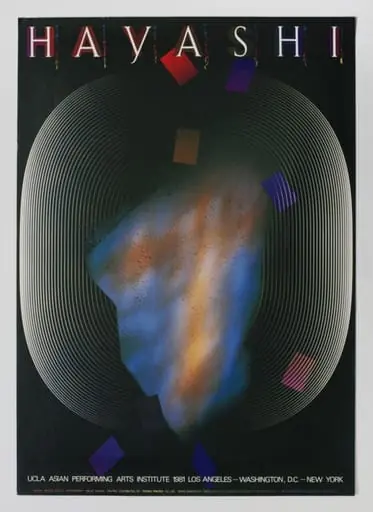
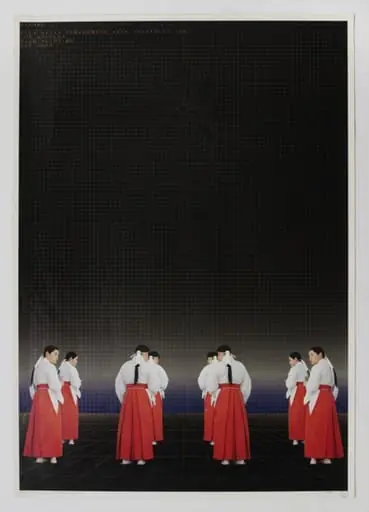
It’s part of a set of twelve posters for UCLA’s Asian Performing Arts Institute.
This 1981 poster was made by Tanaka Ikko. It’s part of a set of twelve posters for UCLA’s Asian Performing Arts Institute. The posters help promote traditional Japanese theater and dance events.
The series remembers a five-week tour by Japanese performers. They showed Nihon Buyo, a quiet dance with shamisen music. It started in the 1600s and includes Kabuki dance.
Check out the Victoria and Albert Museum to see more works like this.
Overview
Produced in 1981, this poster forms part of a suite commissioned to advertise a touring program of traditional Japanese performing arts. Twelve graphic designers contributed designs under the editorial direction of critic Masaru Katsumi, each work promoting distinct genres of dance, music, and theater presented by the Classical Performing Arts Friendship Mission of Japan during a five-week residency at the University of California, Los Angeles.
Subject & Meaning
The poster represents Nihon buyo, a form of Japanese dance characterized by measured, deliberate movement performed to the plucked strings of the shamisen. Emerging in the early Edo period, the genre encompasses two principal styles: Kabuki dance, which adopts the dramatic flair of Kabuki theater, and Kamigata-mai, marked by subtle, gliding steps and refined gestures rooted in the Kyoto-Osaka region.
Technique & Style
Designed by Tanaka Ikko, the poster employs visual elements distinct to the artist’s graphic practice. Bold typography and symbolic imagery merge to evoke the elegance and restraint of Nihon buyo, while maintaining clarity and impact essential for promotional material. The design reflects both contemporary graphic trends and an homage to traditional Japanese aesthetics.
History & Provenance
The poster was created for the UCLA Asian Performing Arts Institute, which hosted a series of lectures, workshops, and performances in 1981. The Classical Performing Arts Friendship Mission of Japan toured multiple venues across the United States, presenting classical Japanese arts to new audiences. This work remains part of institutional and private collections documenting the cultural exchange.
Context
The commission responded to growing academic and public interest in non-Western performance traditions during the late twentieth century. By engaging leading graphic designers, the project sought to bridge visual and performing arts, reinforcing the cultural significance of Nihon buyo while adapting it for an international context. The series reflects broader efforts to preserve and promote classical Japanese arts abroad.
Artist & collection
Artist
This Japanese designer made bold posters in the late 1900s that blend tradition with modern shapes.