Artwork
Nihon Buyo + Hogaku
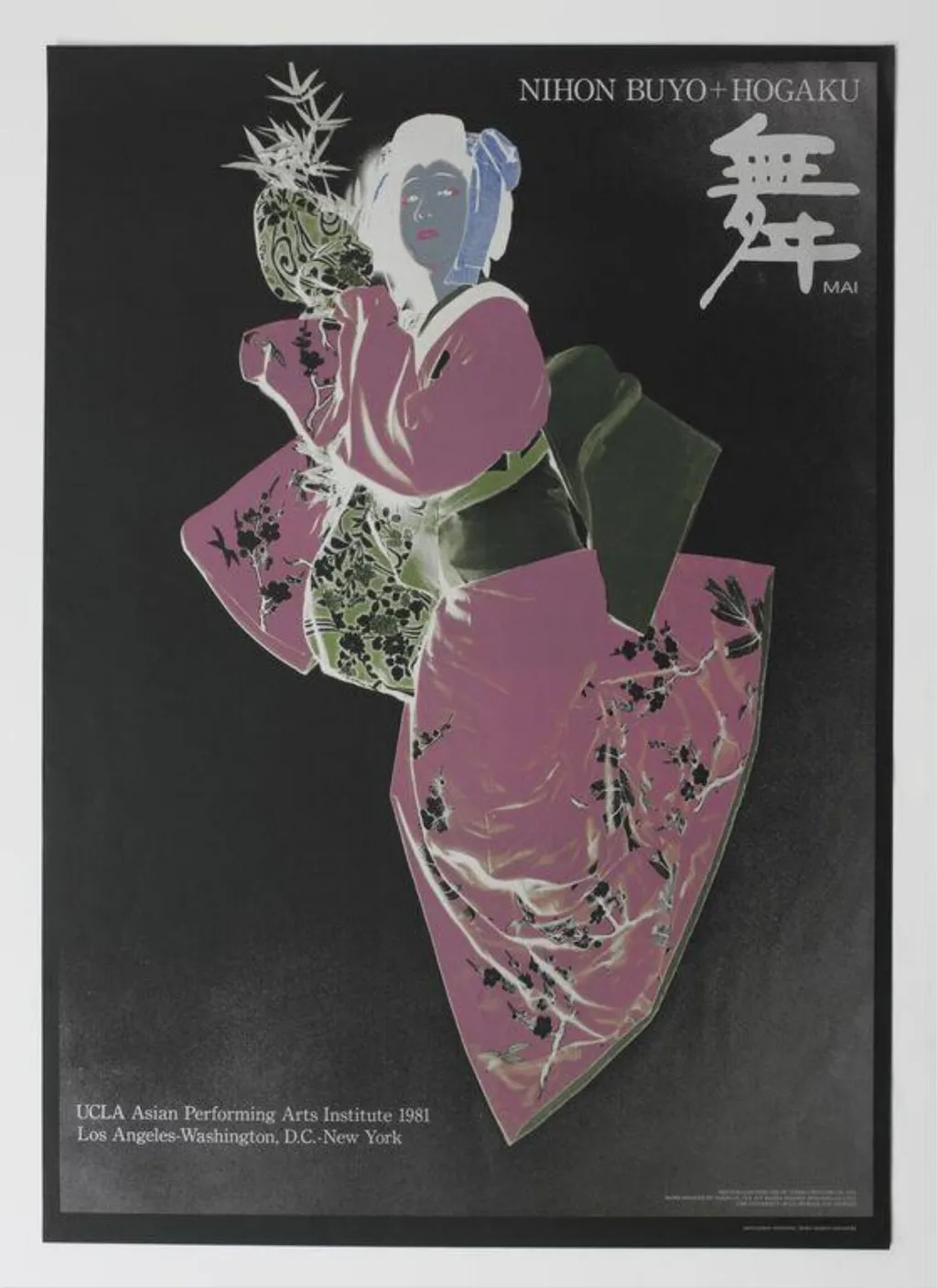
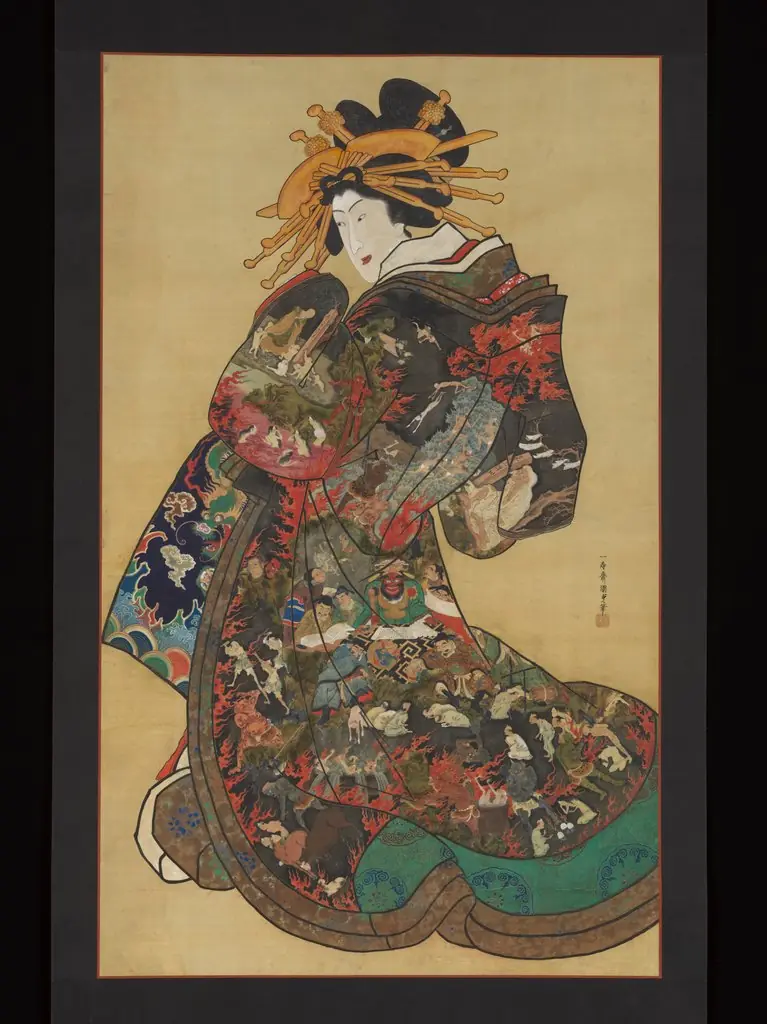
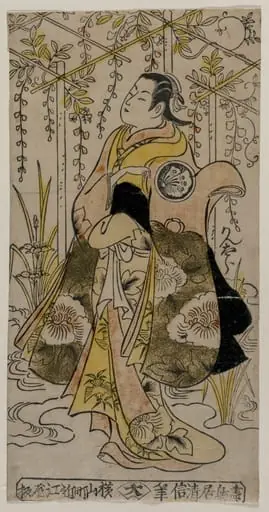
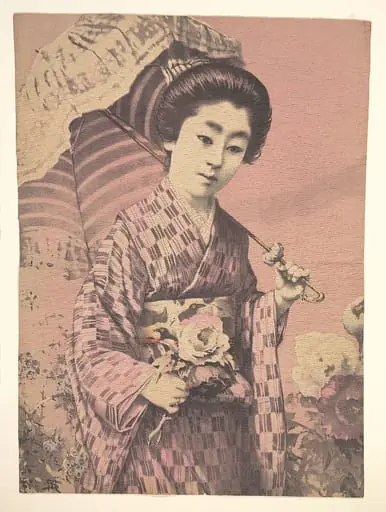
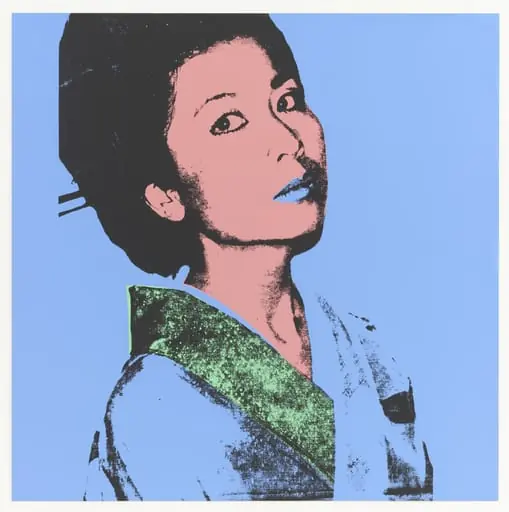
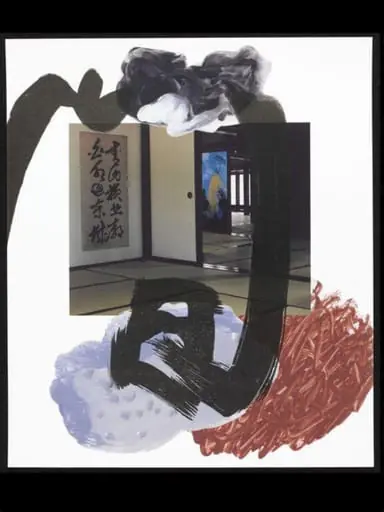
Nihon Buyo + Hogaku is a poster by Kishin Shinoyama. It dates from 1981 and is held in the collection of the Victoria and Albert Museum. Created in 1981, this poster is one of a twelve‑piece series commissioned for a touring program of Japanese traditional performing arts.
About this work
The event ran for five weeks and featured lectures, classes, and performances.
This poster advertises traditional Japanese dance and music. Made in 1981 by twelve artists, it was part of a campus tour in California. The event ran for five weeks and featured lectures, classes, and performances.
It highlights quiet dance called Nihon buyo, old since the 1600s. The shamisen, a three-stringed lute, backs the dancers. This poster is one of twelve in a special series.
Look up the artist who made this: Shinoyama, Kishin.
Overview
Created in 1981, this poster is one of a twelve‑piece series commissioned for a touring program of Japanese traditional performing arts. Curated by critic Masaru Katsumi, the series was produced by leading Japanese graphic designers, including Kishin Shinoyama, to promote a five‑week series of lectures, workshops and concerts held at UCLA and other venues across the United States.
Subject & Meaning
The design advertises Nihon Buyō, a refined dance form accompanied by the three‑stringed shamisen, and Hogaku, a collective term for Japan’s historic court, Buddhist and folk music traditions. By foregrounding these art forms, the poster underscores the cultural exchange between Japan and American audiences during the UCLA Asian Performing Arts Institute.
Technique & Style
The visual language combines bold typographic layouts with stylized motifs drawn from traditional Japanese patterns, reflecting the graphic design trends of the early 1980s. Kishin Shinoyama’s contribution balances modernist clarity with subtle references to the fluid gestures of Nihon Buyō, creating a bridge between contemporary design and historic performance aesthetics.
History & Provenance
The posters were produced to accompany the Classical Performing Arts Friendship Mission of Japan, a troupe that performed on the UCLA campus and toured nationally in 1981. After the tour, the prints entered the archives of the university’s Asian Performing Arts Institute and have since been circulated among collectors of design ephemera.
Context
Nihon Buyō emerged in the early Edo period, developing distinct styles such as the dynamic Kabuki‑influenced dances and the more restrained Kamigata‑mai of the Kyoto‑Osaka region. Hogaku encompasses a broad spectrum of traditional music, from imperial Gagaku to Buddhist chant and regional folk songs, all of which were featured in the program’s performances and lectures.
Artist & collection

Artist
Kishin Shinoyama was a Japanese photographer. He is well-known for having photographed the covers for John Lennon and Yoko Ono's albums, Double Fantasy and Milk and Honey. Before his marriage to Saori Minami in 1979,…