Artwork
Pines and Cranes of Longevity 松鶴遐齢図
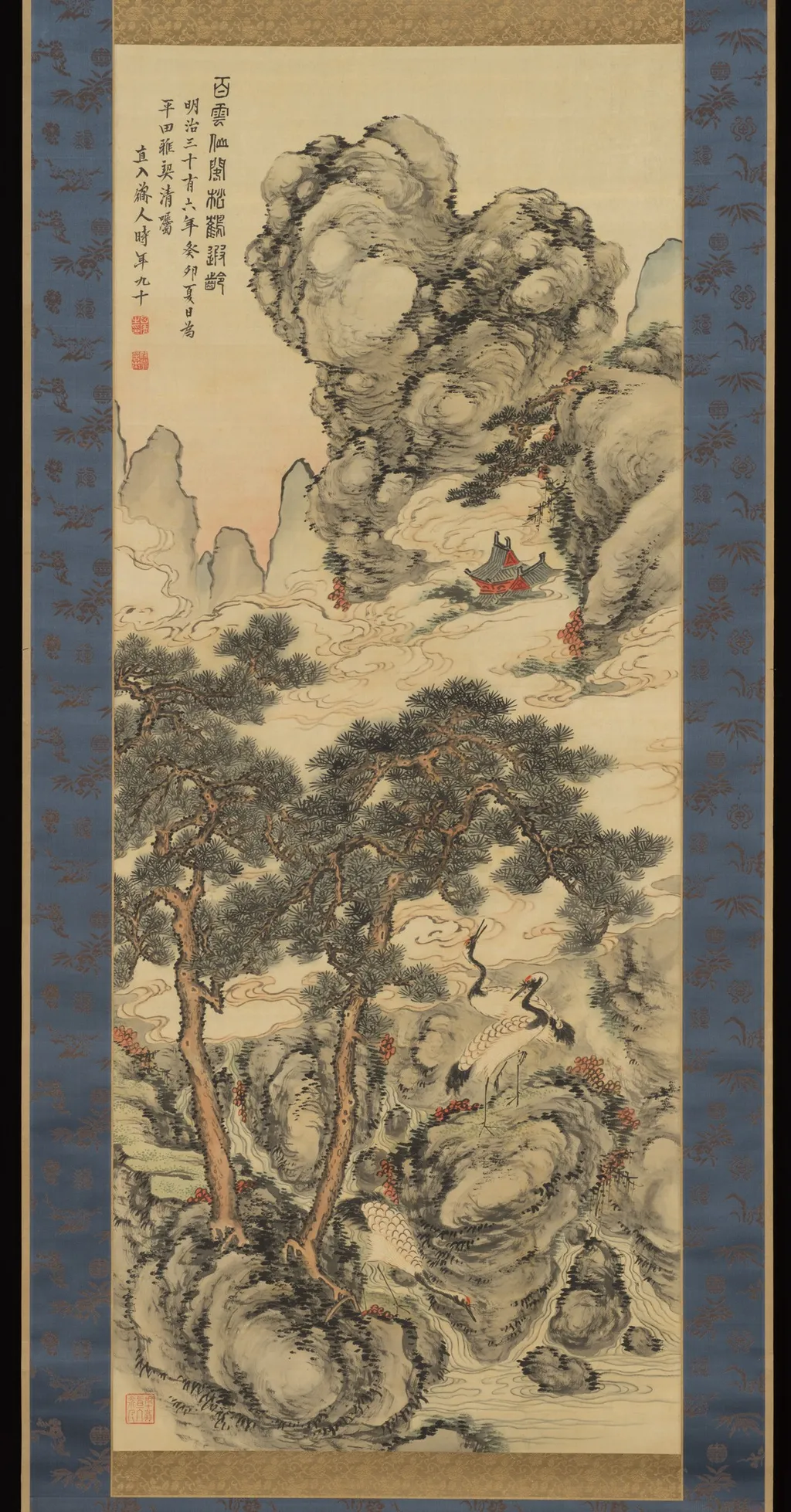
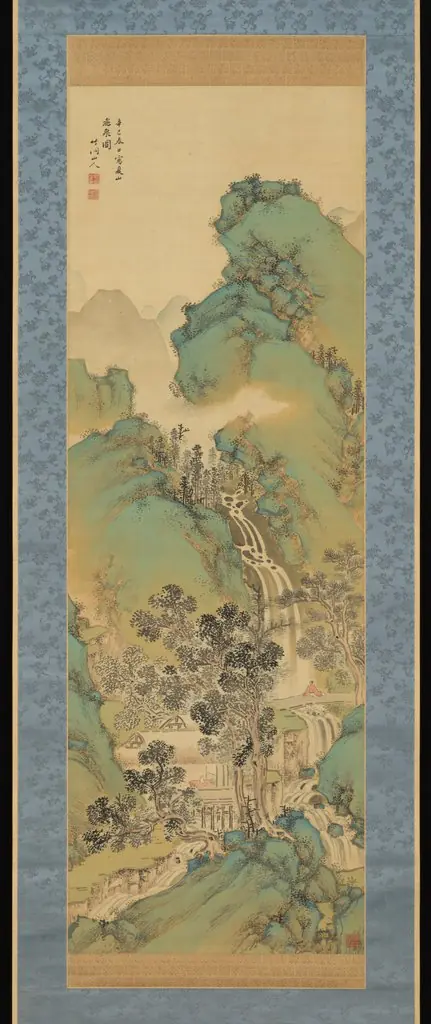
Pines and Cranes of Longevity 松鶴遐齢図 is an unspecified painting by Tanomura Chokunyū. It dates from 1903 and is held in the collection of the Metropolitan Museum of Art.
About this work
Overview
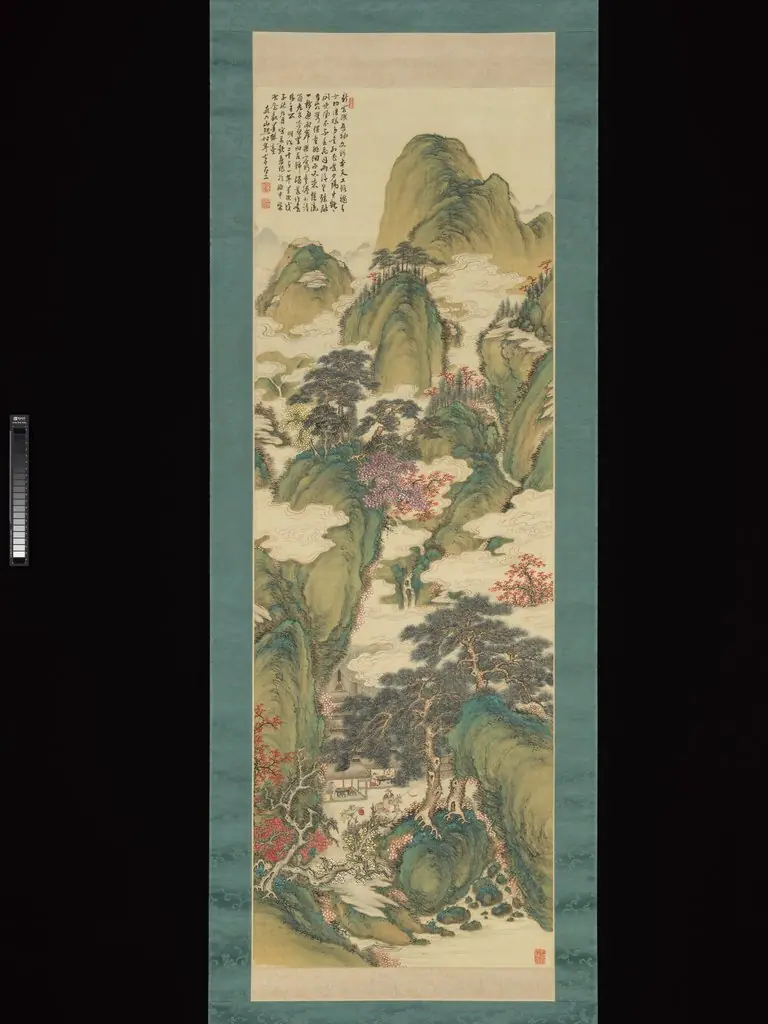
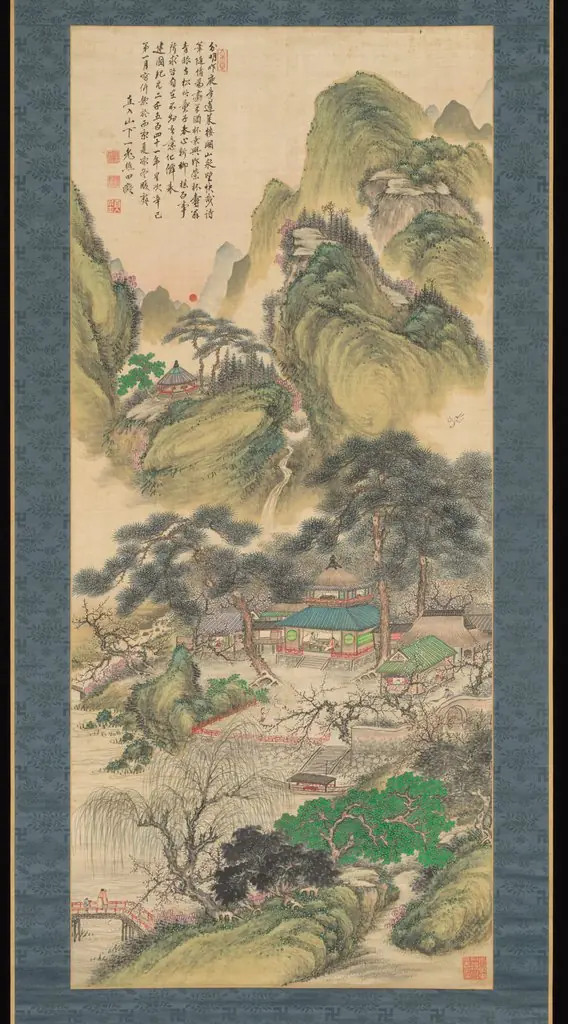
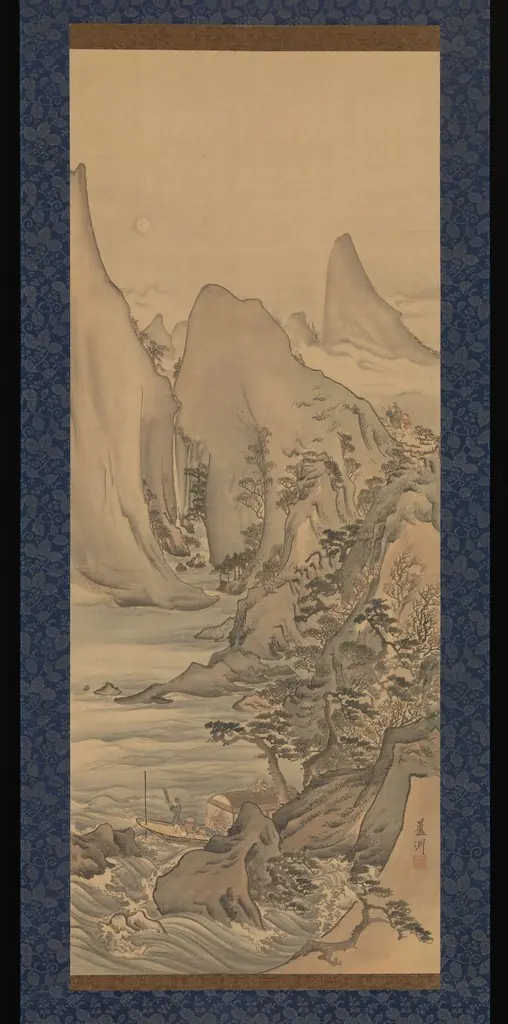
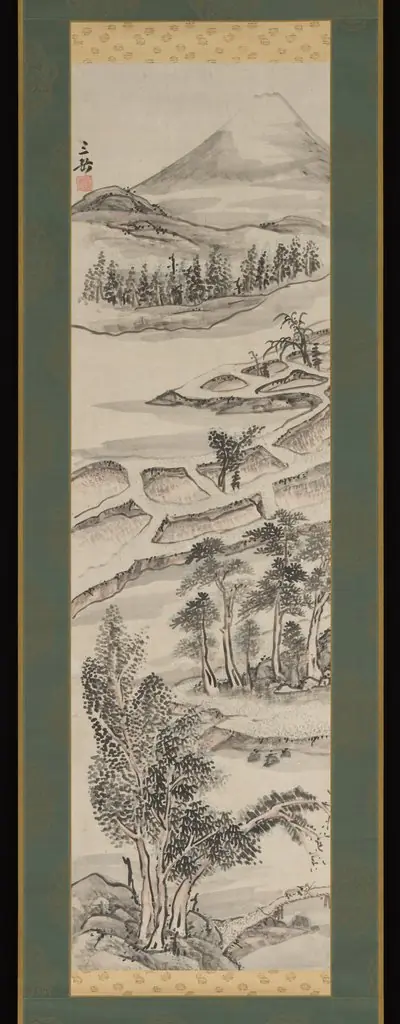
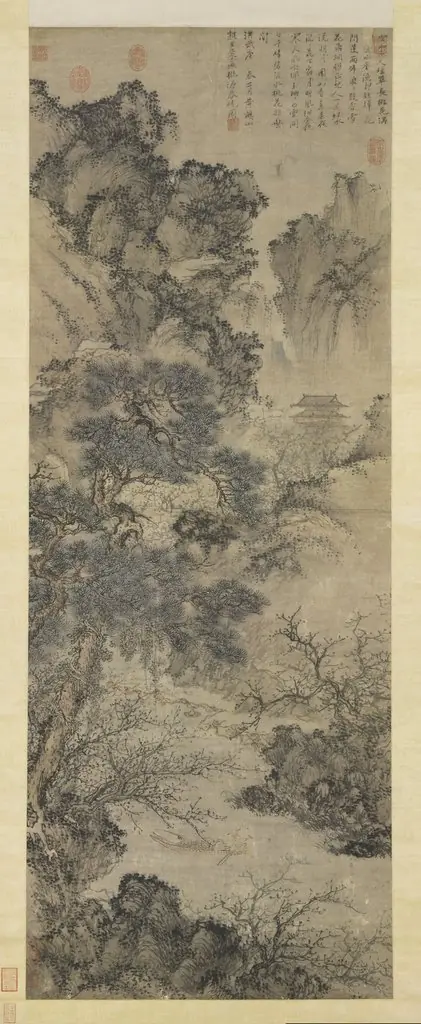
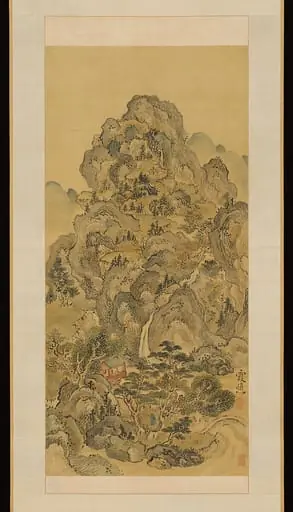
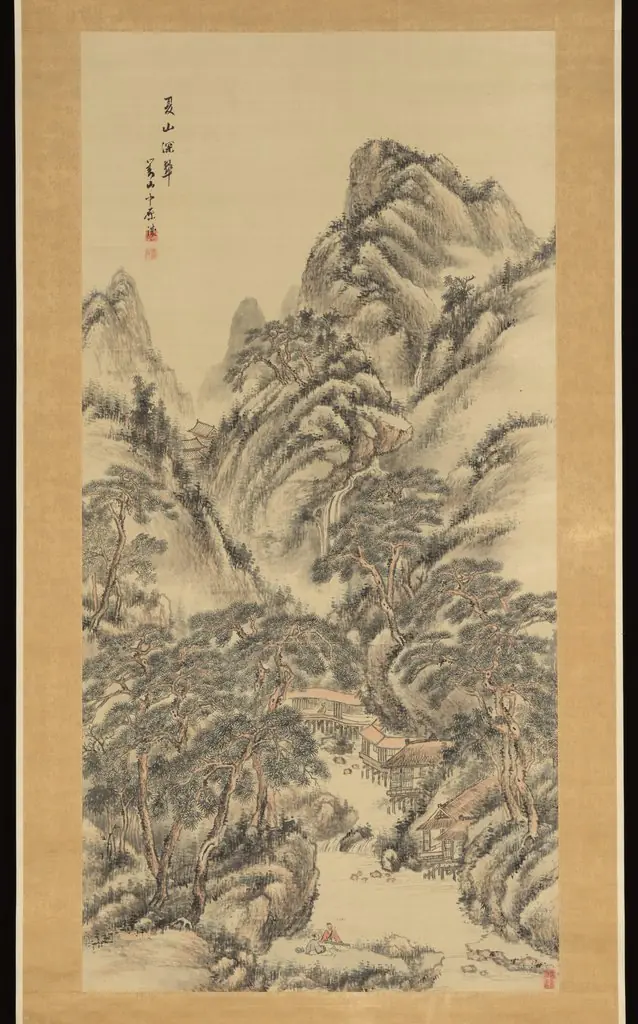
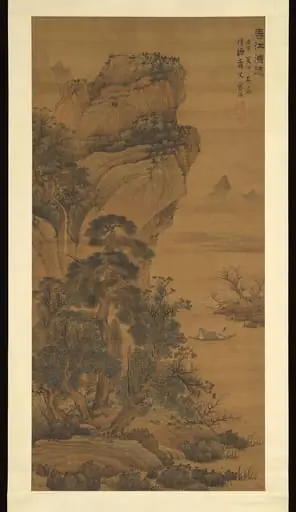
Created in 1903 by Tanomura Chokunyū, this ink-and-color painting depicts a tranquil natural scene featuring pine trees, cranes, and a small boat on a lake, all framed by distant mountains and a soft, overcast sky. The work is part of the collection at The Metropolitan Museum of Art and reflects late Meiji-period aesthetics that blend traditional Japanese motifs with subtle modern sensibilities.
Subject & Meaning
Pine trees and cranes are longstanding symbols in East Asian culture, representing endurance and longevity. The painting’s quiet composition, with cranes in varied postures and a solitary boat, suggests harmony between nature and human presence. Rather than emphasizing grandeur, the scene invites contemplation, reinforcing themes of timelessness and peaceful coexistence.
Technique & Style
The composition avoids sharp contrasts, favoring soft transitions that evoke a hazy, serene mood characteristic of literati-inspired landscapes.
Chokunyū employed layered washes of ink and mineral pigments to achieve atmospheric depth, using muted greens, browns, grays, and blues to suggest distance and weather. The cranes are rendered with delicate, fluid brushwork, capturing movement without overt detail. The composition avoids sharp contrasts, favoring soft transitions that evoke a hazy, serene mood characteristic of literati-inspired landscapes.
History & Provenance
The painting was completed in 1903 during a period when Japanese artists were redefining traditional forms amid rapid modernization. It entered The Metropolitan Museum of Art’s collection through documented acquisition, likely as part of early 20th-century efforts to expand its holdings of East Asian art. No earlier ownership records are publicly noted, suggesting it may have been created for private or institutional patronage.
Context
Tanomura Chokunyū worked in the late Meiji era, a time when Japanese painters navigated between preserving classical styles and engaging with Western influences. This painting aligns with the Nihonga movement’s emphasis on native materials and themes, while its subdued palette and spatial ambiguity reflect broader trends in landscape painting that prioritized mood over narrative.
Legacy
Though not widely known outside specialist circles, Chokunyū’s work contributes to the understanding of Meiji-era Japanese painting as a field of quiet innovation. This piece exemplifies how traditional iconography was sustained through refined technique and restrained expression, offering a counterpoint to more dramatic or Westernized approaches of the time.
Artist & collection