Artwork
Efect de lumină
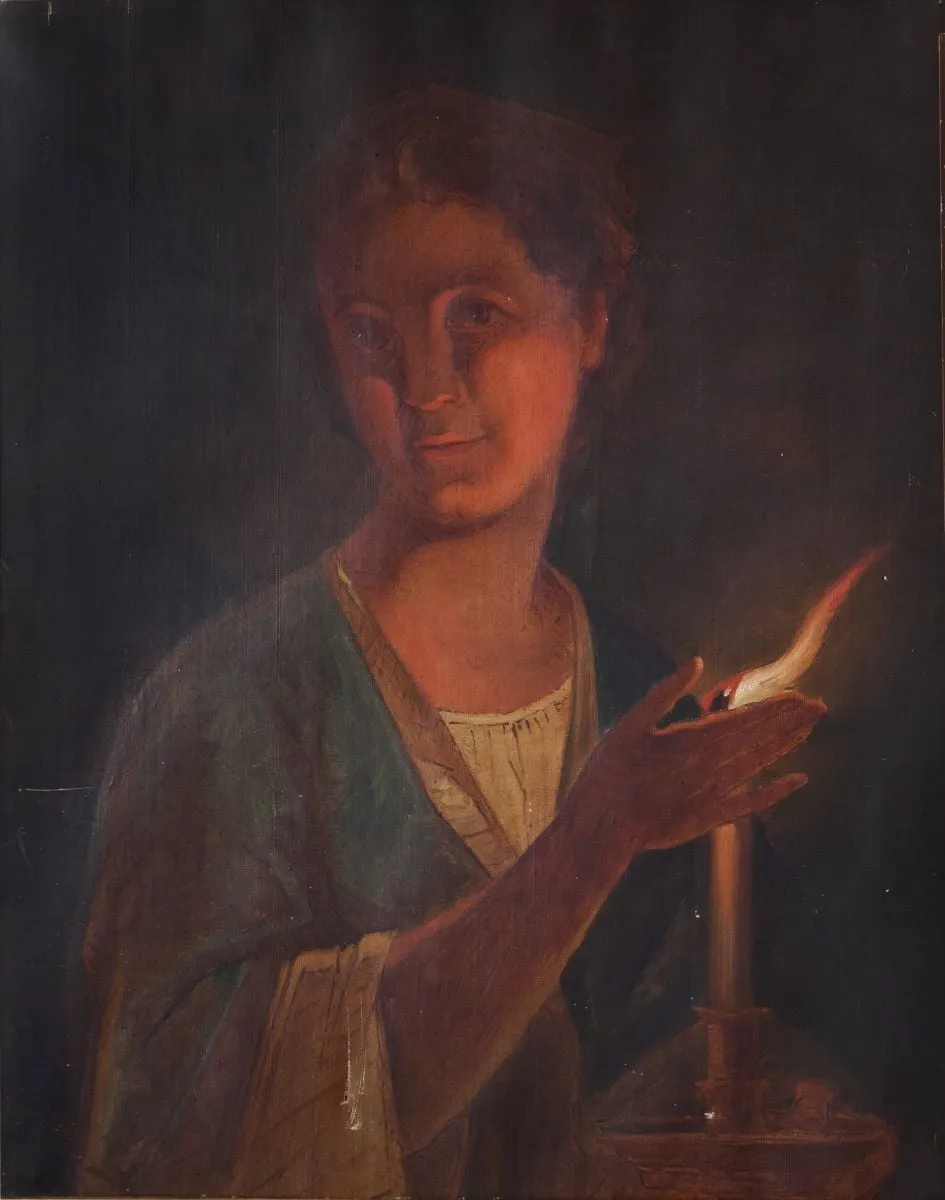
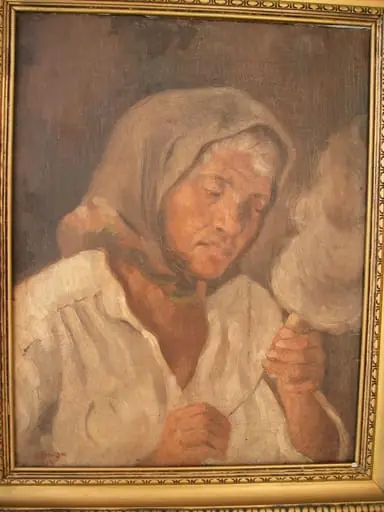
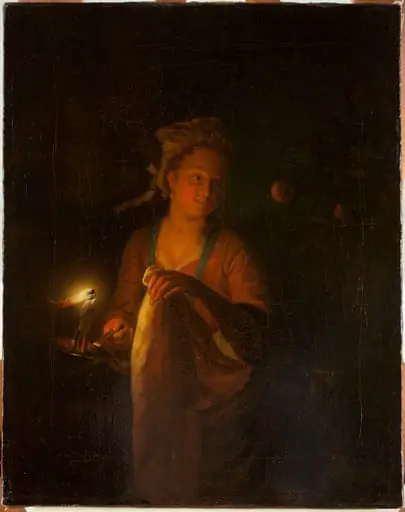
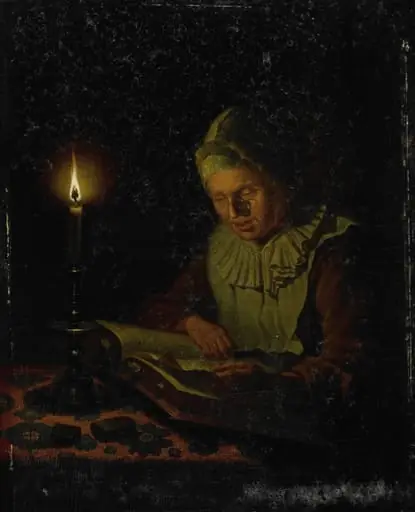
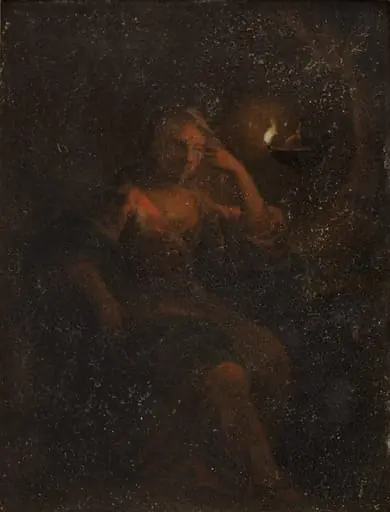
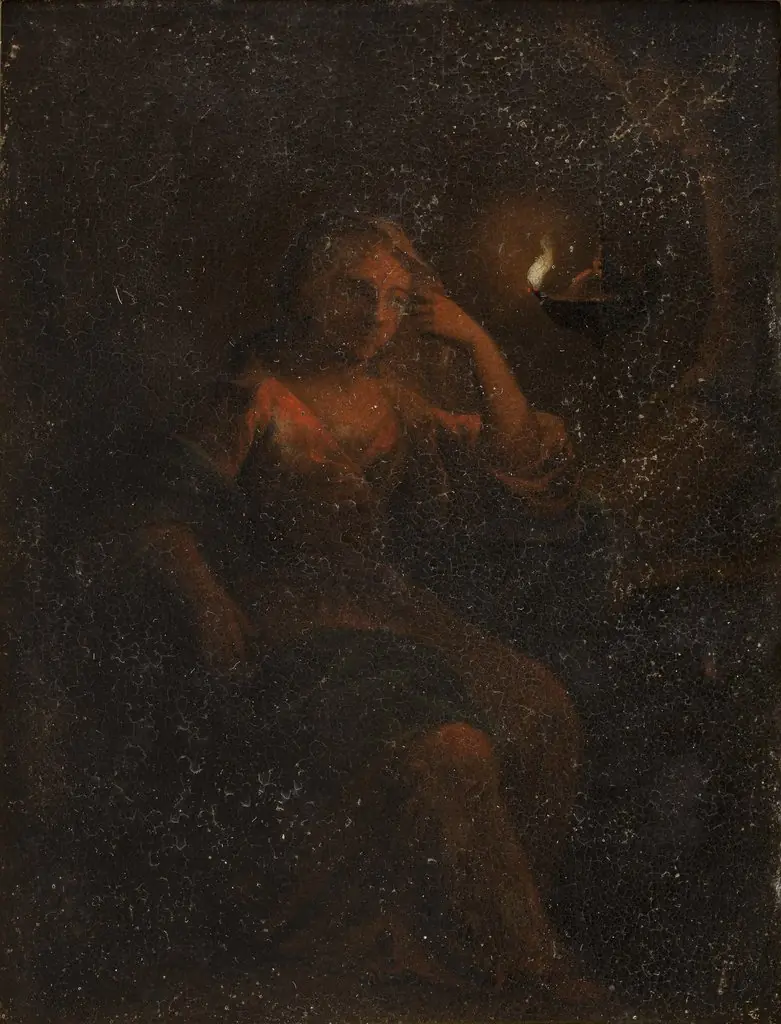
Efect de lumină is a print by Gheorghe Tattarescu. It dates from 1867 and is held in the collection of the Bucharest Municipality Museum.
About this work
Overview
Created around 1867 by Romanian artist Gheorghe Tattarescu, *Efect de lumină* is a study in natural light rather than a narrative scene.
Created around 1867 by Romanian artist Gheorghe Tattarescu, *Efect de lumină* is a study in natural light rather than a narrative scene. Though often categorized as a painting, the surviving version is a print, likely made from a preparatory work. It resides in the Museum of Ethnography’s collection and exemplifies Tattarescu’s interest in optical realism, diverging from his more formal neoclassical commissions to explore atmospheric effects.
Subject & Meaning
The subject is an unadorned interior space illuminated by sunlight entering through a window. There are no figures or symbolic elements; the focus lies in the interplay of light and shadow across a plain wall and sparse furnishings. The work conveys no allegory or story, instead emphasizing perception—how light defines space, volume, and texture in ordinary environments.
Technique & Style
Tattarescu employed stark chiaroscuro to model the scene, using deep shadows and sharply defined highlights to simulate the warmth and direction of sunlight. The contrast between the illuminated wall and the dim, indistinct furniture enhances the sense of spatial depth. The print’s tonal range suggests careful engraving or lithographic technique, capturing subtle gradations without color.
History & Provenance
The work dates to a period when Tattarescu was shifting from academic portraiture toward more experimental compositions. It entered the Museum of Ethnography’s holdings in the late 19th or early 20th century, likely as part of a broader collection of Romanian artistic studies. Its survival as a print, rather than an oil painting, indicates it may have served as a study or teaching aid.
Context
In mid-19th century Romania, artistic training emphasized historical and religious themes rooted in European neoclassicism. Tattarescu’s focus on light in this work reflects a quiet departure from those conventions, aligning with broader European interests in realism and optical observation. Though not part of an organized movement, it anticipates later Romanian engagements with plein air and naturalism.
Legacy
Though not widely exhibited, *Efect de lumină* remains a significant example of Tattarescu’s technical curiosity. It demonstrates how Romanian artists, even while embedded in academic traditions, explored perceptual phenomena independently. The work contributes to understanding the quieter, observational side of 19th-century Romanian art beyond official commissions and national iconography.
Artist & collection
Artist
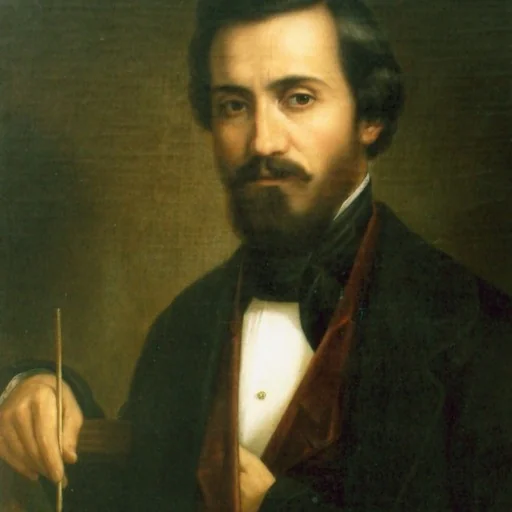
Gheorghe Tattarescu (Romanian pronunciation: ; October 1818 – October 24, 1894) was a Romanian painter and a pioneer of neoclassicism in his country's modern painting.