Artwork
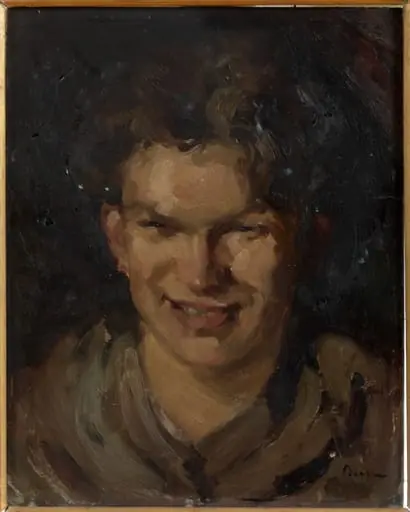
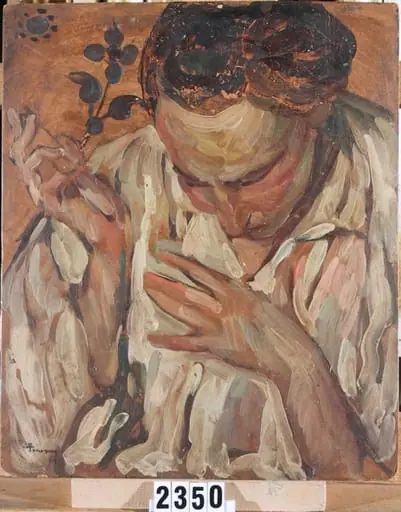
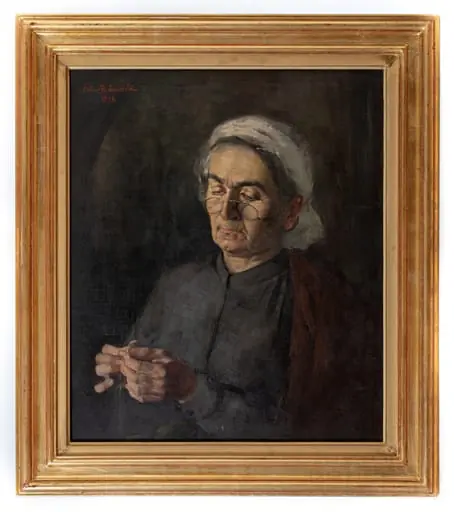
Țărancă torcând
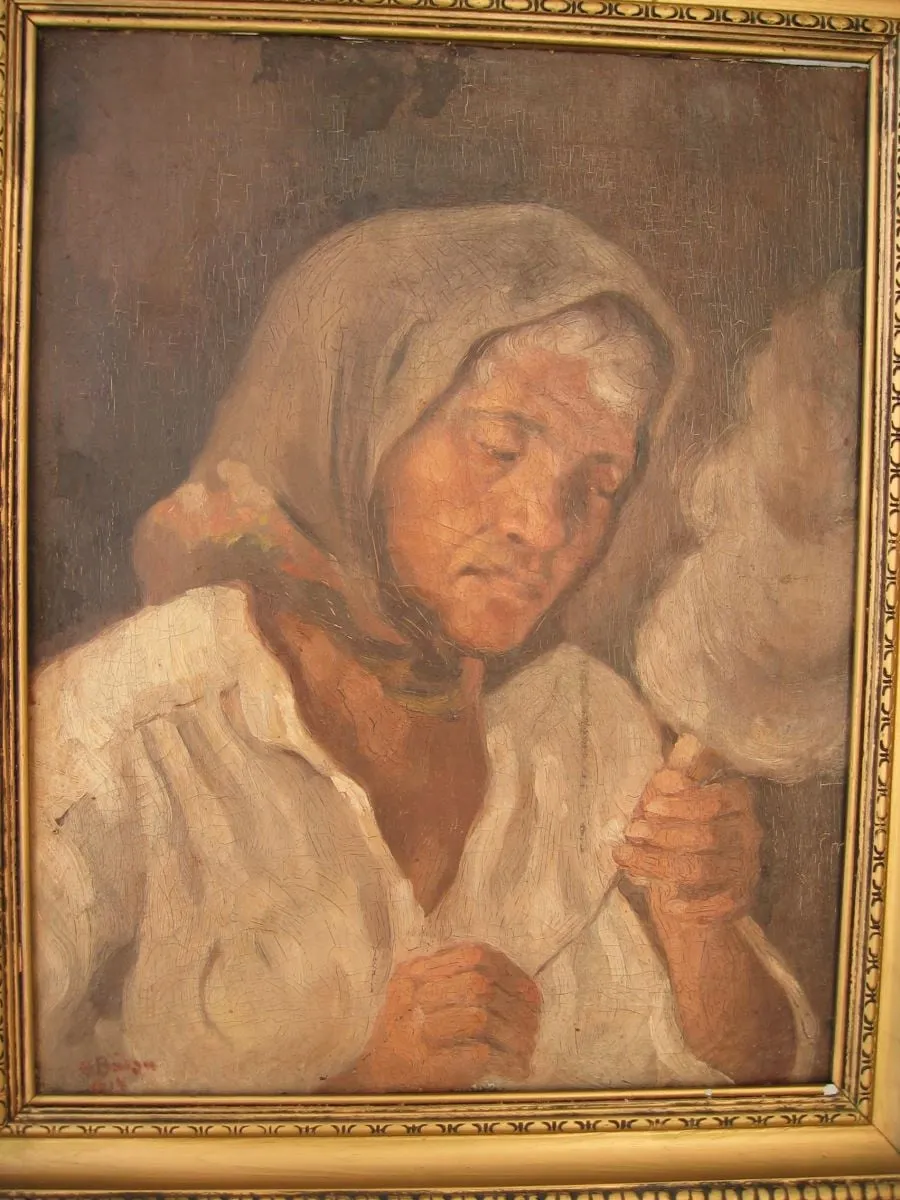
Țărancă torcând is a print by Aurel Băeșu. It dates from 1914 and is held in the collection of the Neamț National Museum Complex.
About this work
Overview
Țărancă torcând is a 1914 painting by Aurel Băeșu, a Romanian artist associated with Impressionism. It is part of the Museum of Ethnography's collection.
Subject & Meaning
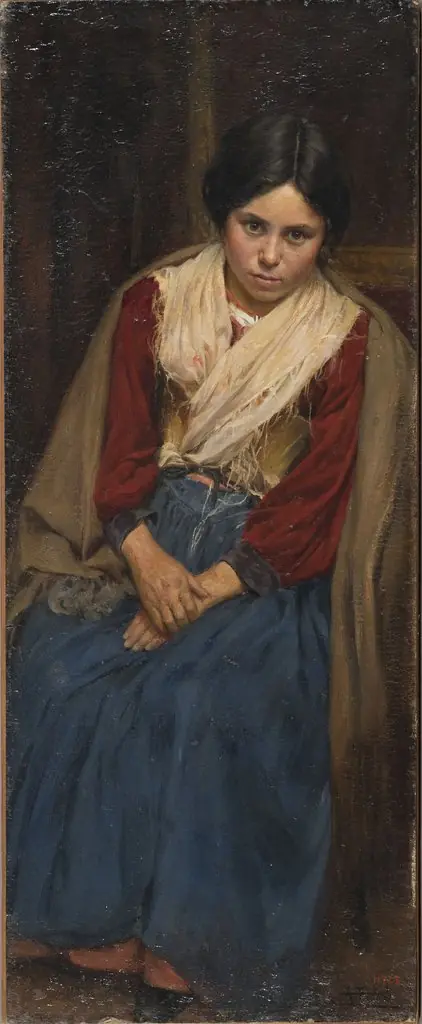
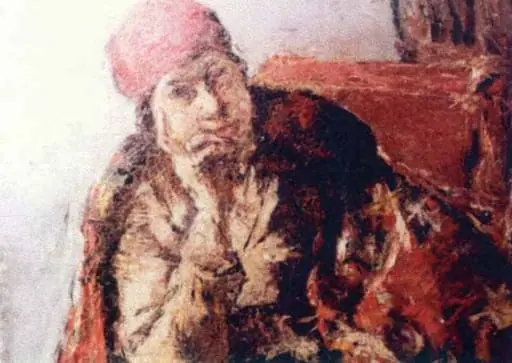
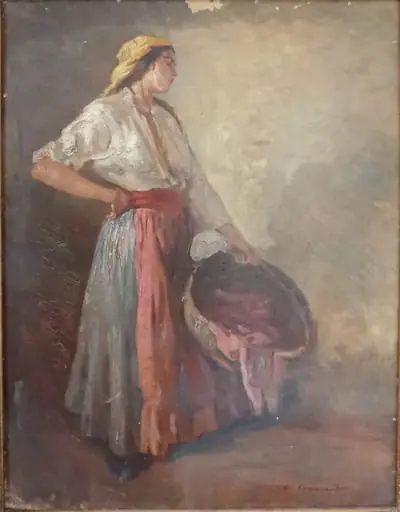
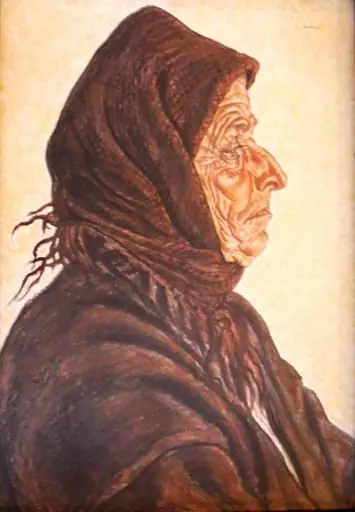
The painting depicts a rural woman, her face worn, lost in thought. She wears a simple, light-colored dress and headscarf, and holds an object in her right hand. The dark background emphasizes her figure, conveying a sense of quiet contemplation.
Technique & Style
Băeșu's use of thick, impasto brushstrokes creates a textured surface, giving the painting a tactile quality. The rough, uneven paint adds to the sense of realism, drawing the viewer's attention to the subject's clothing and skin.
History & Provenance
Băeșu was influenced by Nicolae Grigorescu, a prominent figure in Romanian art. The painting is now held in the Museum of Ethnography, reflecting its connection to the cultural heritage of the region.
Artist & collection
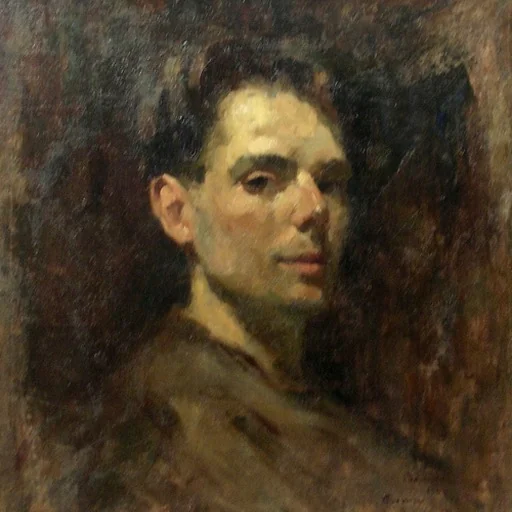
Artist
Aurel Băeșu (26 May 1896 – 24 August 1928) was a Romanian Impressionist landscape and portrait painter. Many of his works show the influence of Nicolae Grigorescu; an influence that was common among painters of his generation.