Artwork
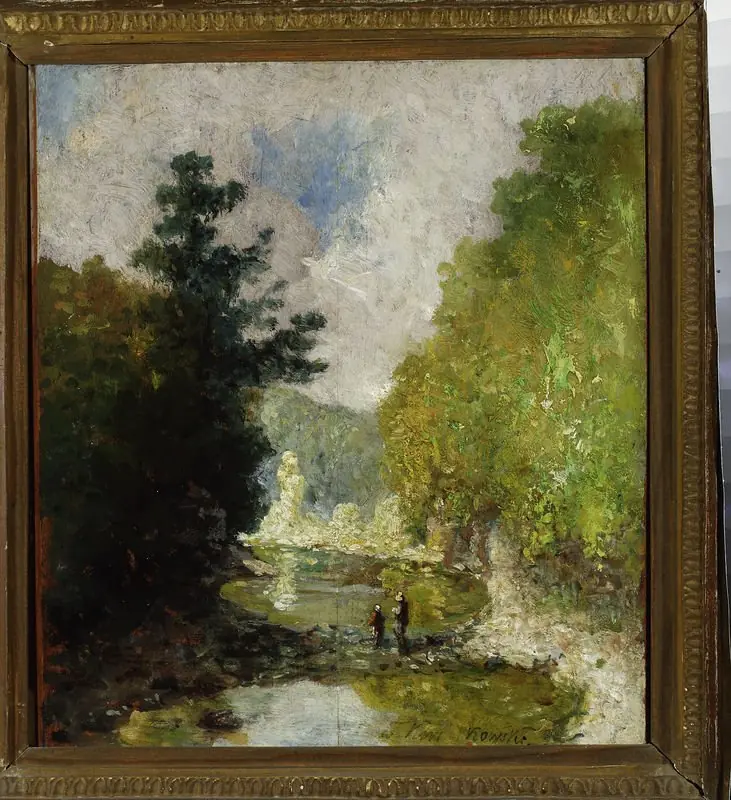
Landscape from Vallée du Cousin
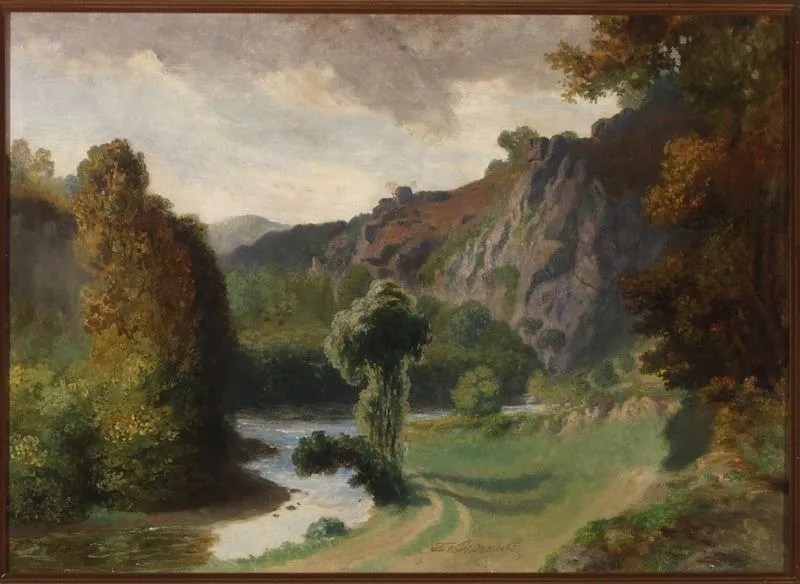
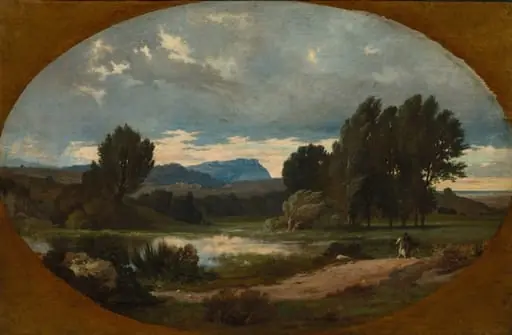
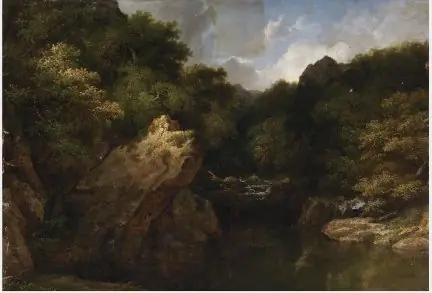
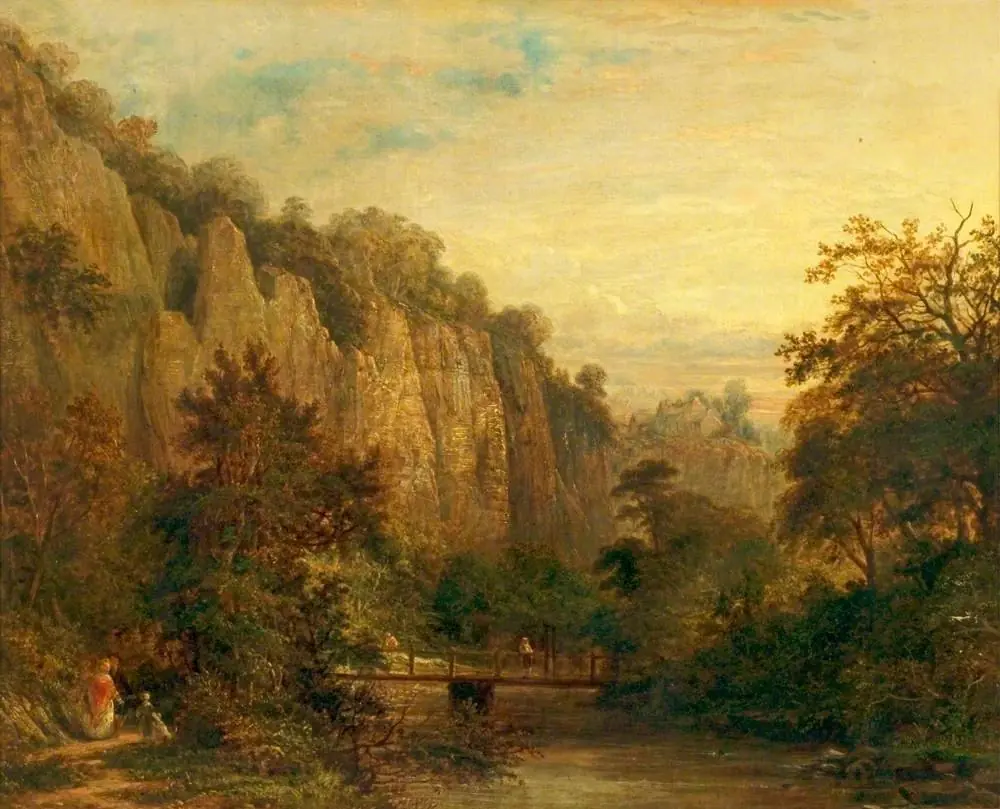
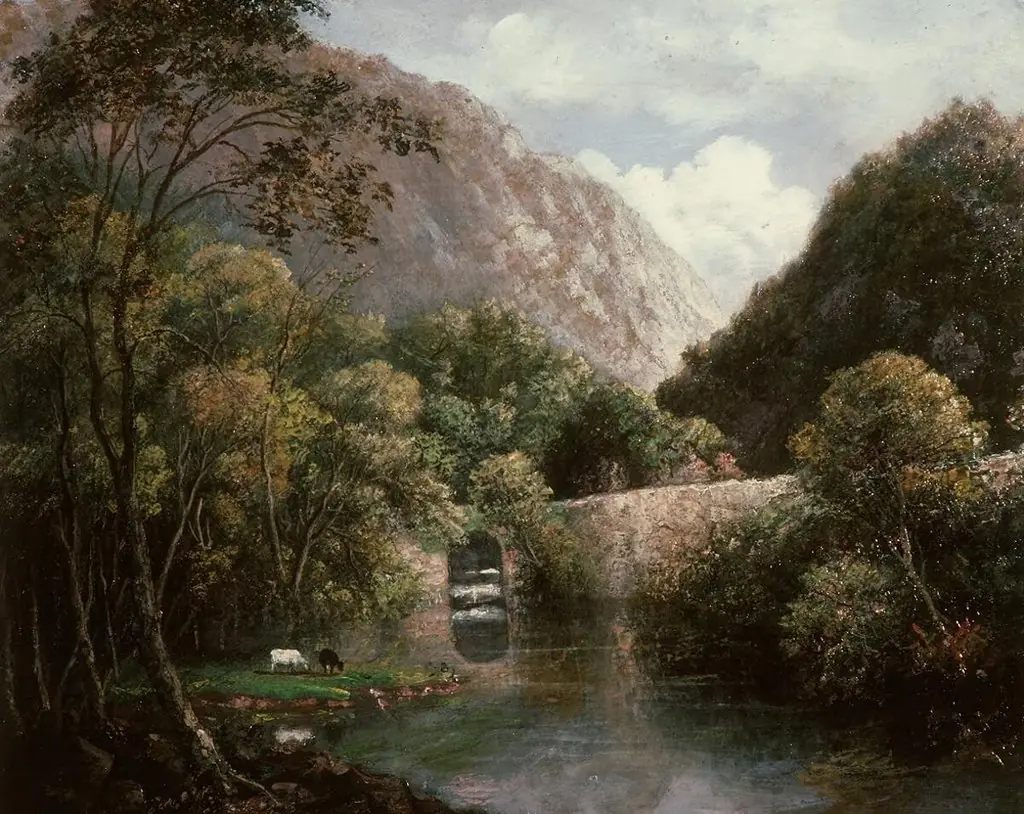
Landscape from Vallée du Cousin is an oil painting by Teofil Kwiatkowski. It dates from 1871 and is held in the collection of the National Museum in Warsaw.
About this work
Overview
Teofil Kwiatkowski painted *Landscape from Vallée du Cousin* in 1871 using oil on canvas. The work reflects his extended residence in France and his focus on natural scenery. It is part of the National Museum in Warsaw’s collection, representing a quiet moment in the French countryside. The painting belongs to the 19th-century landscape tradition, emphasizing observation over idealization.
Subject & Meaning
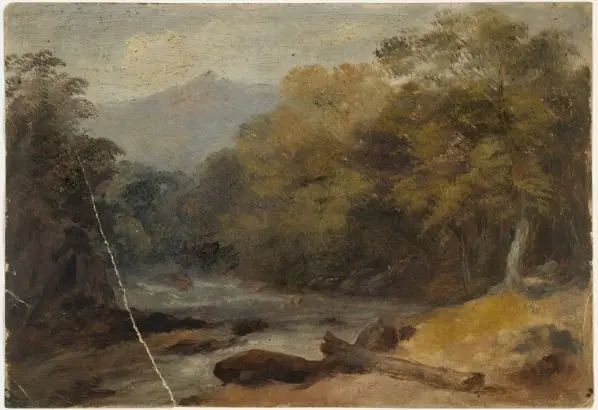
The scene depicts a tranquil valley with a winding river, flanked by dense foliage and distant mountains under a overcast sky. There is no human presence, suggesting an emphasis on nature’s quiet endurance. The composition invites contemplation rather than narrative, aligning with 19th-century European tendencies to find meaning in unaltered natural forms.
Technique & Style
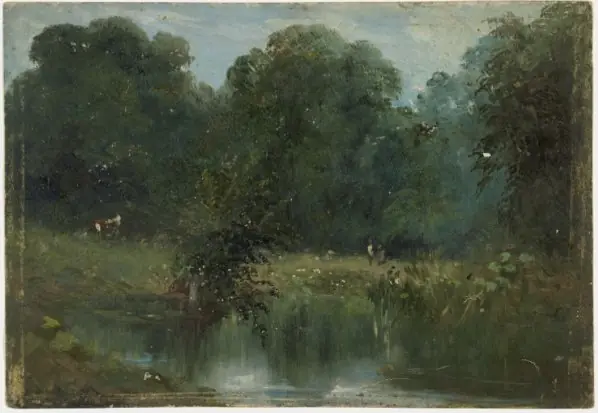
Kwiatkowski employed visible brushwork and layered glazes to build subtle tonal shifts in the foliage and sky. The palette is restrained—dominated by muted greens, earthy browns, and cool grays—enhancing the atmospheric mood. Texture emerges through deliberate strokes, avoiding smooth finish, which lends the scene a tactile, observed quality rather than a polished ideal.
History & Provenance
Created during Kwiatkowski’s later years in France, the painting was likely made after his return to Poland or during visits home. It entered the National Museum in Warsaw’s holdings in the 20th century, where it remains as part of a broader effort to preserve the work of Polish artists active abroad. Its provenance reflects transnational artistic exchange in the post-1830s era.
Context
Kwiatkowski worked amid rising interest in plein air painting and national identity in Polish art. Though based in France, he maintained ties to Polish cultural circles. This landscape aligns with broader European trends favoring direct observation of nature, yet its subdued tone distinguishes it from the dramatic Romanticism of earlier decades.
Legacy
The painting contributes to the recognition of Polish artists who engaged with French landscape traditions without adopting their dominant styles. It stands as a quiet example of cross-cultural influence, illustrating how Polish painters contributed to 19th-century European realism through personal, restrained interpretations of nature.
Artist & collection
Artist
Teofil Antoni Jaksa of Griffins Kwiatkowski (February 21, 1809 in Pułtusk – August 14, 1891 in Avallon, France) was a Polish painter.