Artwork
Insane Woman
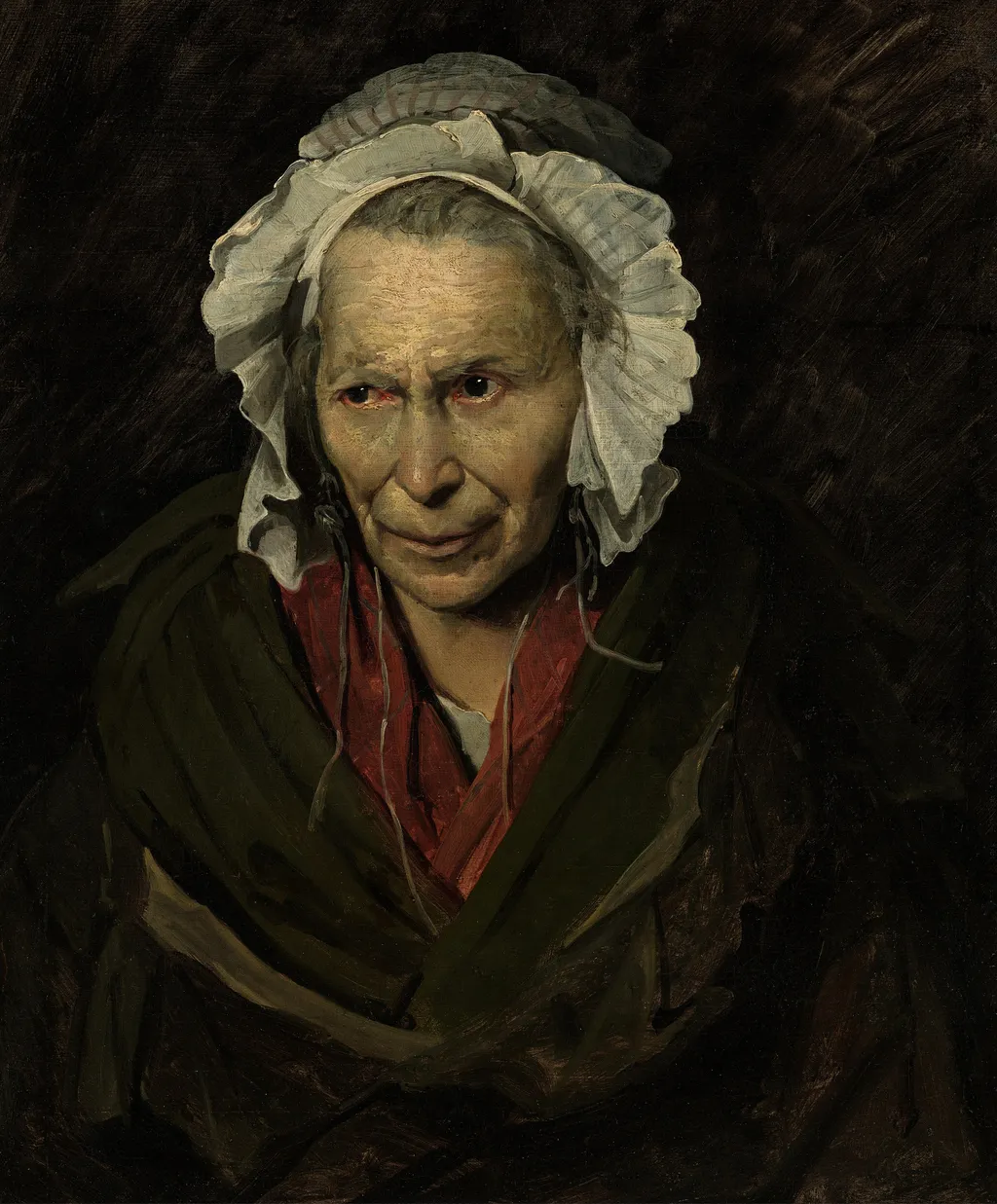
Insane Woman is an oil painting by the French Romanticist artist Théodore Géricault. It dates from 1819 and is held in the collection of the Museum of Fine Arts of Lyon.
About this work
The woman's gaze is intense, and her facial expression conveys a sense of determination or defiance.
This painting depicts a woman with a stern expression, her face pale and her eyes sunken. She wears a white bonnet and a dark shawl, which is draped over her shoulders. The background of the painting is dark, which serves to accentuate the woman's features.
The woman's gaze is intense, and her facial expression conveys a sense of determination or defiance. Her clothing and the style of the painting suggest that it was created in the early 19th century.
The artist's use of chiaroscuro, a technique that uses strong contrasts between light and dark to create a sense of volume, adds depth and drama to the painting. To learn more about this technique, look up chiaroscuro.
Overview
The canvas portrays a woman afflicted by a consuming jealousy, rendered in oil by Théodore Géricault during the Romantic era. Part of a ten‑painting series exploring mental disturbance, this work is among the few that have endured. It resides in the Museum of Fine Arts in Lyon, offering a stark visual study of psychological turmoil.
Subject & Meaning
The sitter’s pallid complexion, sunken eyes, and rigid expression convey an intense, almost confrontational obsession with envy. Her white bonnet and dark shawl frame a face that seems both resigned and defiant, suggesting an inner struggle between desire and self‑control. The title reflects contemporary attempts to categorize pathological emotions as distinct clinical conditions.
Technique & Style
Géricault employs chiaroscuro, juxtaposing luminous highlights on the woman’s face and bonnet against a deep, shadowed backdrop. This contrast amplifies the three‑dimensionality of her features and heightens the emotional tension. The brushwork remains tight around facial details, while broader strokes suggest the folds of the shawl, balancing realism with expressive drama.
History & Provenance
Created in the early 1820s as one of ten portraits of institutionalized patients, the painting survived while most of its companions were lost or destroyed. It entered the Lyon museum’s collection in the late 19th century, where it has remained on public display, providing insight into early psychiatric portraiture.
Context
Géricault’s series emerged amid growing interest in psychiatry and the scientific study of mental illness in post‑Napoleonic France. By documenting patients with a dignified yet unflinching gaze, the works challenged prevailing notions of madness as merely grotesque, aligning with Romantic concerns for the individual’s inner experience.
Own this work as a print
Artist & collection
Artist
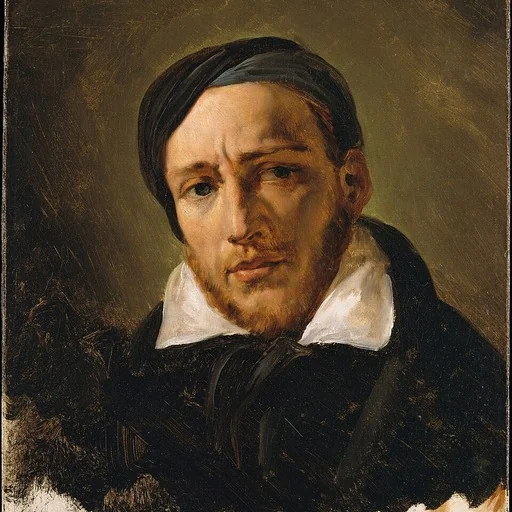
Jean-Louis André Théodore Géricault (French: ; 26 September 1791 – 26 January 1824) was a French painter and lithographer.

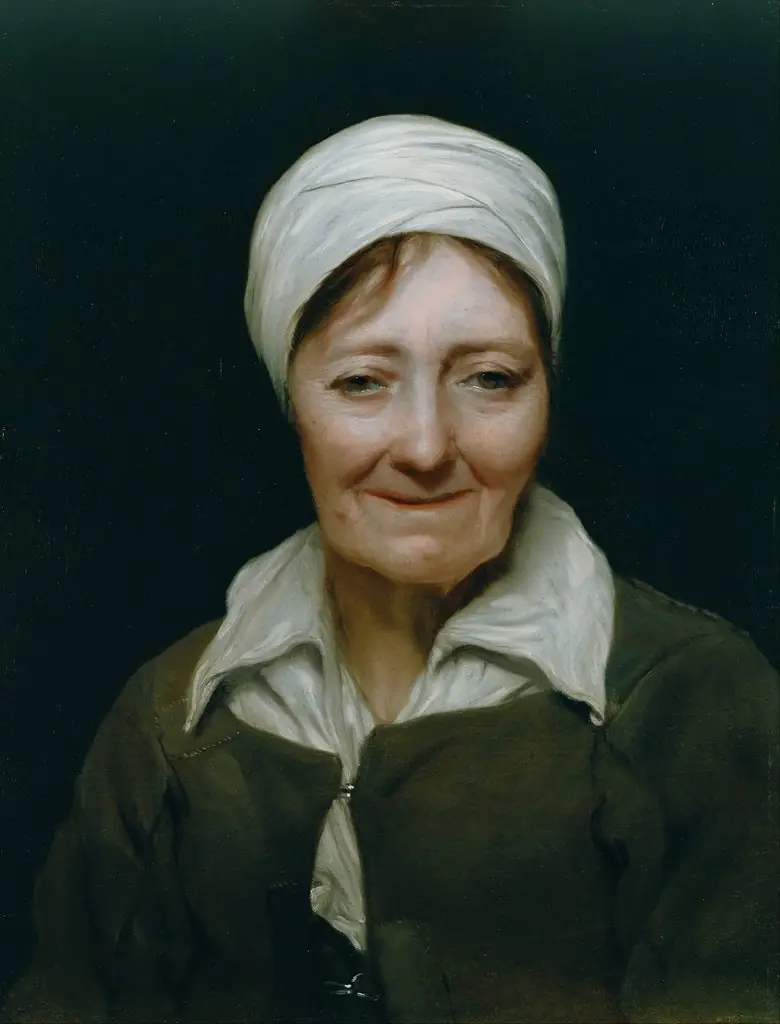 Head of a Woman
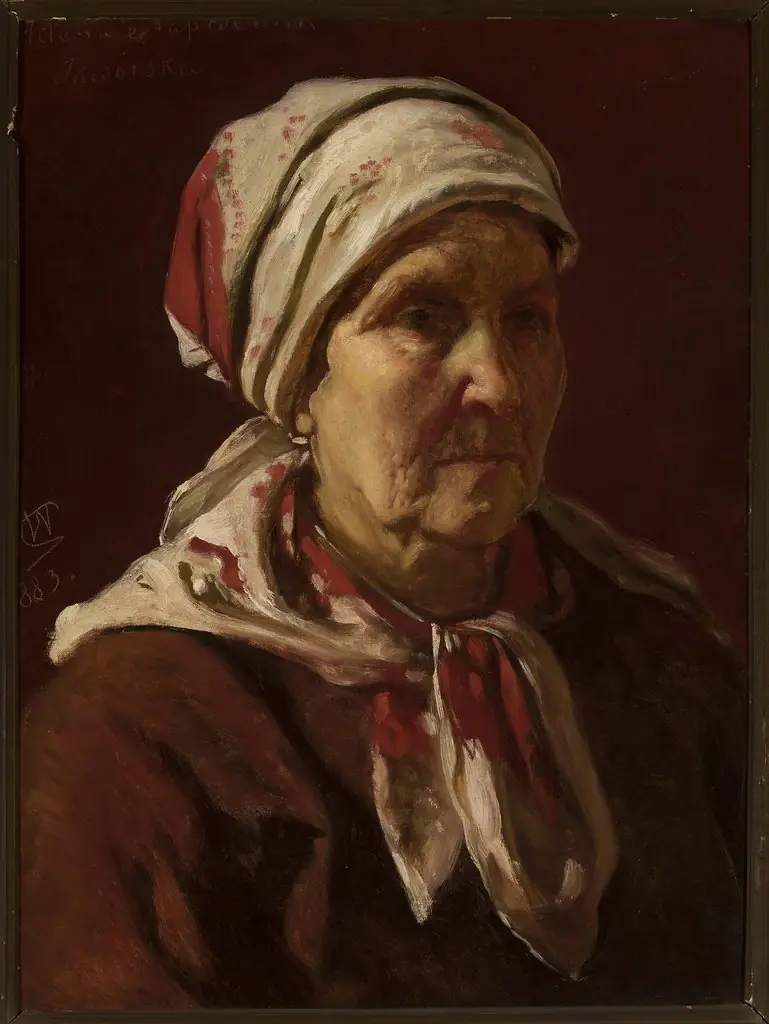 Portrait of Helena Jaworska née Rapacka
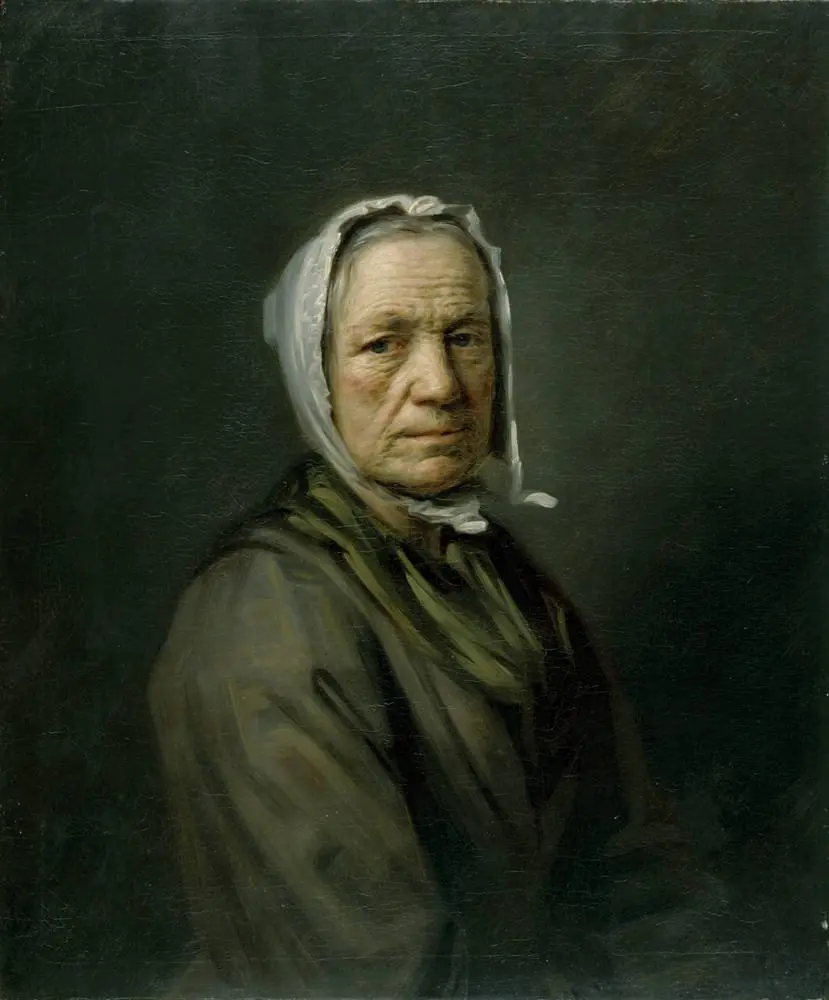 Bejahrte Frau mit weißer Haube
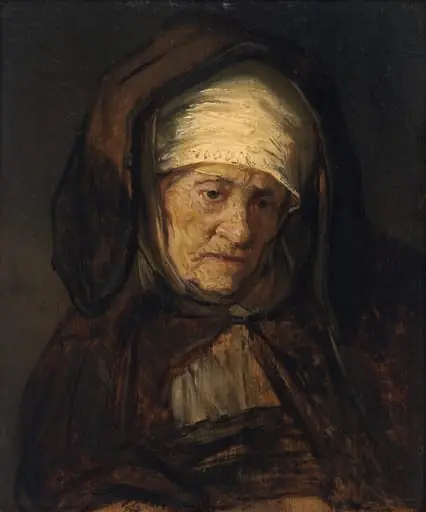 Head of an Aged Woman
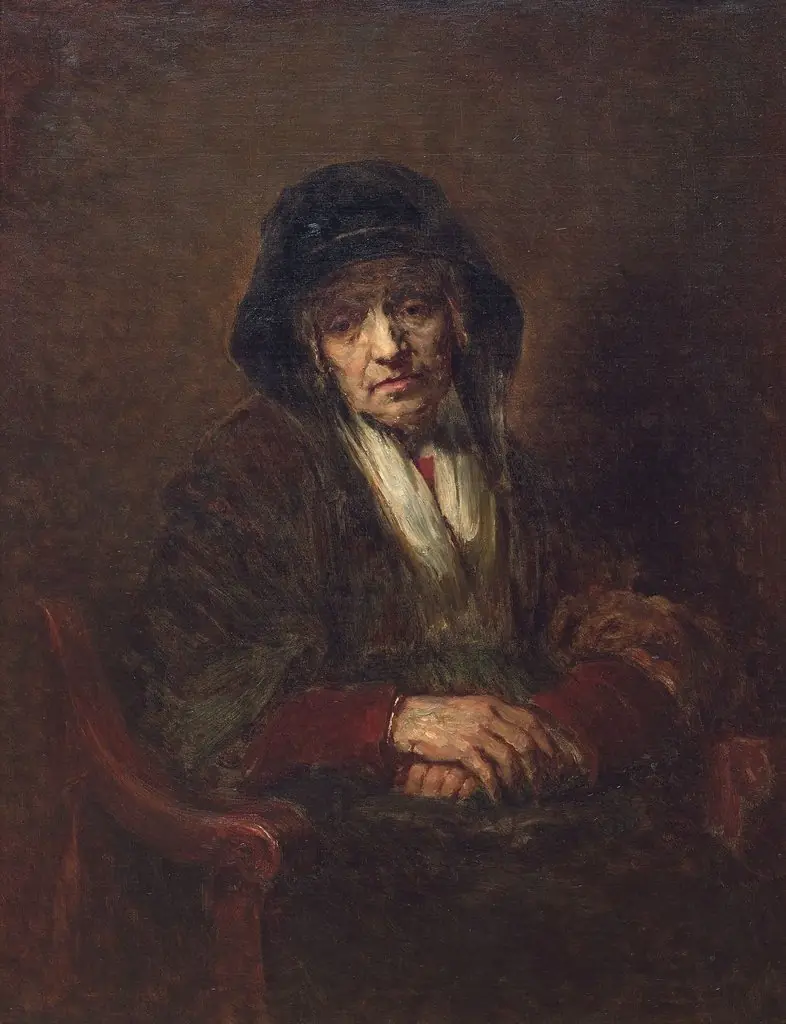 Old woman
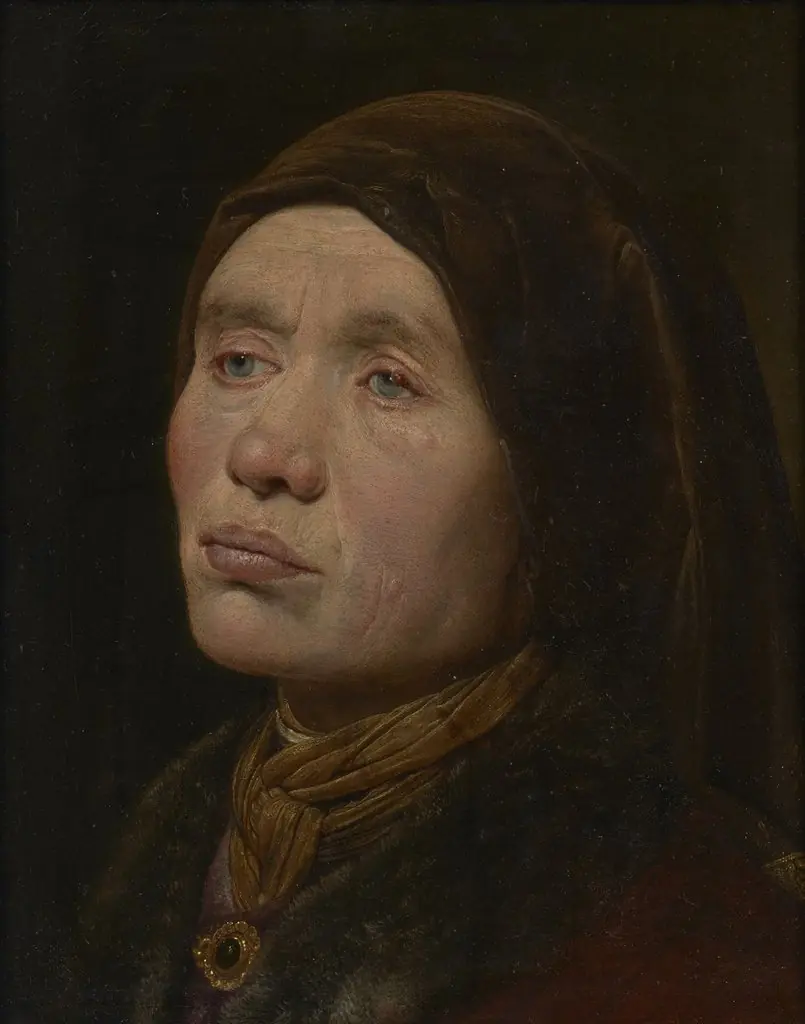 Portrait of a woman facing left
 Portrait of a woman
 Valkohilkkainen eukko
 Woman with a Pearl Necklace
 An Old Woman
 Portrait of Inger Margrethe Høyen, née Schrøder, the Mother of the Art Historian N.L. Høyen
 The Old Italian Woman