Artwork
Le plaine de Chailly
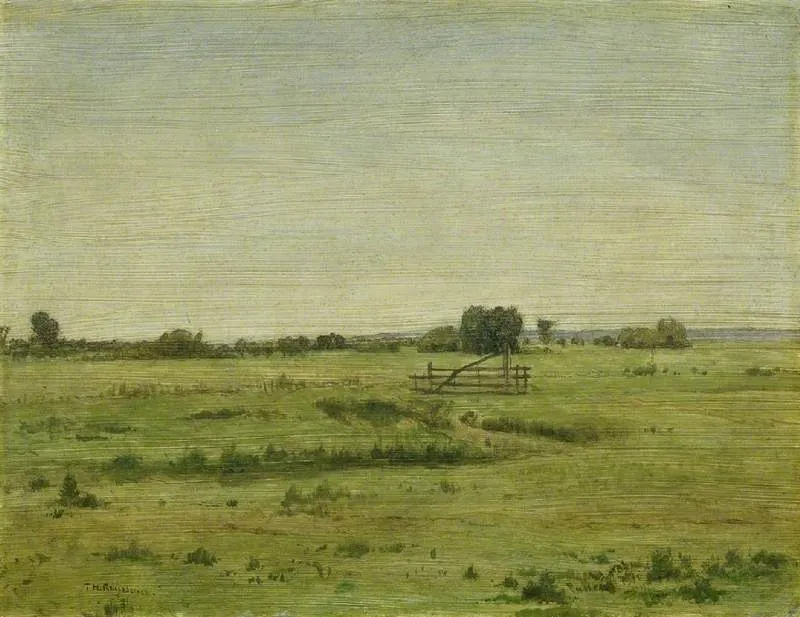
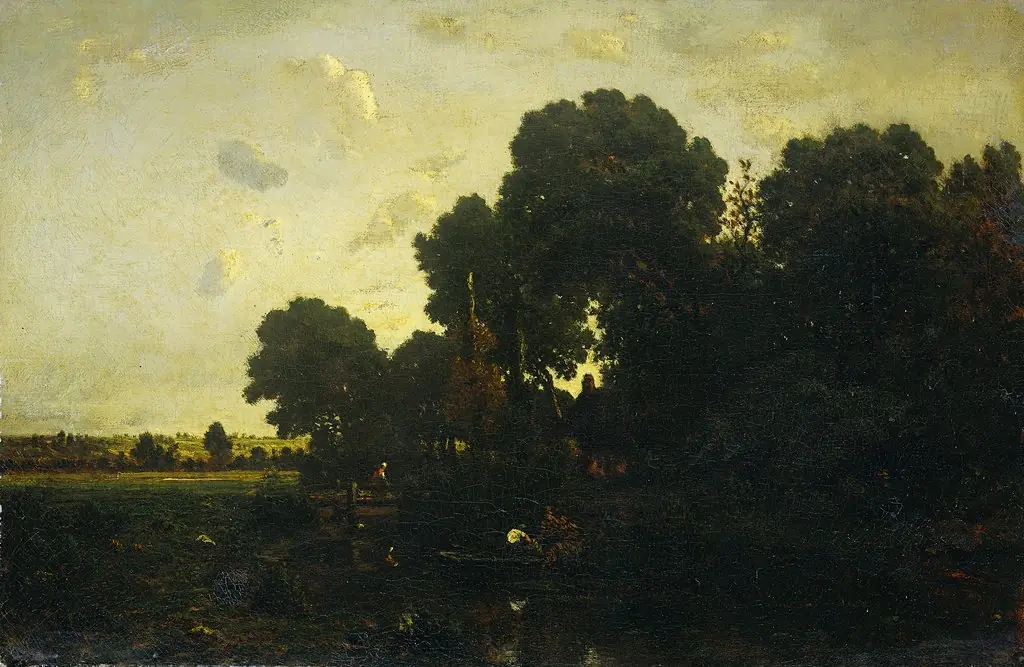
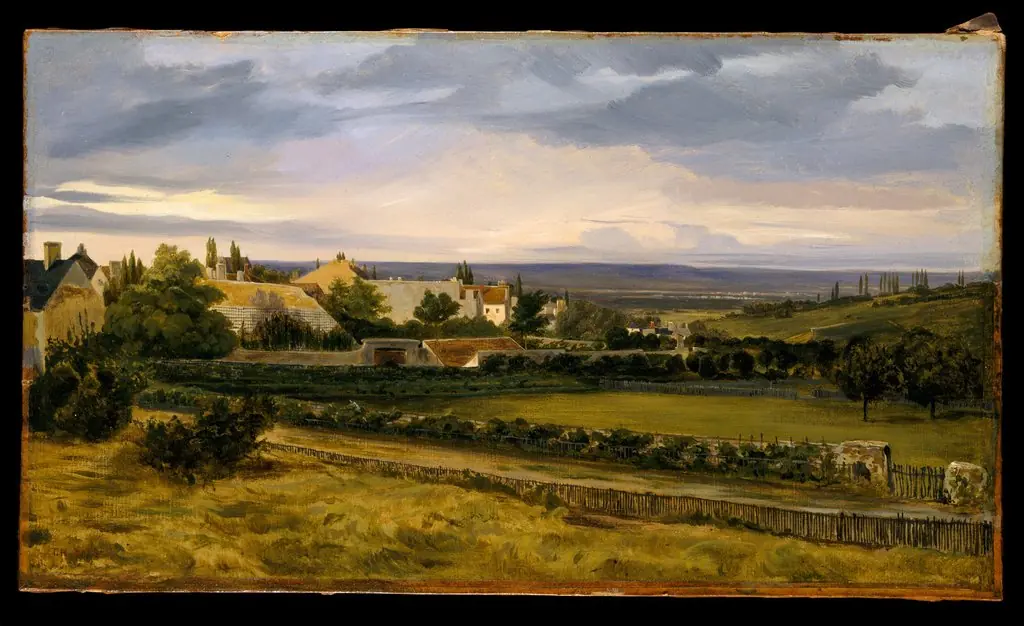
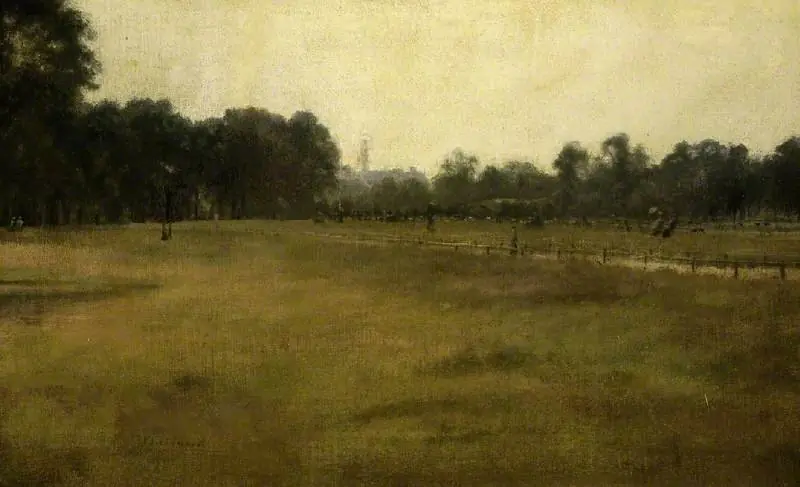
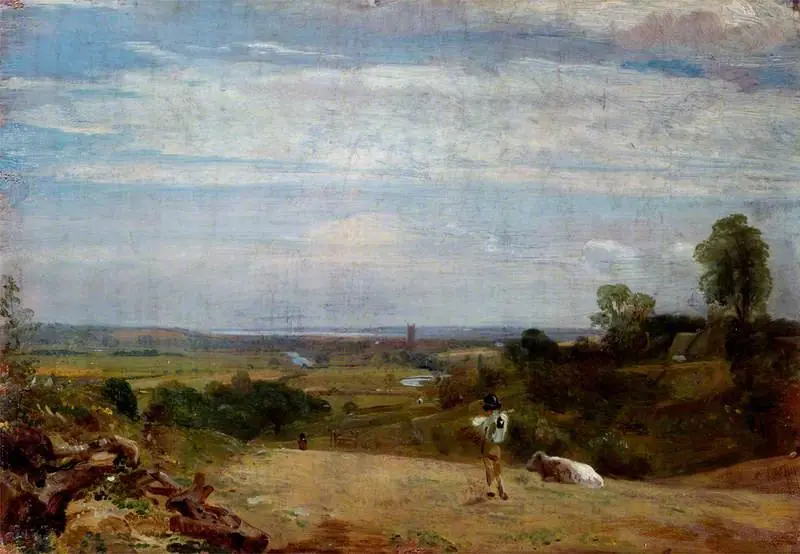
Le plaine de Chailly is an unspecified painting by the Barbizon school artist Théodore Rousseau. It dates from 1833 and is held in the collection of the Fitzwilliam Museum.
About this work
Overview
Théodore Rousseau painted *Le plaine de Chailly* in 1833. The work is part of the Fitzwilliam Museum’s collection and exemplifies the Barbizon school’s turn toward observing real countryside scenery rather than imagined vistas.
Subject & Meaning
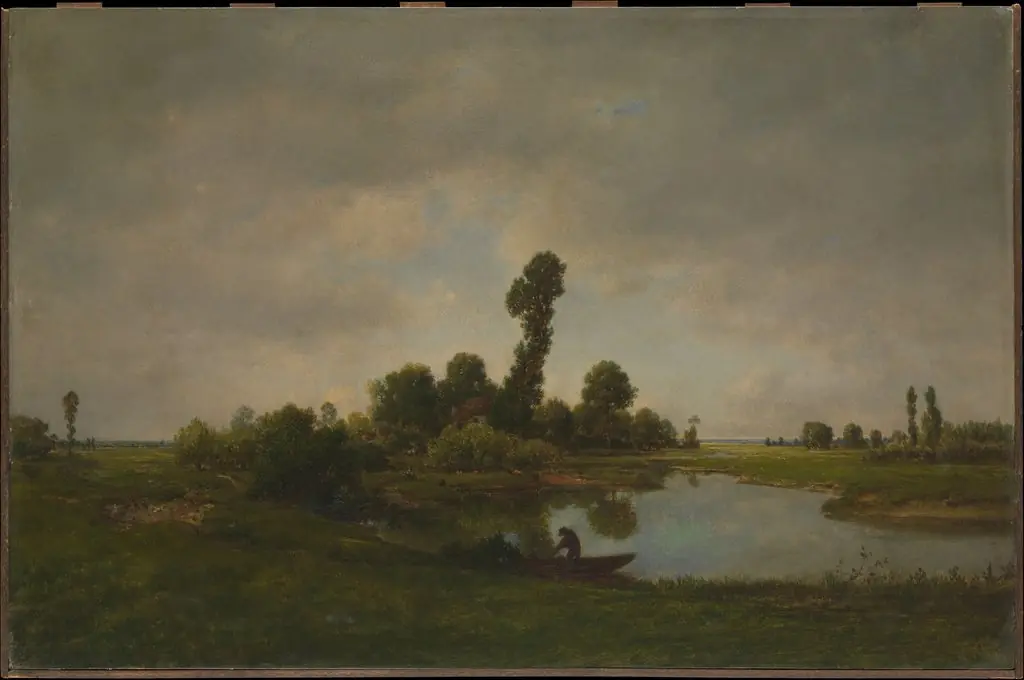
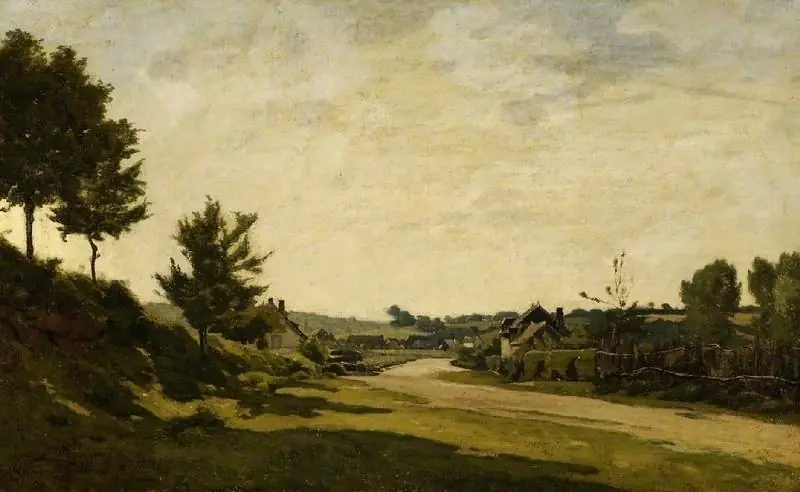
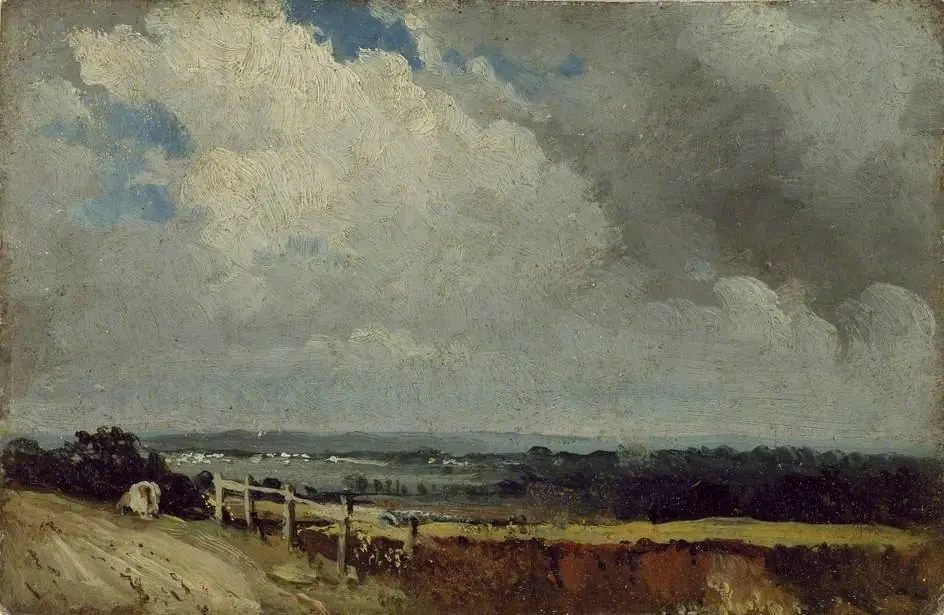
The canvas presents an expansive, flat green plain that stretches toward a distant horizon. Sparse trees and a modest fence‑like structure punctuate the middle ground, while a muted gray sky hovers above, conveying a quiet, contemplative mood.
Technique & Style
Rousseau employs smooth, restrained brushwork that softens edges and enhances the tranquil atmosphere. The palette is restrained, dominated by muted greens and grays, reflecting the artist’s commitment to naturalistic representation.
History & Provenance
Created during a period when French painters were increasingly favoring direct observation of the landscape, the piece later entered the Fitzwilliam Museum’s holdings, where it remains on view as a representative example of early 19th‑century French plein‑air practice.
Artist & collection
Artist
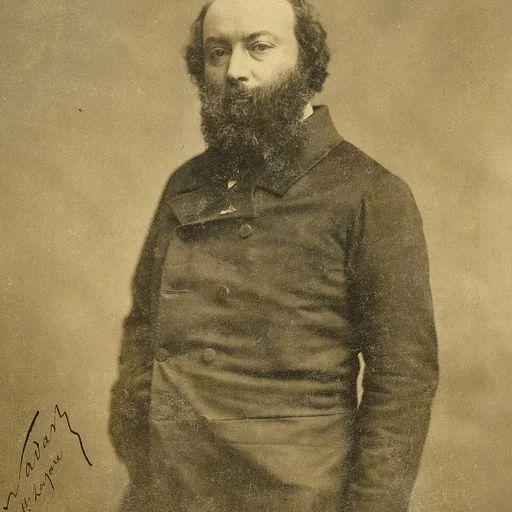
Étienne Pierre Théodore Rousseau (French pronunciation: ; 15 April 1812 – 22 December 1867) was a French painter of the Barbizon school.