Artwork
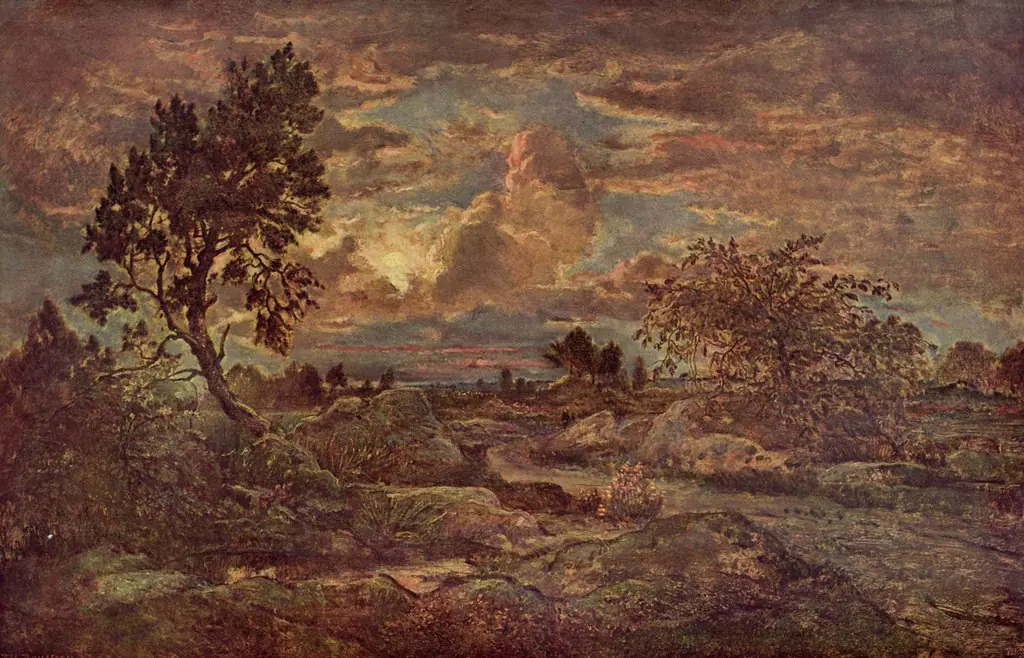
The Forest of Fontainebleau
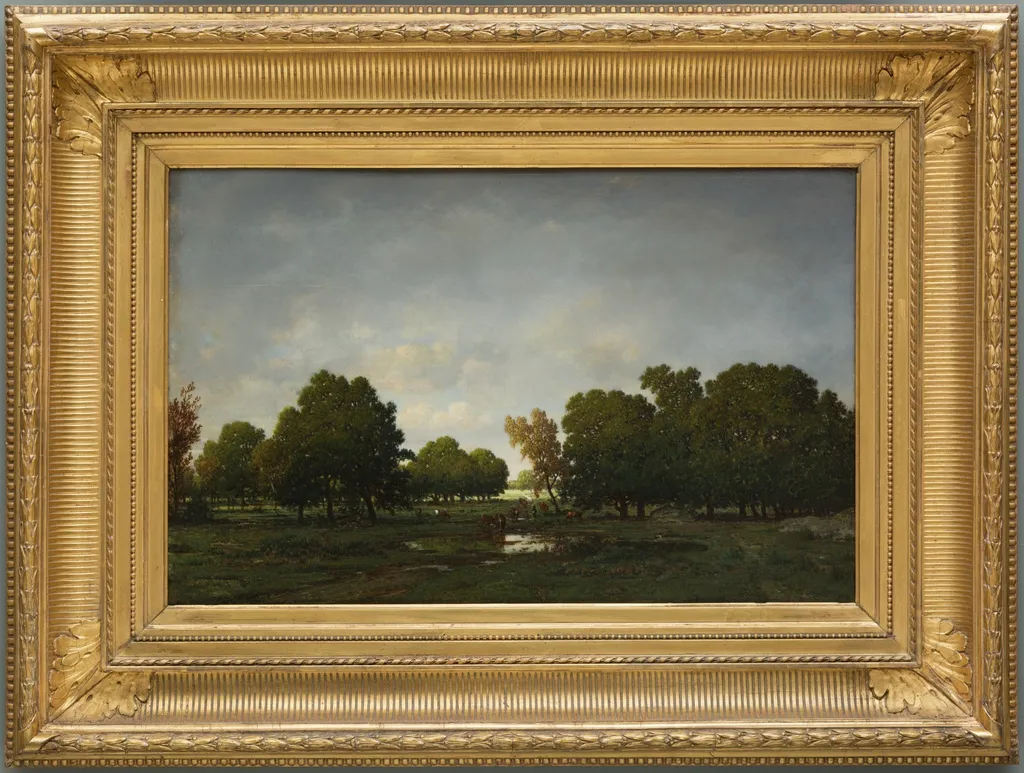
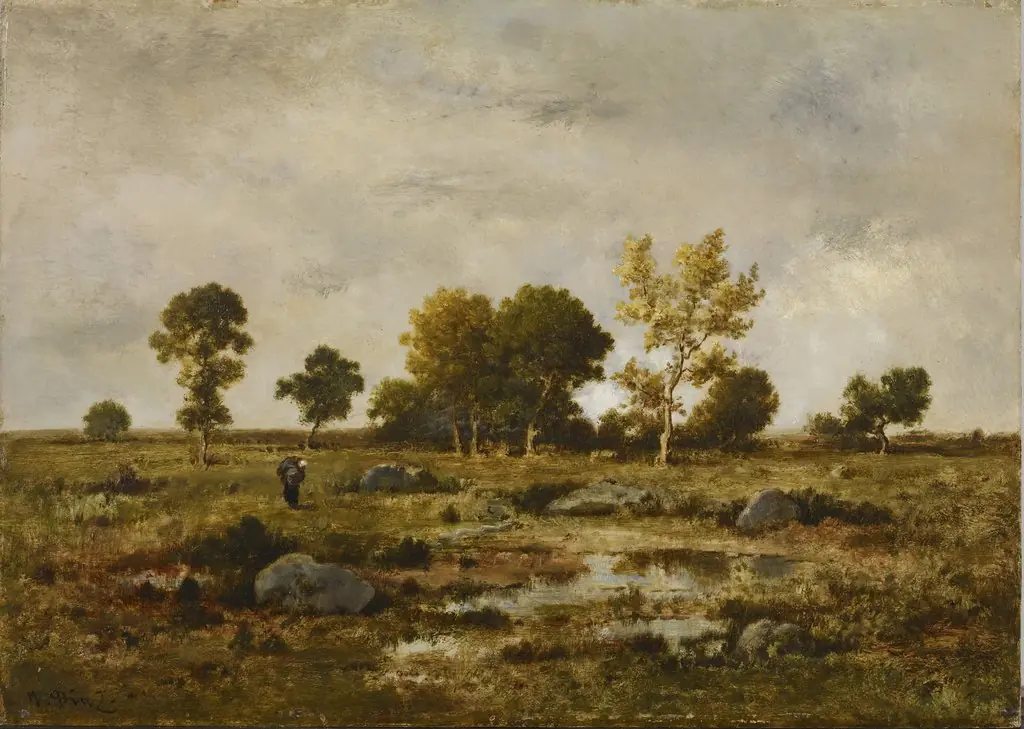
The Forest of Fontainebleau is an unspecified painting by the Barbizon school artist Théodore Rousseau. It dates from 1812 and is held in the collection of the Detroit Institute of Arts.
About this work
Overview
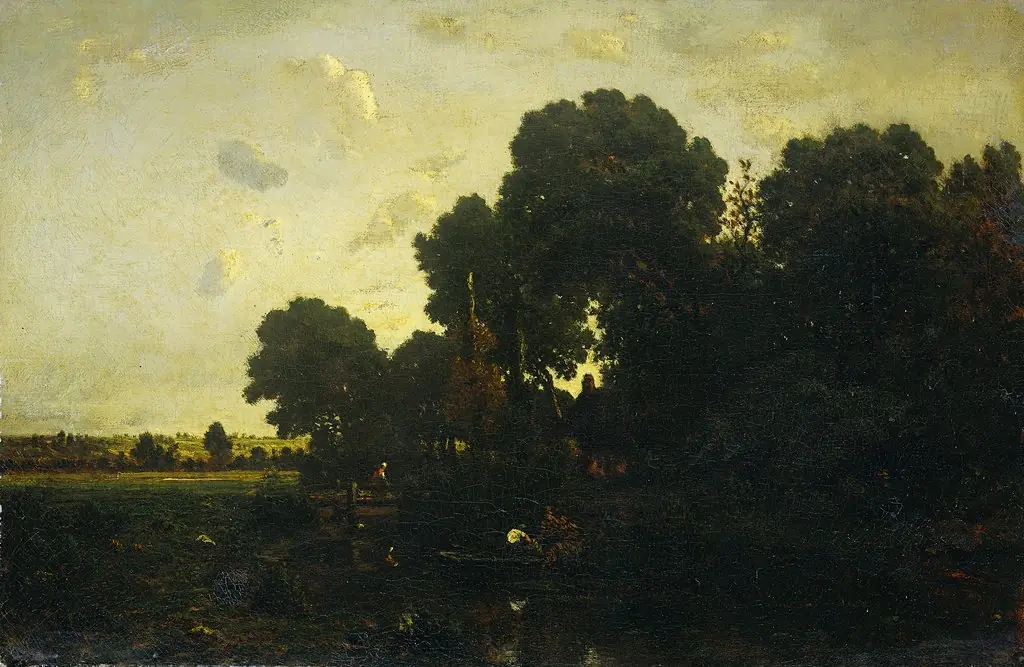
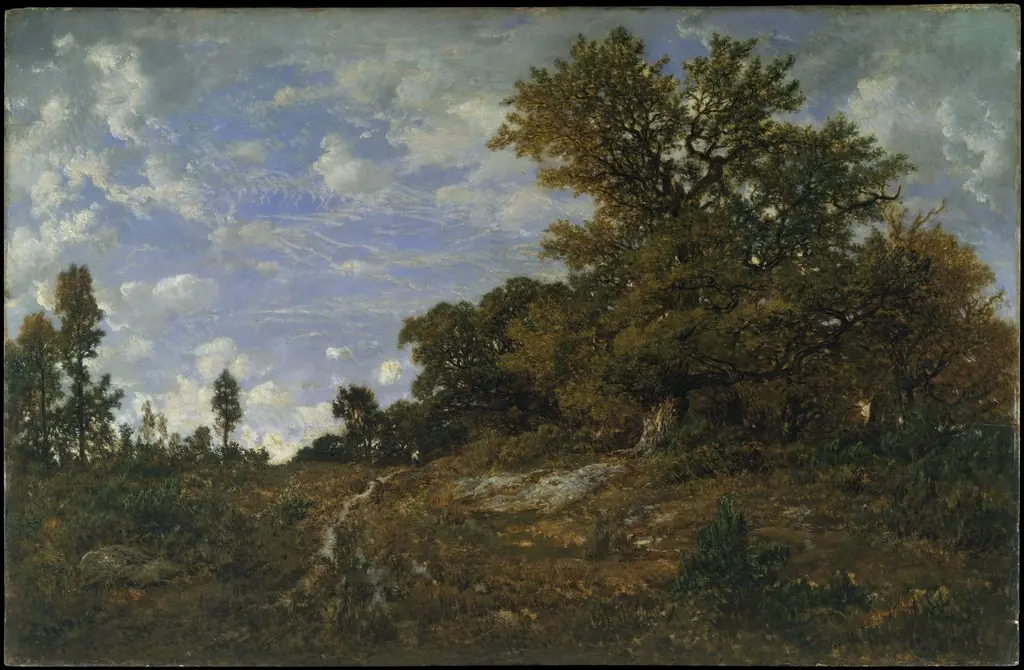
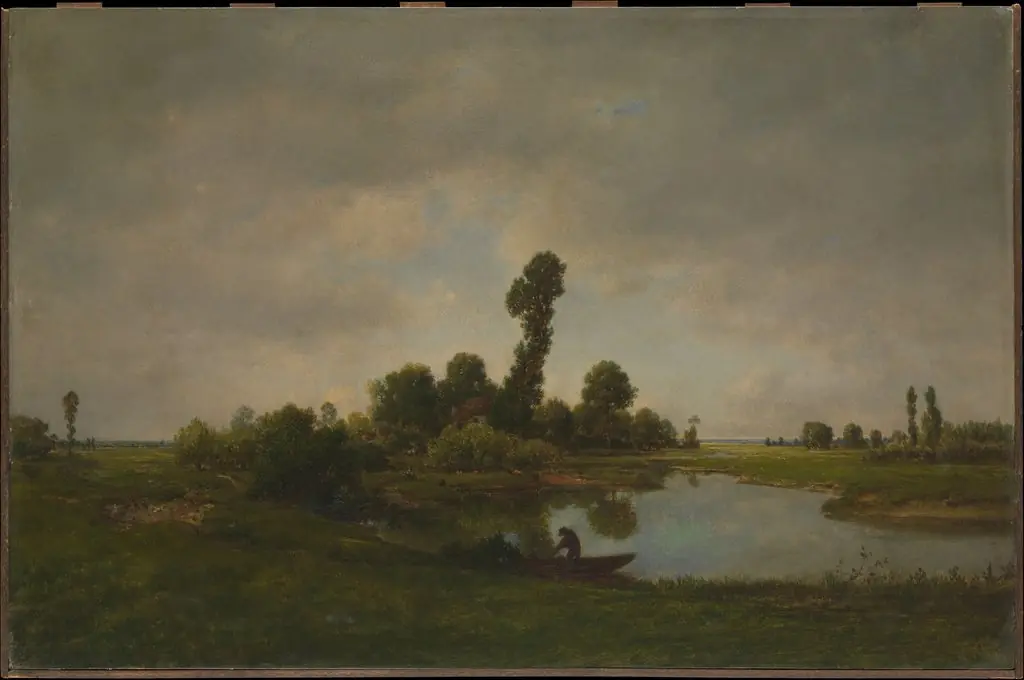
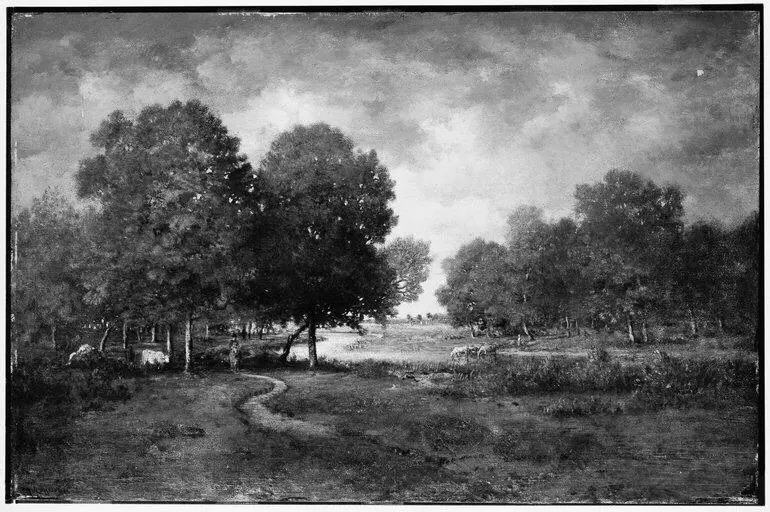
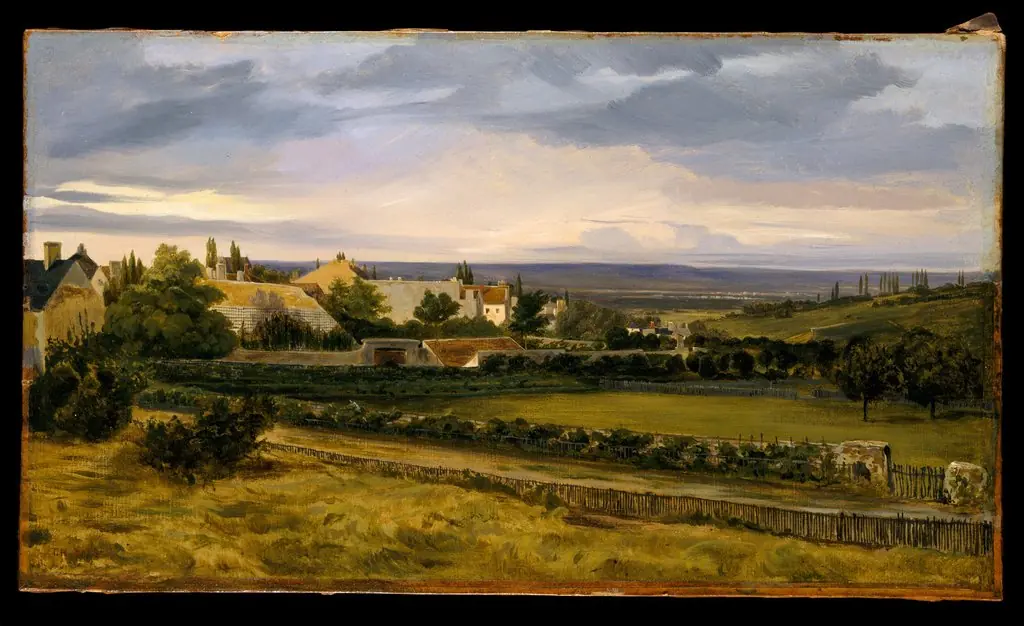
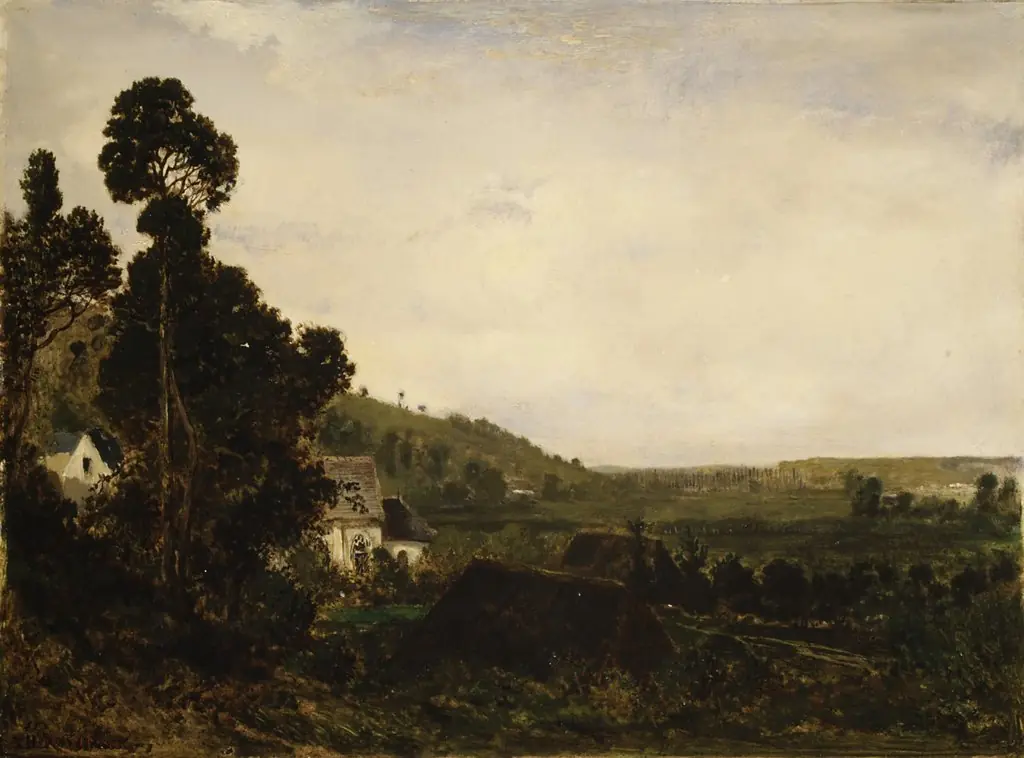
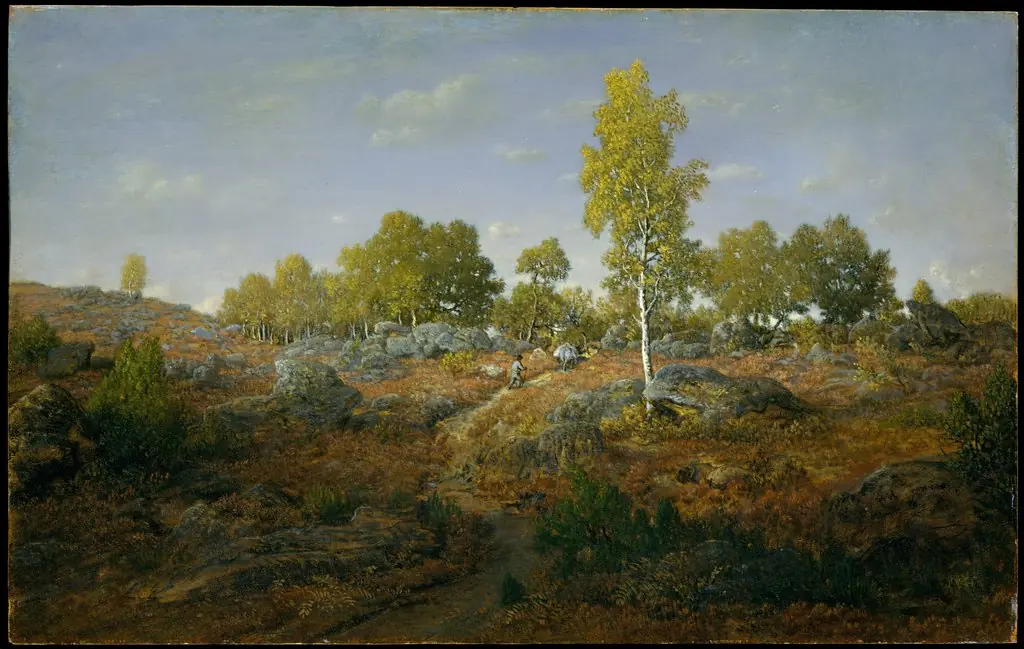
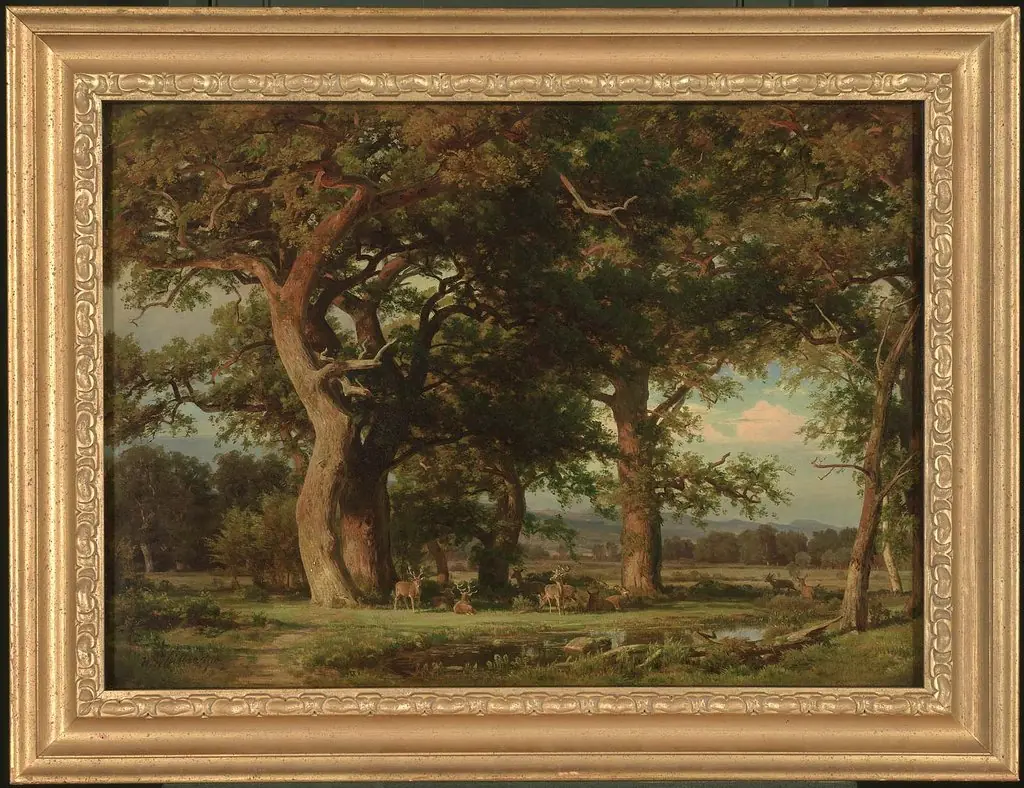
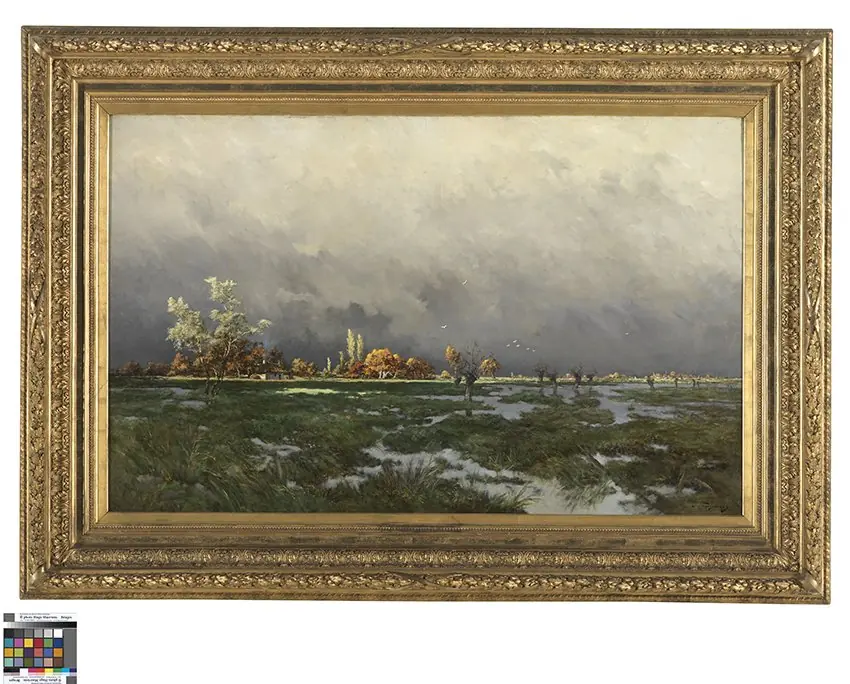
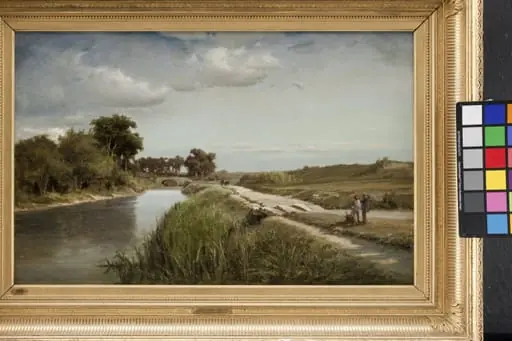
The Forest of Fontainebleau, painted by Théodore Rousseau in 1812, is a landscape depicting a serene natural scene. The composition features a foreground field, a varied forest, and a distant body of water, all rendered in soft colors and gentle brushstrokes.
Subject & Meaning
The subject is a tranquil forest landscape near Fontainebleau, emphasizing the natural world’s beauty and harmony. The artwork reflects Rousseau’s focus on detailed, realistic natural depictions, characteristic of the Barbizon school.
Technique & Style
Rousseau employed a range of colors to achieve depth and texture, from dark forest greens to light sky blues. The overall effect is calm and peaceful, with gentle brushstrokes contributing to the atmospheric portrayal.
History & Provenance
Created in 1812 by Théodore Rousseau, a key figure in the Barbizon school, the painting is now part of the Detroit Institute of Arts collection.
Artist & collection
Artist
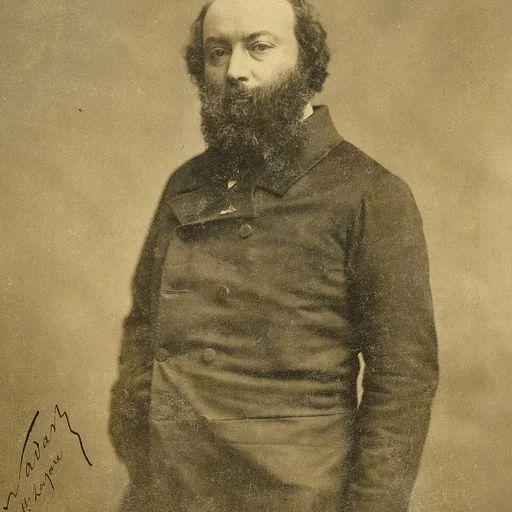
Étienne Pierre Théodore Rousseau (French pronunciation: ; 15 April 1812 – 22 December 1867) was a French painter of the Barbizon school.