Artwork
The Seine
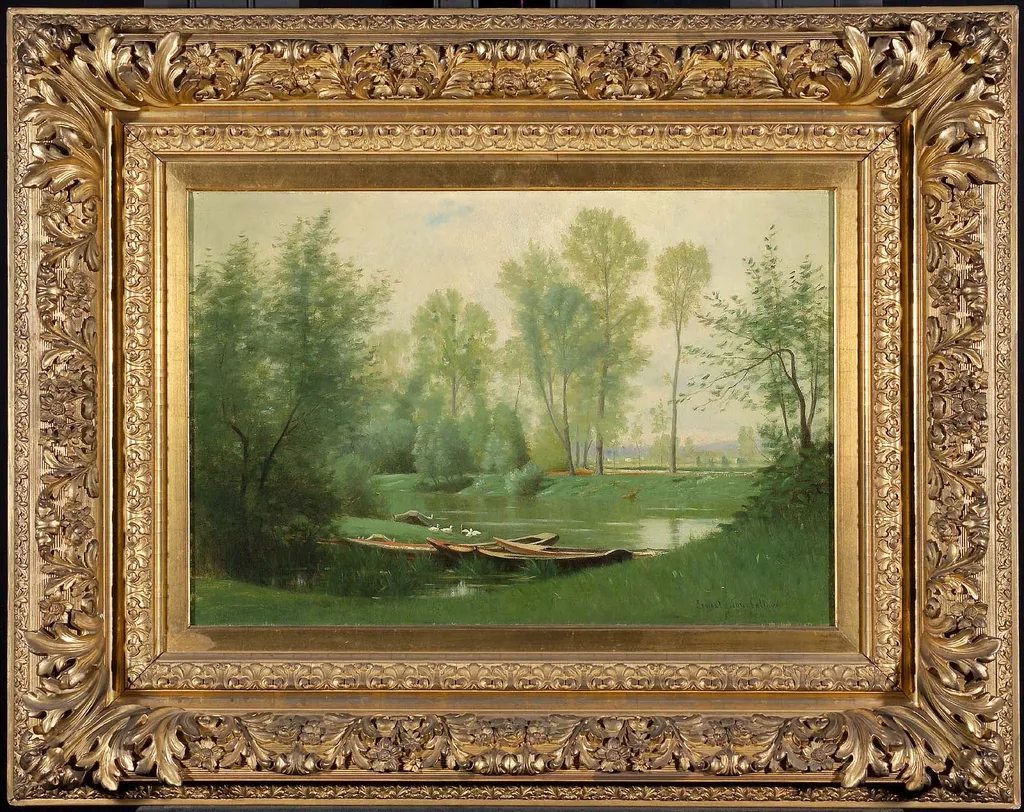
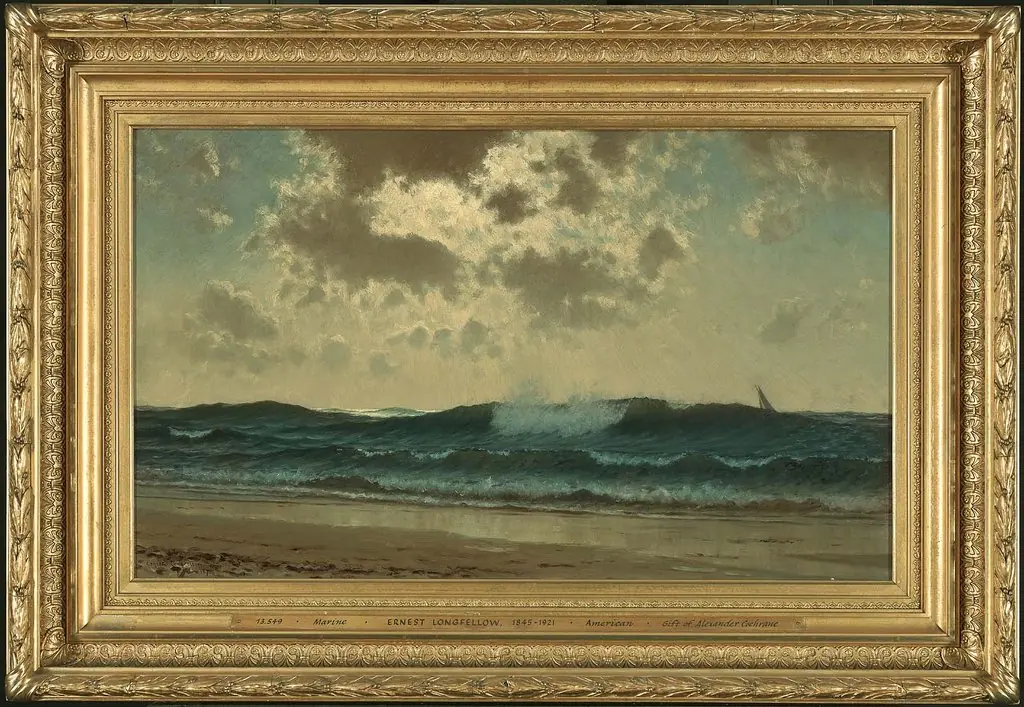
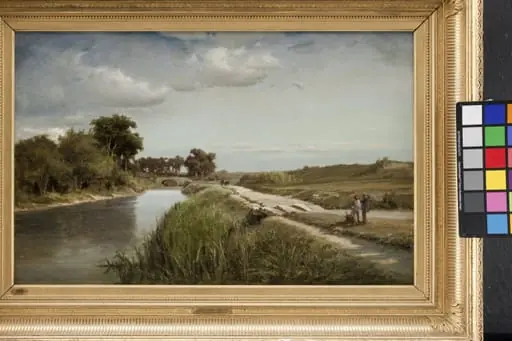
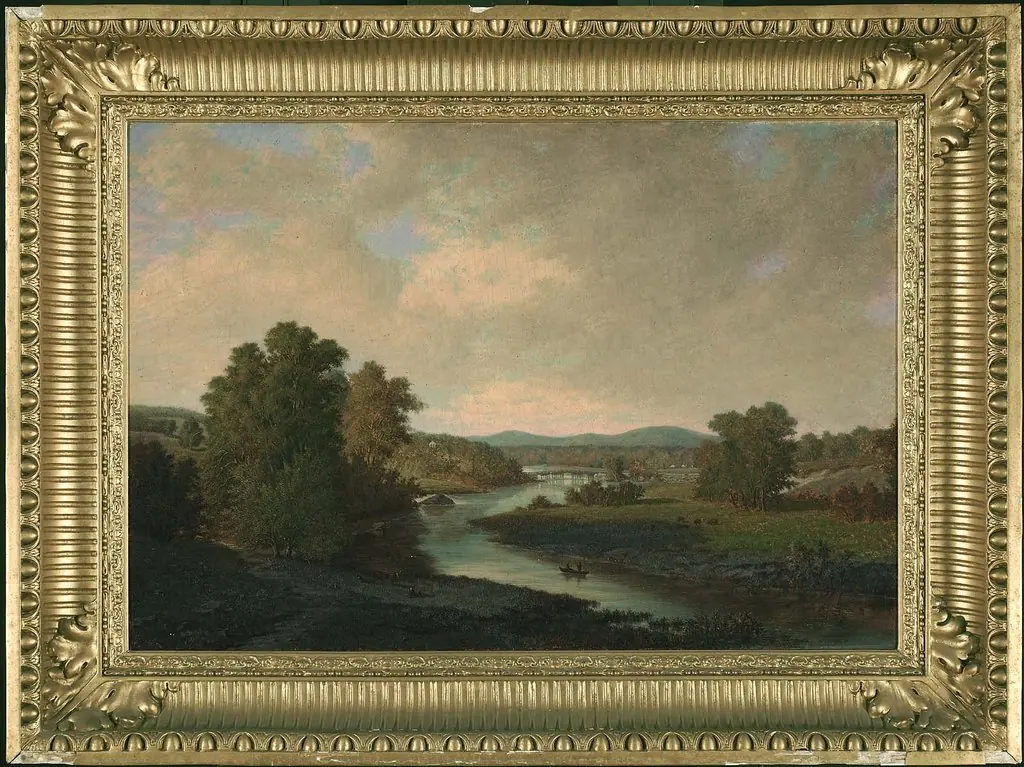
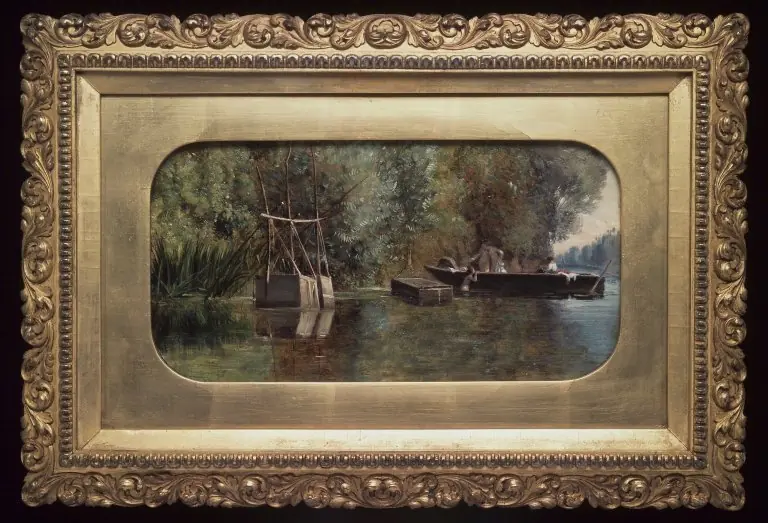
The Seine is an oil painting by the Impressionist artist Ernest Wadsworth Longfellow. It dates from 1890 and is held in the collection of the Museum of Fine Arts Boston.
About this work
Overview
The painting captures a quiet stretch of the Seine River, reflecting the movement’s interest in everyday landscapes and transient natural effects.
Painted in 1890, *The Seine* is an oil on canvas work by American artist Ernest Wadsworth Longfellow. Though based in Boston and New York, Longfellow spent time in France, where he absorbed the visual language of French Impressionism. The painting captures a quiet stretch of the Seine River, reflecting the movement’s interest in everyday landscapes and transient natural effects. It is now part of the Museum of Fine Arts, Boston’s permanent collection.
Subject & Meaning
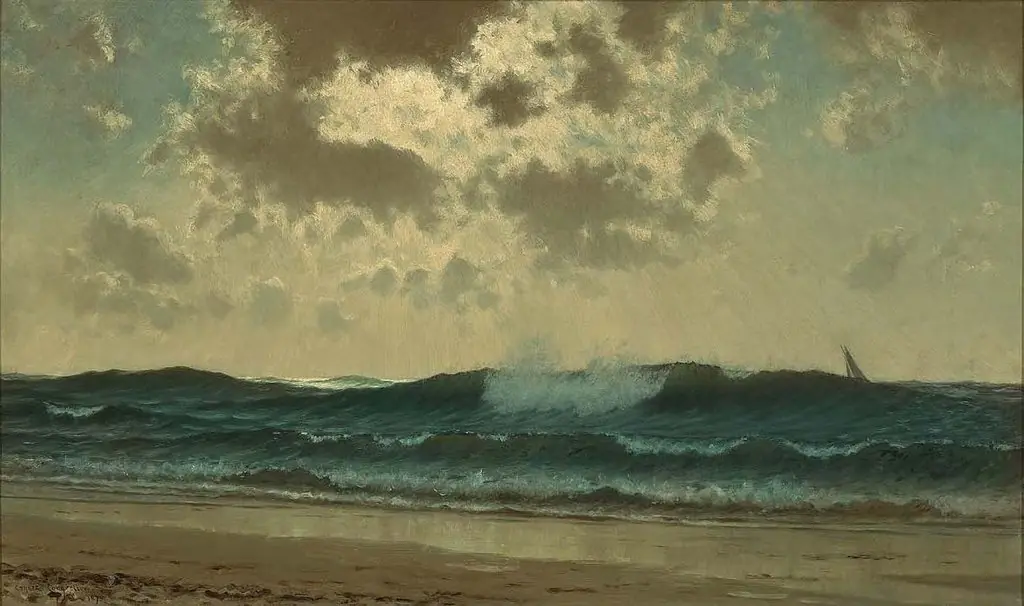
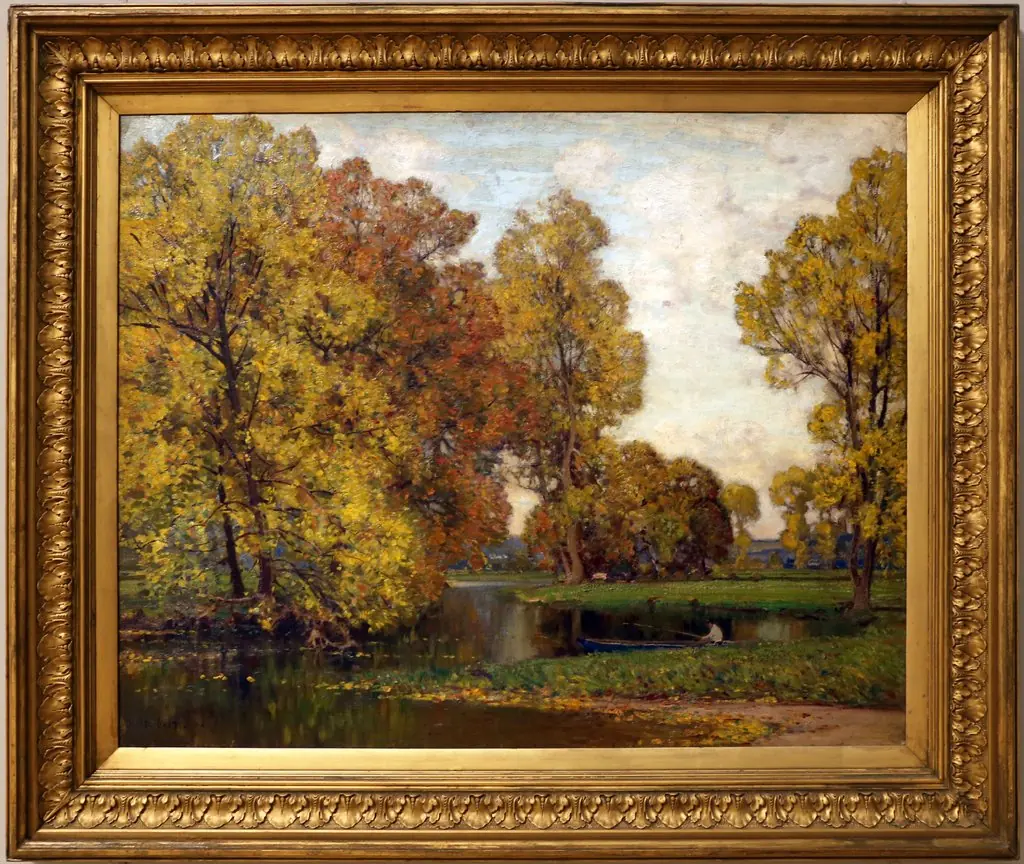
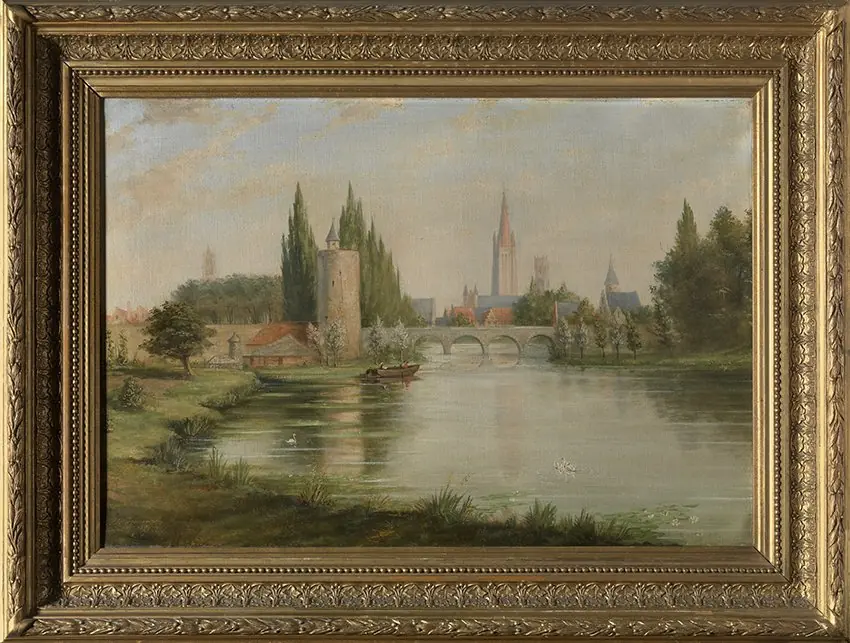
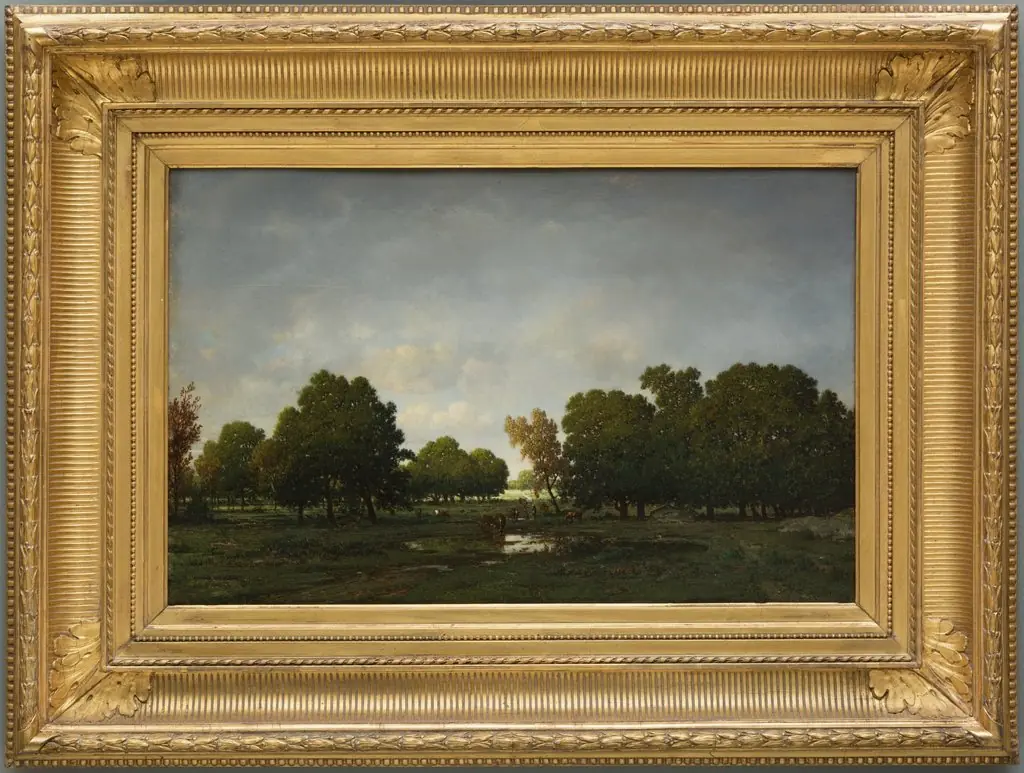
The scene portrays a calm riverside in late afternoon, with moored boats, slender trees, and soft reflections on the water. There is no human activity beyond the vessels, emphasizing solitude and stillness. The composition avoids narrative or drama, instead inviting contemplation of light and environment. The quietude suggests a personal, meditative response to nature rather than a grand statement.
Technique & Style
Longfellow employed loose, fluid brushwork typical of Impressionist practice, blending tones to suggest movement in foliage and water. The palette is restrained—dominated by muted greens, browns, and soft grays—with no sharp contrasts. Light is rendered diffusely, as if filtered through atmosphere, and forms are suggested rather than defined. This approach prioritizes sensory impression over detailed realism.
History & Provenance
Created during Longfellow’s time in France, the painting likely resulted from direct observation along the Seine. It remained in private hands until acquired by the Museum of Fine Arts, Boston, where it entered the collection in the early 20th century. Its provenance reflects the growing American interest in European Impressionism during that period, though Longfellow’s work was never widely exhibited.
Context
In the 1890s, American artists increasingly traveled to Europe to study abroad, often aligning with French Impressionist ideals. Longfellow, son of the famous poet, was part of this cultural exchange but maintained a quieter, more introspective approach than his contemporaries. His work reflects a personal adaptation of Impressionism, less concerned with urban modernity and more with rural tranquility.
Legacy
Though not widely known today, *The Seine* exemplifies how American artists engaged with European movements on their own terms. Longfellow’s restrained interpretation of Impressionism offers a counterpoint to more flamboyant contemporaries. The painting remains a quiet testament to cross-cultural artistic dialogue and the enduring appeal of serene natural scenes in late 19th-century art.
Artist & collection
Artist
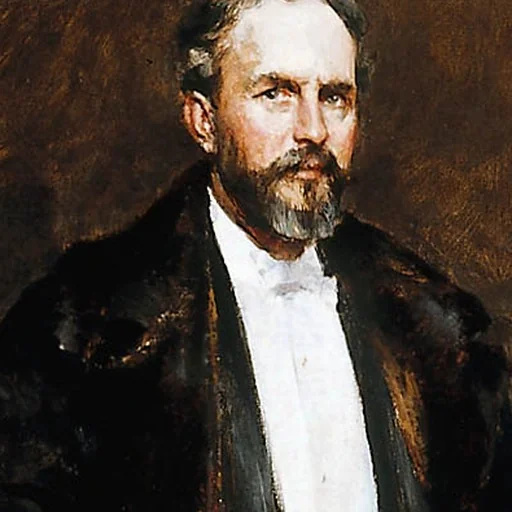
Ernest Wadsworth Longfellow (1845–1921) was an American artist in Boston and New York. He was the son of poet Henry Wadsworth Longfellow.