Artwork
Sandy Path
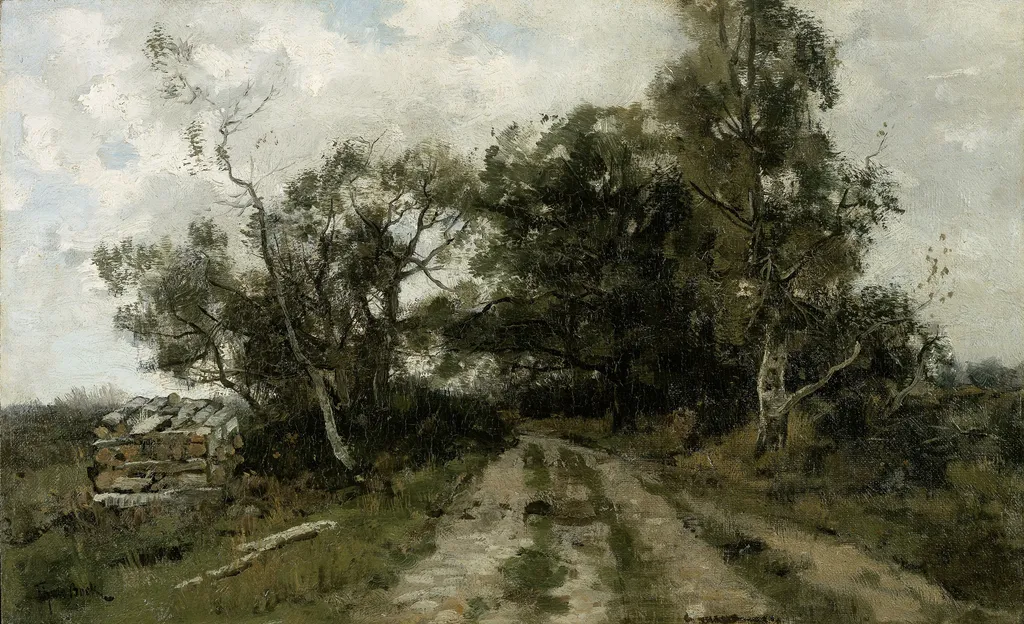
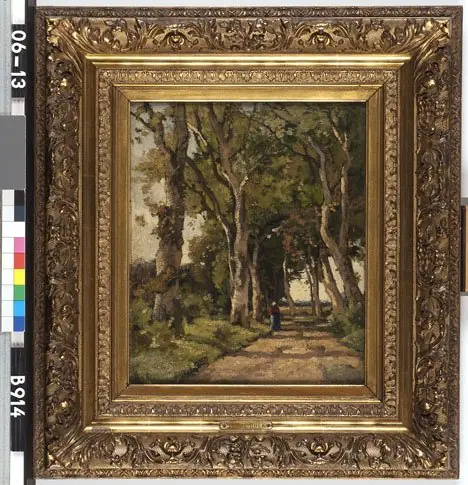
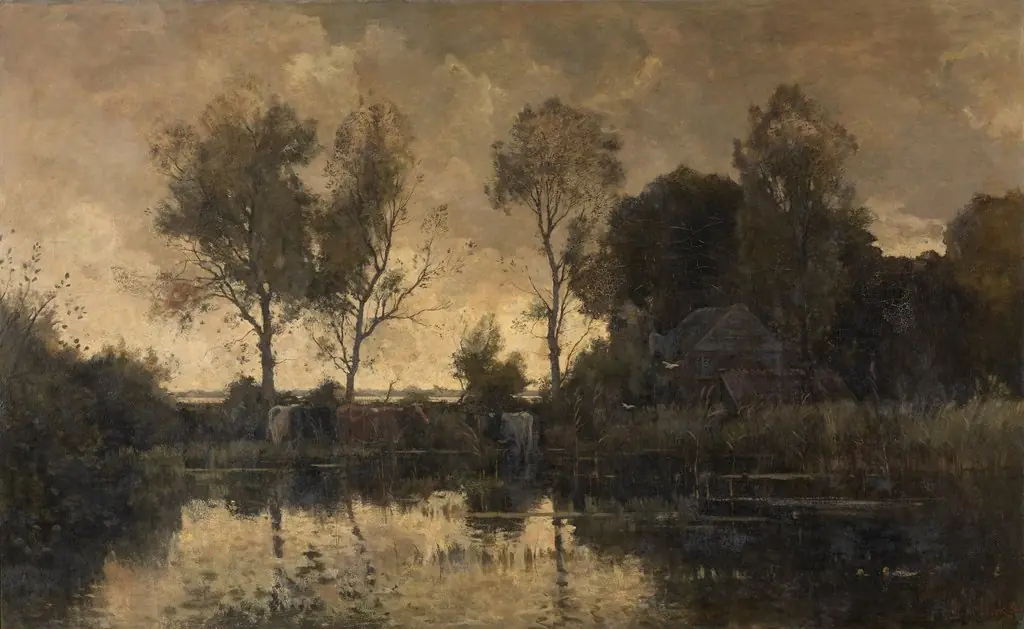
Sandy Path is an oil painting by the Hague School Movement artist Théophile de Bock. It dates from 1894 and is held in the collection of the Rijksmuseum.
About this work
Overview
Sandy Path is an 1894 oil painting by Théophile de Bock, a Dutch artist affiliated with the Hague School. The work exemplifies de Bock's typical focus on Dutch landscapes, rendered in his distinctive muted and impressionistic style.
Subject & Meaning
The painting depicts a serene, overgrown path in a field, flanked by gnarled trees with intertwined branches. A crumbling stone wall, uneven ground with grass and rocks, and a pale, subdued sky complete the scene, evoking a sense of natural tranquility and neglect.
Technique & Style
De Bock employed thick, rough brushstrokes and impasto techniques to achieve a textured, almost unfinished appearance. This approach conveys a sense of urgency, as if the artist prioritized capturing fleeting light and mood over polished detail.
History & Provenance
Created in 1894, Sandy Path is now part of the Rijksmuseum's collection. While critics of the time noted de Bock's muted tone and impressionistic leanings, his work was well-regarded within the Hague School movement.
Own this work as a print
Artist & collection
Artist
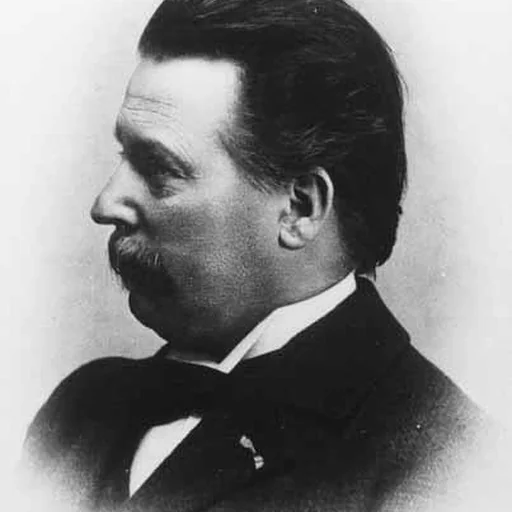
Théophile Emile Achille de Bock (14 January 1851 in The Hague – 22 November 1904 in Haarlem) was a Dutch painter belonging to the Hague School.

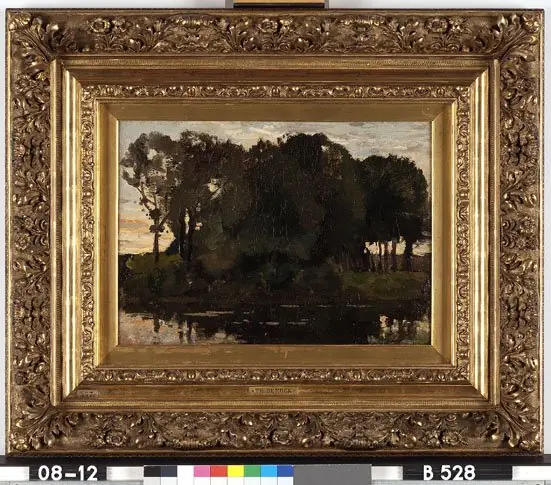
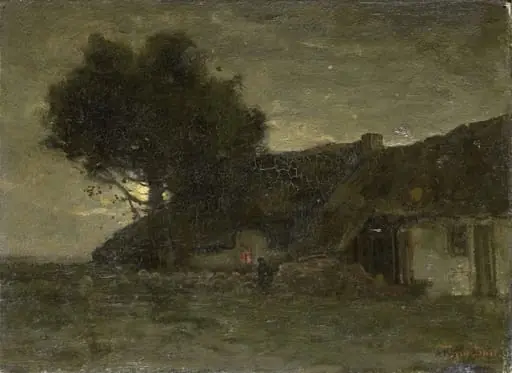
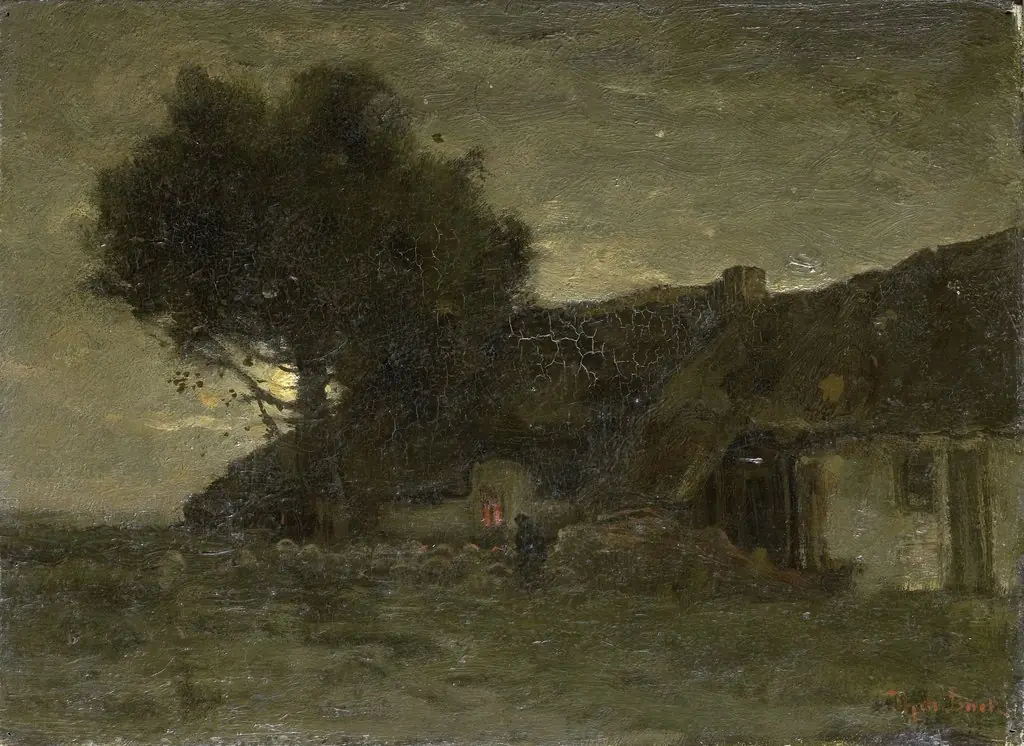
 Le Bois sur la côte de Grâce à Honfleur
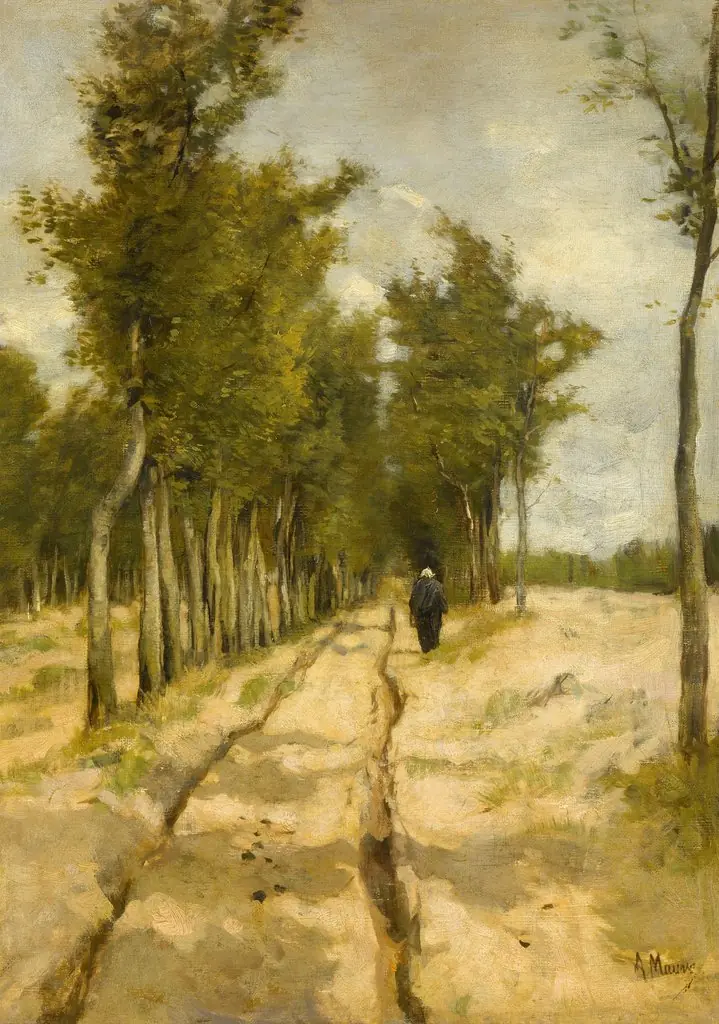 The Torenlaan at Laren.
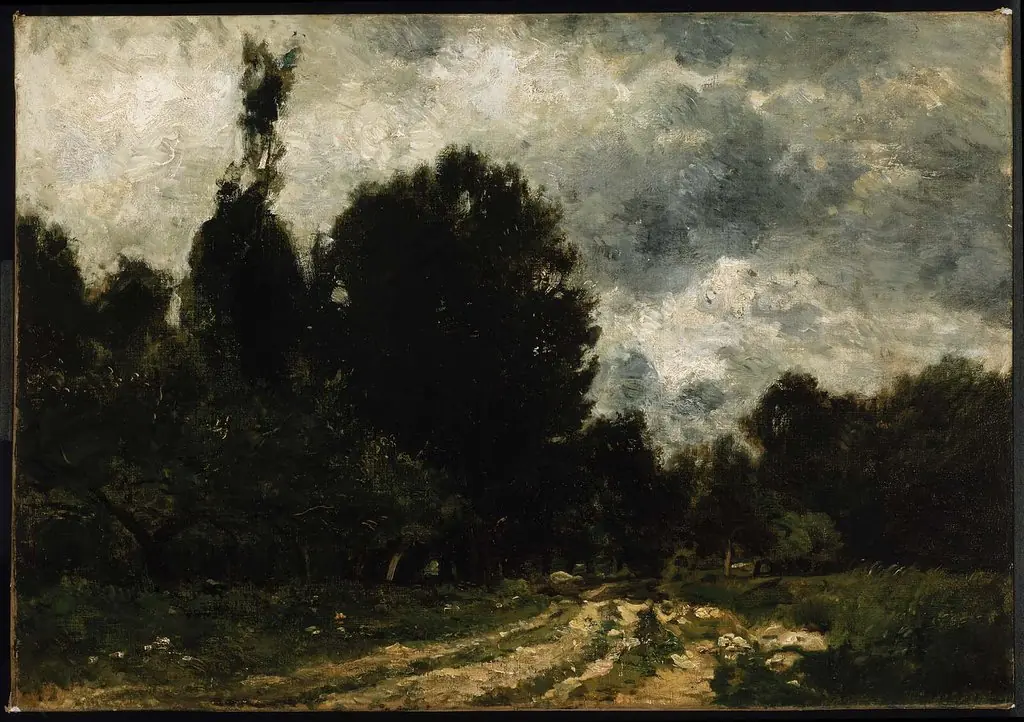 Road through the Forest
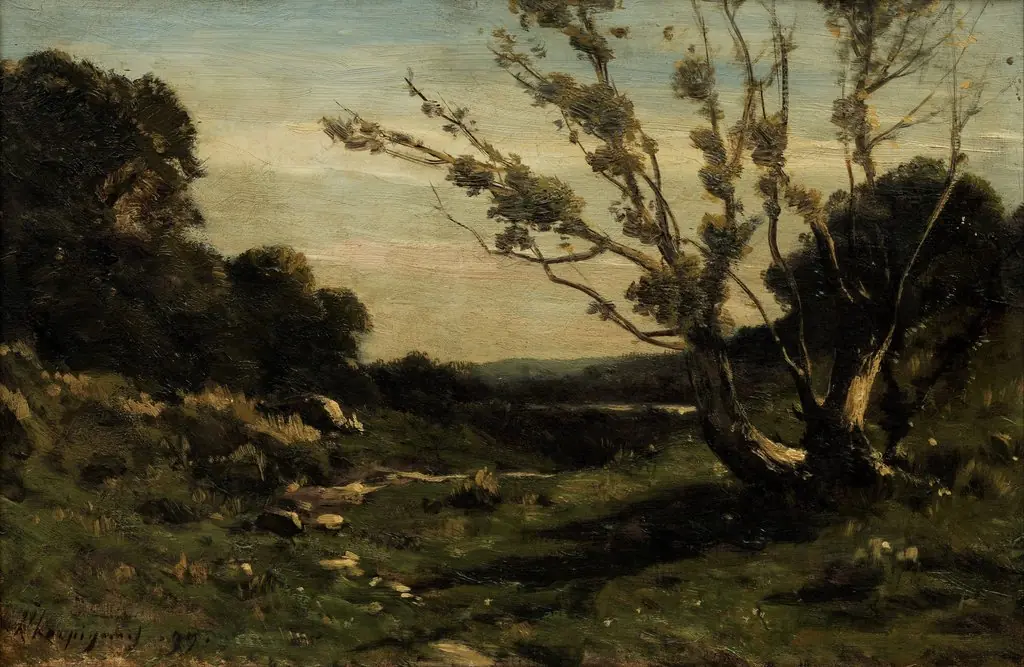 Morning in the Nievre
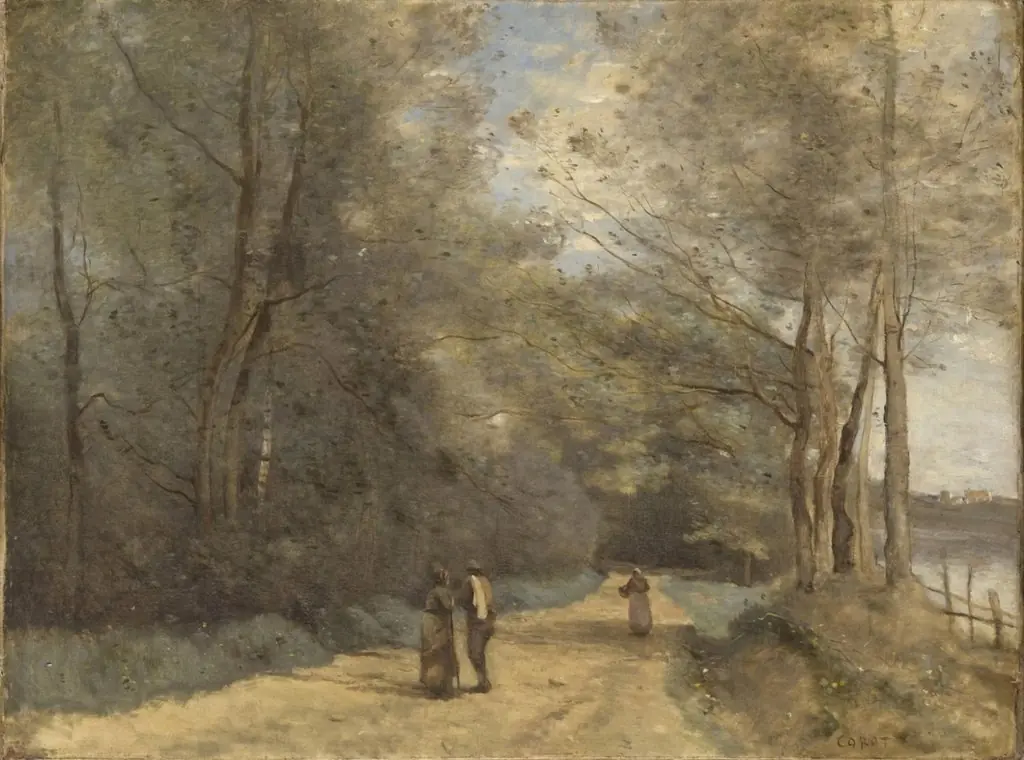 Wooded Path near Ville d'Avray
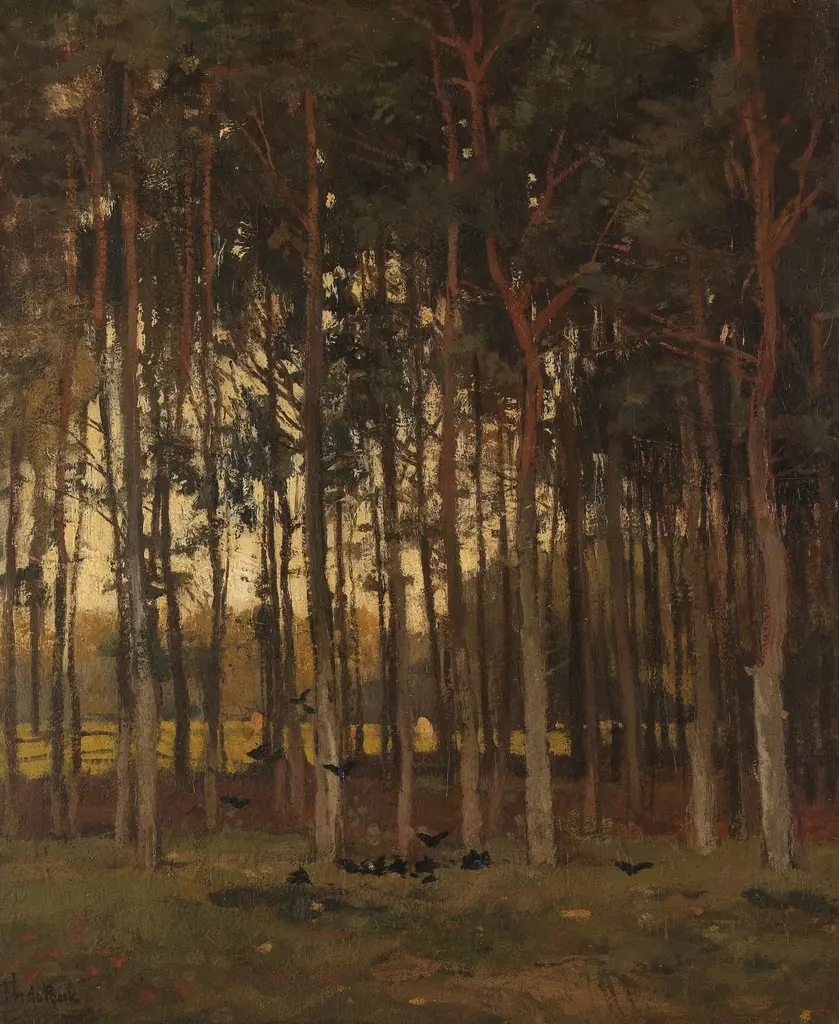
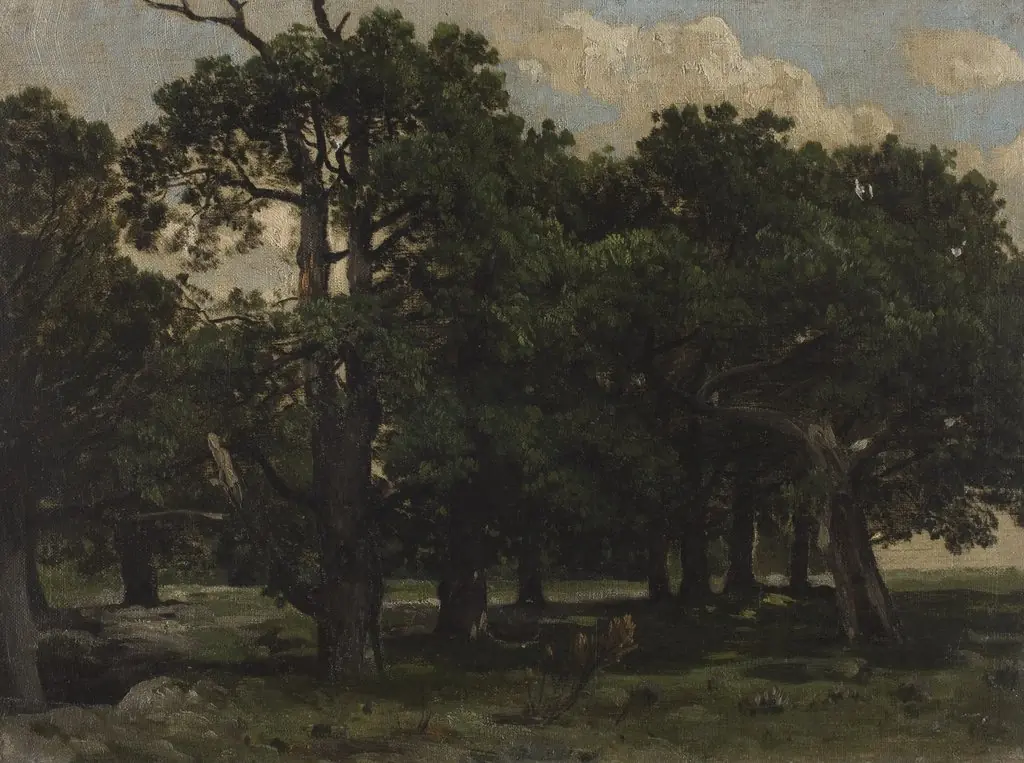 Pines
Pines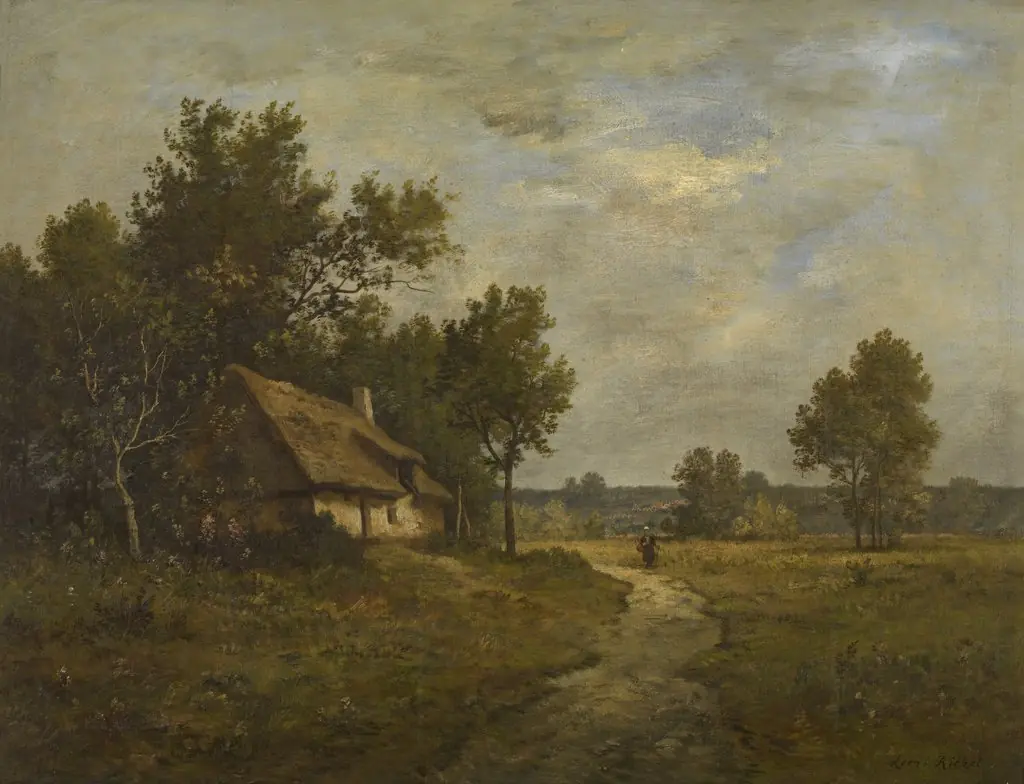 Landscape
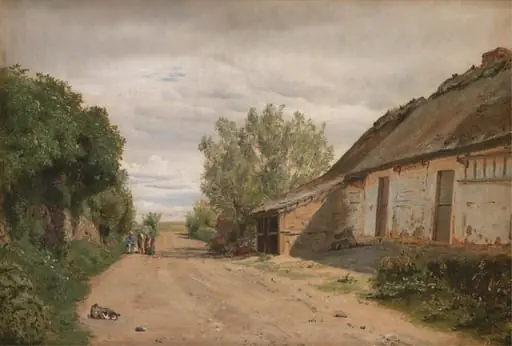 The Outskirts of the Village of Vejby. By the Roadside the Painter J.Th. Lundbye Sketching
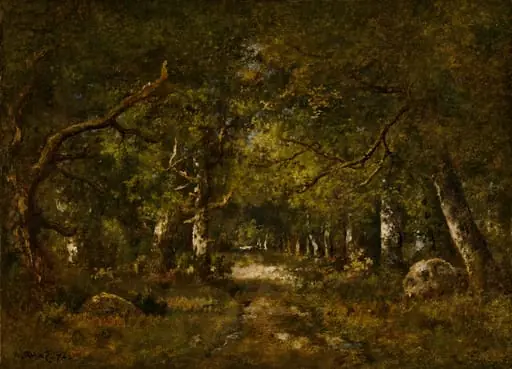 Forest Scene
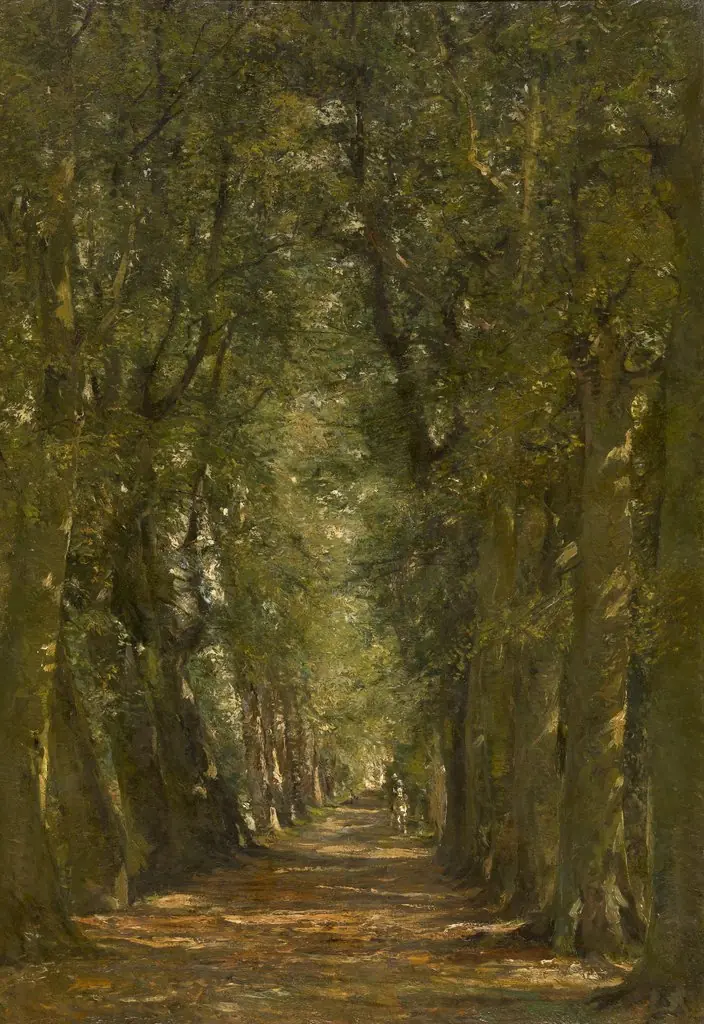 Sunny Lane
 Reminiscence of the Beach of Naples
 Path Near the Pond of Vipers, Fontainebleau Forest