Artwork
Autumn Dag
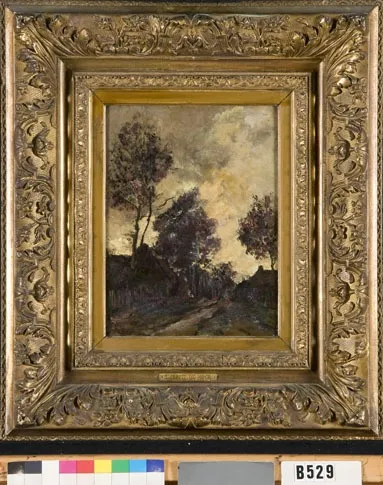
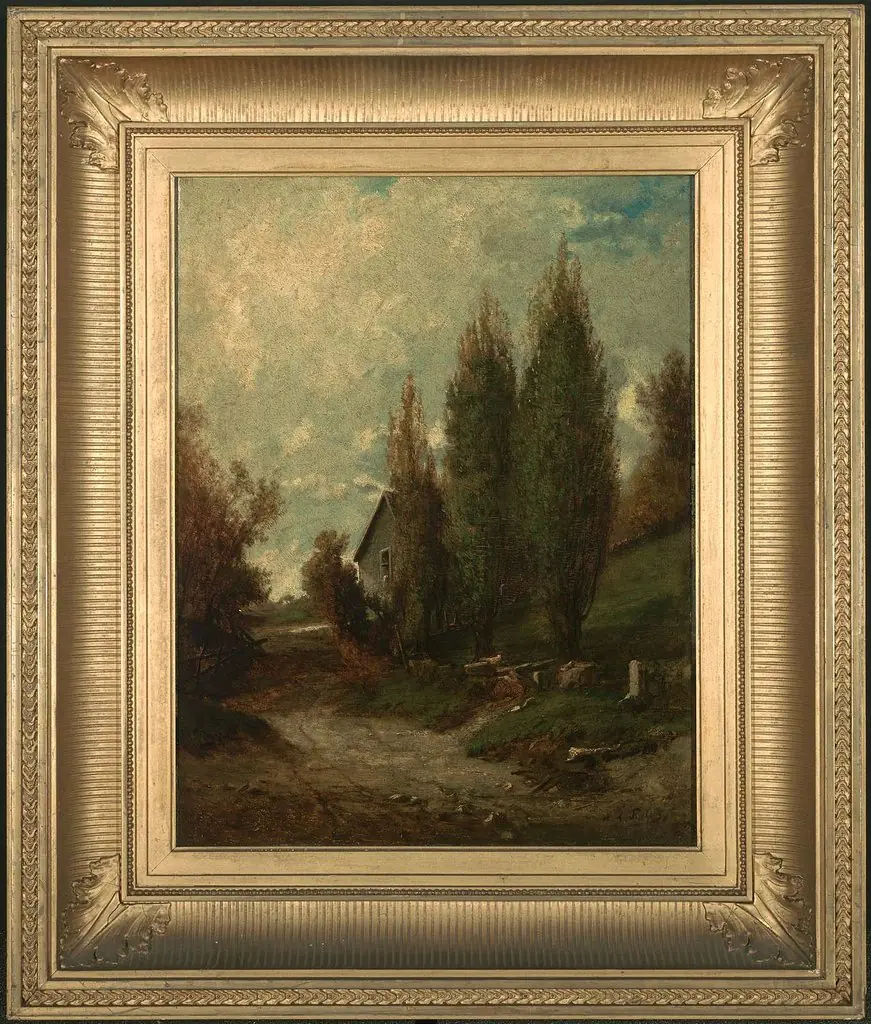
Autumn Dag is an oil painting by the Post-Impressionist artist Théophile de Bock. It dates from 1894 and is held in the collection of the Rijksmuseum.
About this work
Overview
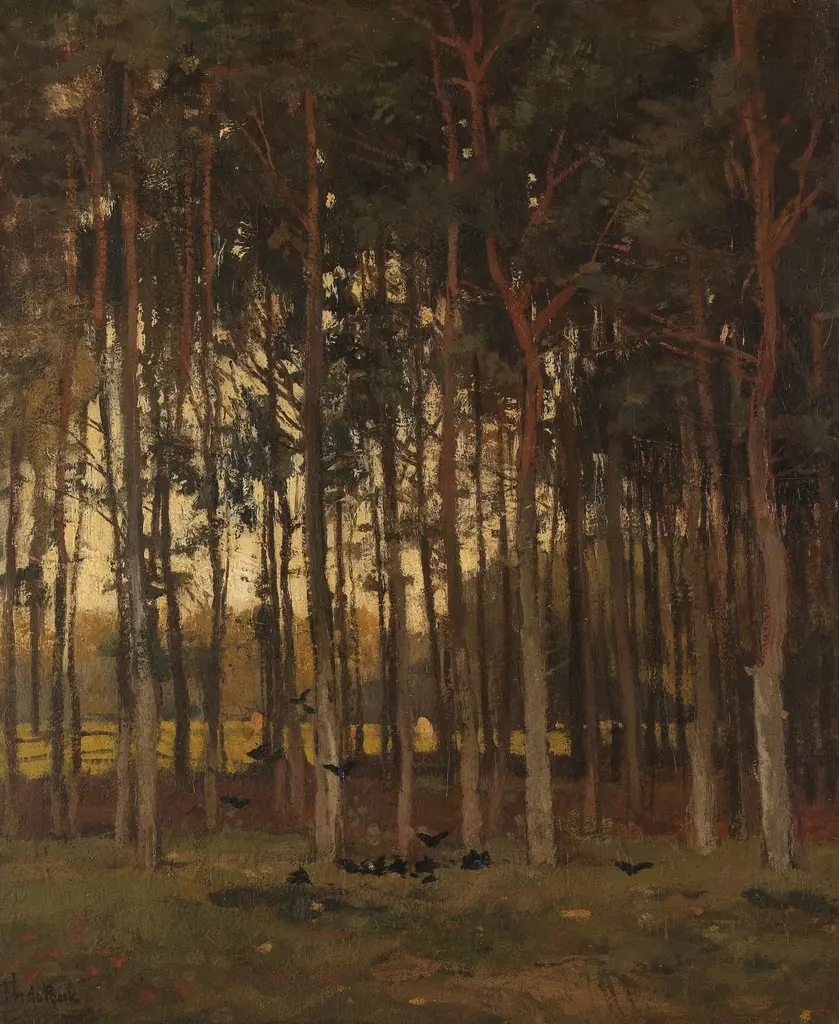
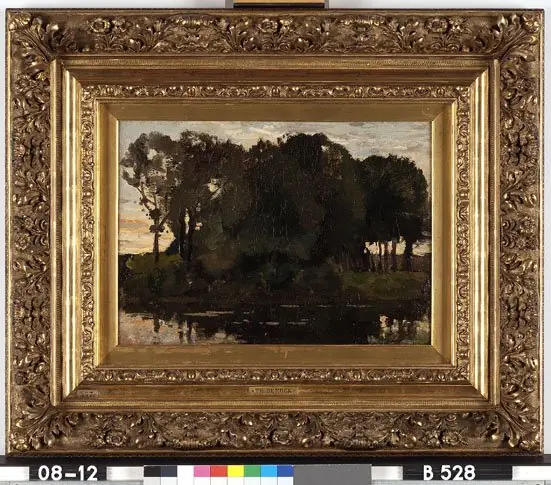
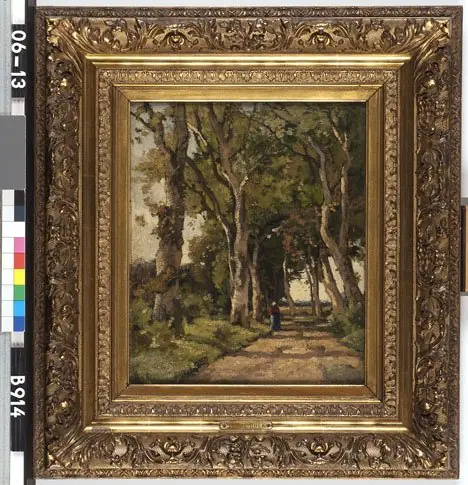
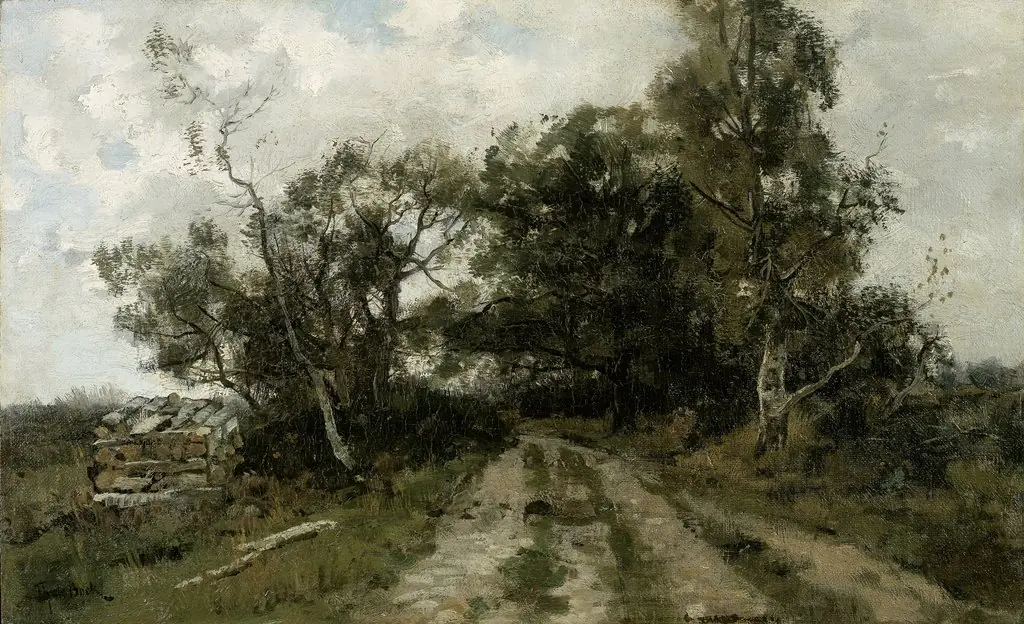
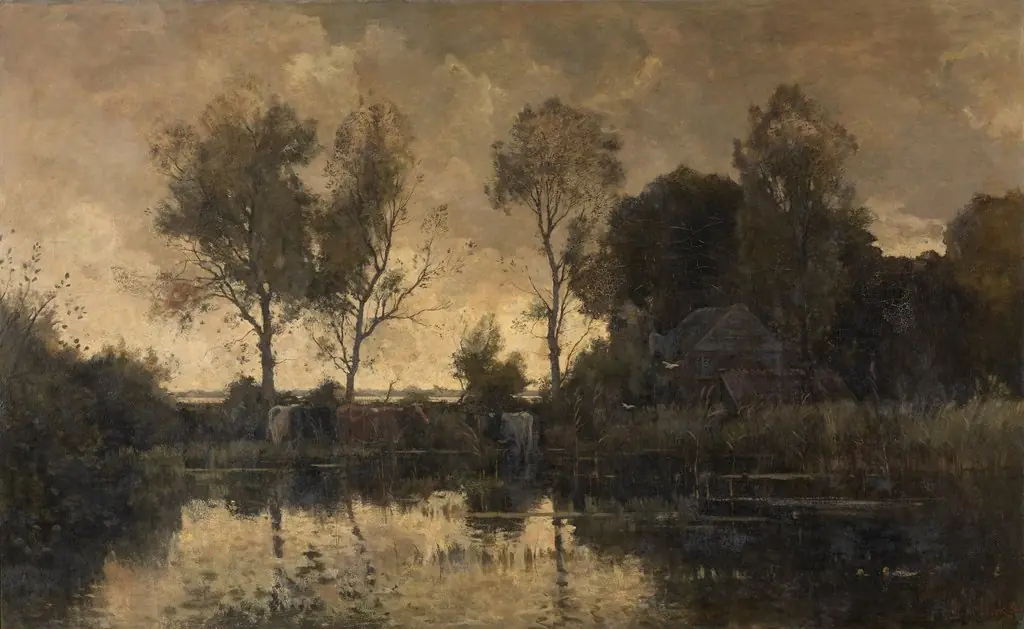
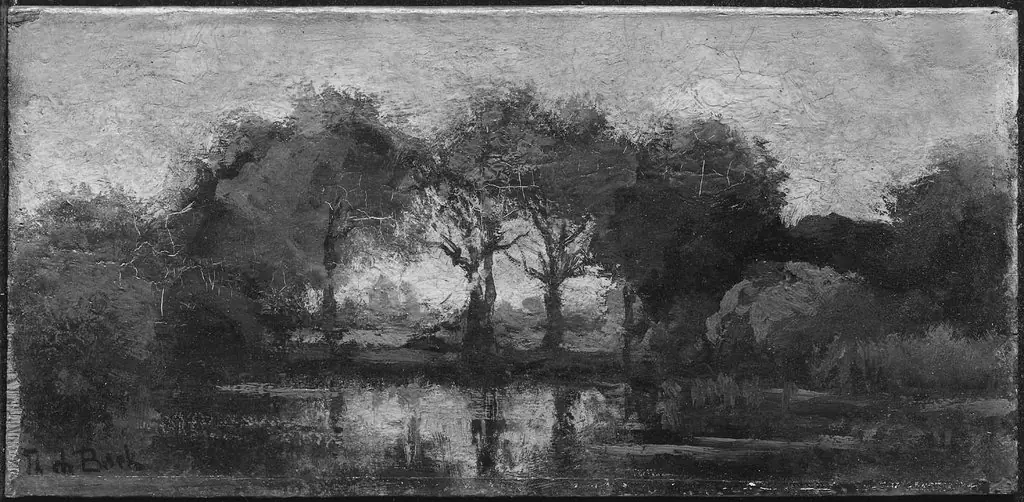
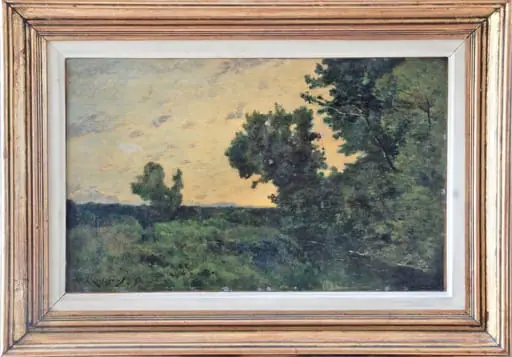
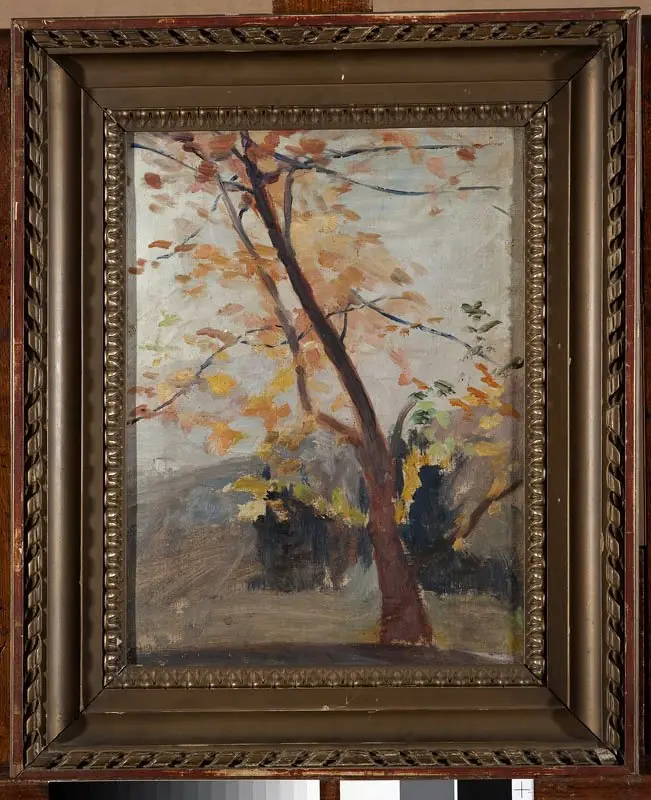
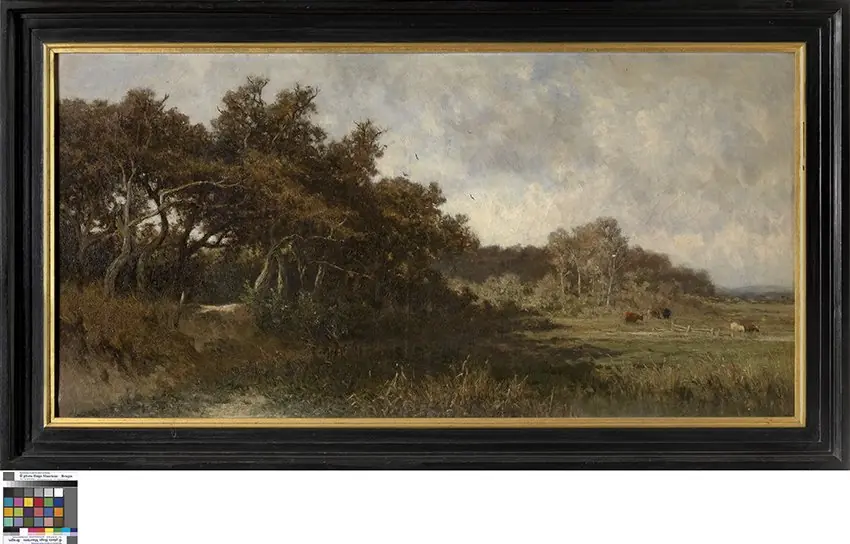
Autumn Dag is an 1894 oil-on-canvas landscape by Théophile de Bock, a Dutch painter linked to the Hague School. The work depicts a serene forest scene characterized by three central, bare trees set against a soft, cloudy sky, with a winding path through a muted, earthy-toned landscape.
Subject & Meaning
The painting focuses on a quiet, late-season forest, emphasizing the tranquility of the natural world through its composition and color palette. The bare trees and muted tones convey a sense of calm and the onset of autumn.
Technique & Style
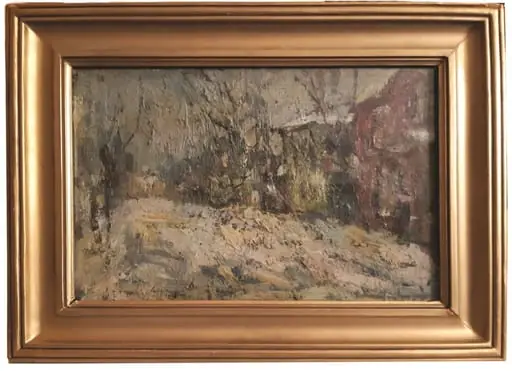
Executed in loose, quick brushstrokes reminiscent of sketches, Autumn Dag features rough textures, particularly in the tree and sky areas, reflecting post-impressionist influences. The overall effect is one of spontaneous capture rather than meticulous detail.
History & Provenance
Created in 1894, Autumn Dag is part of the post-impressionist movement. Although admired by contemporaries like Vincent van Gogh for de Bock's artistic temperament, the painting's specific history before its acquisition by the Rijksmuseum is not detailed here.
Context
As a Hague School painter, de Bock's work, including Autumn Dag, contributes to the movement's emphasis on capturing everyday Dutch landscapes and the emotional nuances of natural light and seasons.
Legacy
Autumn Dag is now held in the Rijksmuseum's collection, testifying to de Bock's recognized contribution to Dutch post-impressionist landscape painting of the late 19th century.
Artist & collection
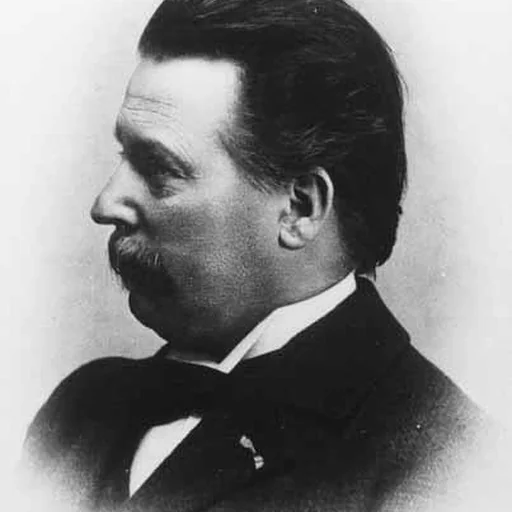
Artist
Théophile Emile Achille de Bock (14 January 1851 in The Hague – 22 November 1904 in Haarlem) was a Dutch painter belonging to the Hague School.