Artwork
Portrait of the Family de Bie
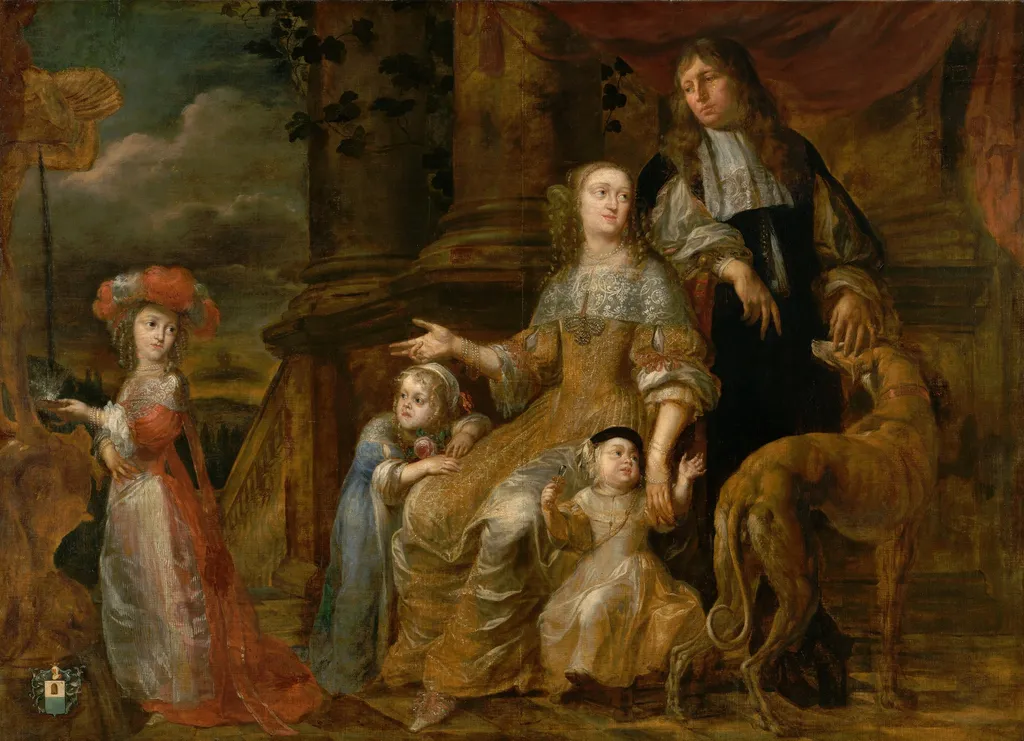
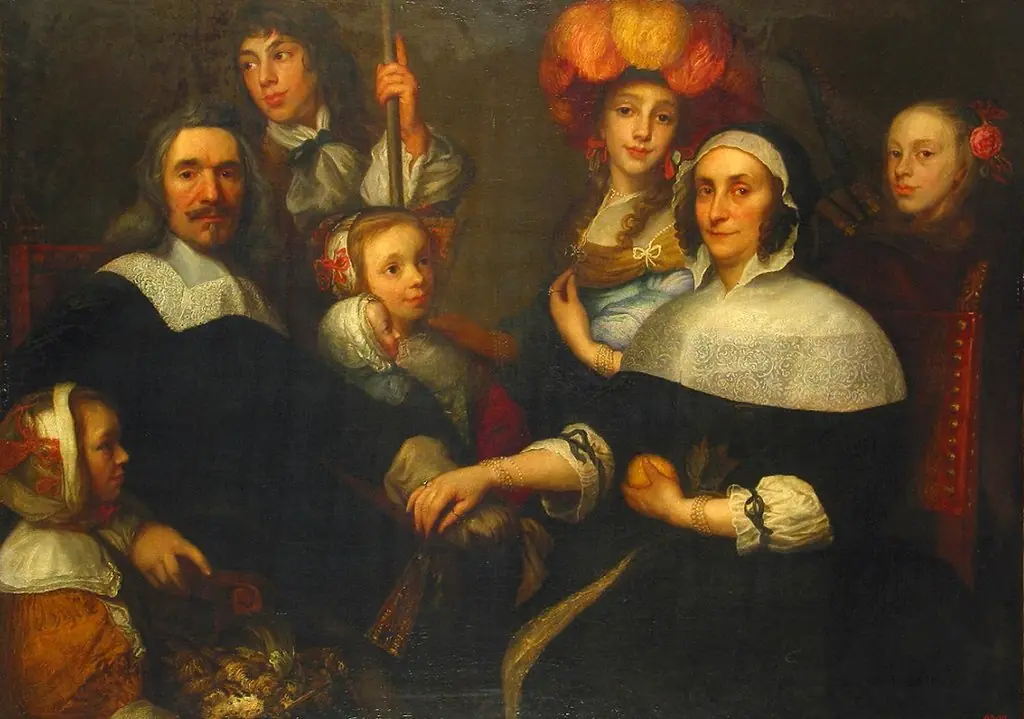
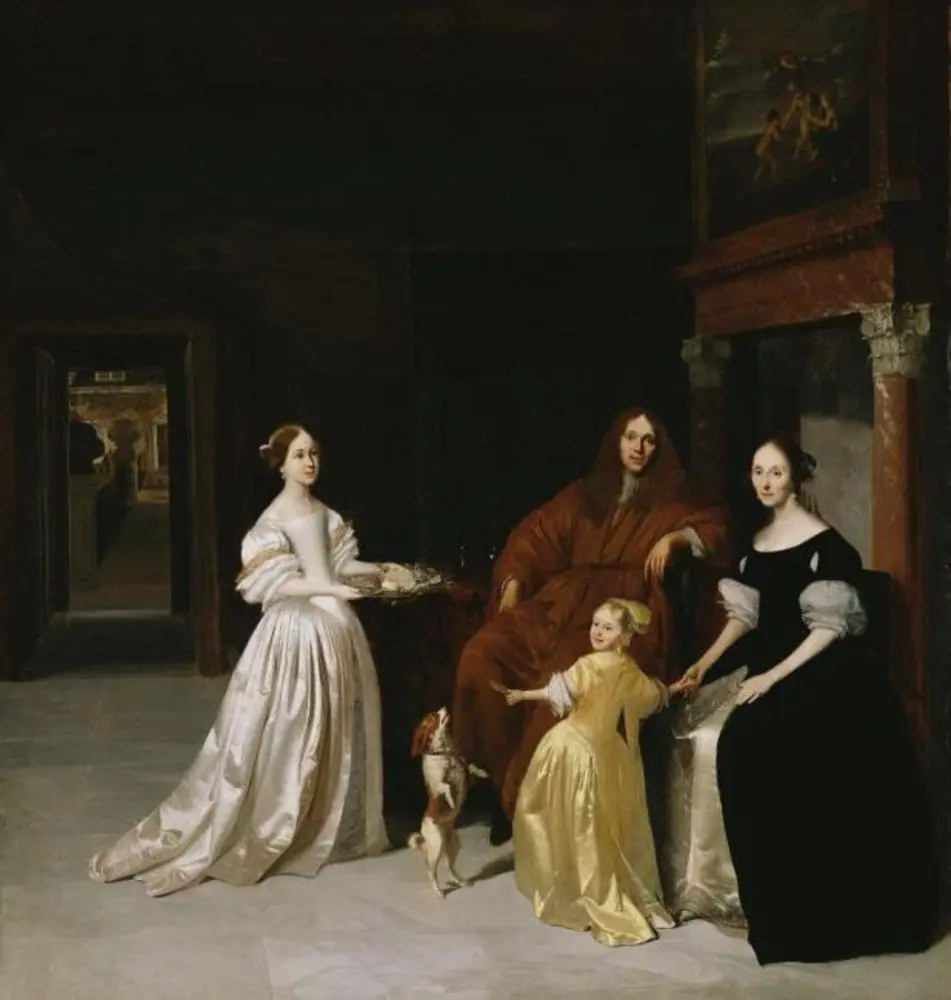
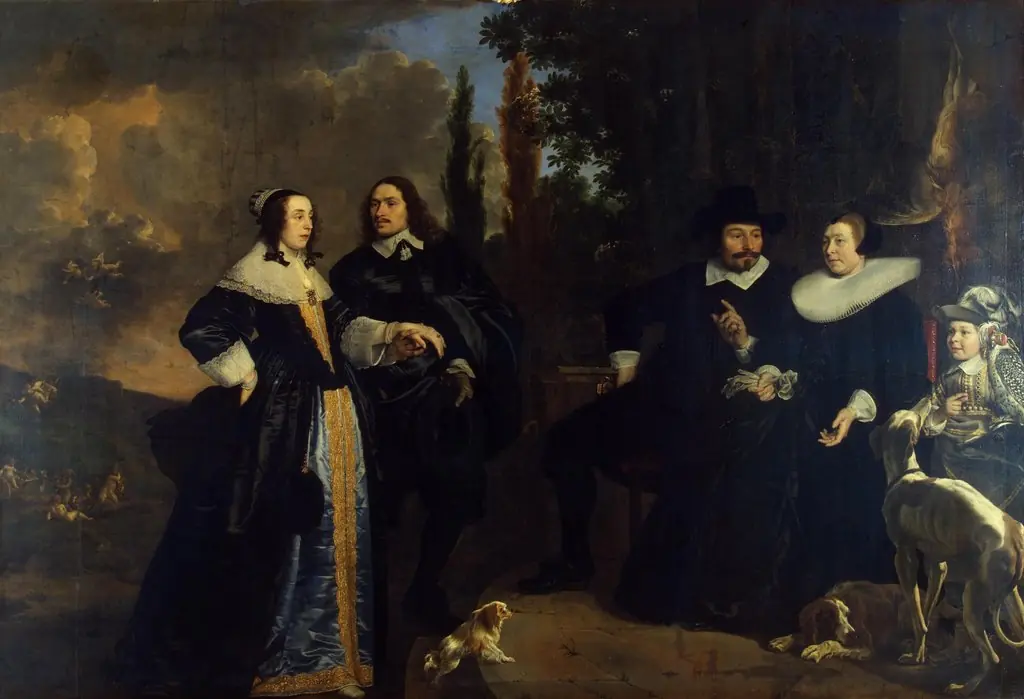
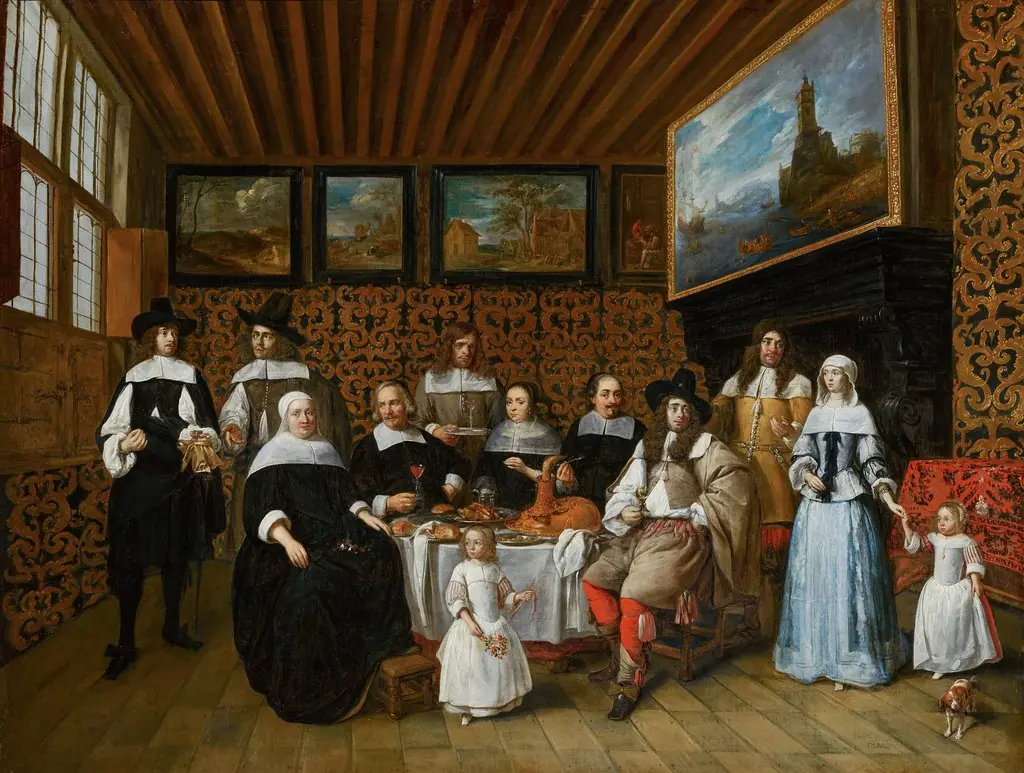
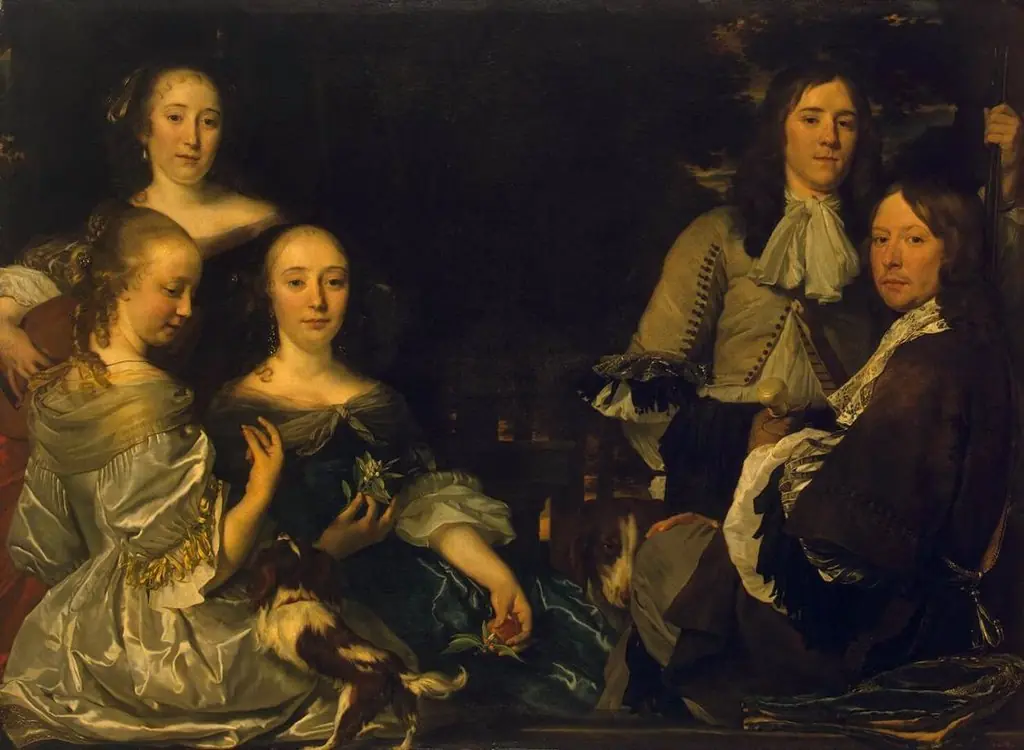
Portrait of the Family de Bie is an oil painting by the Flemish Baroque painting artist Theodoor Boeyermans. It dates from 1670 and is held in the collection of the Royal Museum of Fine Arts Antwerp.
About this work
Overview
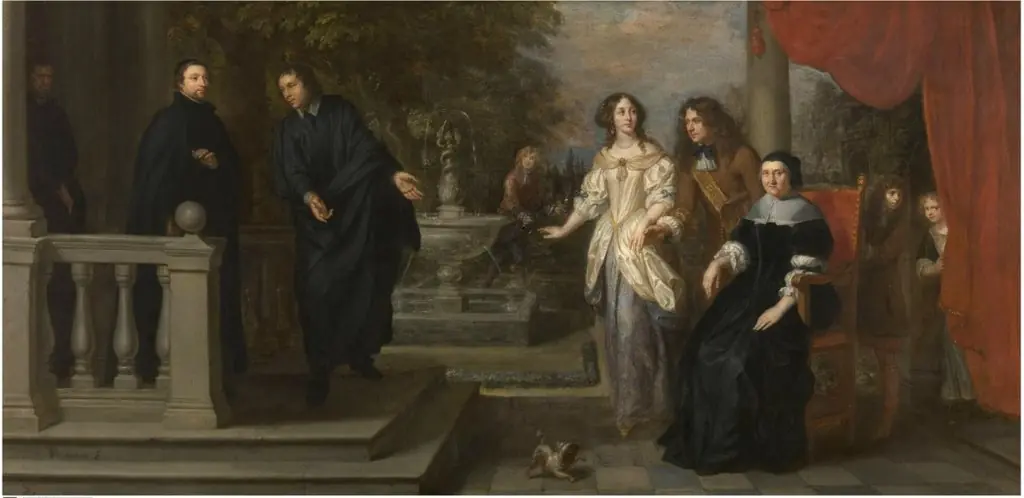
Painted in 1670 by Theodoor Boeyermans, this oil-on-canvas work presents a group portrait of the de Bie family. Executed in the Flemish Baroque tradition, it reflects the artist’s focus on domestic and civic portraiture. The painting is part of the Royal Museum of Fine Arts Antwerp’s permanent collection, where it remains a representative example of mid-17th-century Antwerp elite imagery.
Subject & Meaning
The composition features seven family members and a dog, arranged to convey kinship and social standing.
The composition features seven family members and a dog, arranged to convey kinship and social standing. Adults stand behind seated and standing children, emphasizing generational continuity. The dog, positioned near the elders, suggests loyalty and domestic harmony. The setting, with its classical stone architecture and distant landscape, subtly signals the family’s cultivated taste and regional identity without overt symbolism.
Technique & Style
Boeyermans rendered the scene with meticulous attention to fabric textures, facial expressions, and natural lighting. The Baroque influence is evident in the dramatic yet controlled use of shadow and the layered depth of the background. The red curtain draws the eye toward the figures, while the soft sky and distant water provide atmospheric balance. Realism is prioritized over idealization, capturing individuality within a formal arrangement.
History & Provenance
Commissioned by the de Bie family, the painting remained in private hands until entering the Royal Museum of Fine Arts Antwerp’s collection. Its survival through centuries reflects its value as both a familial heirloom and a cultural artifact. Documentation links it to Antwerp’s thriving portrait market, where artists like Boeyermans catered to merchant and noble patrons seeking to affirm their status through visual representation.
Context
In 17th-century Antwerp, group portraits were common among affluent families seeking to document lineage and social position. Boeyermans, trained in the Rubensian tradition, adapted grand historical techniques to intimate domestic scenes. This work aligns with a broader regional trend where portraiture merged personal identity with civic pride, distinguishing Flemish practice from more formal Dutch counterparts.
Legacy
Though less widely known than contemporaries like Van Dyck, Boeyermans contributed significantly to the evolution of Flemish group portraiture. The de Bie portrait exemplifies how local artists synthesized international styles into distinctly regional expressions. Today, it serves as a reference for understanding familial representation in Baroque Flanders, valued for its quiet dignity and compositional clarity.
Own this work as a print
Artist & collection
Artist
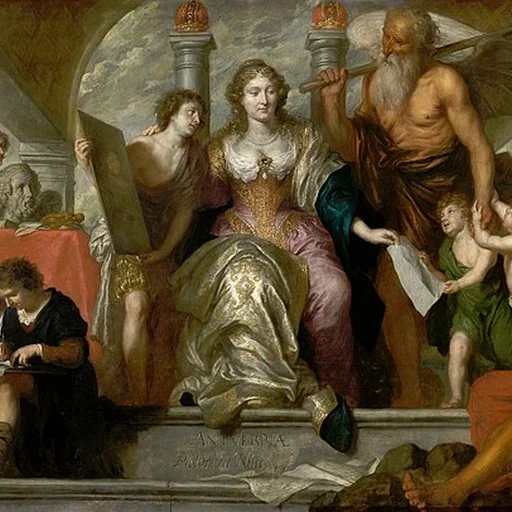
Theodoor Boeyermans, Theodor Boeyermans or Theodor Boeijermans (10 November 1620 – January 1678) was a Flemish painter active in Antwerp who painted Baroque history paintings and group portraits informed by the…