Artwork
Portrait of John B. Gest
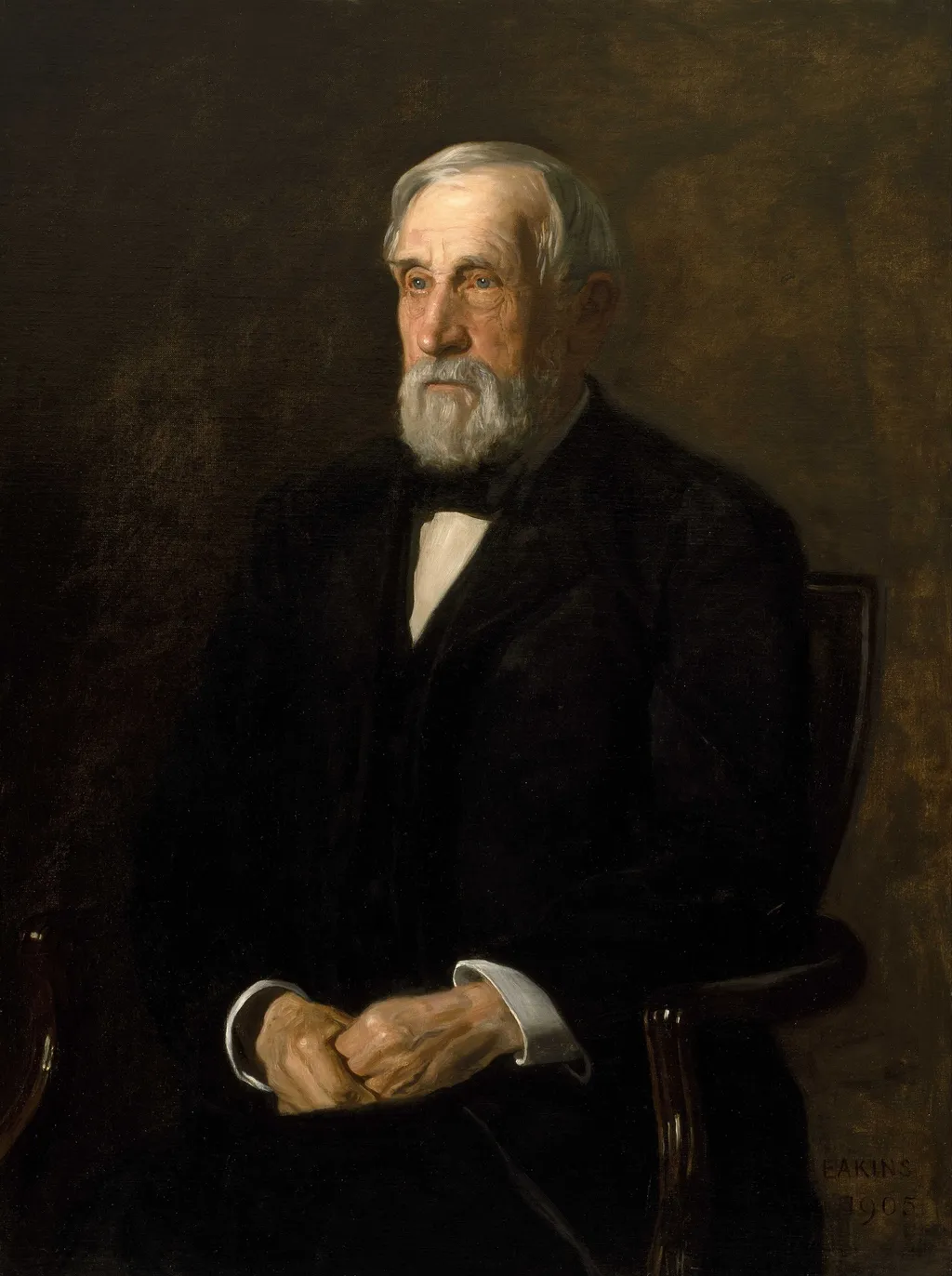
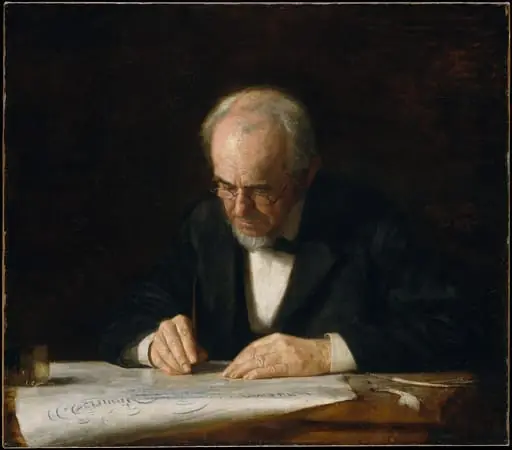
Portrait of John B. Gest is an oil painting by the Realist artist Thomas Eakins. It dates from 1905 and is held in the collection of the Museum of Fine Arts, Houston.
About this work
Overview
The painting reflects his commitment to realism, portraying Gest with unembellished attention to detail and a restrained palette.
Thomas Eakins completed this oil portrait in 1905, capturing John B. Gest, a Philadelphia lawyer and civic figure. Eakins, deeply rooted in the city’s intellectual circles, favored direct observation over idealization. The painting reflects his commitment to realism, portraying Gest with unembellished attention to detail and a restrained palette. It resides in the Museum of Fine Arts, Houston, as part of a broader collection of Eakins’s portraiture.
Subject & Meaning
John B. Gest is depicted as a composed, middle-to-late-aged man, his white hair and beard suggesting experience and gravitas. Dressed in a formal black suit with a white shirt and black bow tie, he conveys professional dignity. His clasped hands and upright posture imply quiet authority rather than theatricality. The portrait avoids sentimentality, presenting Gest as he was—unadorned, present, and introspective.
Technique & Style
Eakins employed precise brushwork and careful modulation of light to model Gest’s face and hands, lending them a sculptural solidity. The dark suit contrasts subtly with the lighter shirt and skin tones, enhancing three-dimensionality without theatrical chiaroscuro. Background and chair are rendered with minimal detail, focusing attention on the figure. The palette is restrained, emphasizing naturalism over decorative effect.
History & Provenance
Commissioned during Eakins’s later years, the portrait was likely painted in his Philadelphia studio, where he frequently worked with local professionals. After Gest’s death, the painting remained in family hands before entering the Museum of Fine Arts, Houston’s collection. Its documented history aligns with Eakins’s pattern of painting individuals connected to the city’s legal, medical, and academic communities.
Context
In early 20th-century America, portraiture remained a vital genre for documenting civic identity. Eakins stood apart by rejecting romantic conventions, instead favoring anatomical accuracy and psychological presence. His portraits of lawyers, doctors, and educators reflected a belief in the dignity of ordinary professional life, grounding American realism in the specifics of place and person.
Legacy
This portrait exemplifies Eakins’s enduring influence on American realism. His refusal to flatter or dramatize subjects set a precedent for later artists seeking authenticity over ornament. Though not widely exhibited during his lifetime, works like this one gradually secured his reputation as a pivotal figure in 19th- and early 20th-century American art, valued for their quiet integrity.
Own this work as a print
Artist & collection
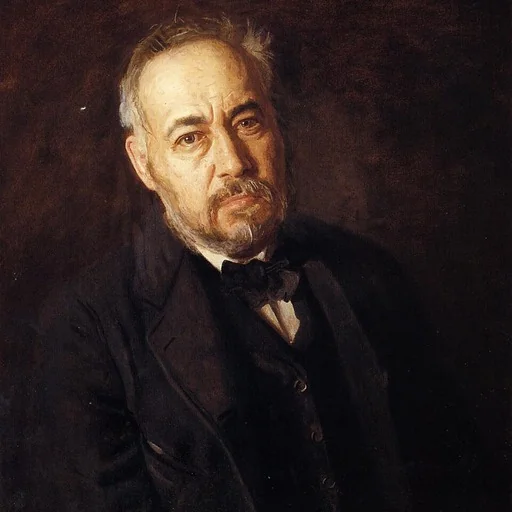
Artist
Thomas Cowperthwait Eakins (; July 25, 1844 – June 25, 1916) was an American realist painter, photographer, sculptor, and fine arts educator.

 Joseph Wesley Harper, Jr.
 Portrait of Władysław Łuszczkiewicz
 Portrait of William T. Walters
 Portrait of the Banker Yevgeny Lamansky
 Portrait of Adam Asnyk
 Portrait of Sir John Sulman
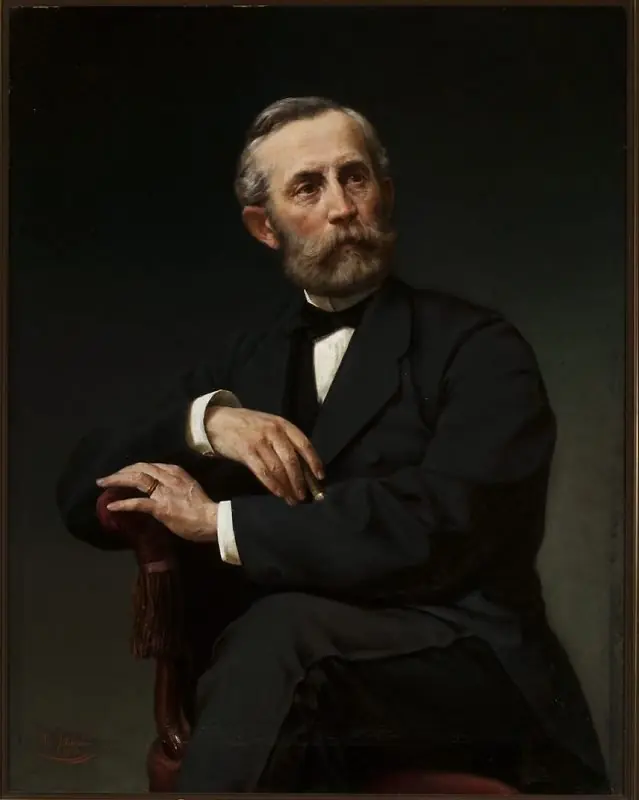 Portrait of Ewaryst Mejer, president of the Sectional Directorate of the Land Credit Association in Warsaw
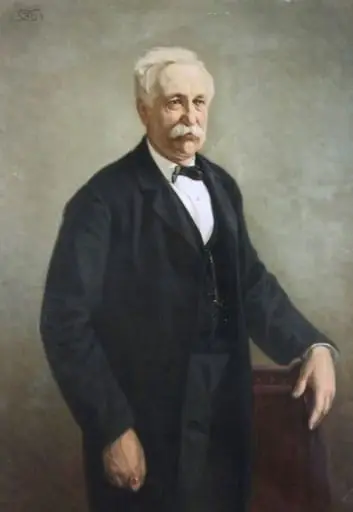 Samuel Traugott Binder
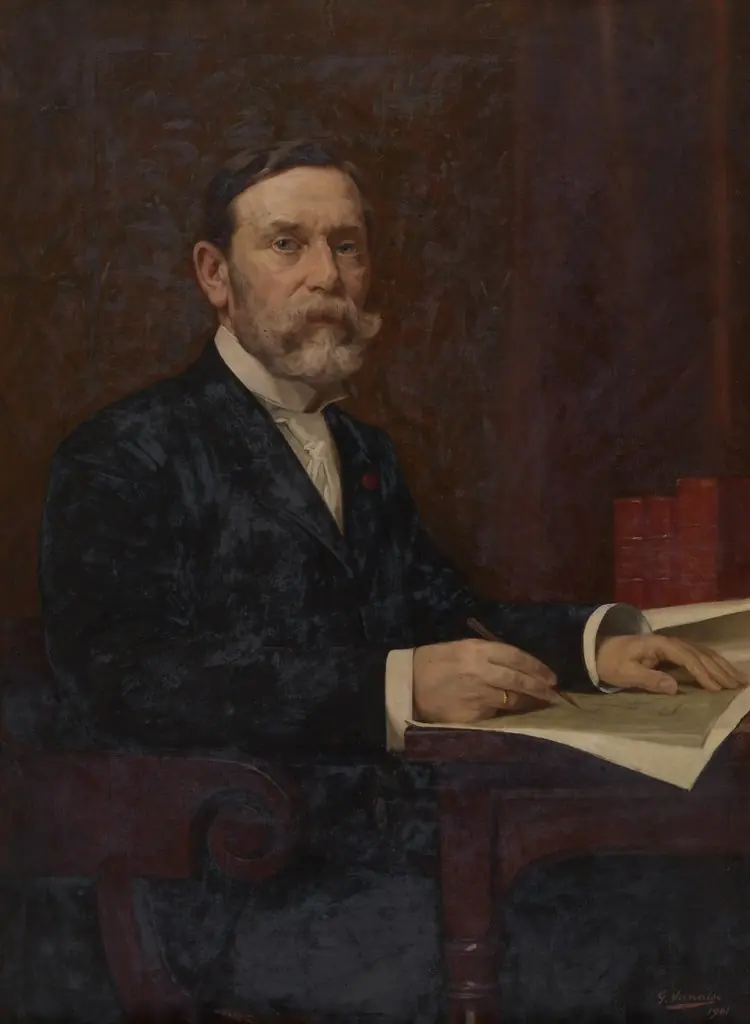 The Architect Leonard Blomme
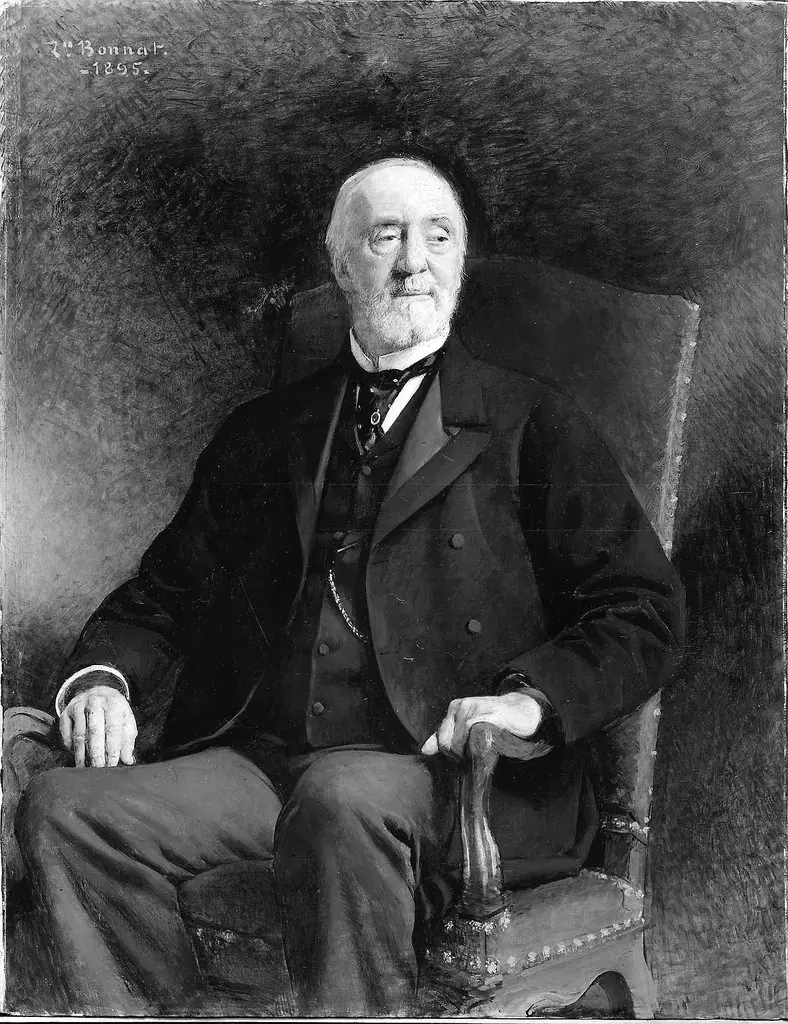 Henry Lillie Pierce
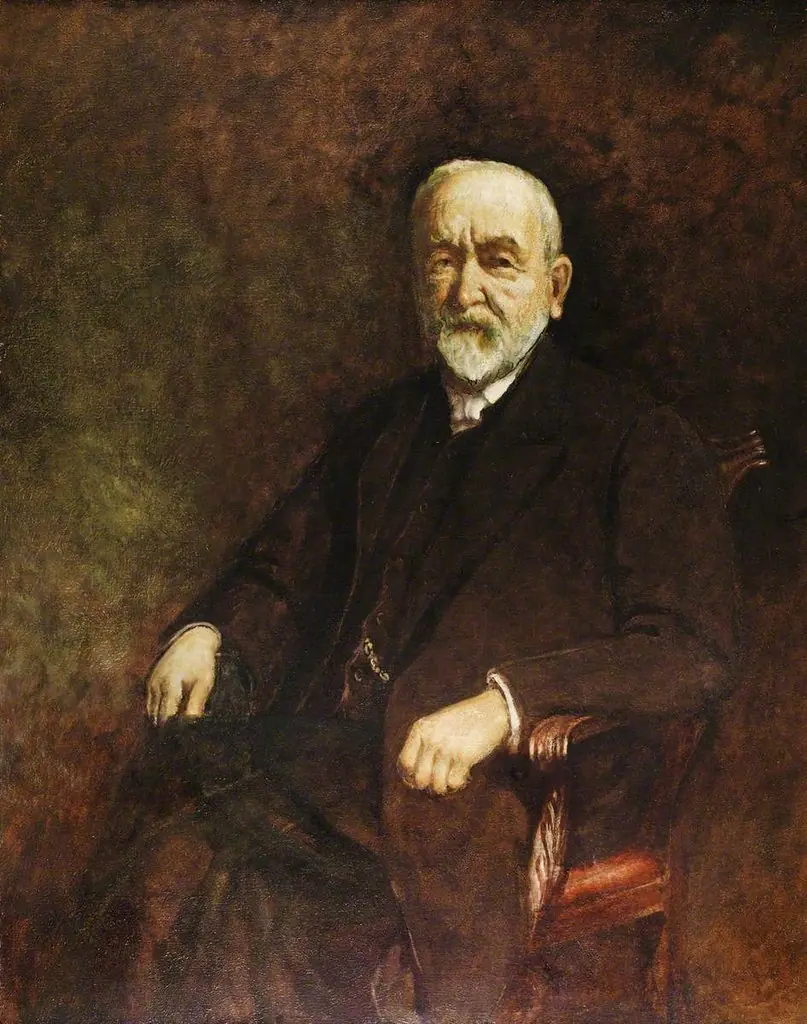 Reverend W. E. Prydderch (1846–1931)
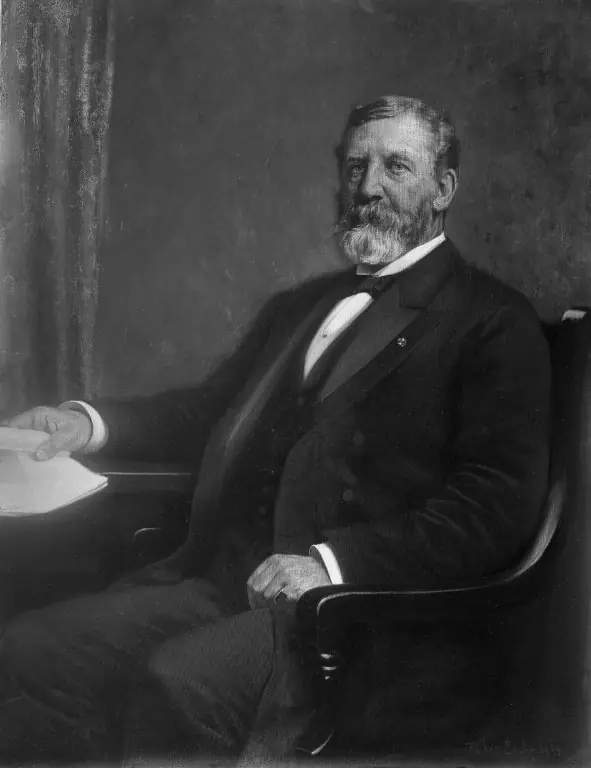 General John Blackburne Woodward