Artwork
Samuel Traugott Binder
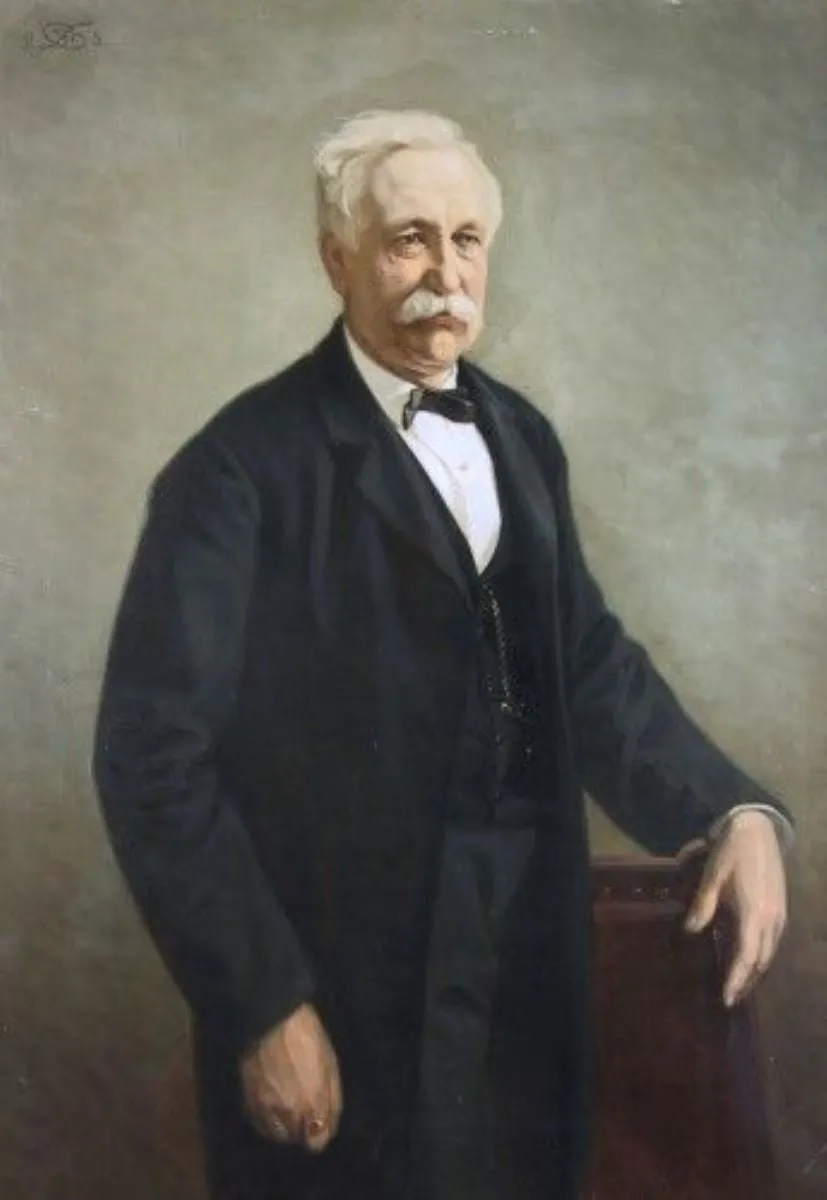
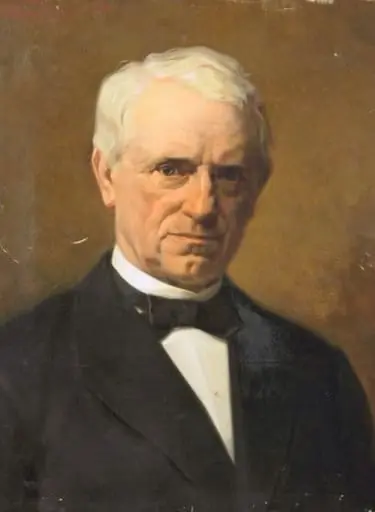
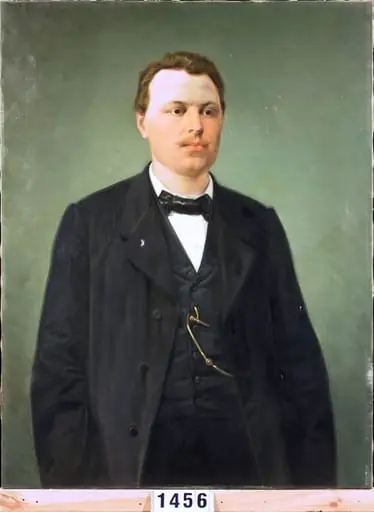
Samuel Traugott Binder is an unspecified painting by Carl Dörschlag. It dates from 1882 and is held in the collection of the Brukenthal National Museum.
About this work
Overview
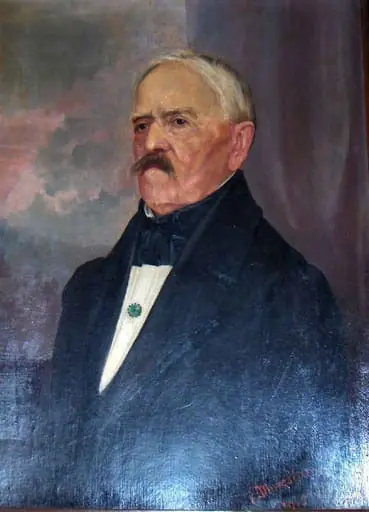
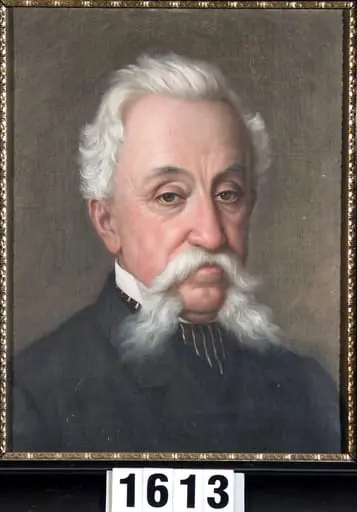
Painted around 1882 by Carl Dörschlag, this portrait depicts Samuel Traugott Binder, a man of modest but distinguished bearing. Rendered in oil on canvas, the composition is restrained and deliberate, emphasizing stillness and quiet dignity. The figure is presented in three-quarter view, framed against a neutral green backdrop that draws attention to his attire and expression.
Subject & Meaning
Binder, dressed in a dark suit with a white shirt and bow tie, embodies the quiet formality of late 19th-century middle-class masculinity. His neatly combed white hair and mustache suggest age and composure. The hand resting on a chair implies a pause in motion, evoking contemplation rather than action. The portrait conveys presence without narrative, focusing on character rather than status.
Technique & Style
Dörschlag employs soft, blended brushwork to render skin and fabric, avoiding sharp edges in favor of subtle transitions. The lighting is even and diffused, with no dramatic chiaroscuro as suggested in the visual note. The muted palette and flat background reflect a preference for clarity and restraint, aligning with academic portraiture traditions of the period.
History & Provenance
The painting’s early history is undocumented beyond its creation date and subject. It remains in private hands, with no record of public exhibition or institutional acquisition. Its survival suggests it was preserved within the Binder family or by a collector with ties to the sitter, though no definitive trail of ownership has been established.
Context
Created during a time when photographic portraiture was becoming widespread, this painting reflects a lingering commitment to hand-crafted representation. Dörschlag’s approach—unembellished and attentive to detail—mirrors the values of bourgeois identity in post-unification Germany, where dignity was expressed through restraint and order.
Legacy
The portrait stands as a quiet example of regional German portraiture from the late 1800s, neither widely known nor formally influential. It offers insight into the visual culture of non-elite subjects during a period of rapid social change, preserving an individual’s demeanor with unadorned sincerity.
Artist & collection