Artwork
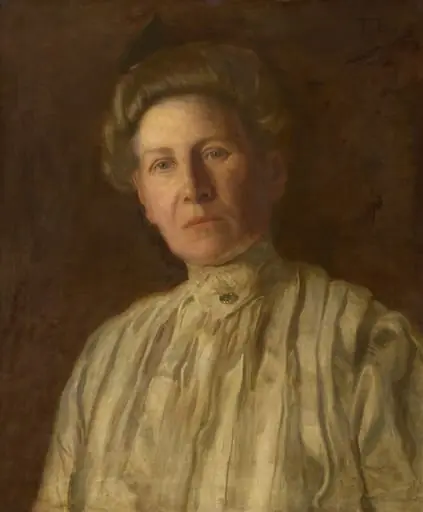
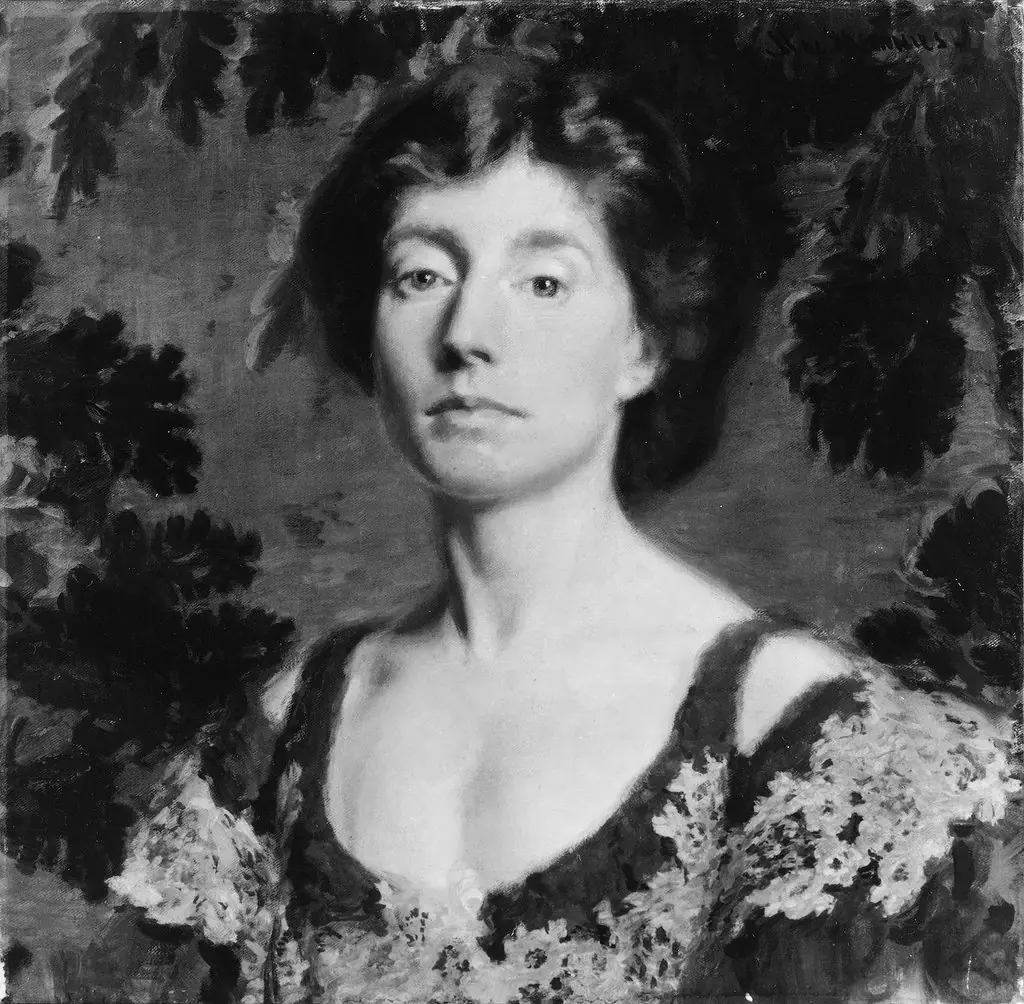
Portrait of Mary Adeline Williams
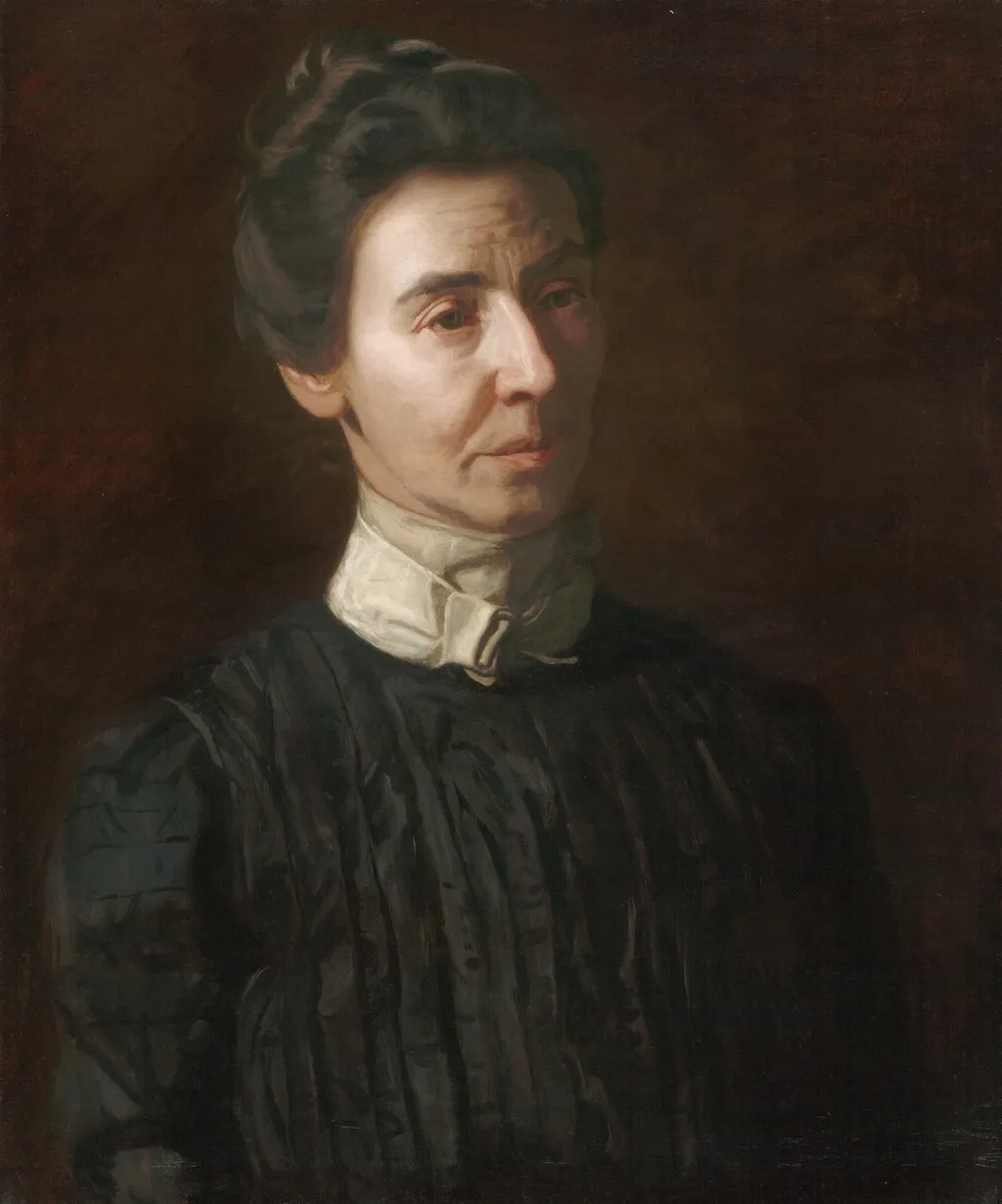
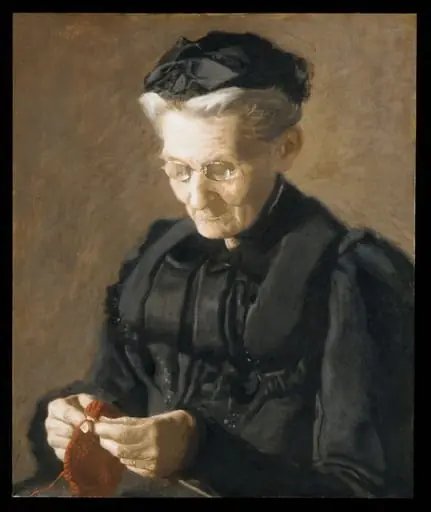
Portrait of Mary Adeline Williams is an oil painting by the American Impressionist artist Thomas Eakins. It dates from 1899 and is held in the collection of the Art Institute of Chicago.
About this work
Overview
Williams, known to friends as Addie, was not a professional model but a personal acquaintance, which informed the painting’s nuanced presence.
Painted in 1899, this oil on canvas portrait captures Mary Adeline Williams, a close associate of Thomas Eakins. The work belongs to a series of intimate, psychologically focused portraits Eakins produced in his later years. Williams, known to friends as Addie, was not a professional model but a personal acquaintance, which informed the painting’s nuanced presence. The composition avoids theatricality, emphasizing stillness and direct engagement with the viewer.
Subject & Meaning
Mary Adeline Williams is depicted with a composed, unsmiling gaze that invites contemplation rather than narrative. Her expression, though reserved, contrasts with accounts of her lively personality—bicycle rides, art outings, and social activity. Eakins chose not to idealize or soften her features, instead presenting a candid, unembellished likeness. The portrait suggests an inner life beyond social convention, reflecting the artist’s interest in psychological authenticity over superficial charm.
Technique & Style
Eakins employed precise brushwork and muted tones to render Williams’s form and attire with clinical accuracy. The lighting is even and naturalistic, avoiding dramatic contrasts, which reinforces the painting’s quiet intensity. The texture of her clothing, the subtle modeling of her face, and the careful handling of her hands all reflect his commitment to anatomical truth. The background is neutral, ensuring focus remains on the sitter’s presence and demeanor.
History & Provenance
The portrait was completed a year before Williams moved into the Eakins household in Philadelphia, where she lived with Thomas and his wife, Susan MacDowell Eakins. It remained in the family’s possession until the early 20th century, later entering the collection of the Philadelphia Museum of Art. Its continuity within the Eakins circle lends it particular significance as both a personal document and an artistic statement.
Context
In late 19th-century America, portraiture often served social or commemorative functions, yet Eakins diverged by prioritizing psychological insight over flattery. His approach aligned with broader realist movements in literature and visual art, rejecting romanticized ideals. Williams’s portrait reflects this ethos—her identity is conveyed not through symbols or setting, but through the quiet authority of her gaze and posture.
Legacy
The portrait stands as a quiet exemplar of Eakins’s mature style, influencing later American realists who sought emotional depth over surface elegance. Its enduring power lies in its restraint: no gesture, prop, or backdrop distracts from the sitter’s inner presence. Scholars continue to note how Eakins’s personal connection to Williams enabled a portrait that feels both intimate and universally resonant.
Own this work as a print
Artist & collection
Artist
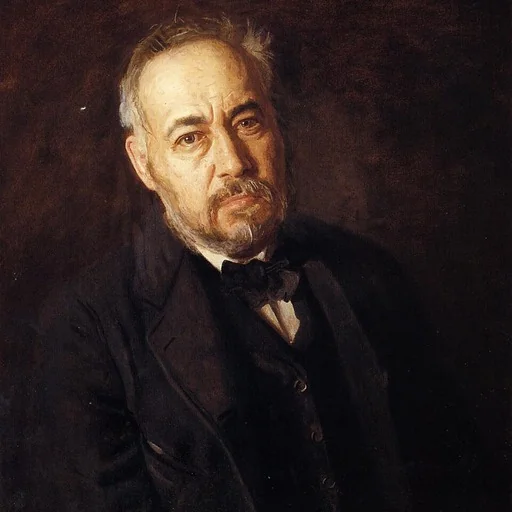
Thomas Cowperthwait Eakins (; July 25, 1844 – June 25, 1916) was an American realist painter, photographer, sculptor, and fine arts educator.