Artwork
Portrait of Lady Armstrong (née Ferrard)
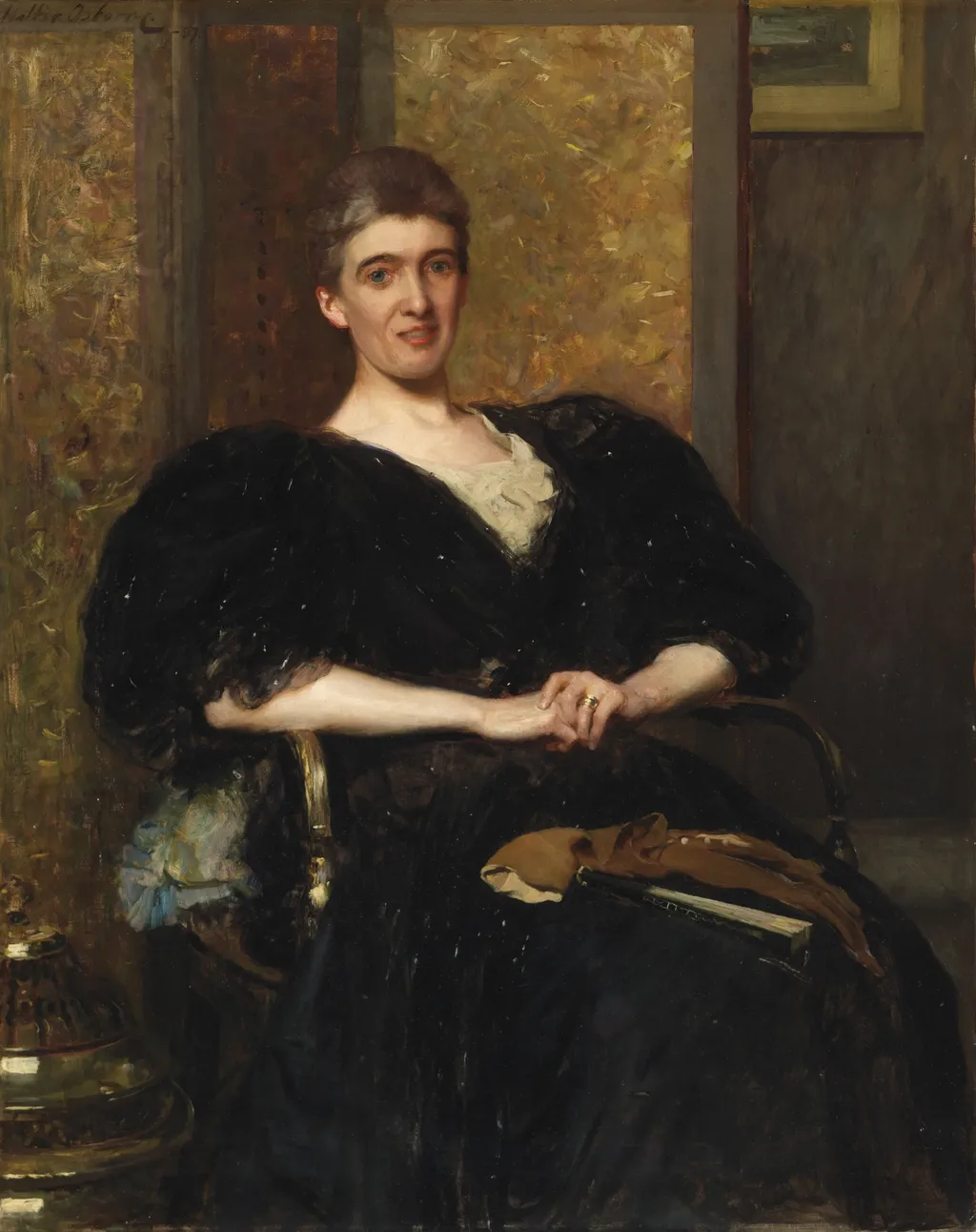
Portrait of Lady Armstrong (née Ferrard) is an oil painting by the Impressionist artist Walter Osborne. It dates from 1899 and is held in the collection of the National Gallery of Ireland.
About this work
Overview
A Dublin-based artist known for his sensitive depictions of domestic and social life, Osborne brought a quiet realism to his subjects.
Walter Osborne painted this portrait in 1899, capturing Lady Armstrong, born Ferrard, in oil on canvas. A Dublin-based artist known for his sensitive depictions of domestic and social life, Osborne brought a quiet realism to his subjects. The work is part of the National Gallery of Ireland’s collection, reflecting his standing in late 19th-century Irish art. It stands as one of his more formal portraits, distinct from his more commonly seen scenes of labor and street life.
Subject & Meaning
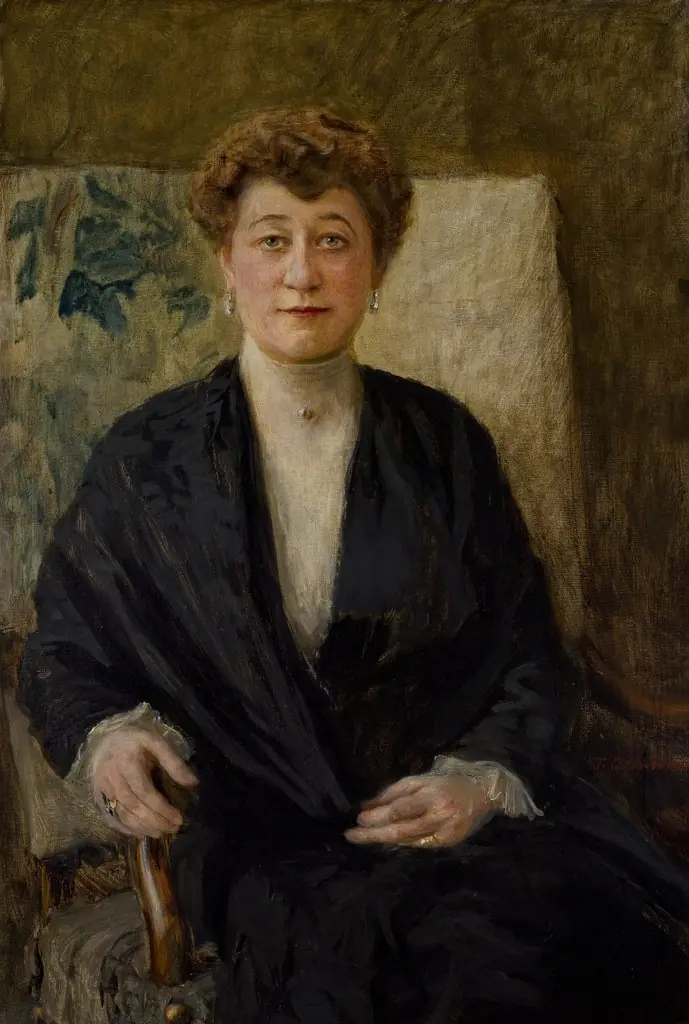
Lady Armstrong is portrayed seated, hands gently clasped, dressed in a dark gown with a delicate lace collar. Her expression is composed, eyes lowered, suggesting introspection rather than performative elegance. The absence of overt symbols of status or setting shifts focus to her presence and demeanor. The painting conveys dignity through restraint, emphasizing personal poise over social display, consistent with Osborne’s interest in authentic human character.
Technique & Style
Osborne employed subtle gradations of light and soft brushwork to model the figure against a warm, neutral background. The texture of the lace collar is rendered with precision, contrasting with the broader, looser strokes of the dress and background. His handling of shadow defines form without harsh outlines, showing influence from French Impressionism while retaining a structured, tonal approach. The result is a lifelike presence grounded in observed reality rather than idealization.
History & Provenance
Commissioned by the Armstrong family, the portrait remained in private hands until its acquisition by the National Gallery of Ireland. Its entry into the national collection occurred in the 20th century, following the gallery’s broader efforts to preserve works by Irish artists of the period. Documentation confirms its completion in 1899, and it has been exhibited intermittently since, primarily in surveys of Irish portraiture.
Context
In late Victorian Ireland, portraiture often served to affirm social standing, yet Osborne’s approach diverged from grandeur. He favored psychological nuance over ornamentation, aligning with broader European trends that valued individuality. This portrait reflects a shift in elite representation: less about lineage or wealth, more about quiet interiority. It sits alongside his other works that elevate ordinary moments with the same attentive gaze.
Legacy
Though not among Osborne’s most widely reproduced works, the portrait exemplifies his mature style and his commitment to truthful representation. It contributes to the understanding of Irish portraiture beyond aristocratic convention, highlighting a quieter, more intimate mode of depiction. The painting continues to be referenced in studies of Irish art that emphasize realism and emotional subtlety over spectacle.
Artist & collection
Artist
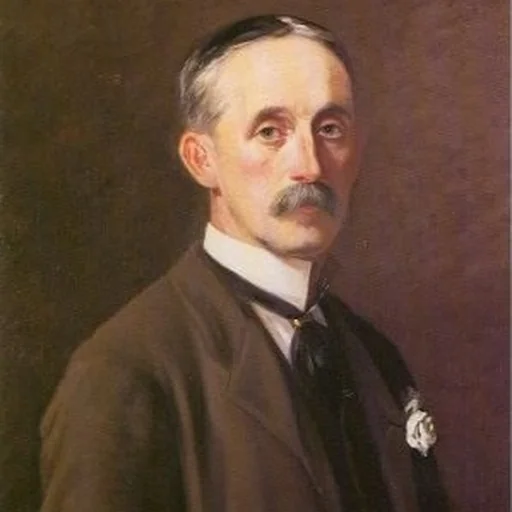
Walter Frederick Osborne (17 June 1859 – 24 April 1903) was an Irish impressionist and Post-Impressionism landscape and portrait painter, best known for his documentary depictions of late 19th century working class life.

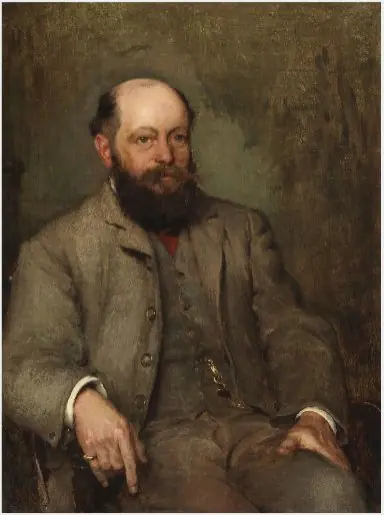 Portrait of Sir Thomas Drew (1838-1910), Architect
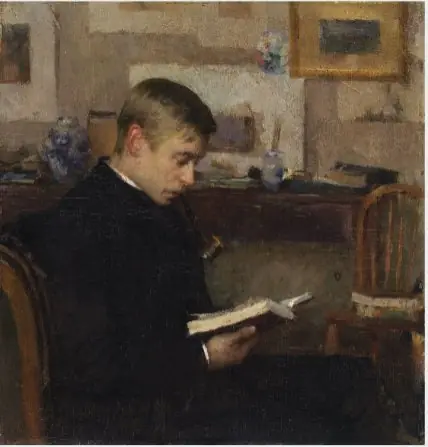 Portrait of Stephen Gwynn (1864-1950), Author
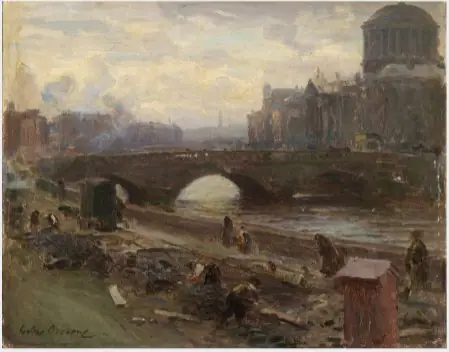 The Four Courts, Dublin
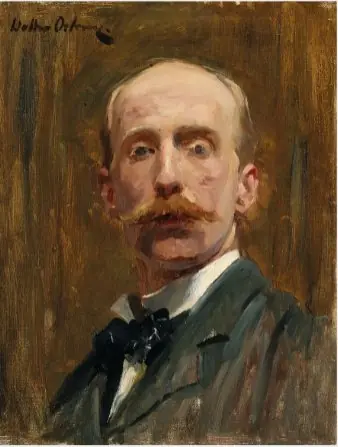 Self-Portrait
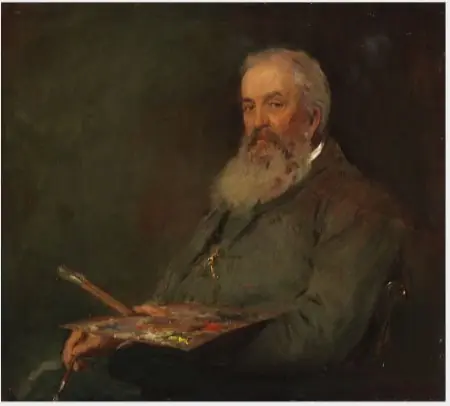 Portrait of Nathaniel Hone (1831-1917), Artist
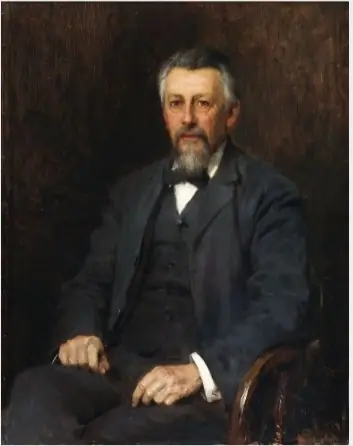 Portrait of Edward Dowden (1843-1913), Poet and Scholar
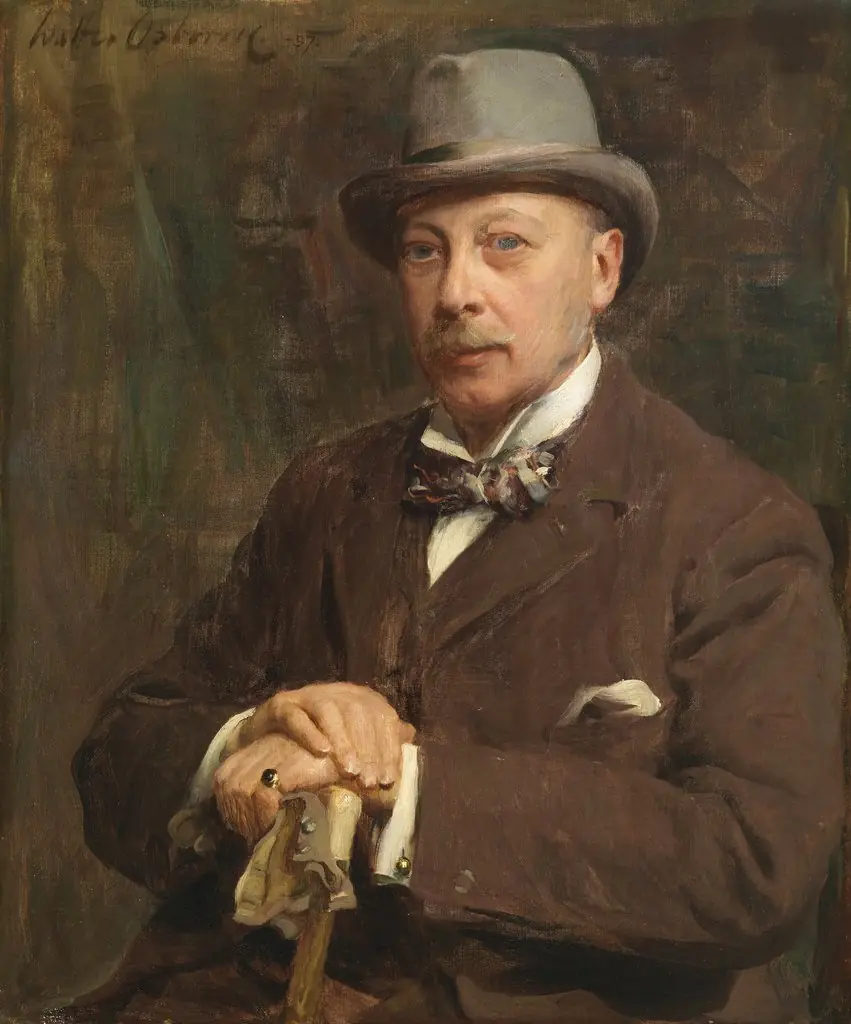 Portrait of a Gentleman
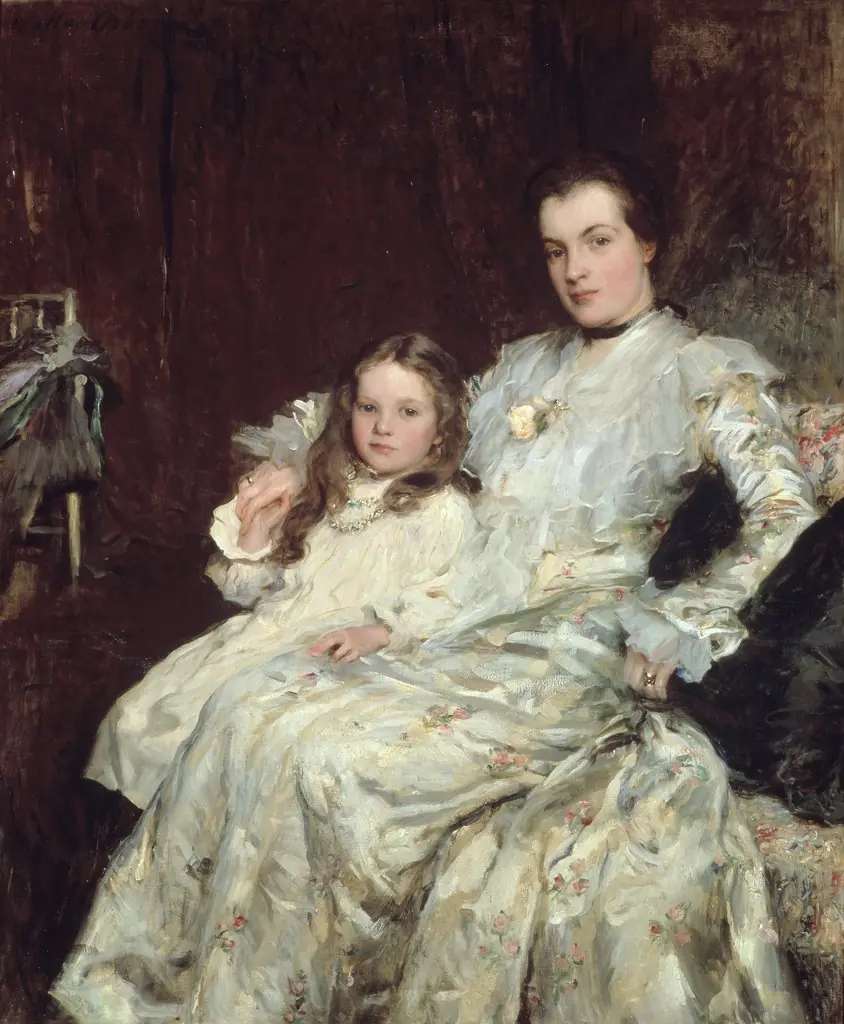 Portrait of Mrs Chadwyck-Healey and her Daughter
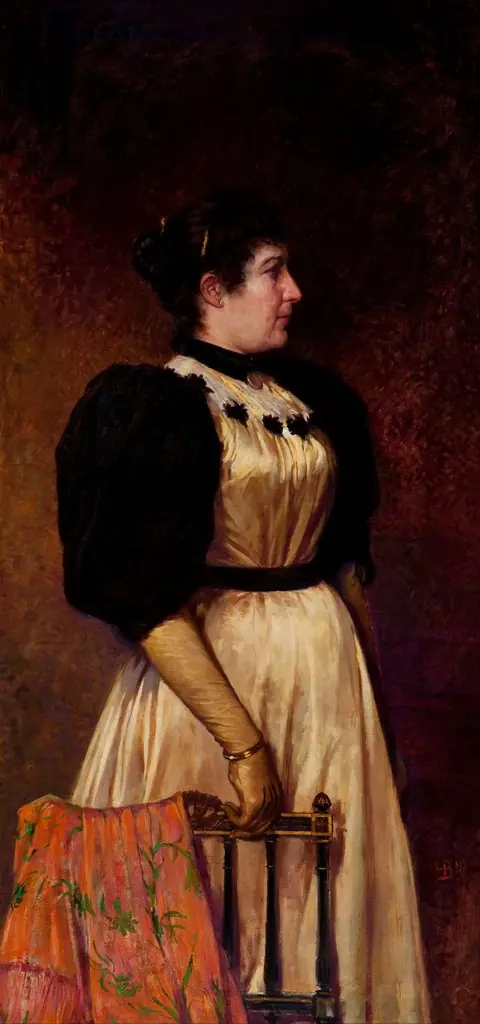 Portrait of a Lady
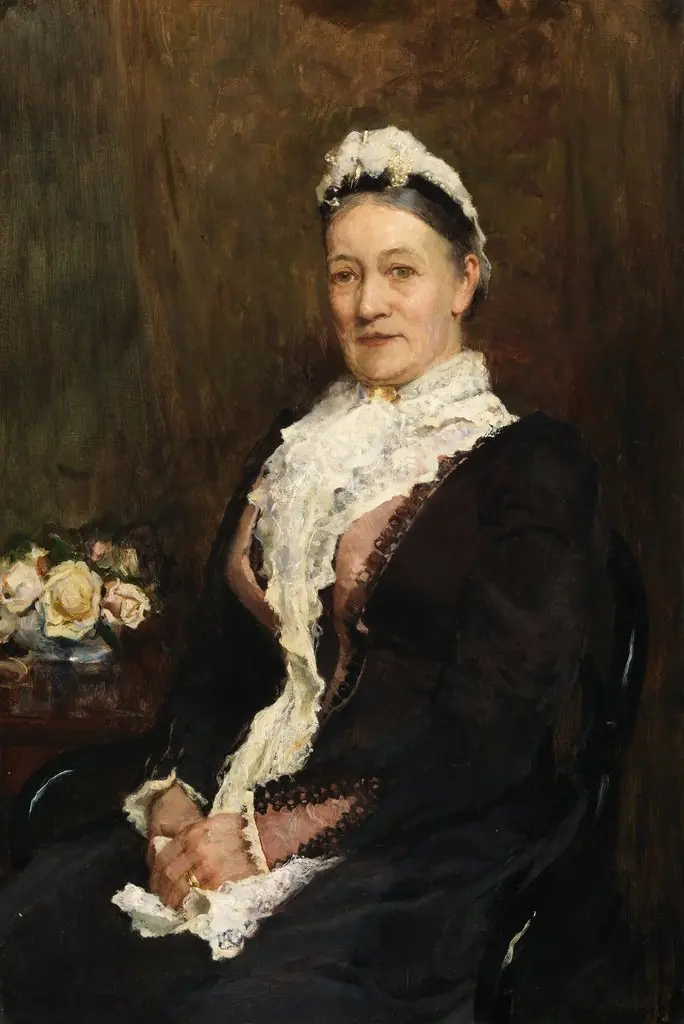 Portrait of Mrs Geale-Wybrants
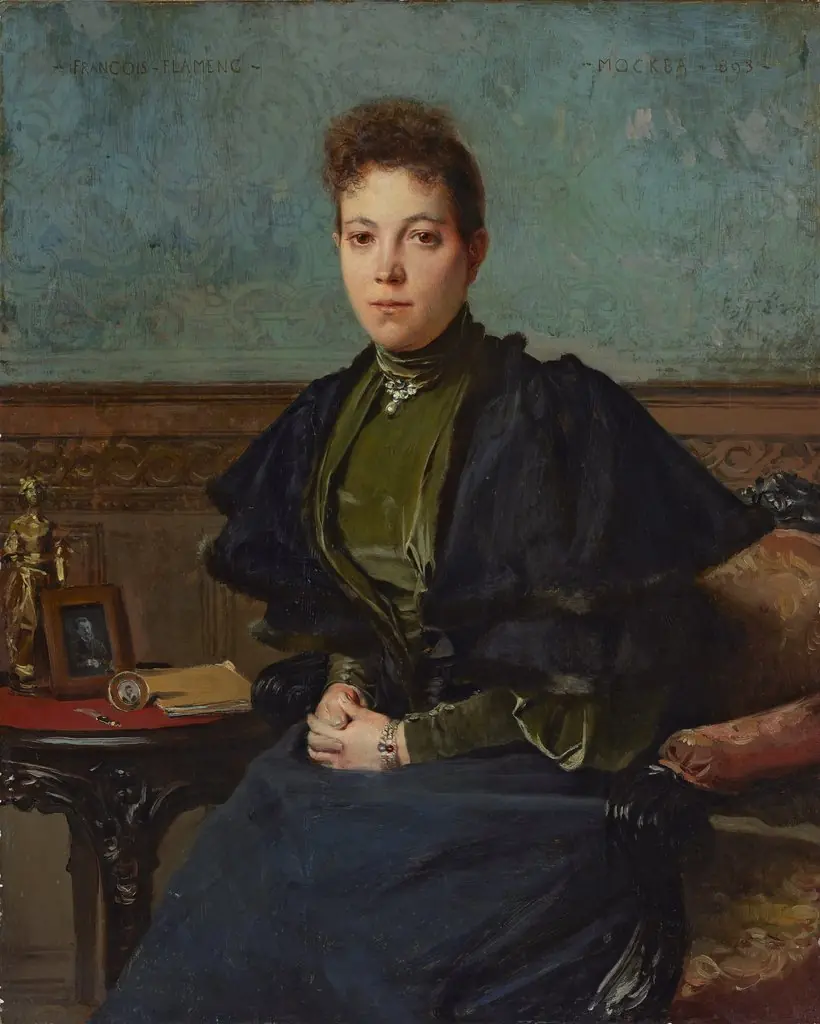 Portrait of Vera Kharitonenko
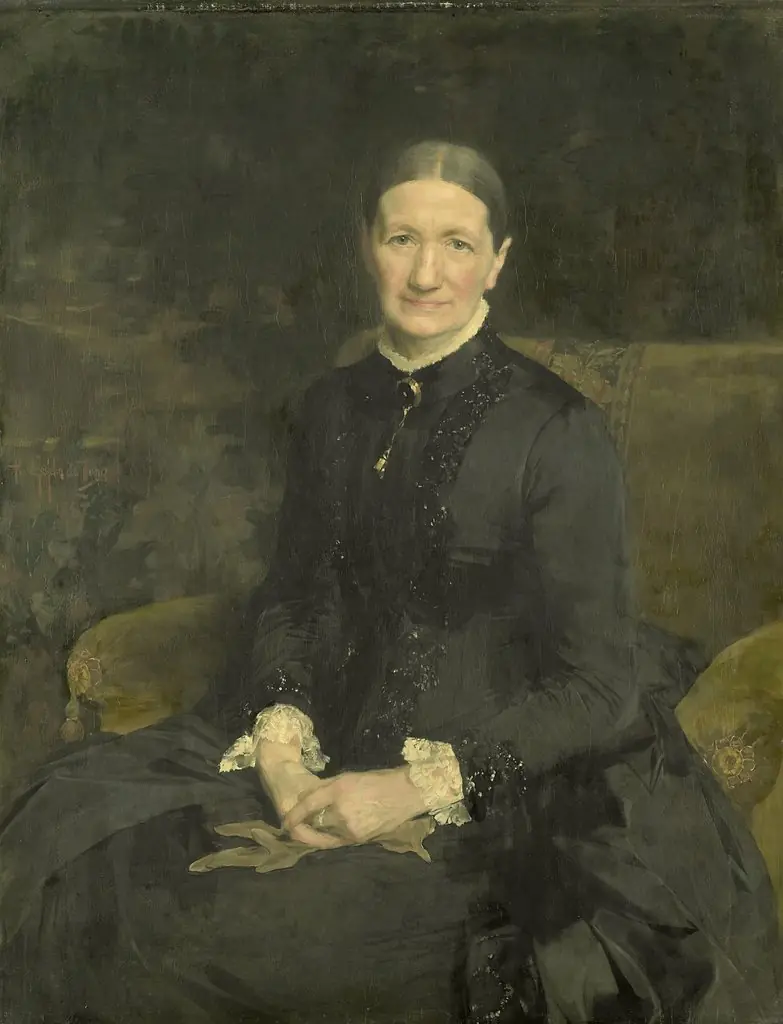 Portrait of Mrs. A J Zubli-Maschhaupt
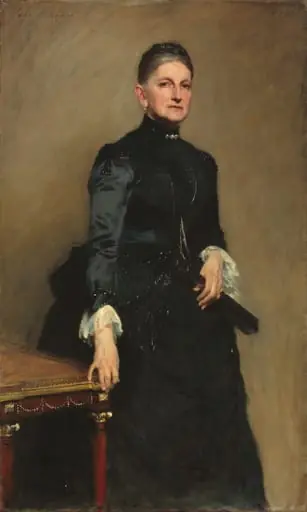 Eleanora O'Donnell Iselin (Mrs. Adrian Iselin)
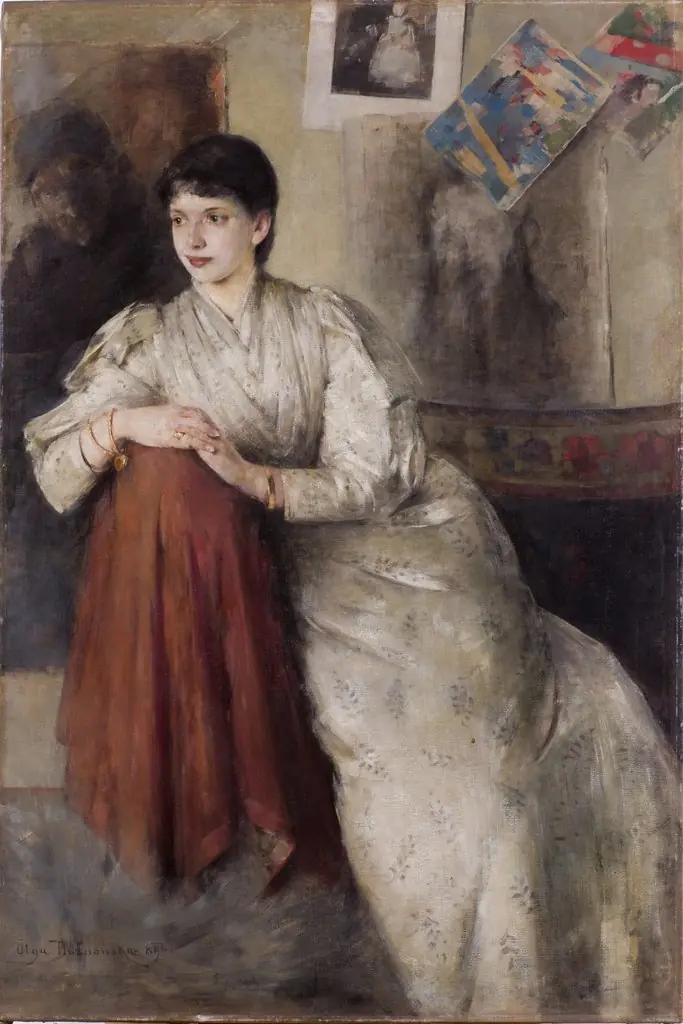 Portrait of a Woman in a White Dress
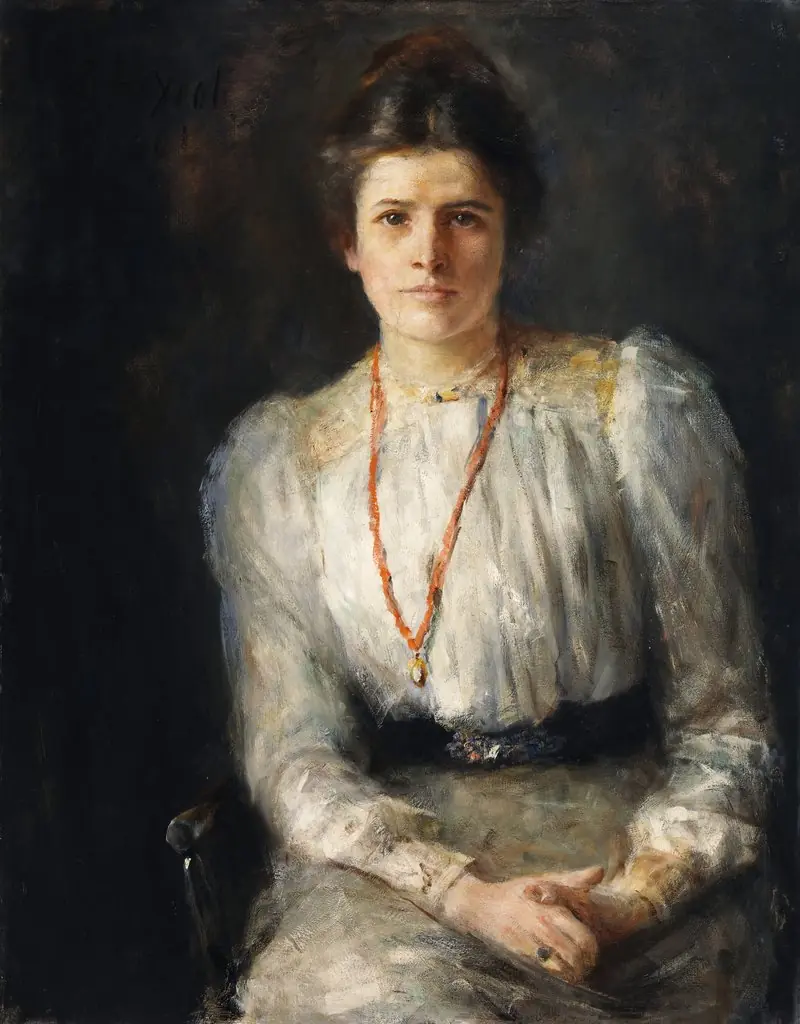 Portrait of Susan Mary (Lily) Yeats (1866 -1949), Embroiderer and Designer
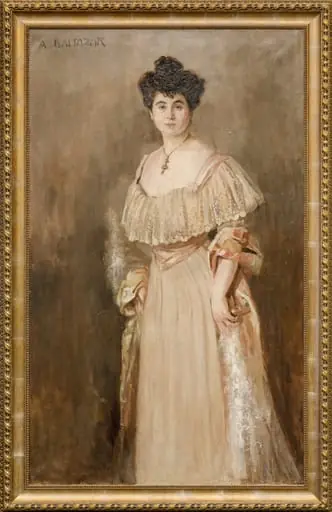 Portret de femeie
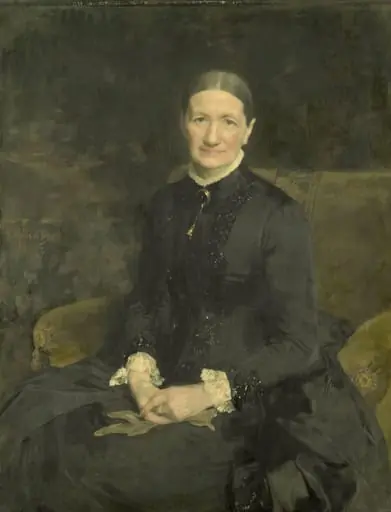 Mrs A.J. Zubli-Maschhaupt
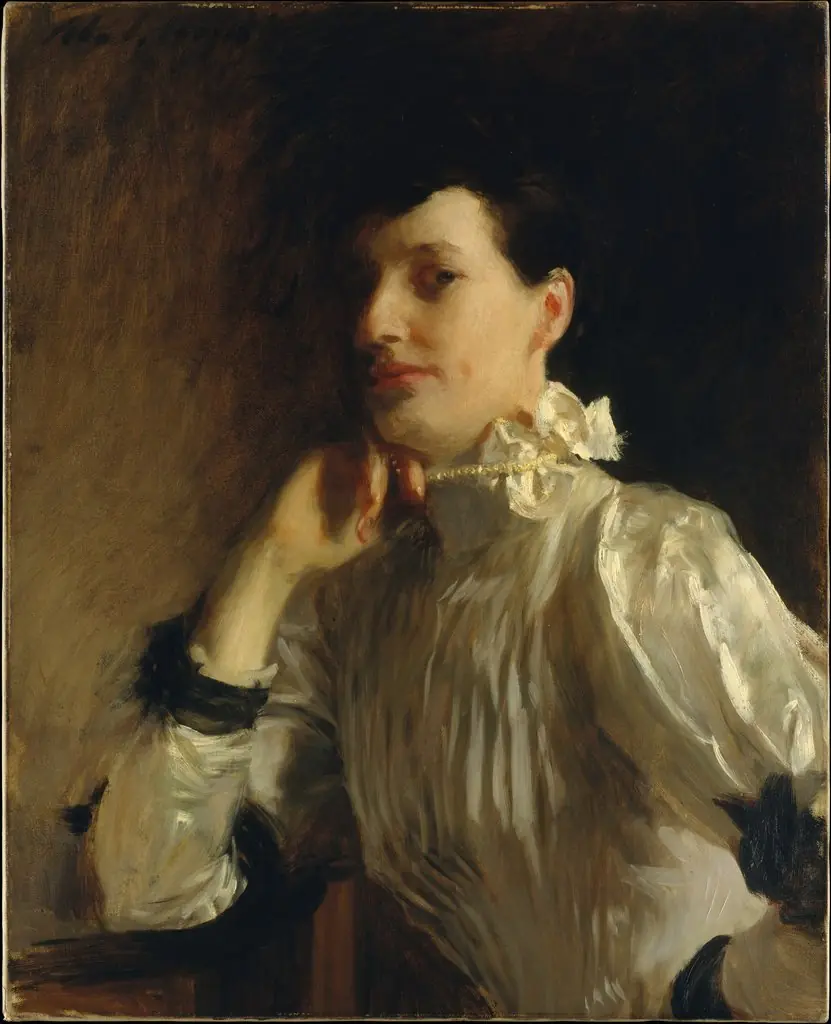 Mrs. Henry Galbraith Ward
 Portrait of Zofia Dolińska née Niesiołowska
 Self-Portrait