Artwork
Portrait of Charlotte and Sarah Carteret-Hardy
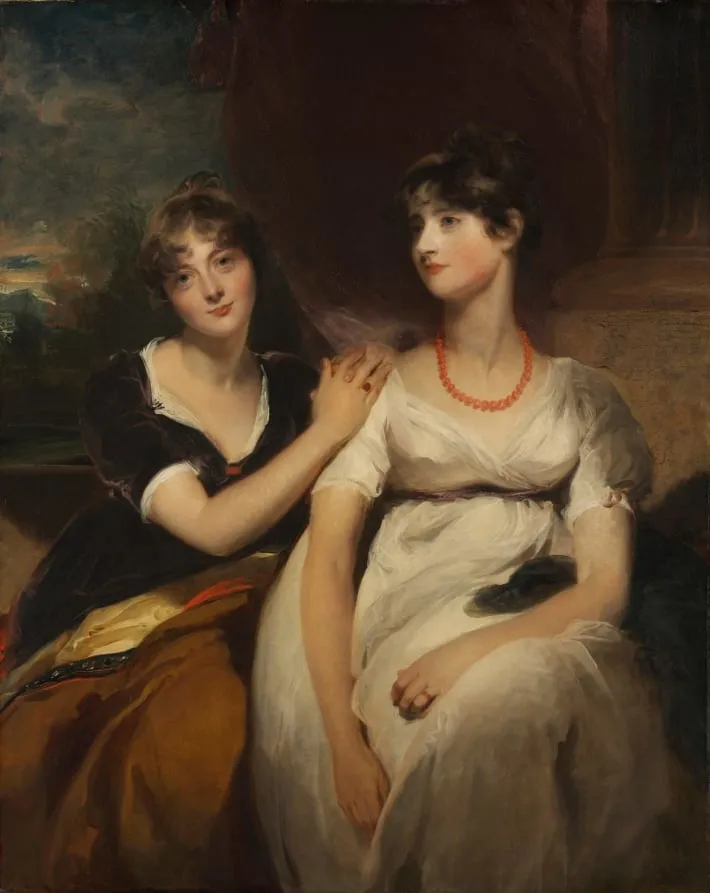
Portrait of Charlotte and Sarah Carteret-Hardy is an unspecified painting by the British Romanticist artist Thomas Lawrence. It dates from 1801 and is held in the collection of the Cleveland Museum of Art.
About this work
You see two young women in pale, flowing gowns, leaning close—one resting her hand on the other’s shoulder.
You see two young women in pale, flowing gowns, leaning close—one resting her hand on the other’s shoulder.
Lawrence painted this just before Sarah’s wedding, but he took years to finish it. The sisters’ easy pose feels real, not just posed. Their dresses and jewels show off the latest London fashion, yet the warmth between them steals the scene.
For more portraits of English high society, look up Thomas Lawrence (British, 1769–1830).
Overview
Thomas Lawrence painted Charlotte and Sarah Carteret-Hardy in the early 1800s, capturing the sisters shortly before Sarah’s marriage to Daniel Lysons. Though begun in 1801, the work remained incomplete for years, still in progress as late as 1806. The painting reflects Lawrence’s reputation for slow, deliberate execution despite high demand from London’s elite. Its intimate composition distinguishes it from formal group portraits of the era.
Subject & Meaning
The sisters, aged 19 and 21, are depicted in a moment of quiet closeness, one resting her hand on the other’s shoulder. Their tender posture suggests a bond deeper than the ceremonial occasion of marriage. While the painting marks a personal milestone, its emotional core lies in the unguarded affection between them, softening the expected display of aristocratic elegance with genuine intimacy.
Technique & Style
Lawrence employed fluid brushwork to render the translucent fabrics and delicate jewelry of their gowns, emphasizing the latest London fashions. The soft lighting and subtle gradations of tone enhance the sense of immediacy. Rather than rigid formality, the composition feels spontaneous, as if caught mid-gesture, revealing his skill in balancing polished surface detail with psychological presence.
History & Provenance
The portrait was commissioned for Sarah’s wedding but remained unfinished for five years, lingering in Lawrence’s studio until at least 1806. A contemporary observer noted its presence during this extended period, suggesting delays were common in his practice. Its eventual completion and subsequent ownership remain undocumented, though it is now held in a public collection.
Context
Lawrence was the leading portraitist of Regency England, favored by aristocrats seeking to project refinement and status. Yet his slow pace often frustrated patrons. This work reflects a tension between societal expectations—elegant dress, conspicuous wealth—and the private, emotional realities of familial relationships, a nuance rarely prioritized in elite portraiture of the time.
Legacy
The portrait endures as an example of Lawrence’s ability to infuse formal commissions with emotional authenticity. While his larger commissions often emphasized grandeur, this intimate double portrait reveals a quieter, more human dimension of his art. It stands as a subtle counterpoint to the era’s more rigid conventions, valued for its sincerity over spectacle.
Artist & collection
Artist
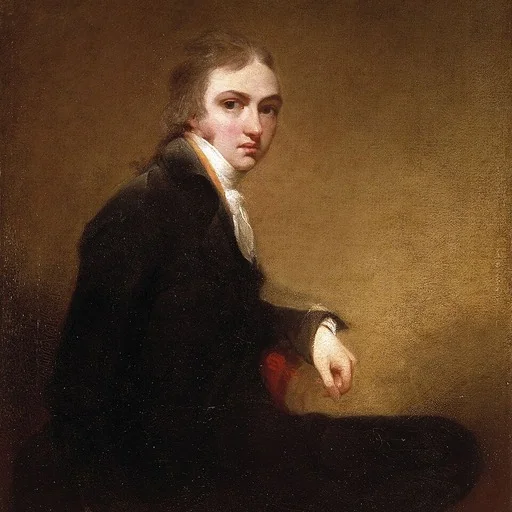
Sir Thomas Lawrence (13 April 1769 – 7 January 1830) was an English painter who served as the fourth president of the Royal Academy.

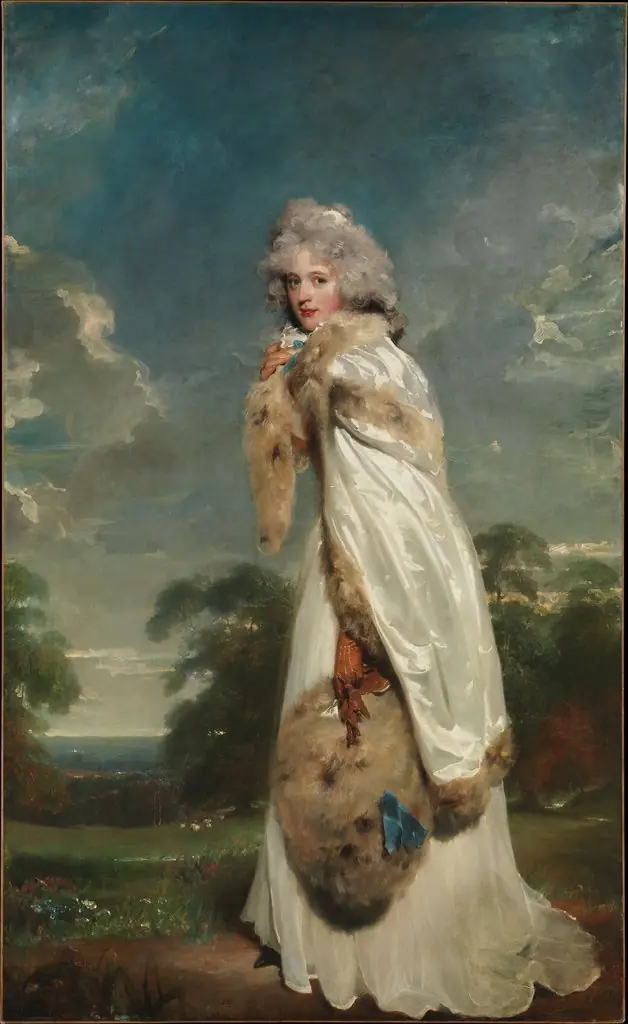 Elizabeth Farren (born about 1759, died 1829), Later Countess of Derby
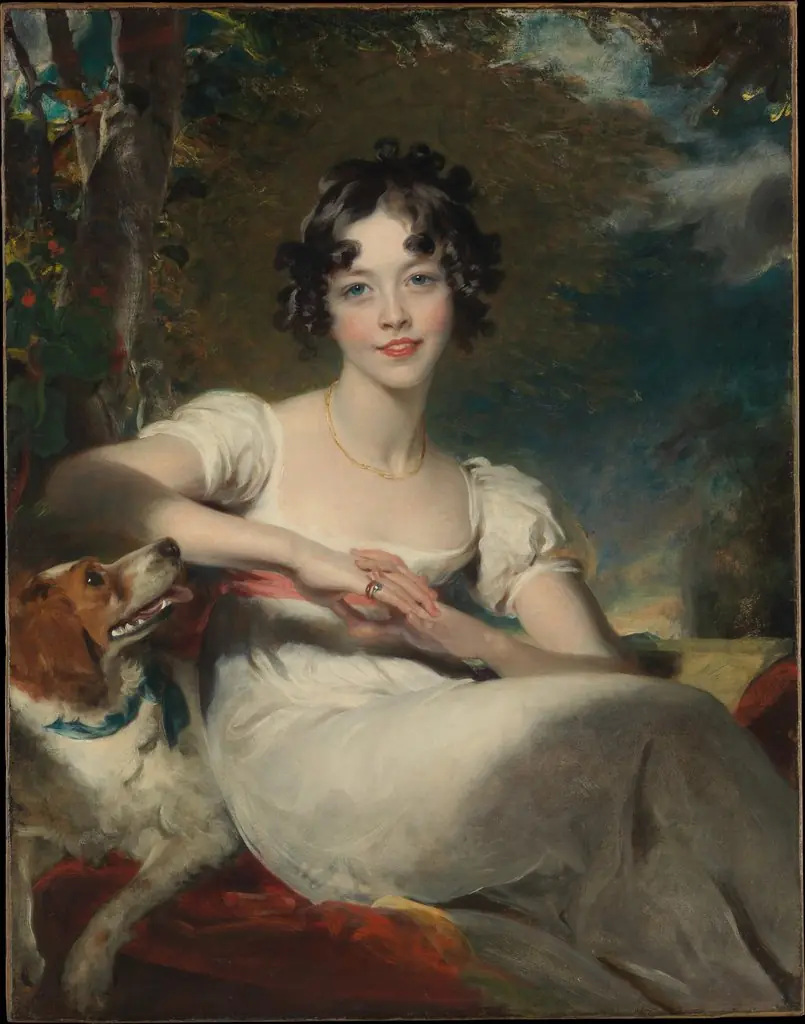 Lady Maria Conyngham (died 1843)
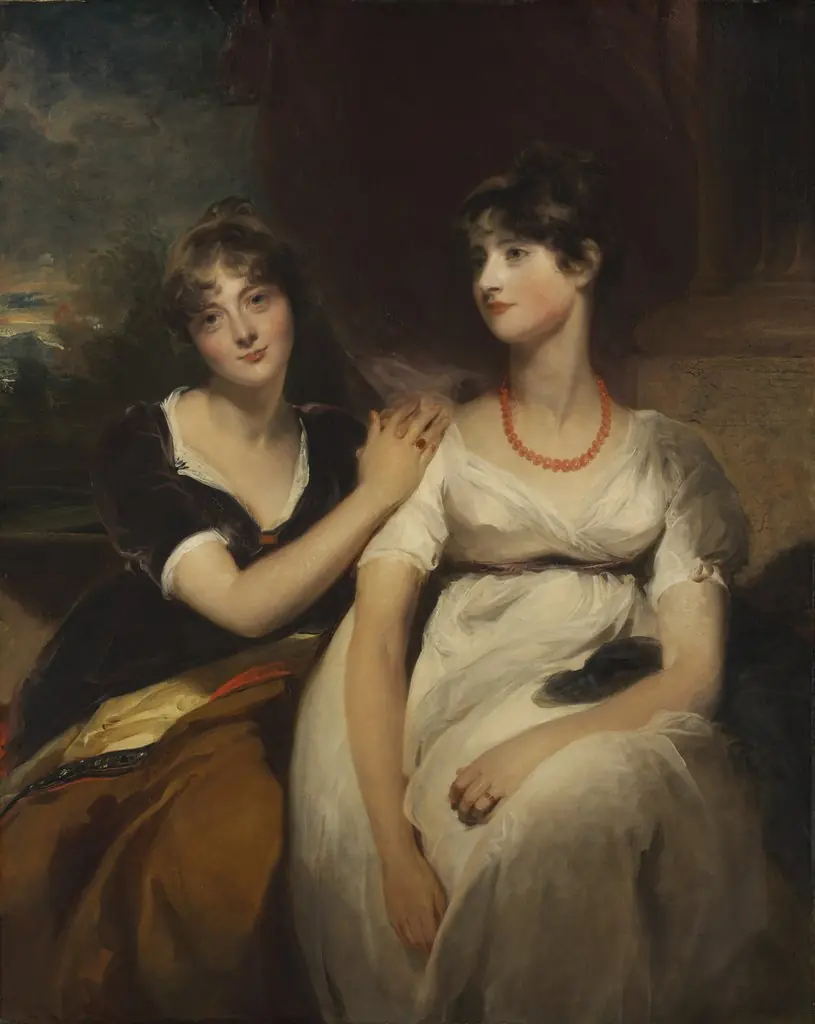 Portrait of Charlotte and Sarah Carteret-Hardy
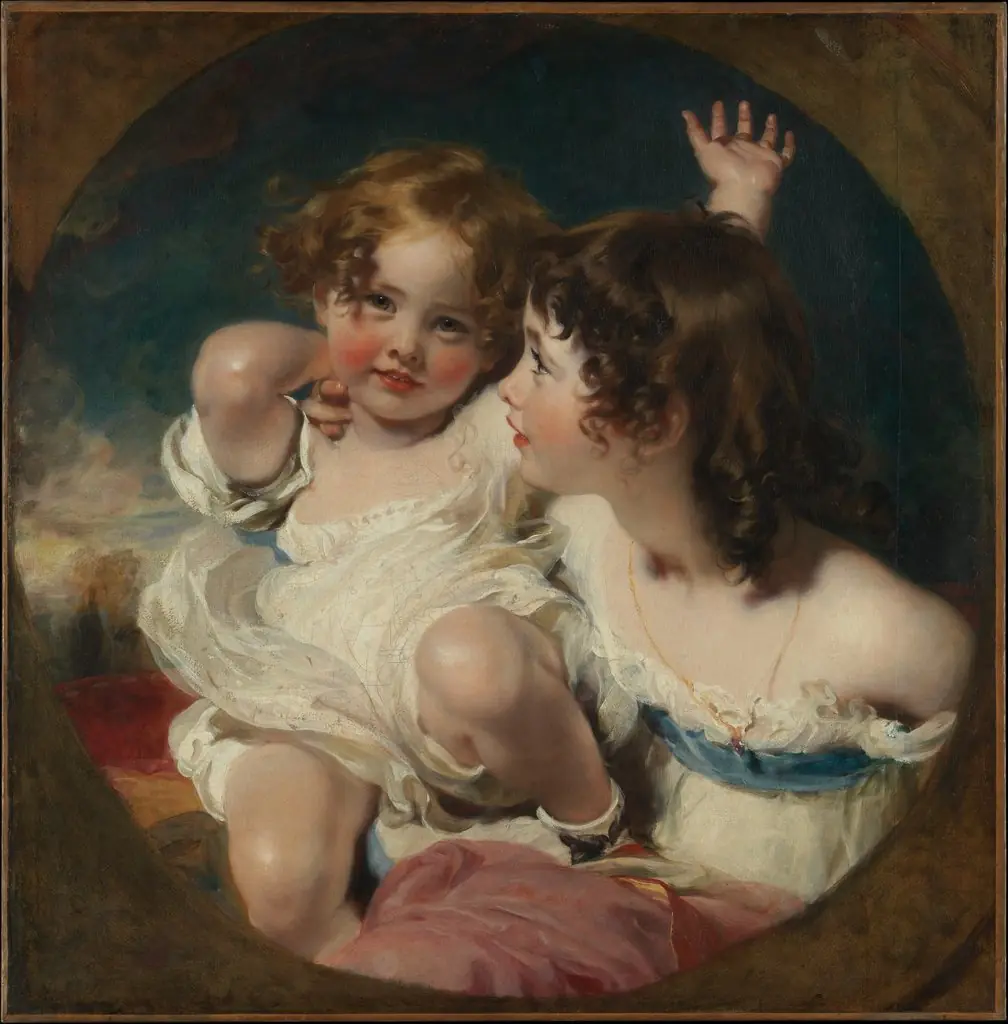 The Calmady Children (Emily, 1818–?1906, and Laura Anne, 1820–1894)
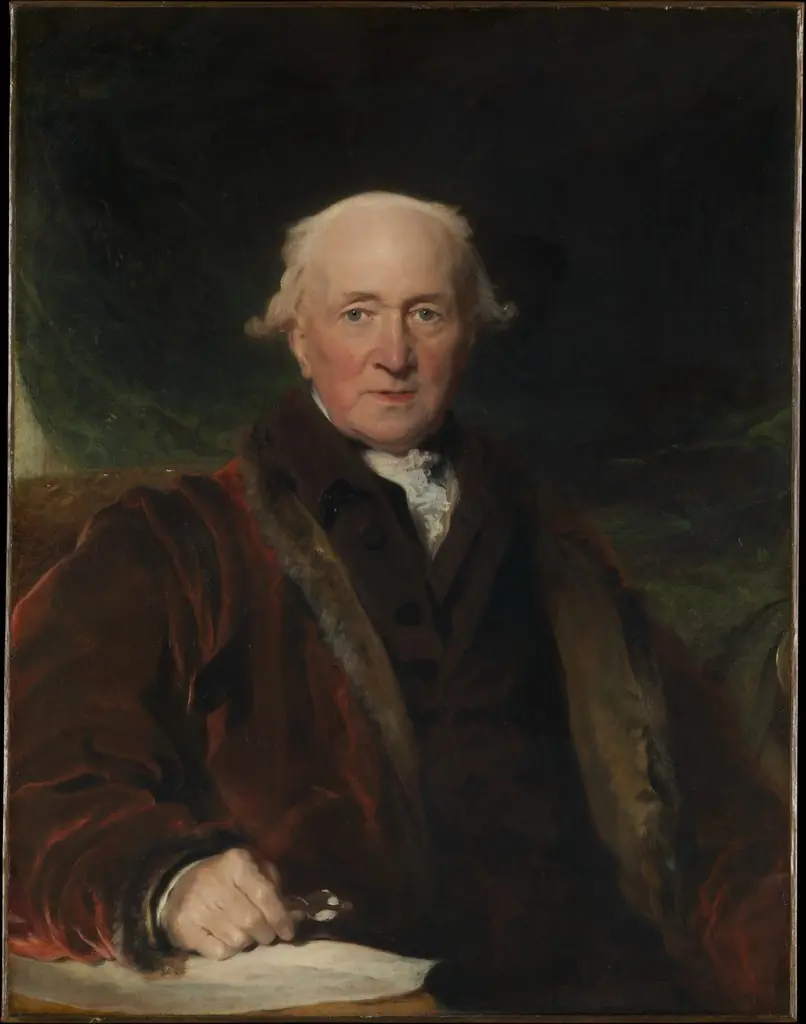 John Julius Angerstein (1736–1823)
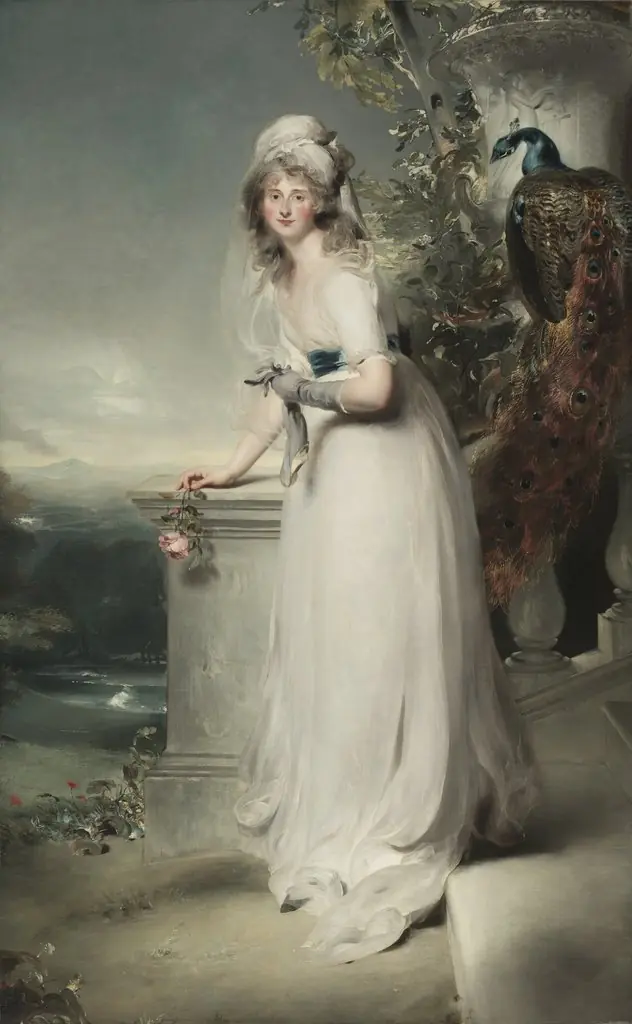 Portrait of Catherine Grey, Lady Manners
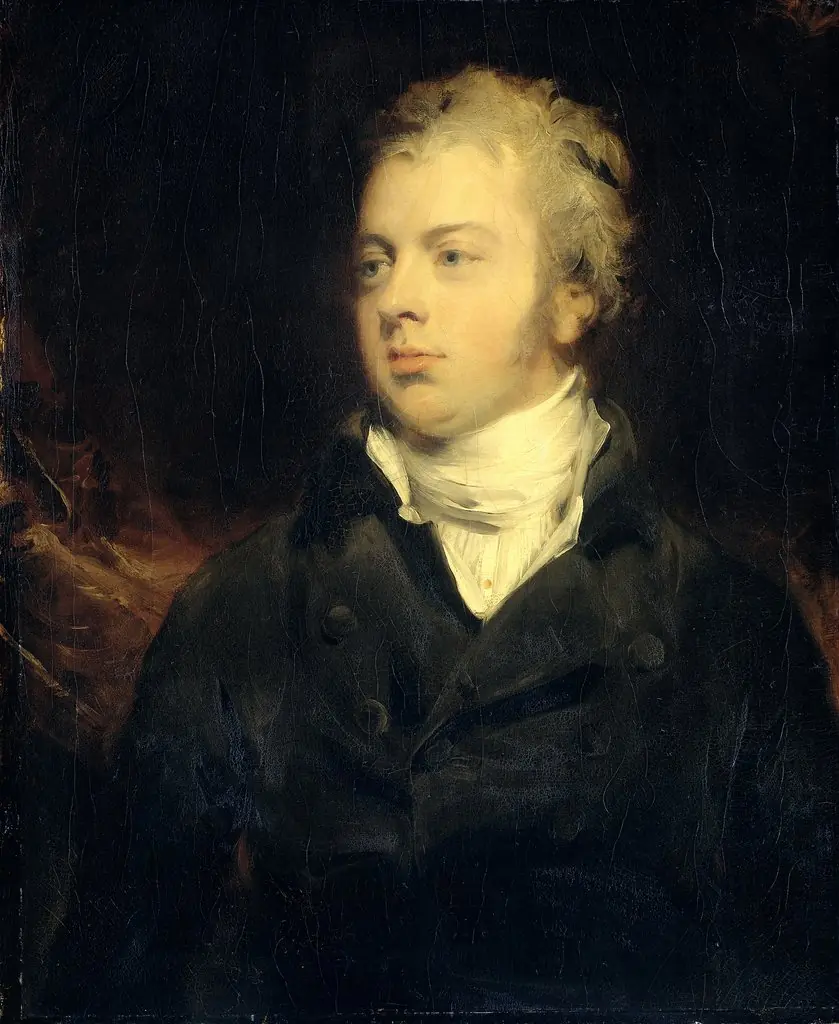 Portrait of Willem Ferdinand Mogge Muilman, President of the Dutch Central Bank
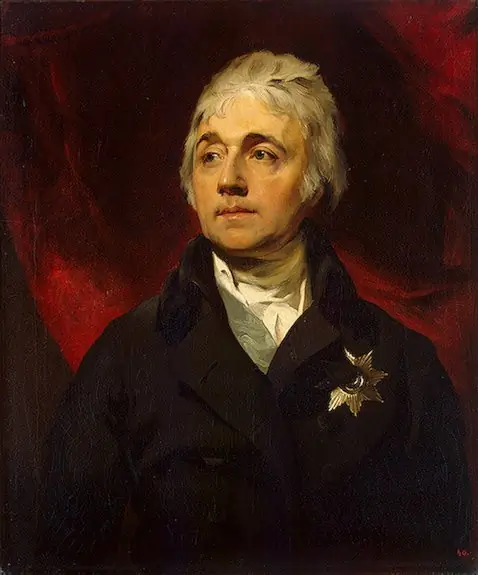 Portrait of Count Semyon Vorontsov (1744-1832)
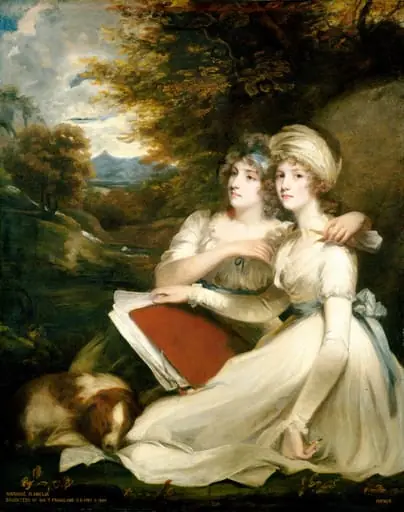 The Frankland Sisters
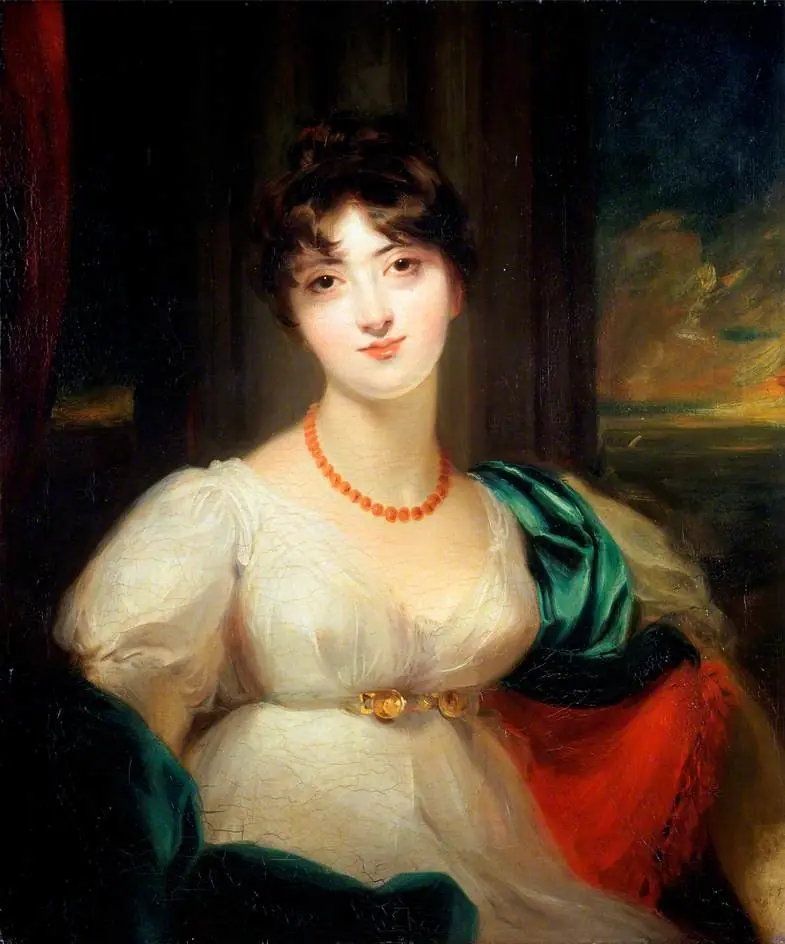 Paulina (1784–1823), First Wife of Sir Codrington Edmund Carrington
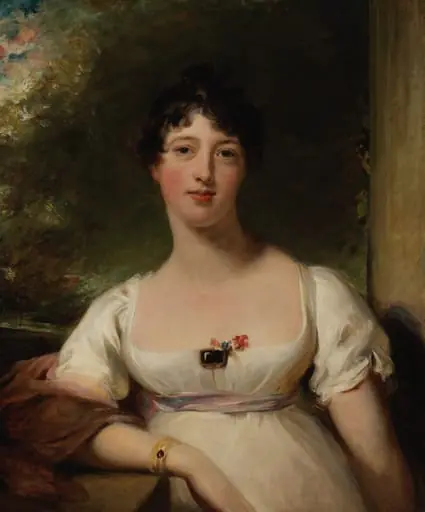 Anna Maria Dashwood, later Marchioness of Ely
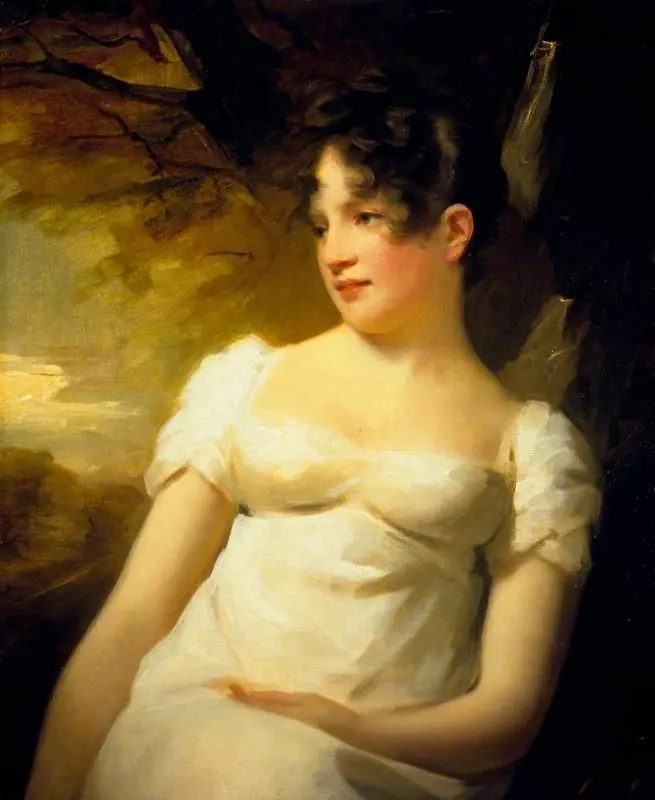 Miss Lamont of Greenock
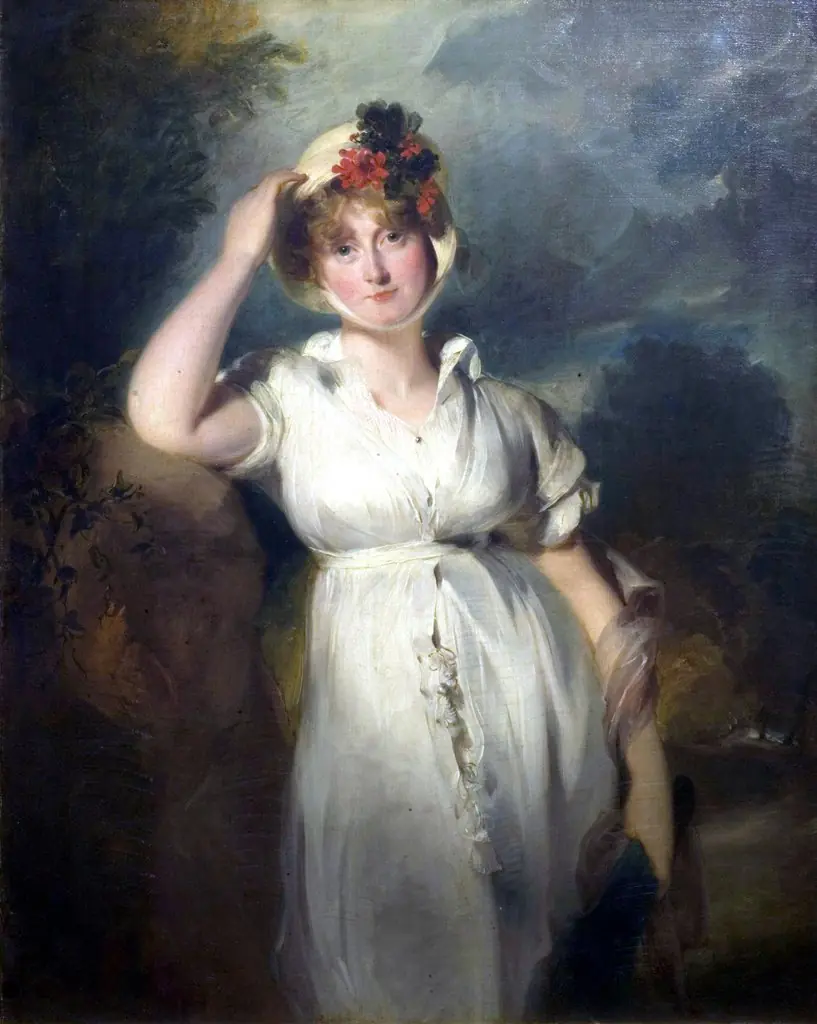 Caroline of Brunswick (1768–1821), Queen of George IV
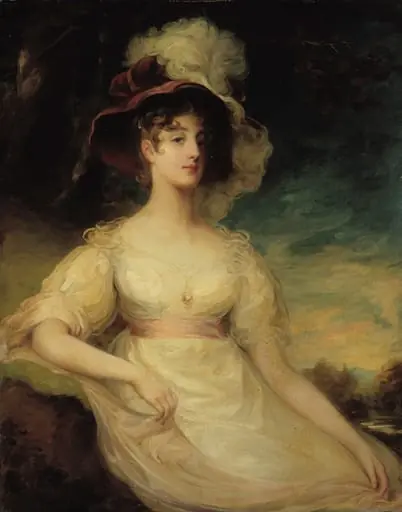 Naisen muotokuva
 Portrait of Mrs. Andrew Reid
 Mrs. Robert Blencowe
 Lady Mary Templetown and Her Eldest Son