Artwork
George IV as Prince-Regent with the insignia of the Order of the Garter
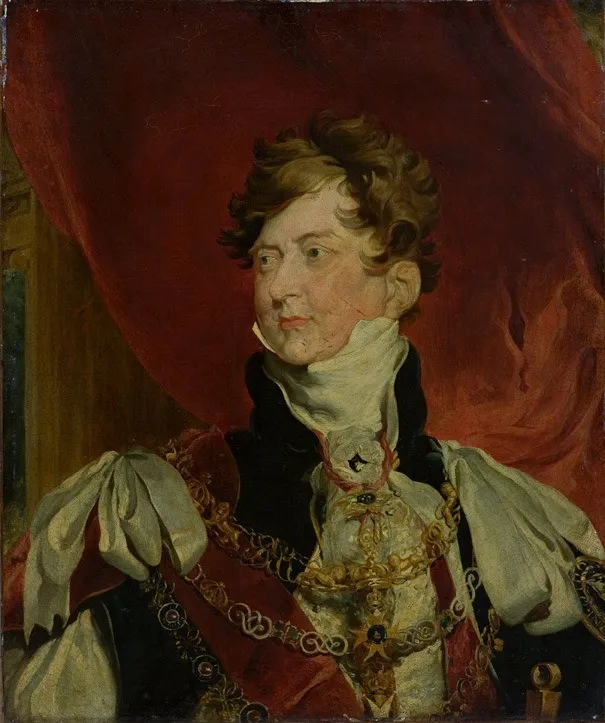
George IV as Prince-Regent with the insignia of the Order of the Garter is an oil painting by Thomas Lawrence. It dates from 1818 and is held in the collection of the São Paulo Museum of Art.
About this work
Overview
The work presents the subject in formal court dress, emphasizing his association with the Order of the Garter.
Painted in 1818 by Thomas Lawrence, this oil portrait captures George IV during his tenure as Prince Regent. The work presents the subject in formal court dress, emphasizing his association with the Order of the Garter. Lawrence, then president of the Royal Academy, was among the most sought-after portraitists of his era, known for his refined technique and psychological nuance in depicting British aristocracy.
Subject & Meaning
The portrait portrays George IV not as monarch but as Prince Regent, a role he held before ascending the throne in 1820. The insignia of the Order of the Garter—red sash, gold chain, and pendant—signal his membership in Britain’s oldest and most prestigious chivalric order. His solemn gaze and composed posture convey authority and dignity, aligning with the ceremonial expectations of royal representation.
Technique & Style
Lawrence employed a polished, realistic style with meticulous attention to fabric textures and metallic details. The deep red backdrop isolates the figure, heightening the visual impact of the sash and chain. Brushwork is controlled yet fluid, capturing the sheen of silk, the weight of gold, and the softness of wavy hair. The lighting is even, avoiding dramatic contrast to preserve the portrait’s formal tone.
History & Provenance
Commissioned during George IV’s regency, the painting remained in royal collections before entering the São Paulo Museum of Art’s holdings. Lawrence’s reputation as a royal portraitist ensured wide circulation of such images, reinforcing the Prince Regent’s public image. The work’s journey to Brazil reflects broader 19th-century patterns of art acquisition by emerging institutions outside Europe.
Context
Lawrence’s career flourished amid the political and cultural shifts of Regency England. His portraits of royalty and nobility served both personal and political functions, projecting stability and continuity during a period of social change. This image aligns with contemporary efforts to elevate the monarchy’s image through visual symbolism, particularly after the excesses of George III’s later years.
Legacy
The portrait exemplifies Lawrence’s mastery in blending aristocratic grandeur with psychological restraint. While later critics questioned his idealization of subjects, his technical precision and command of formal portraiture influenced generations of British artists. The work endures as a document of regal representation in the early 19th century, reflecting the intersection of power, fashion, and visual culture.
Artist & collection
Artist
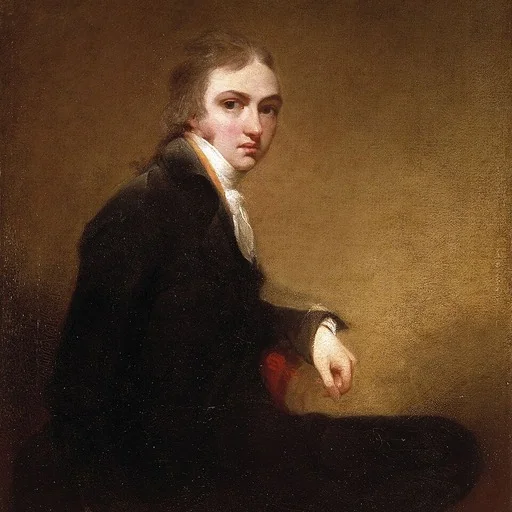
Sir Thomas Lawrence (13 April 1769 – 7 January 1830) was an English painter who served as the fourth president of the Royal Academy.

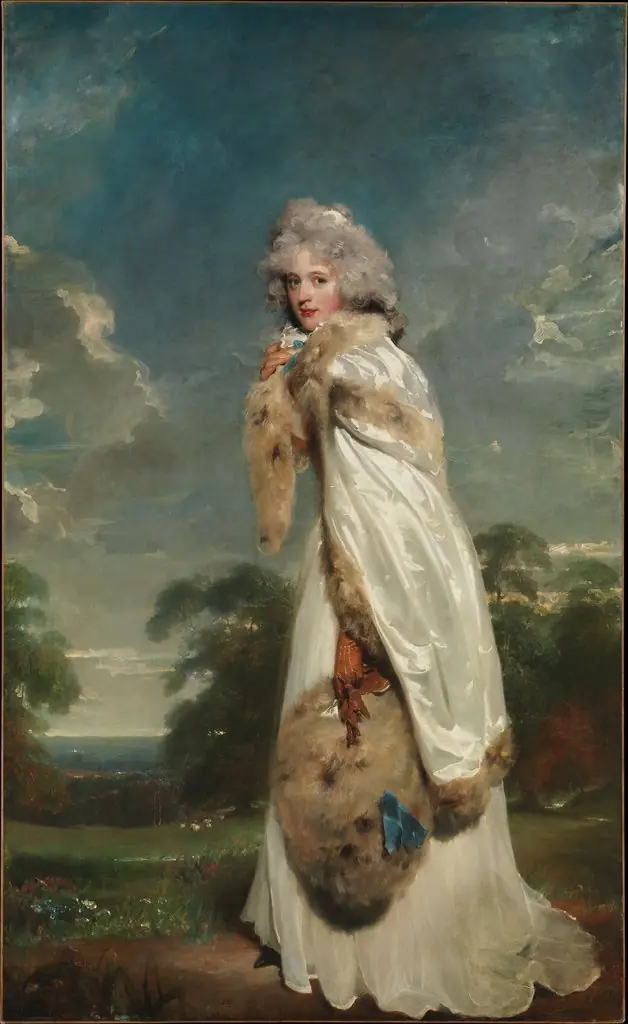 Elizabeth Farren (born about 1759, died 1829), Later Countess of Derby
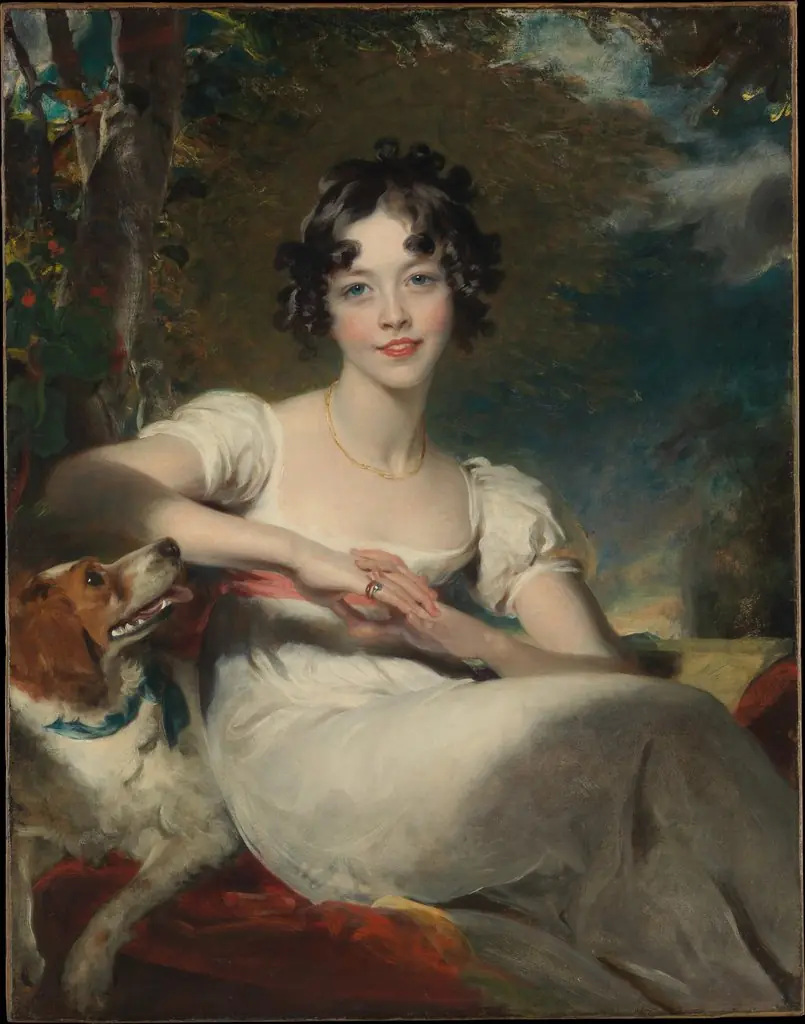 Lady Maria Conyngham (died 1843)
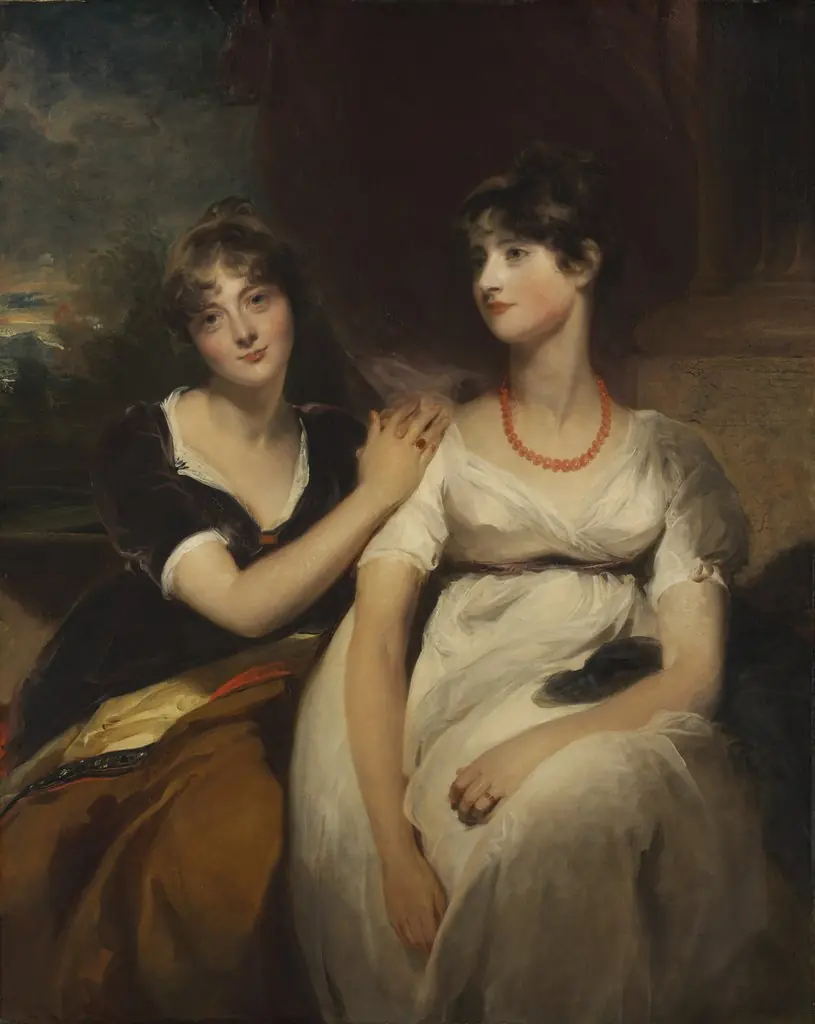 Portrait of Charlotte and Sarah Carteret-Hardy
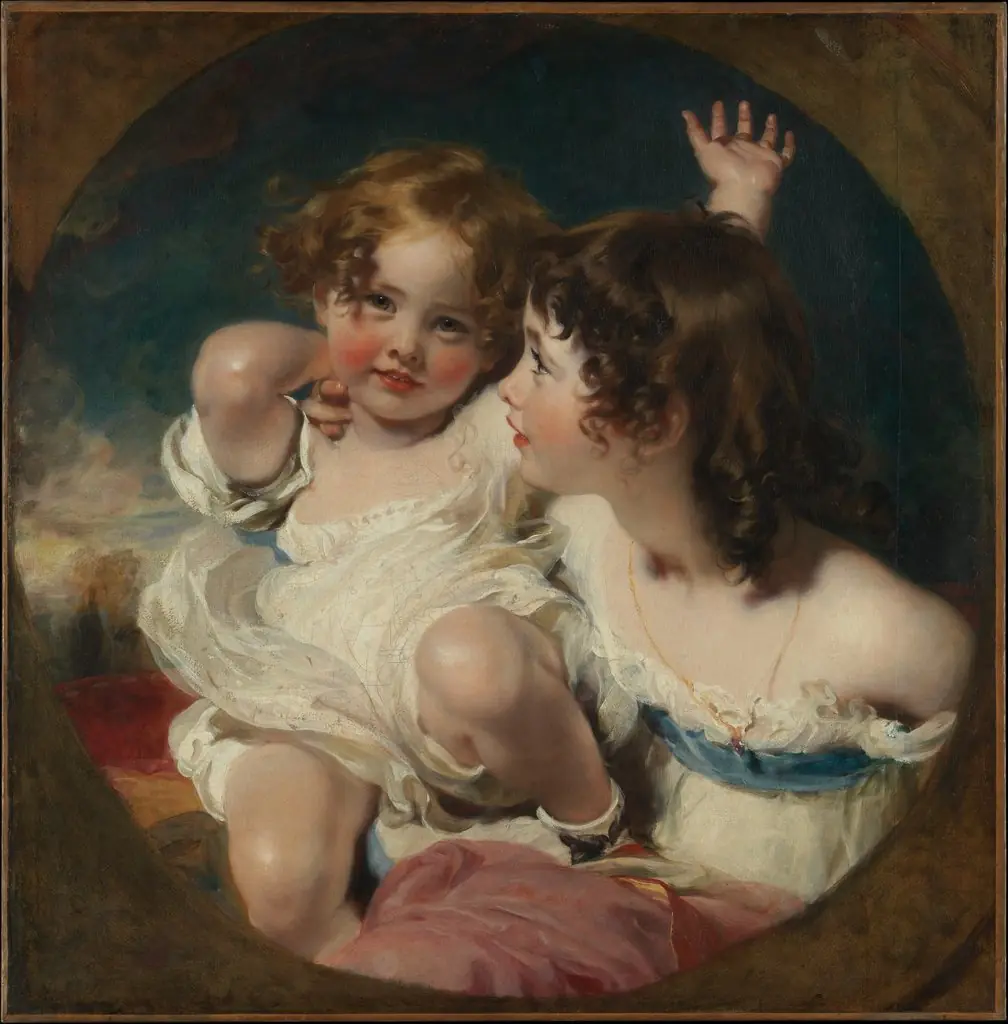 The Calmady Children (Emily, 1818–?1906, and Laura Anne, 1820–1894)
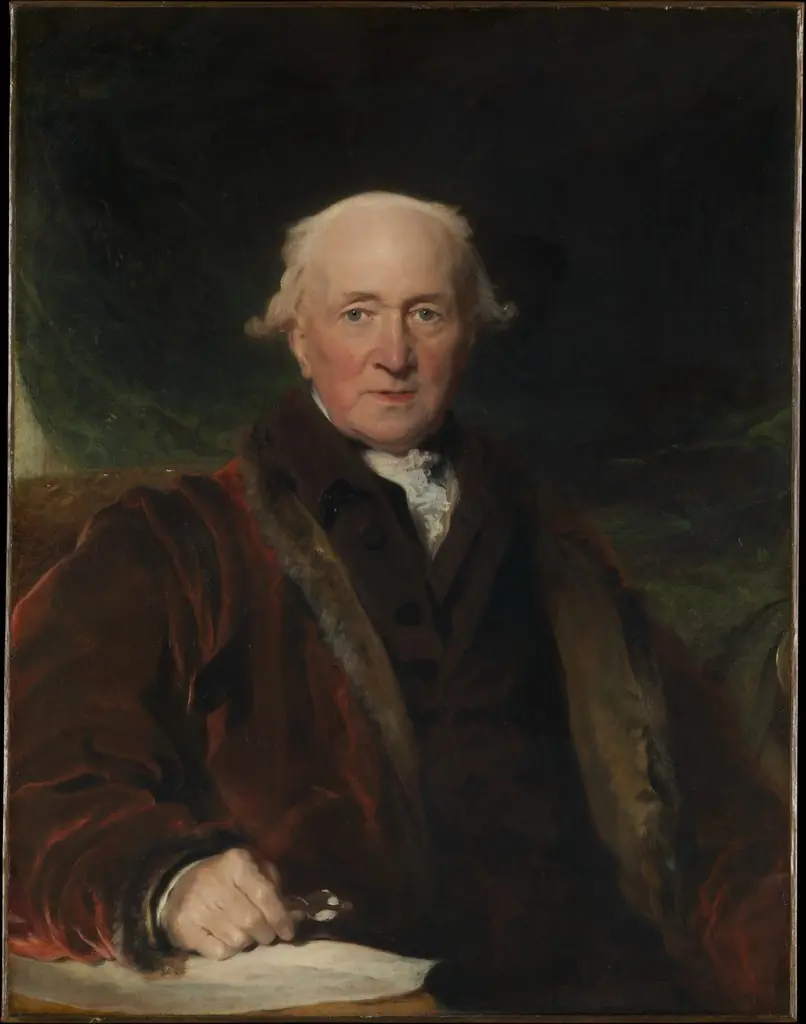 John Julius Angerstein (1736–1823)
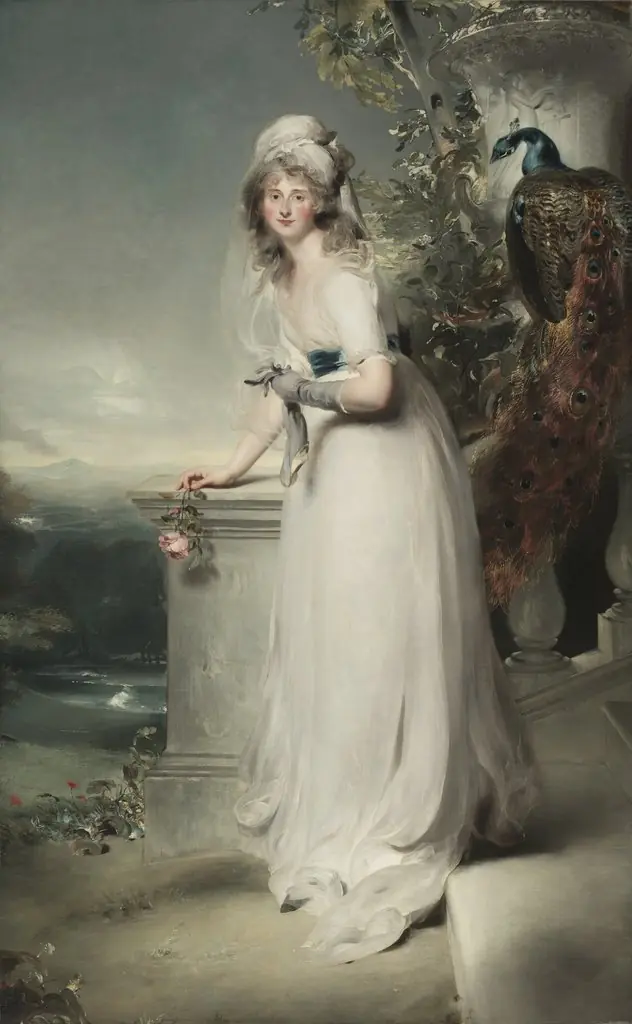 Portrait of Catherine Grey, Lady Manners
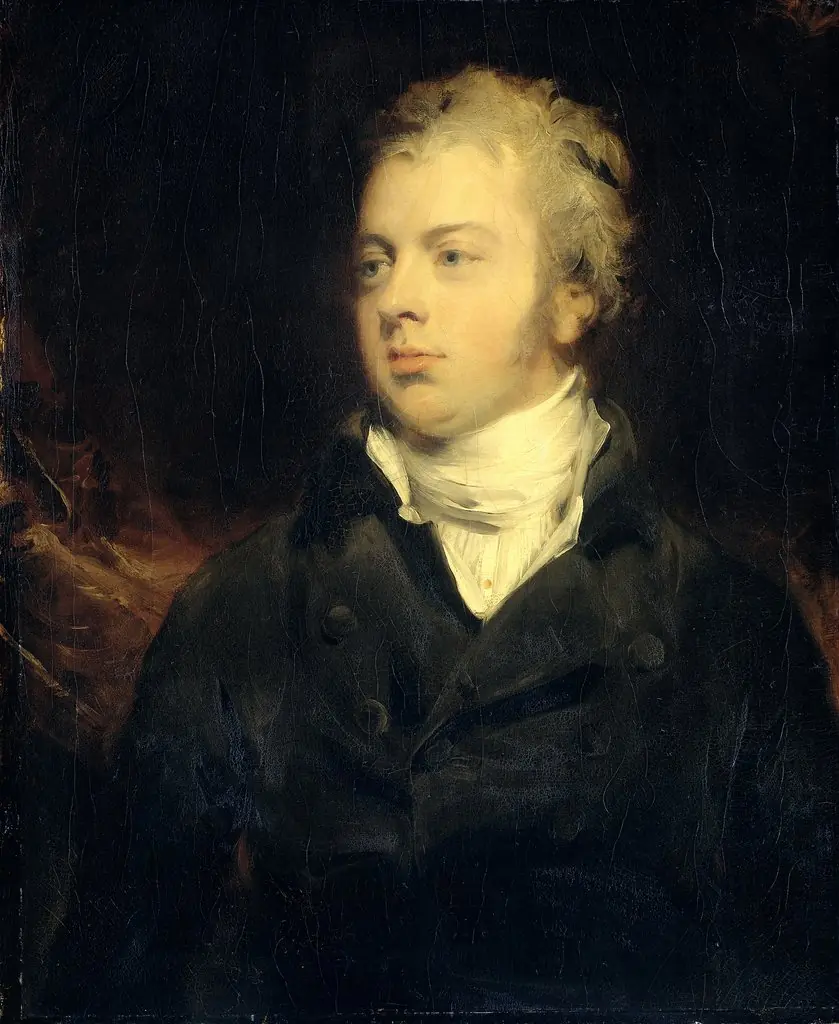 Portrait of Willem Ferdinand Mogge Muilman, President of the Dutch Central Bank
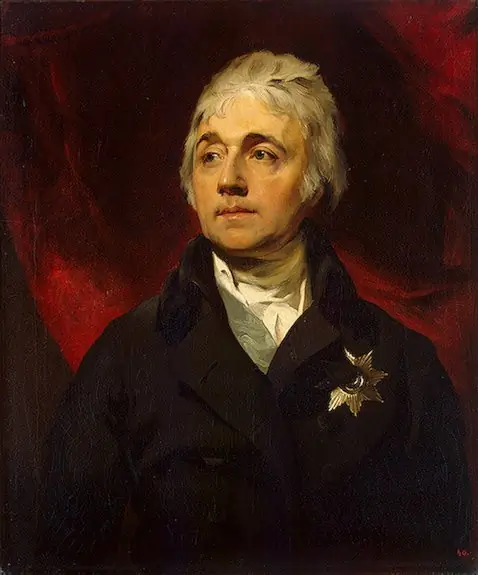 Portrait of Count Semyon Vorontsov (1744-1832)
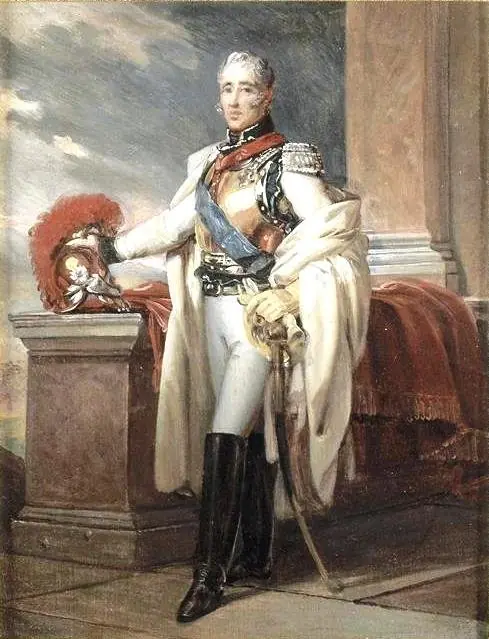 Charles-Philippe de France (1757-1836), comte d'Artois, en uniforme de colonel général des Carabiniers, vers 1815 (esquisse)
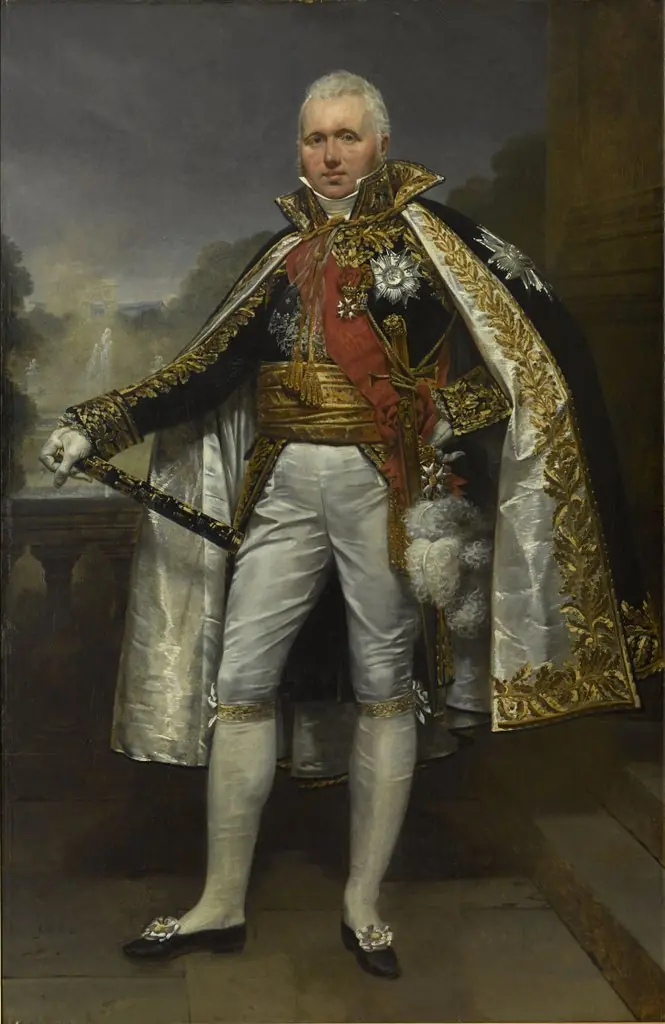 Claude-Victor Perrin, Duke of Bellune, Marshal of France
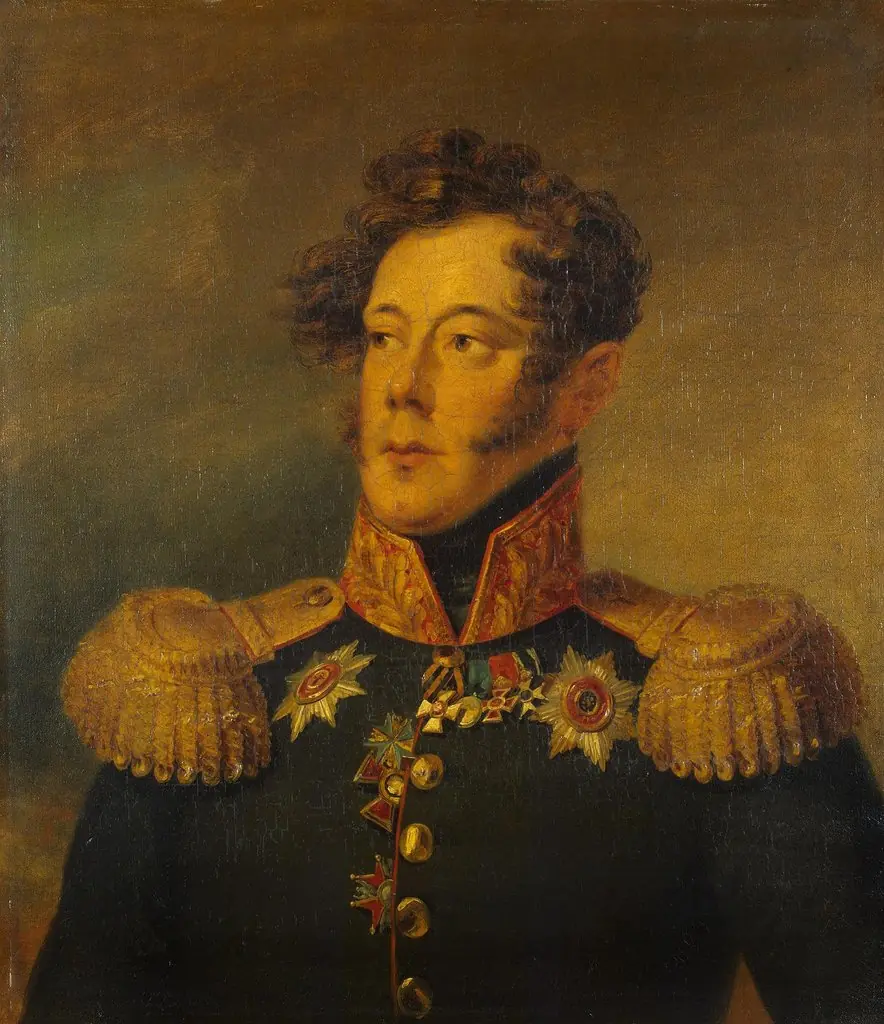 Portrait of Alexander I. Albrecht (1788-1828)
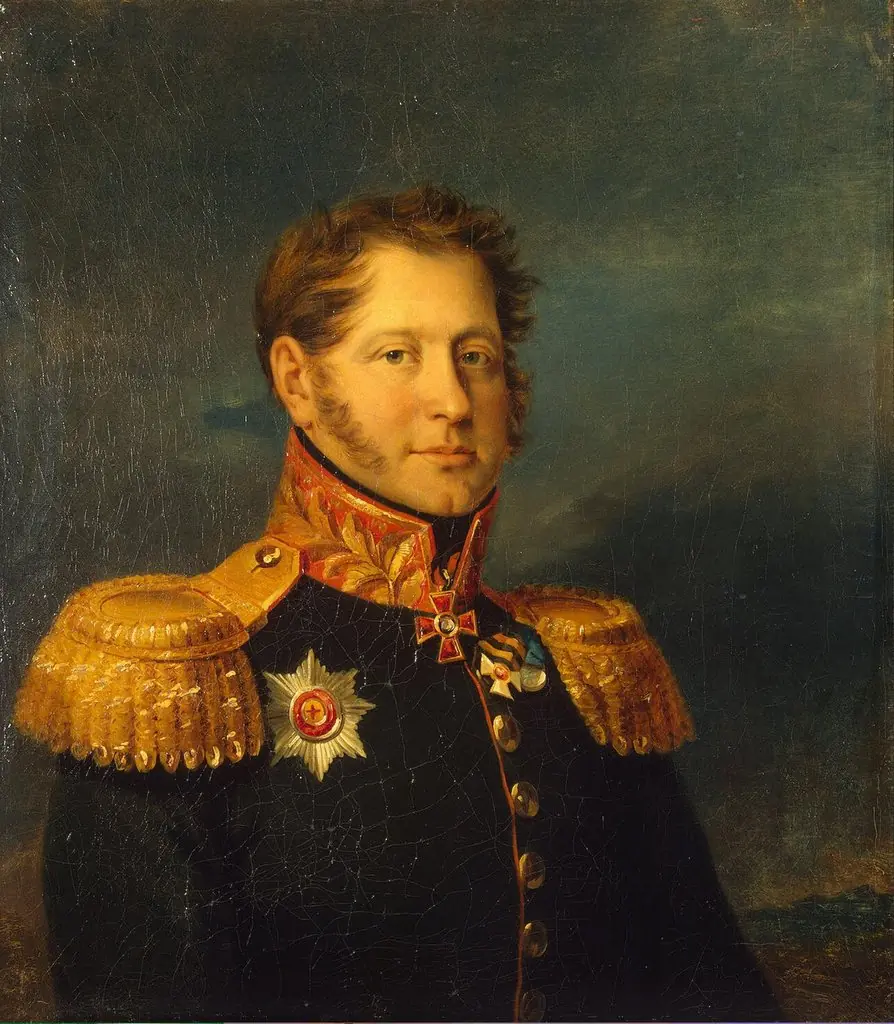 Portrait of Alexander I. Gressor (1772-1822)
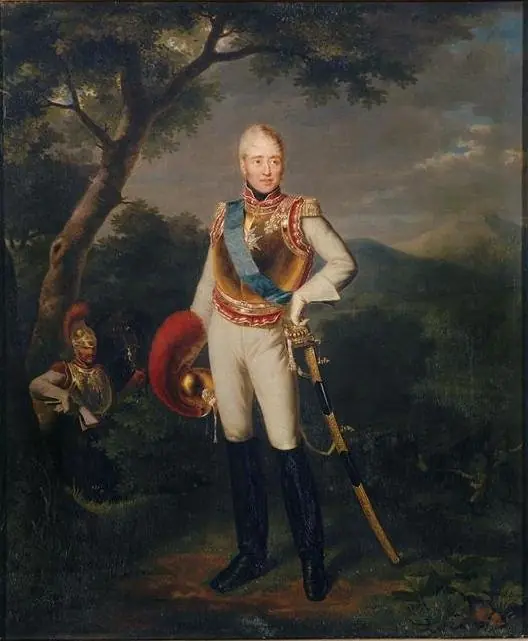 Charles X, roi de France (1757-1836), alors comte d'Artois, en uniforme de colonel-général des Carabiniers en 1818
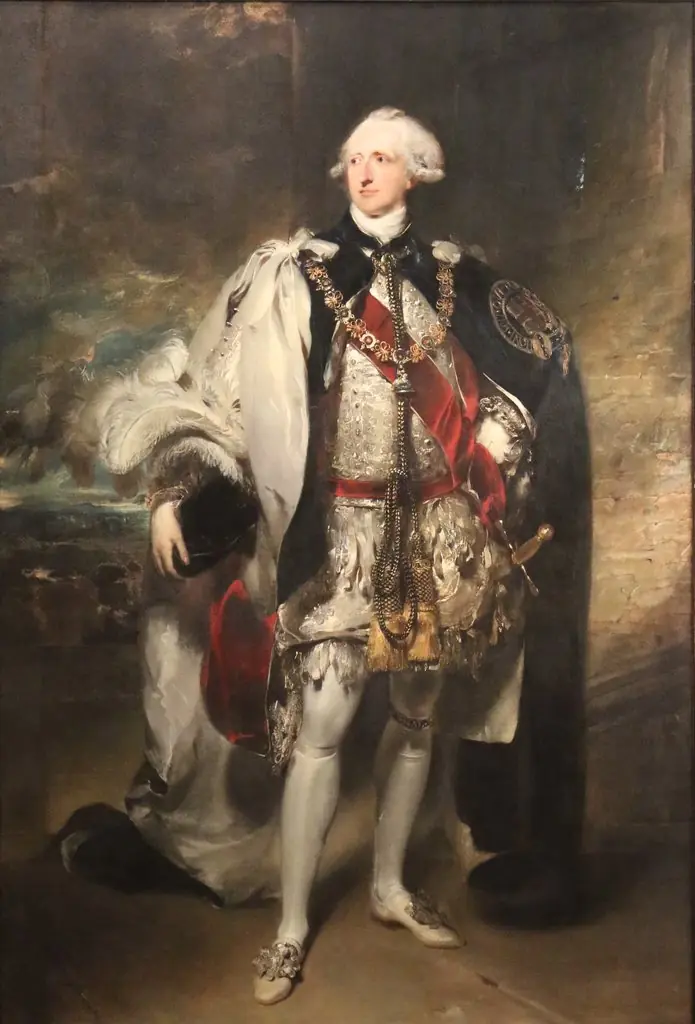 Francis Osborne, 5th Duke of Leeds
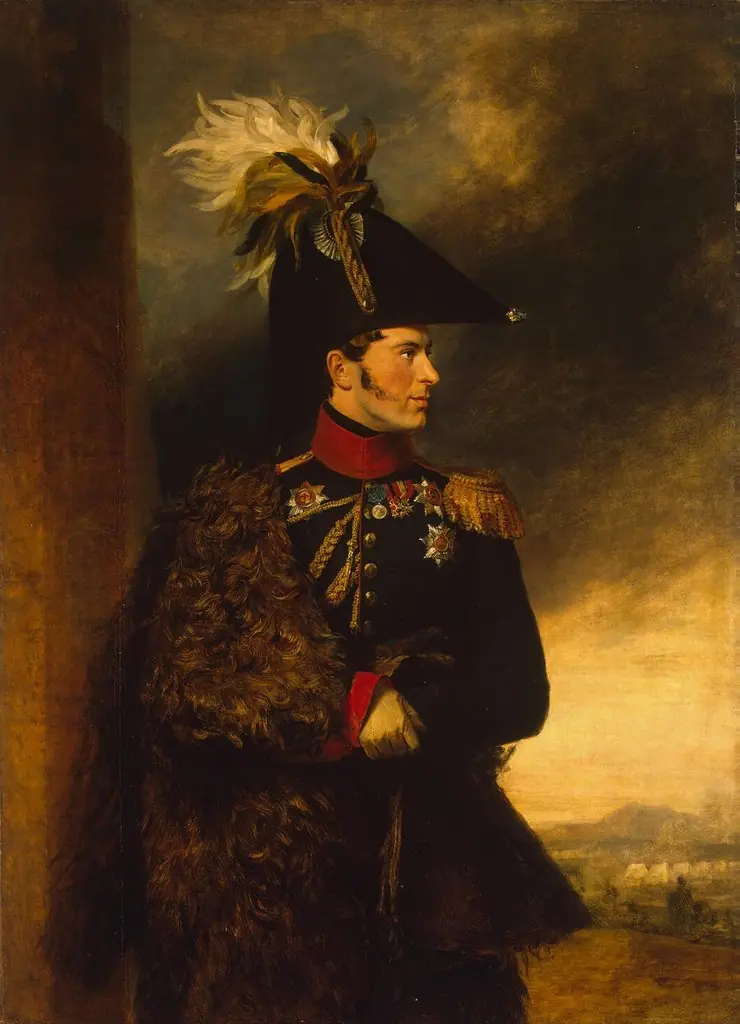 Portrait of Alexander S. Menshikov (1787-1869)
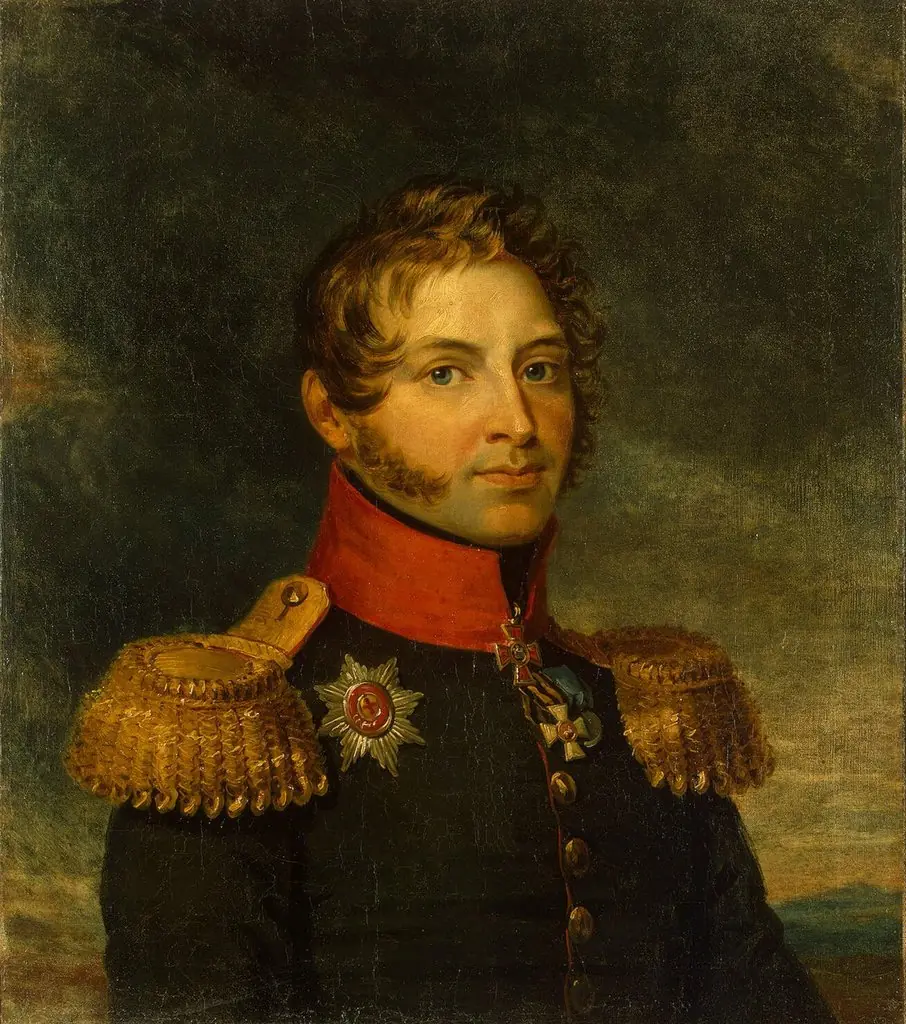 Portrait of Alexander P. Kutuzov (1777-1817)
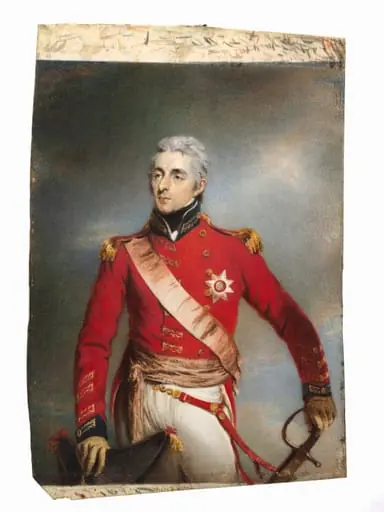 Portrait of Arthur Wellesley, later 1st Duke of Wellington