Artwork
Charles-Philippe de France (1757-1836), comte d'Artois, en uniforme de colonel général des Carabiniers, vers 1815 (esquisse)
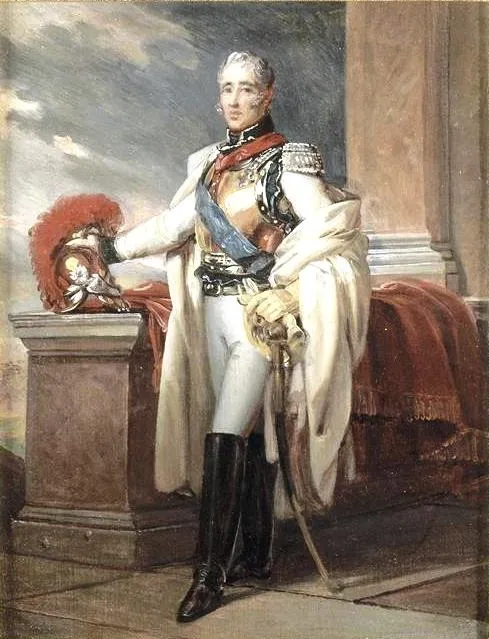
Charles-Philippe de France (1757-1836), comte d'Artois, en uniforme de colonel général des Carabiniers, vers 1815 (esquisse) is an oil painting by François Gérard. It dates from 1815 and is held in the collection of the Palace of Versailles.
About this work
Overview
This oil-on-canvas sketch, dated around 1815, portrays Charles-Philippe de France, comte d'Artois, in his role as colonel general of the Carabiniers.
This oil-on-canvas sketch, dated around 1815, portrays Charles-Philippe de France, comte d'Artois, in his role as colonel general of the Carabiniers. Painted by François Gérard, a prominent French artist of the era, the work captures a moment during the Bourbon Restoration. Though labeled an esquisse, it reflects the formal conventions of court portraiture. The painting is held in the collection of the Palace of Versailles, where it contributes to the visual record of the restored monarchy.
Subject & Meaning
The subject, Charles-Philippe, was the younger brother of Louis XVIII and would later ascend the throne as Charles X. Depicted in full military regalia, his posture and accoutrements emphasize his authority and loyalty to the crown. The helmet and sword suggest readiness for duty, while the red sash and white coat denote his high rank within the royal guard. The image functions as both personal representation and political statement, reinforcing the legitimacy of the Bourbon line after the Napoleonic interlude.
Technique & Style
Gérard employed a refined, smooth brushwork typical of late Neoclassical portraiture, with attention to fabric texture and subtle tonal gradations. The figure stands against a plain stone backdrop, focusing attention on the subject’s form and attire. Lighting is even and controlled, avoiding dramatic contrasts. The composition is balanced and restrained, reflecting the era’s preference for dignified clarity over emotional intensity. The sketch-like quality suggests it may have served as a preparatory study for a larger finished work.
History & Provenance
Painted in 1815, the portrait was created during the brief return of the Bourbon monarchy after Napoleon’s first abdication. Gérard, who had served Napoleon before switching allegiance to the Bourbons, was well-positioned to document the restored court. The painting entered the royal collection at Versailles soon after its completion, where it remained as part of the state’s official visual archive. Its survival through subsequent political upheavals underscores its institutional significance.
Context
The portrait emerged during a period of intense political redefinition in France. As the Bourbons reclaimed power, imagery played a key role in reestablishing royal authority. Military dress was deliberately chosen to align the monarchy with national defense and tradition. Gérard’s position as First Painter to the king ensured his works were used to project continuity and stability. This piece reflects the broader effort to visually reconstruct the pre-revolutionary order through carefully curated portraiture.
Legacy
Though not among Gérard’s most widely exhibited works, the portrait remains a significant example of early 19th-century French court art. It illustrates the transition between revolutionary and restored regimes through the lens of personal representation. Its presence in Versailles ensures ongoing scholarly access, contributing to studies on royal iconography and the role of art in political rehabilitation during the Restoration era.
Artist & collection
Artist
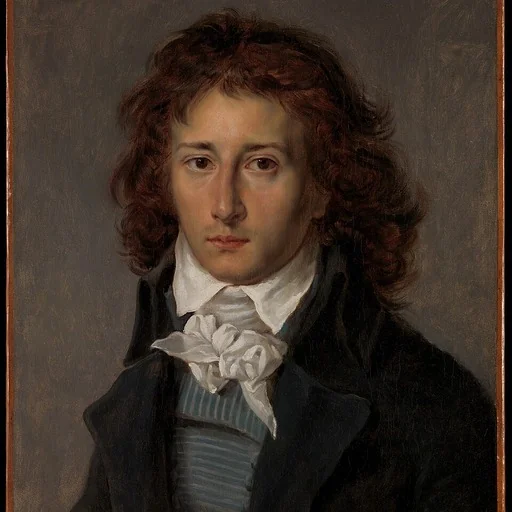
François Pascal Simon Gérard (French pronunciation: , 4 May 1770 – 11 January 1837), titled as Baron Gérard in 1809, was a French painter.

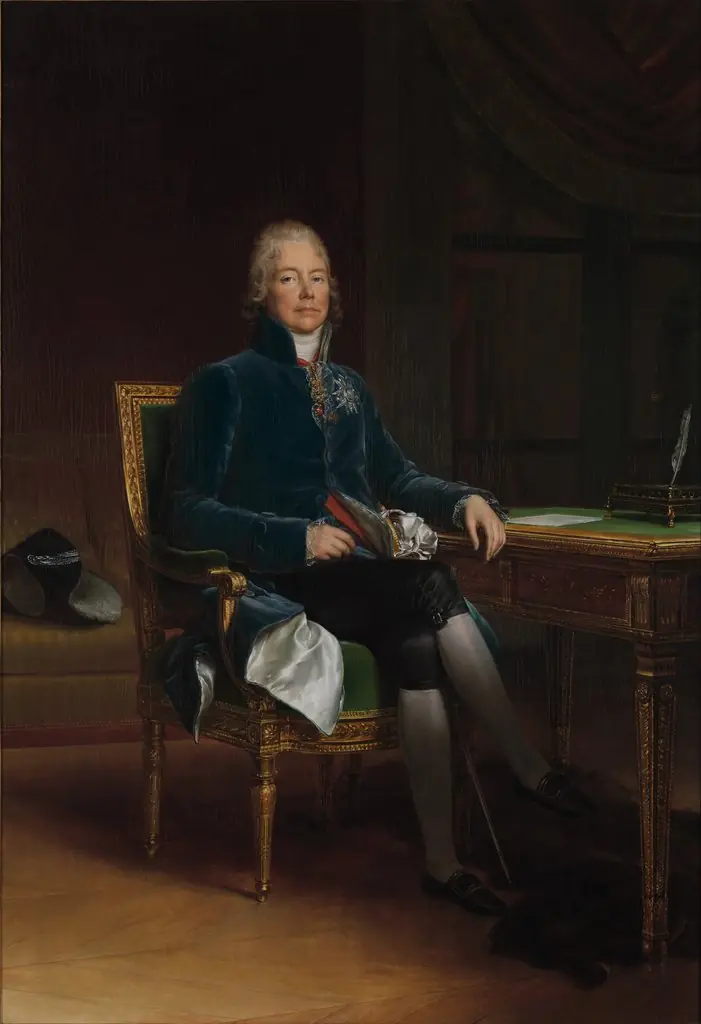 Charles Maurice de Talleyrand Périgord (1754–1838), Prince de Bénévent
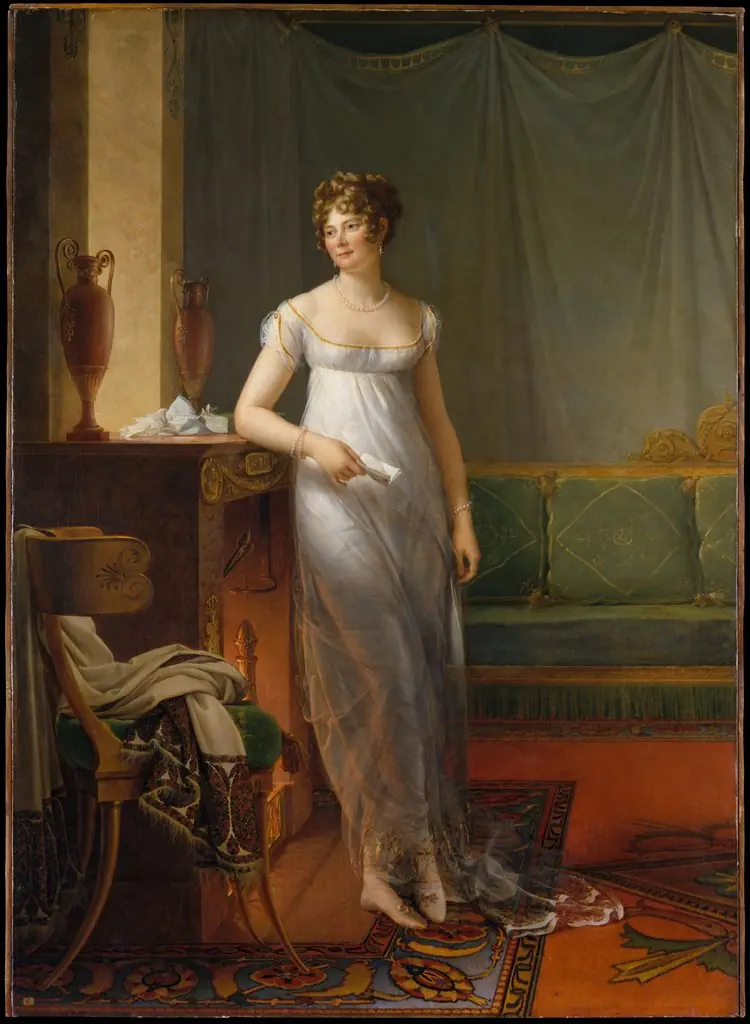 Madame Charles Maurice de Talleyrand Périgord (1761–1835)
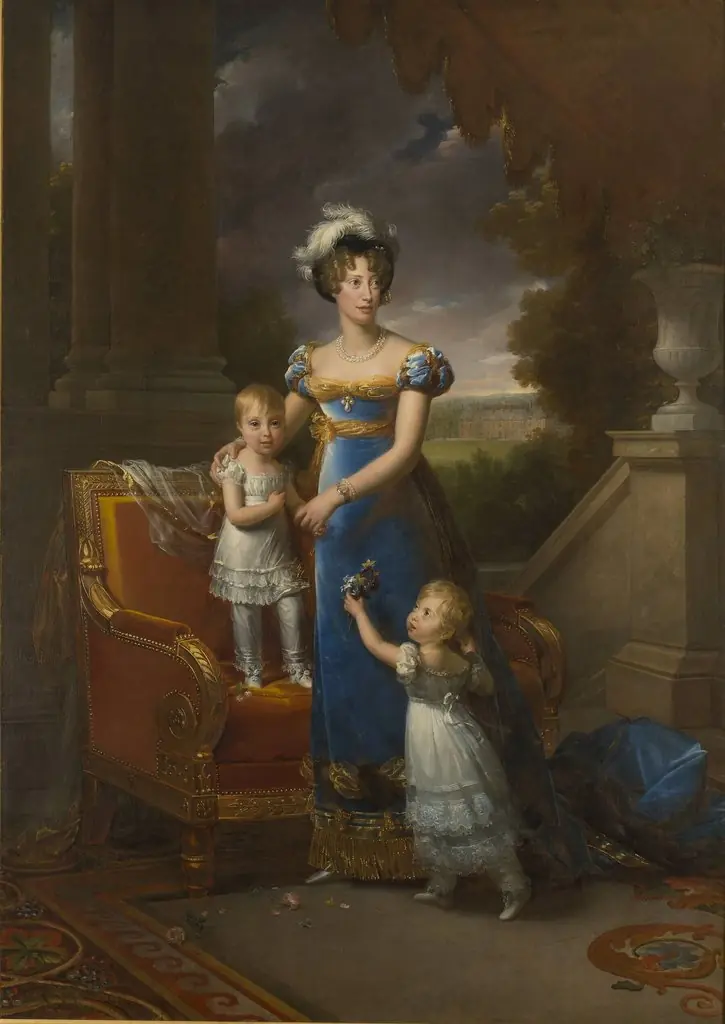 The Duchess of Berry and her Children
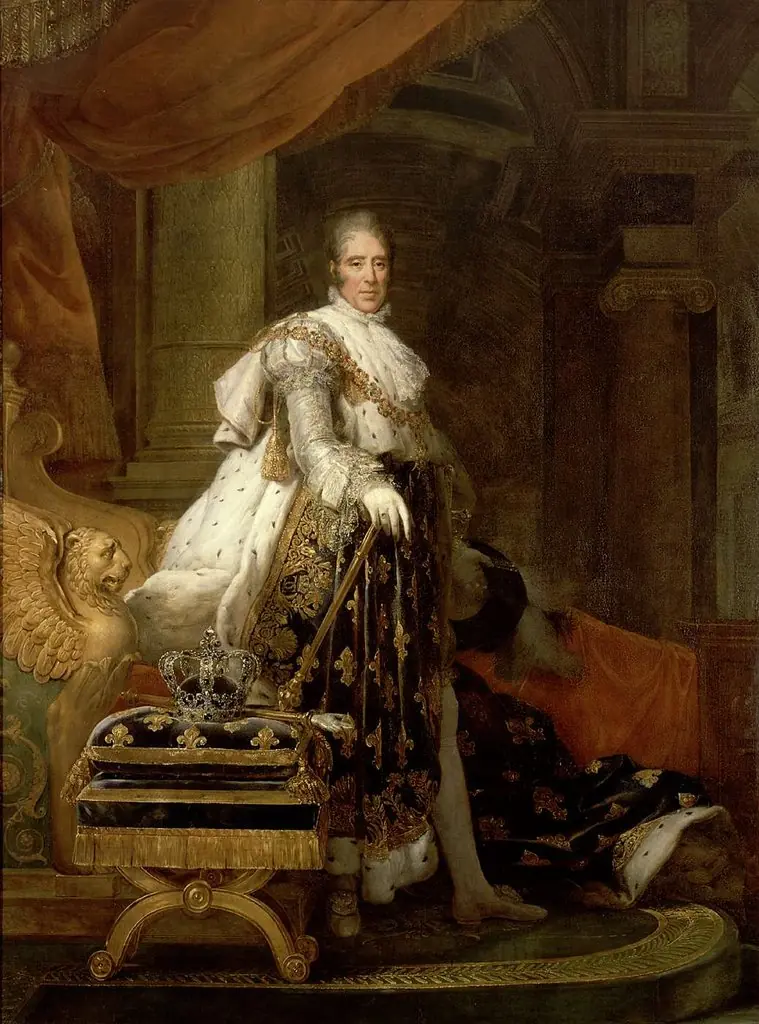 Charles X of France
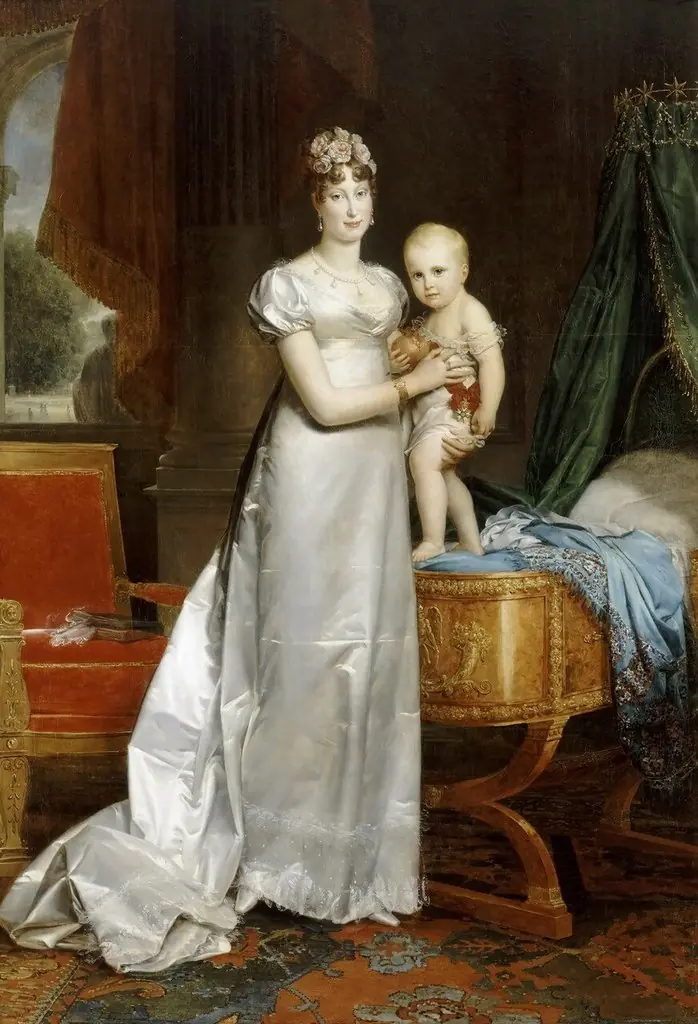 Marie-Louise, Empress of the French, and the Roi de Rome
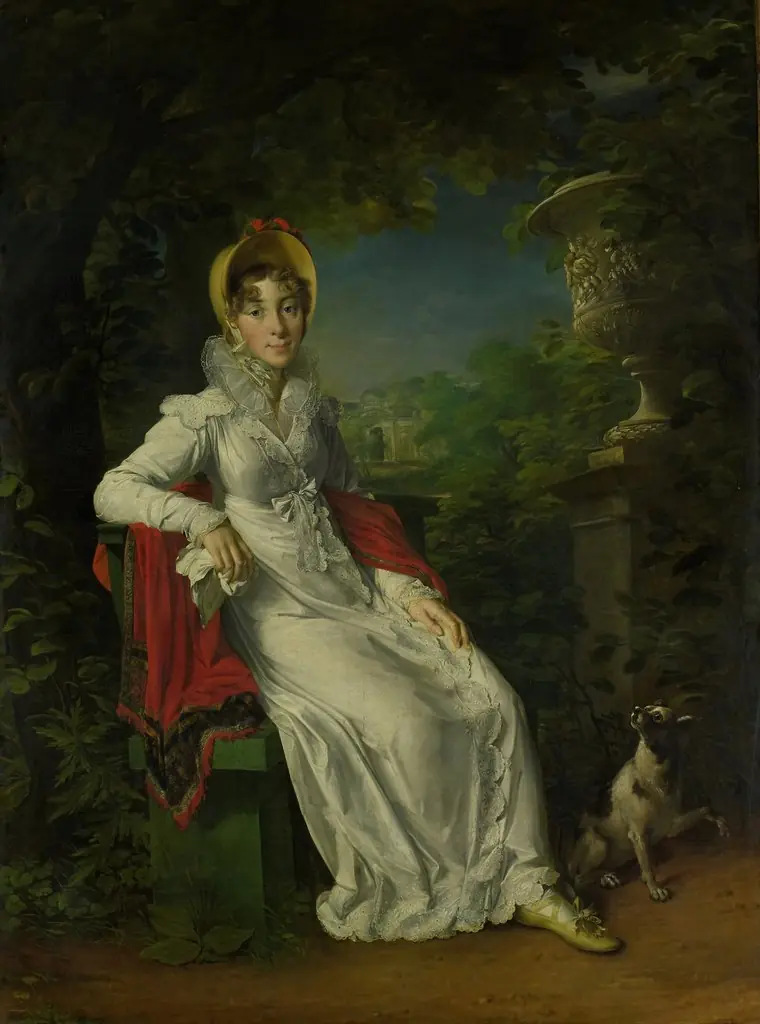 Portrait of Marie Caroline Ferdinande Louise de Naples, Wife of Charles Ferdinand, Duke de Berry, in the Park de Bagatelle in the Bois de Boulogne, Paris
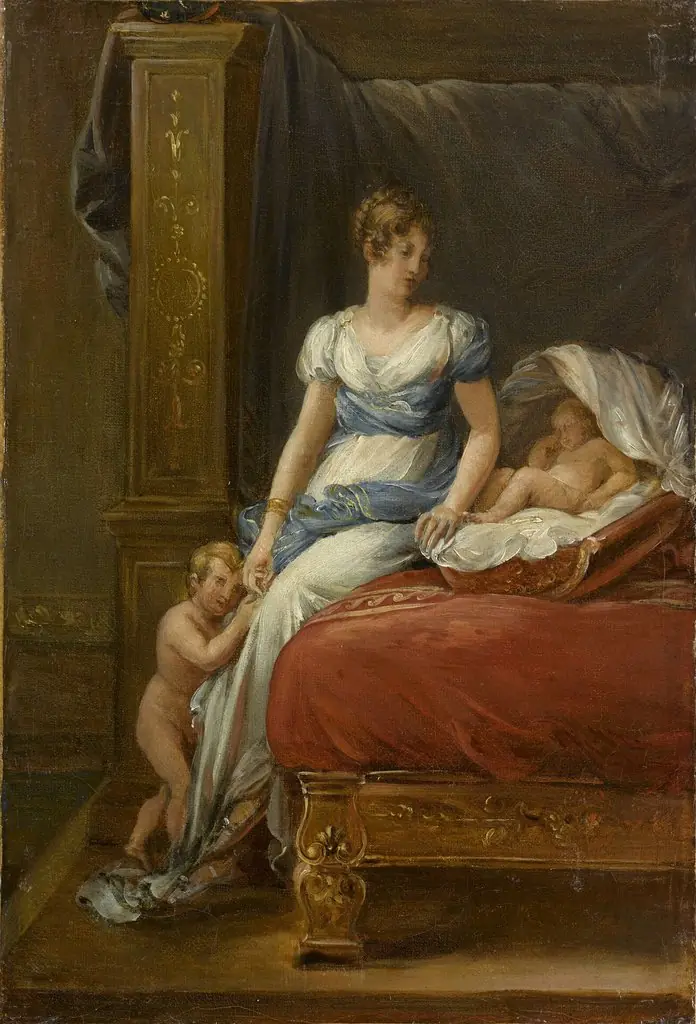 Marie-Annunciade-Caroline Bonaparte, Queen of Naples and her children
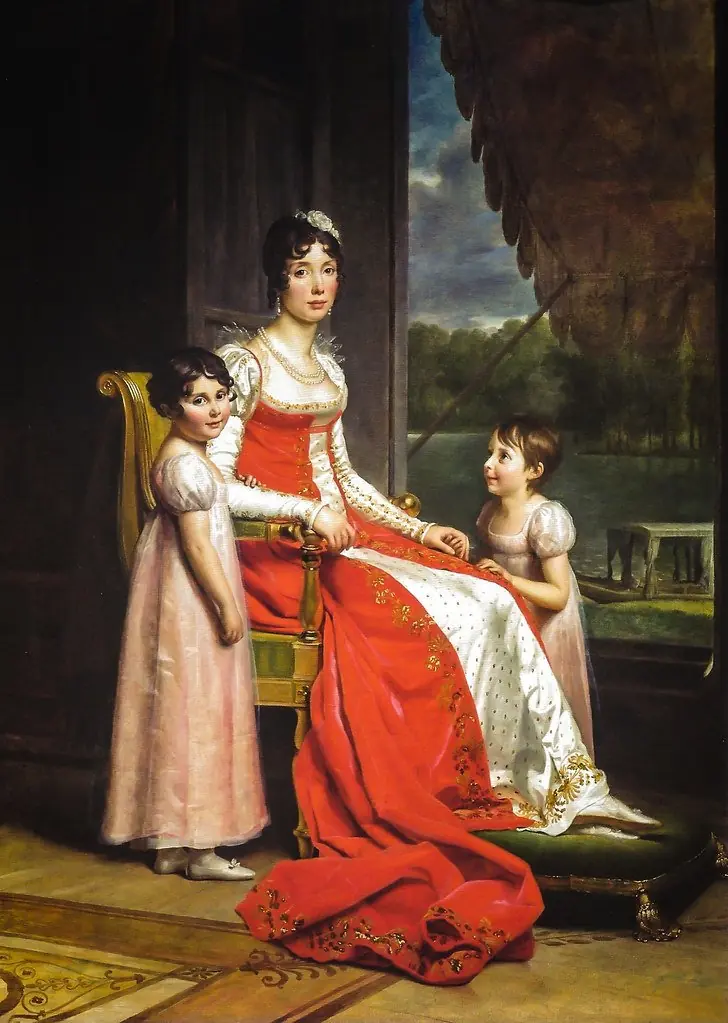 Julie Bonaparte as Queen of Spain with her Daughters, Zénaïde and Charlotte
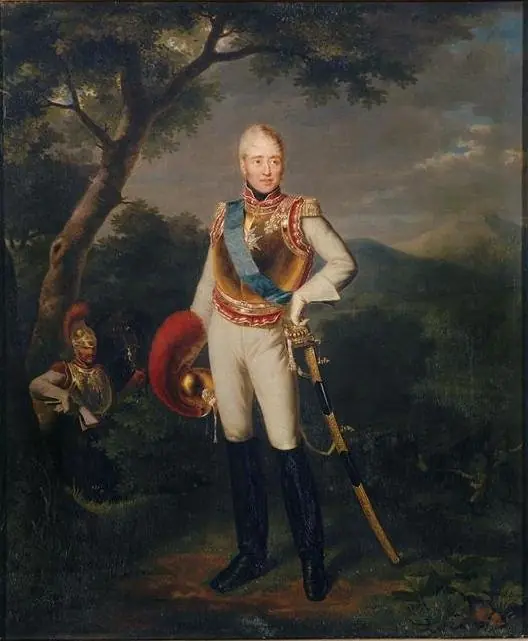 Charles X, roi de France (1757-1836), alors comte d'Artois, en uniforme de colonel-général des Carabiniers en 1818
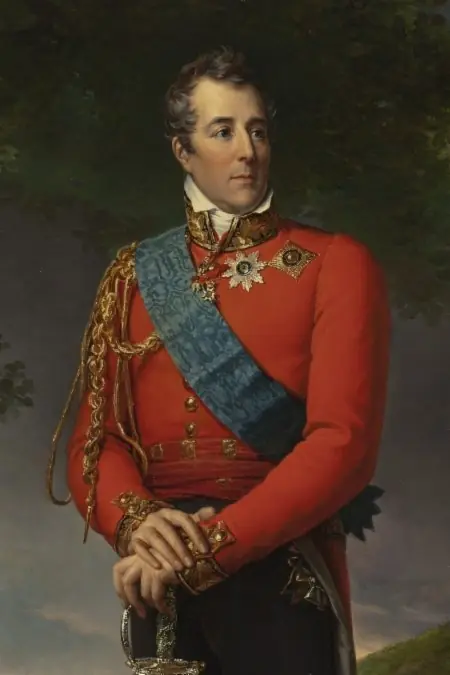 Portrait of Arthur Wellesley Wellington (1769-1852)
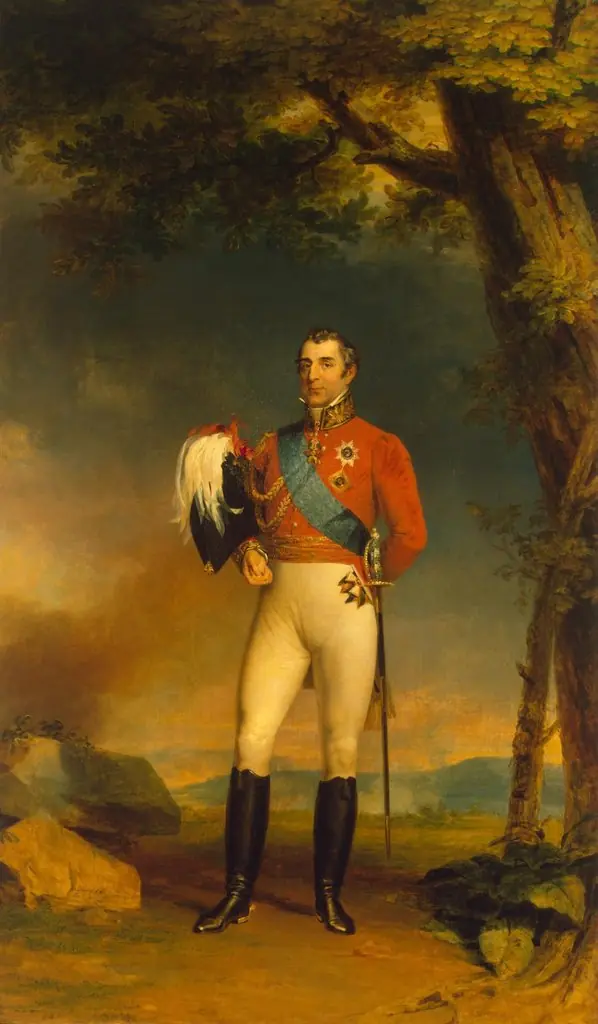 Portrait of Duke of Wellington (1769-1852)
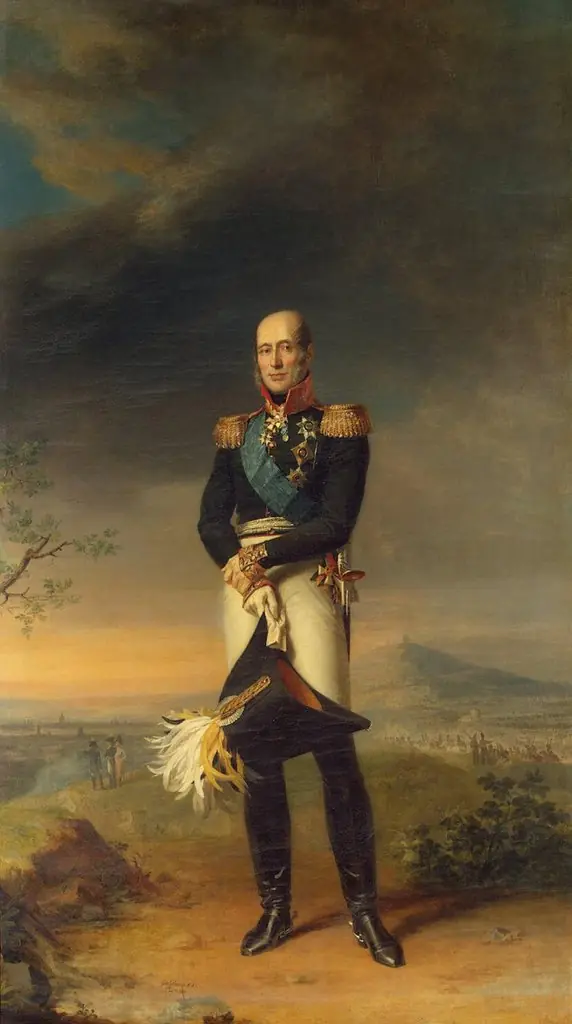 Portrait of Fieldmarshal Mikhail B. Barclay de Tolly (1761-1818)
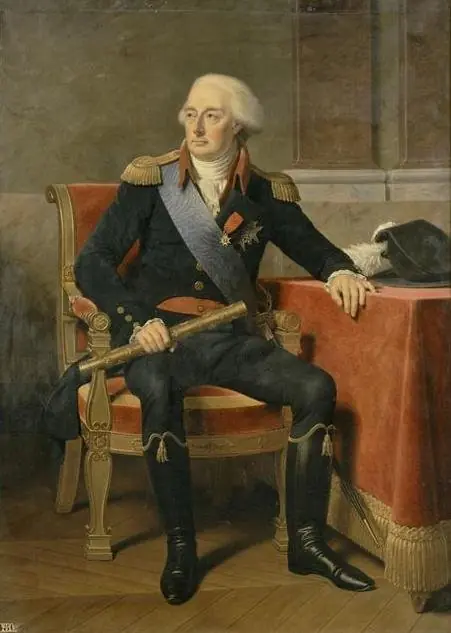 Portrait of Louis Joseph de Bourbon, Prince of Condé (1736-1818)
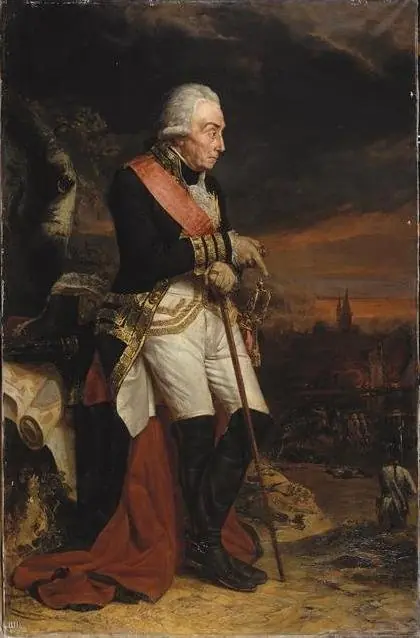 Nicolas, baron de Luckner, maréchal de France (1722-1794)
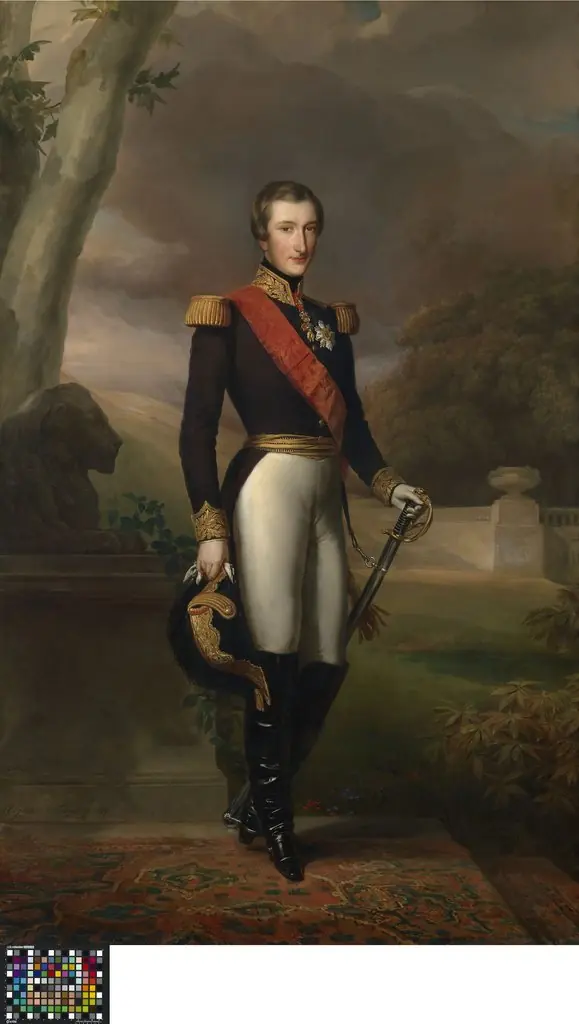 Portret van Leopold II, koning der Belgen, als hertog van Brabant
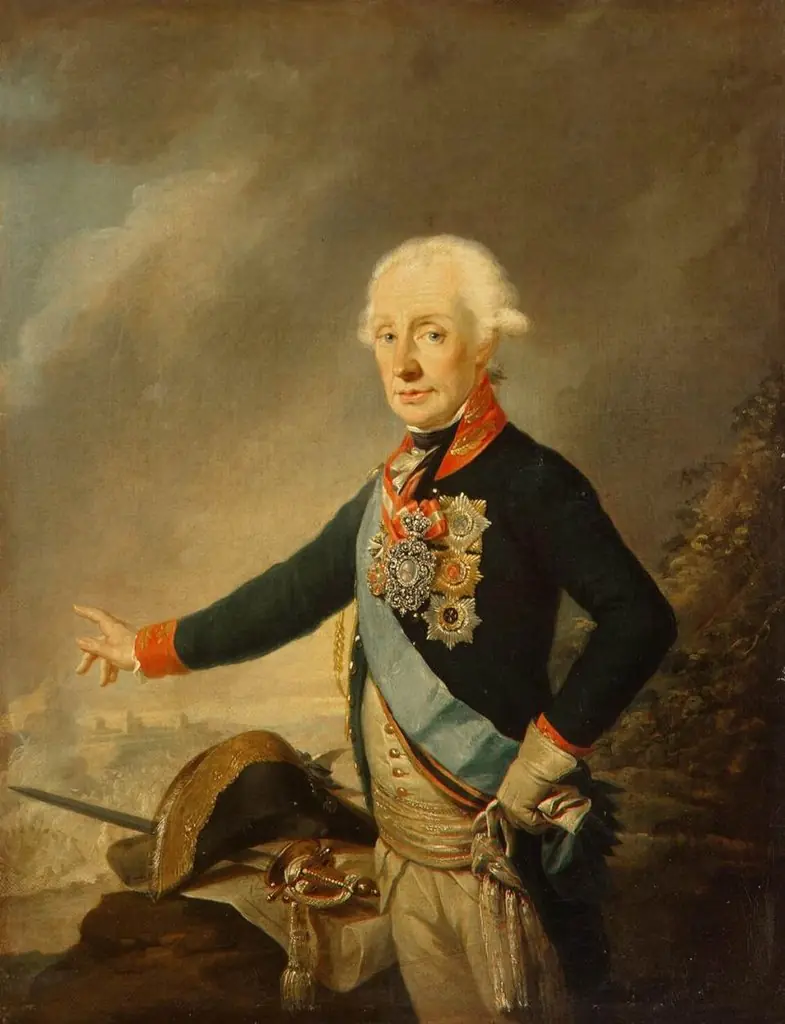 Portrait of Count Alexander Suvorov
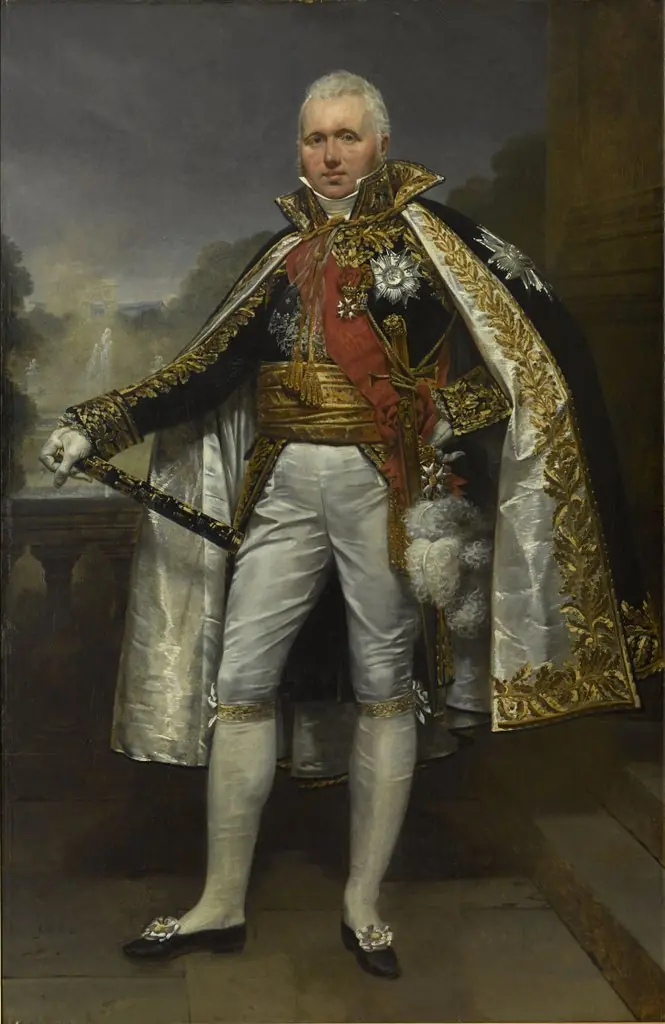 Claude-Victor Perrin, Duke of Bellune, Marshal of France
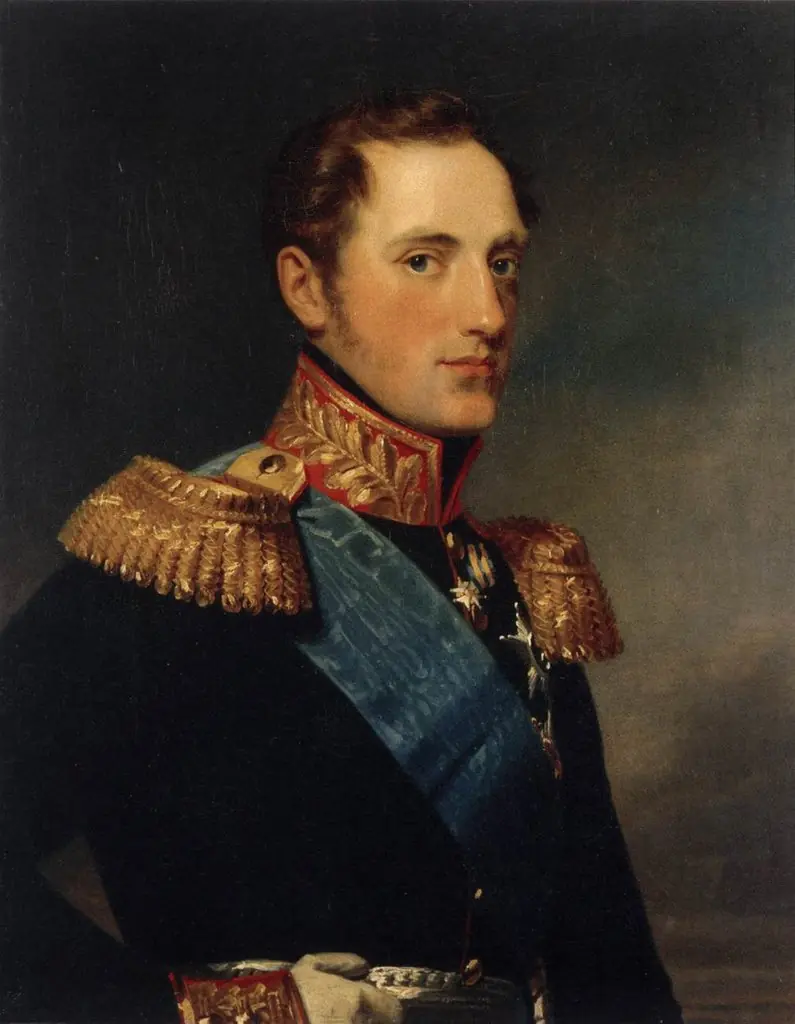 Portrait of Grand Duke Nikolay Pavlovich
 Porträt des Frederick Augustus I of Saxony (1750-1827)
 Portrait of Arthur Wellesley, later 1st Duke of Wellington