Artwork
Lord Uxbridge
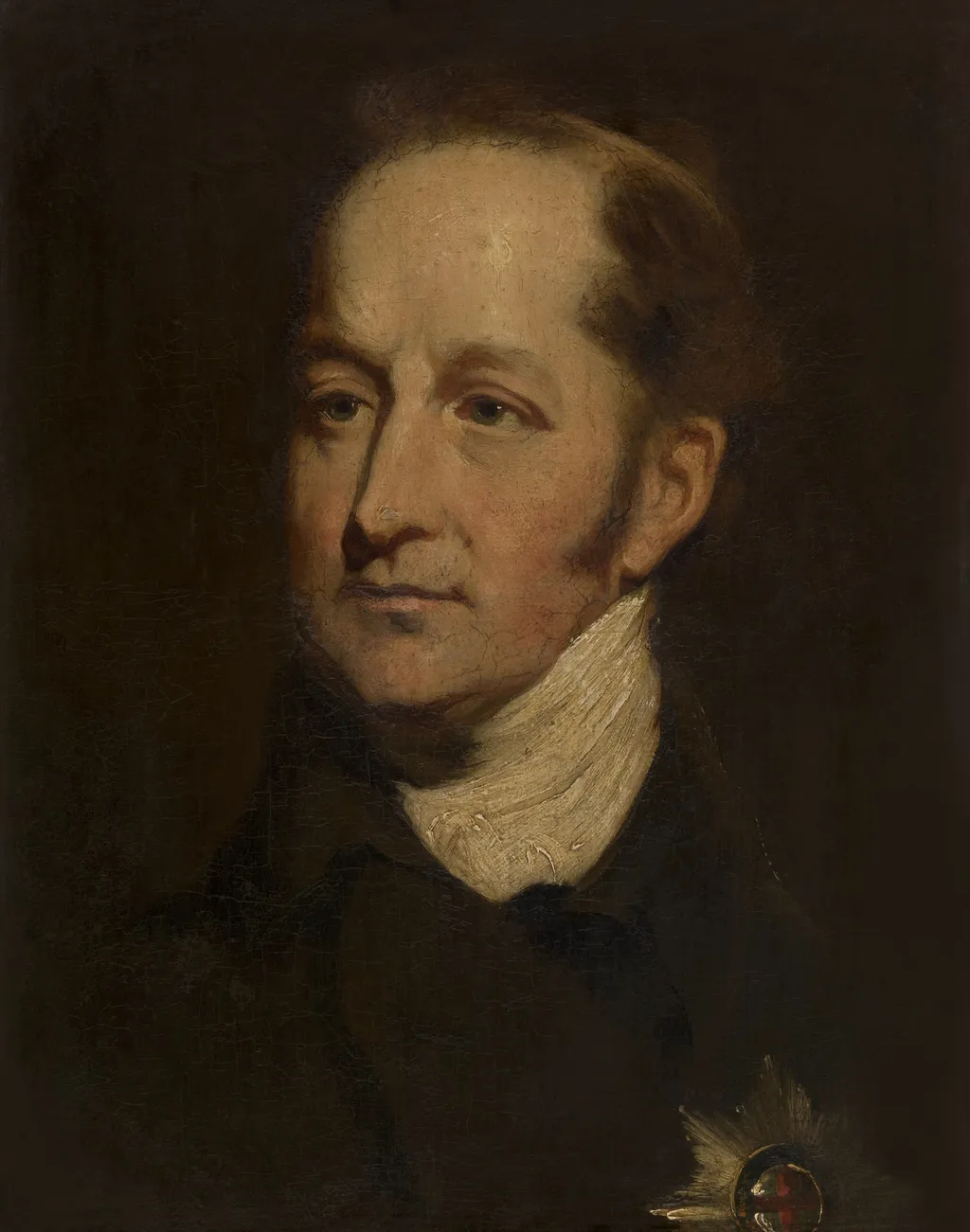
Lord Uxbridge is an oil painting by Thomas Lawrence. It dates from 1810 and is held in the collection of the Royal Museum of Fine Arts Antwerp.
About this work
Overview
The work resides in the Royal Museum of Fine Arts Antwerp, reflecting the international reach of British portraiture during the Napoleonic era.
Painted in 1810 by Thomas Lawrence, this oil portrait depicts Henry Paget, later 1st Marquess of Anglesey, known at the time as Lord Uxbridge. Lawrence, already established as a leading portraitist in early 19th-century Britain, captured the subject with a restrained elegance characteristic of his mature style. The work resides in the Royal Museum of Fine Arts Antwerp, reflecting the international reach of British portraiture during the Napoleonic era.
Subject & Meaning
The sitter, Henry Paget, was a prominent military figure and aristocrat whose later role at the Battle of Waterloo would cement his public profile. Here, portrayed before his most famous military exploits, he is rendered with quiet authority. His gaze, directed away from the viewer, suggests contemplation or vigilance, aligning with the dignified composure expected of elite British officers during a time of national conflict.
Technique & Style
Lawrence employed refined brushwork to define the texture of the dark jacket and the crisp white cravat, contrasting them against a deep, unmodulated background. Subtle modeling of light across the face creates a three-dimensional presence, while the careful rendering of the eyes adds psychological depth. The composition avoids ornamentation, focusing attention on the sitter’s expression and posture, a hallmark of Lawrence’s mature portraiture.
History & Provenance
Commissioned during Lawrence’s peak years as a society portraitist, the painting entered the collection of the Royal Museum of Fine Arts Antwerp in the 19th century, likely through private acquisition or diplomatic exchange. Its presence in Belgium underscores the transnational circulation of British portraiture among European collectors, particularly those with ties to aristocratic or military circles.
Context
Created during the height of the Napoleonic Wars, the portrait reflects the cultural importance of military leadership in British identity. Lawrence’s clientele included many officers and nobles whose status was tied to national service. The restrained tone of the image contrasts with more flamboyant military portraits of the period, emphasizing dignity over spectacle in a time of prolonged conflict.
Legacy
Though less widely known than Lawrence’s later royal portraits, this work exemplifies his skill in conveying character through understated realism. It remains a key example of early 19th-century British portraiture outside the royal court, illustrating how aristocratic identity was visually constructed during a transformative period in European history.
Own this work as a print
Artist & collection
Artist
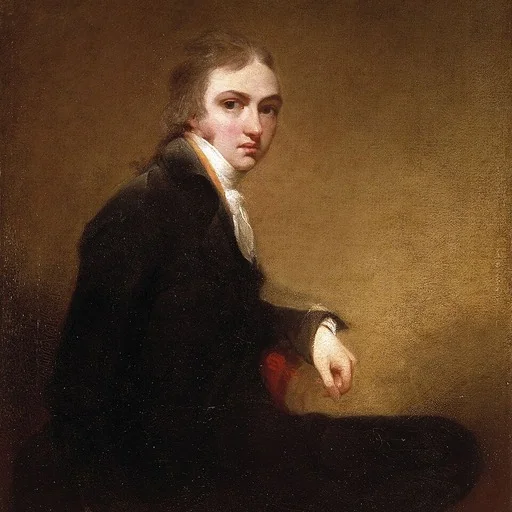
Sir Thomas Lawrence (13 April 1769 – 7 January 1830) was an English painter who served as the fourth president of the Royal Academy.

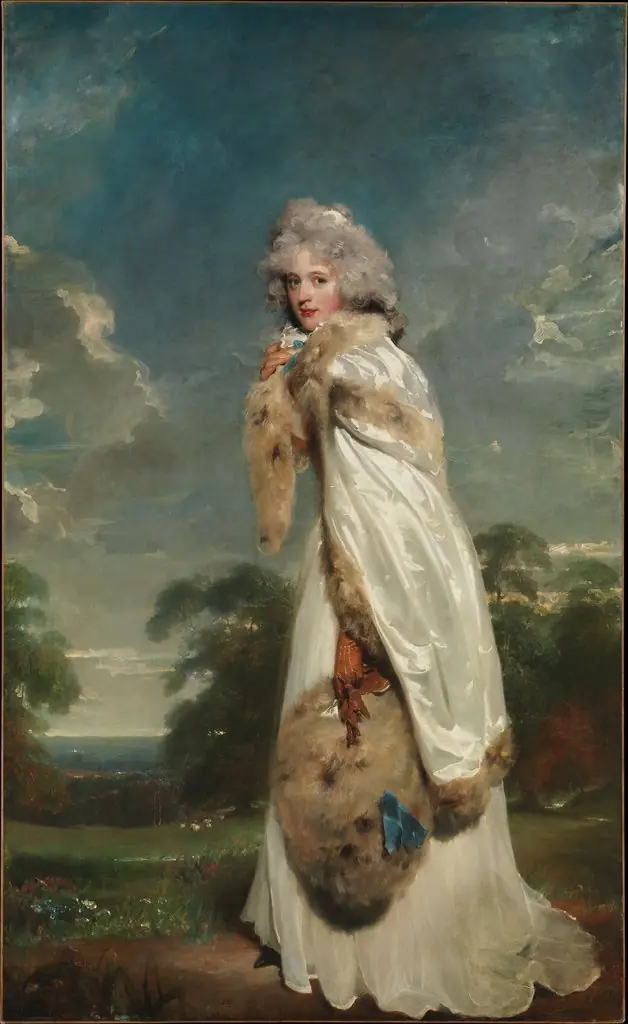 Elizabeth Farren (born about 1759, died 1829), Later Countess of Derby
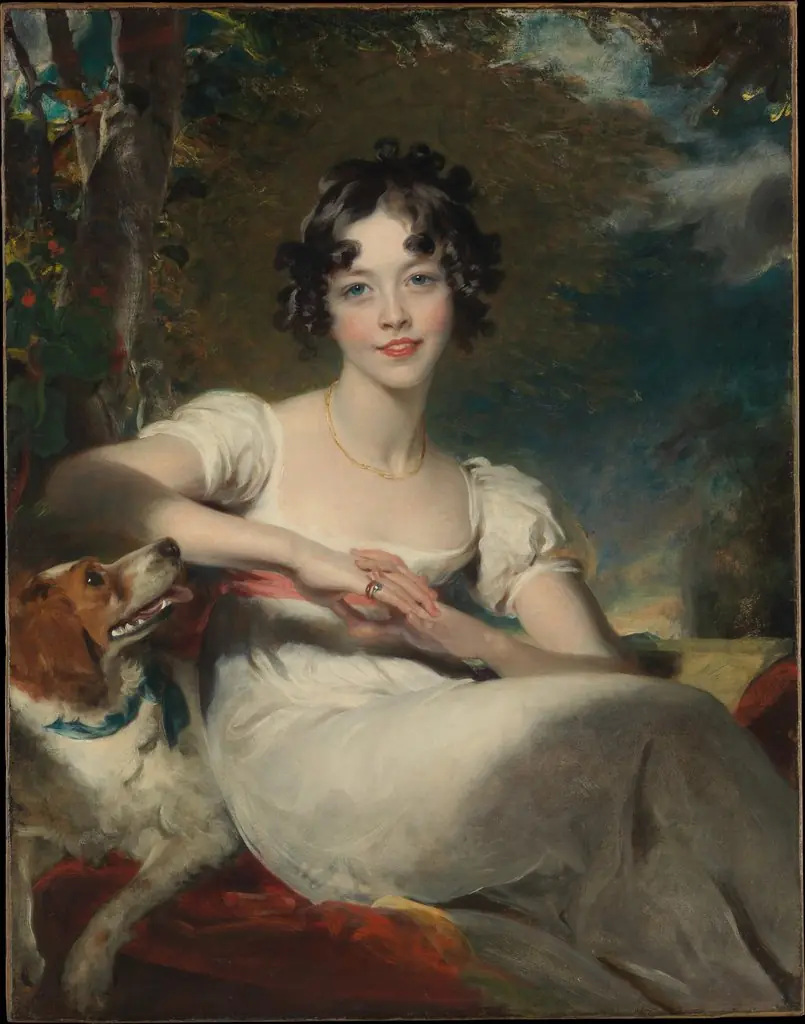 Lady Maria Conyngham (died 1843)
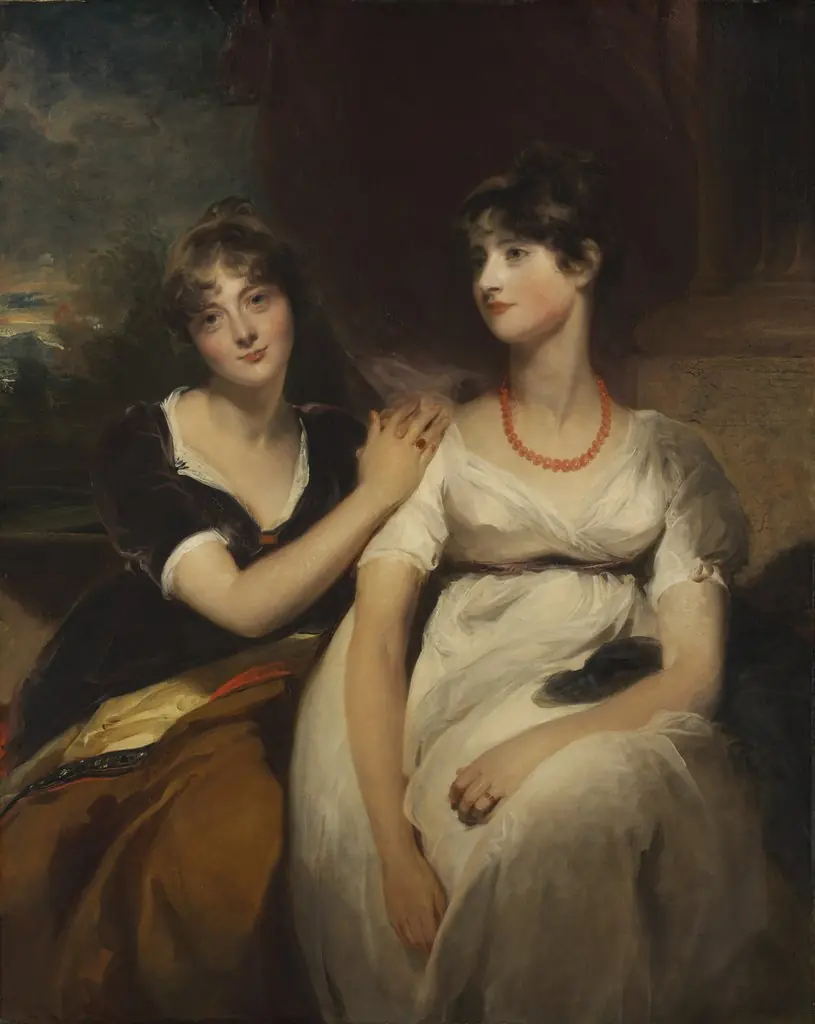 Portrait of Charlotte and Sarah Carteret-Hardy
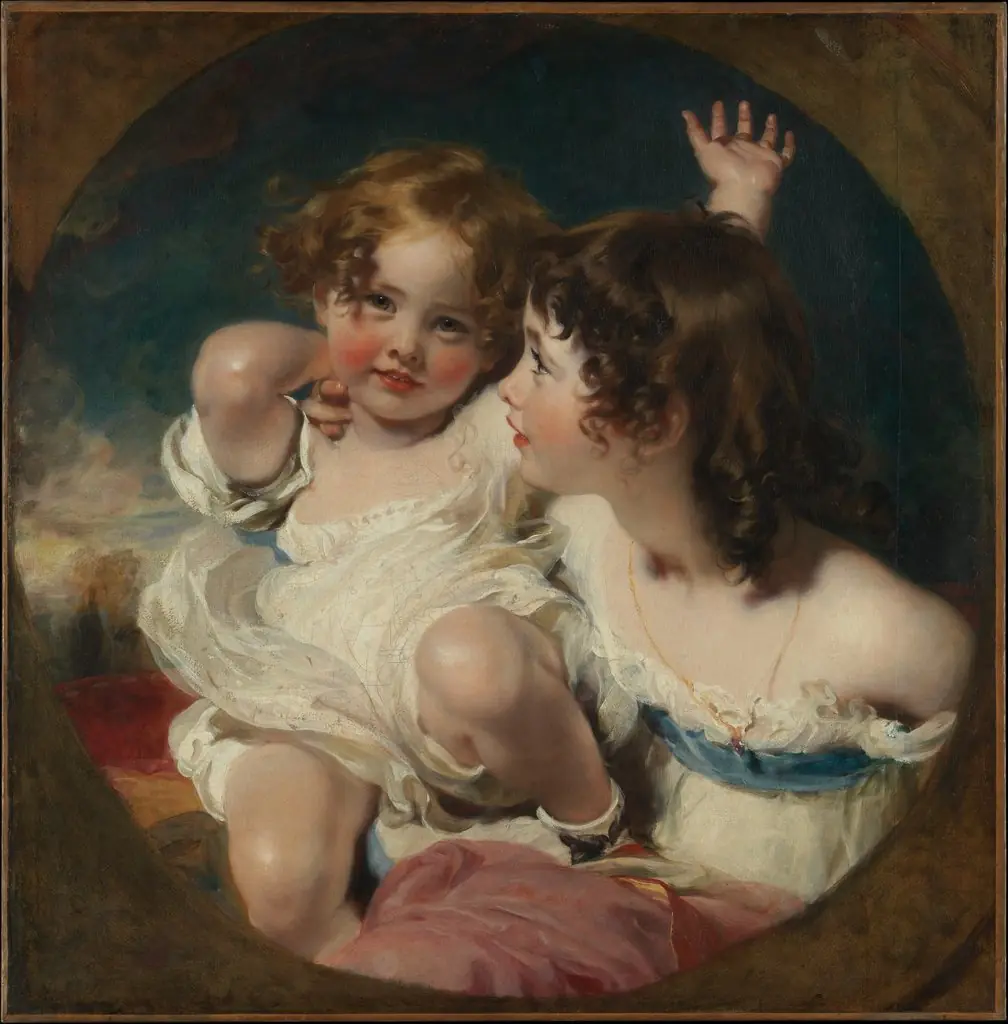 The Calmady Children (Emily, 1818–?1906, and Laura Anne, 1820–1894)
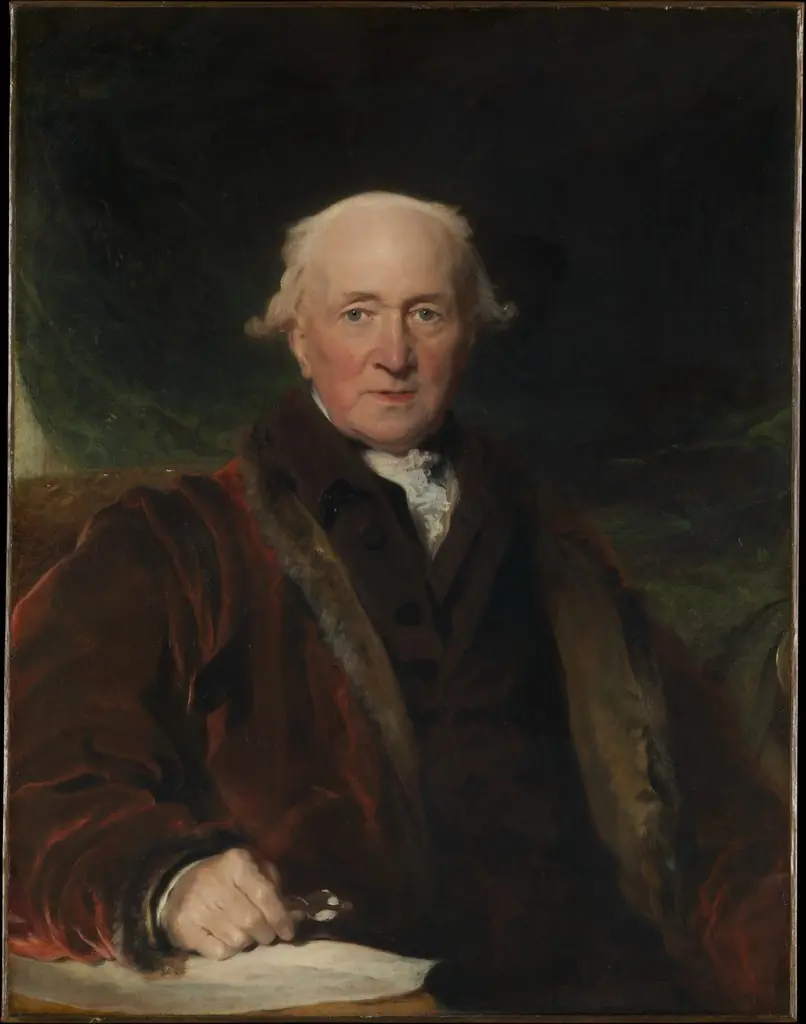 John Julius Angerstein (1736–1823)
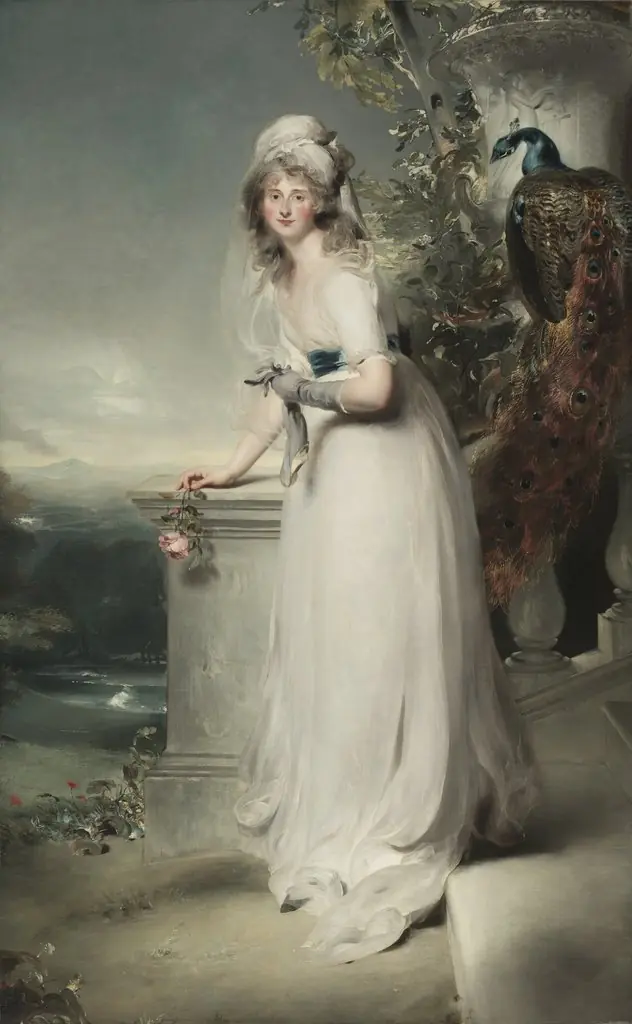 Portrait of Catherine Grey, Lady Manners
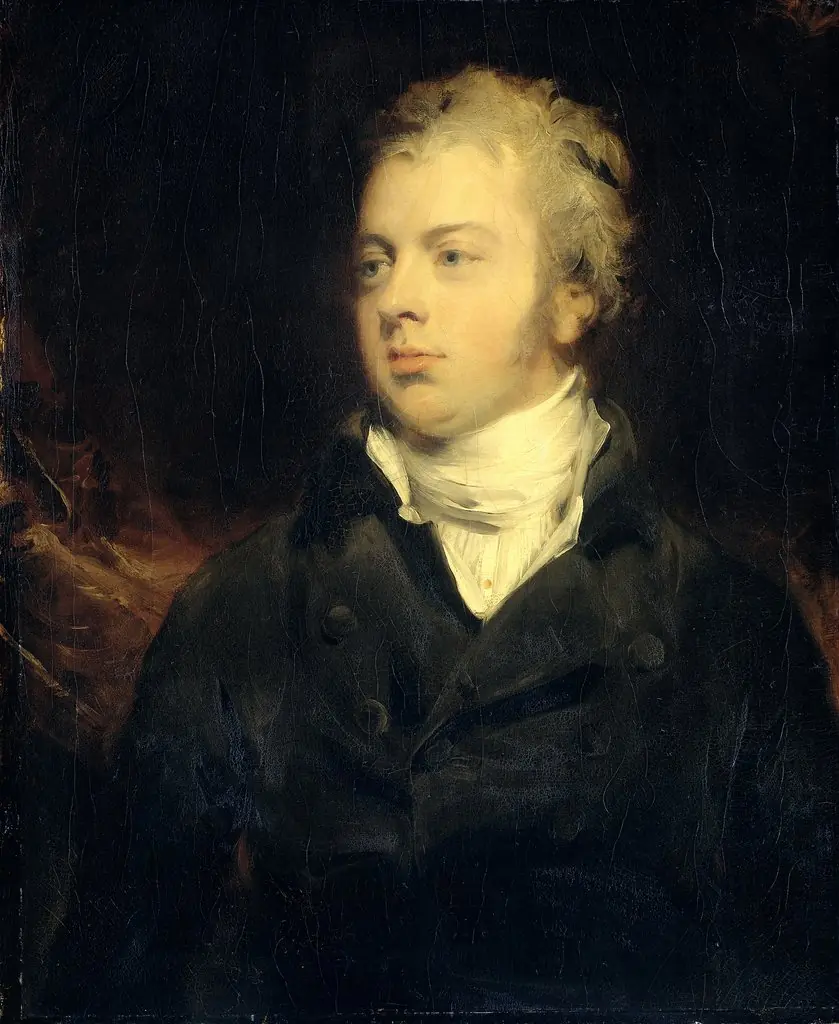 Portrait of Willem Ferdinand Mogge Muilman, President of the Dutch Central Bank
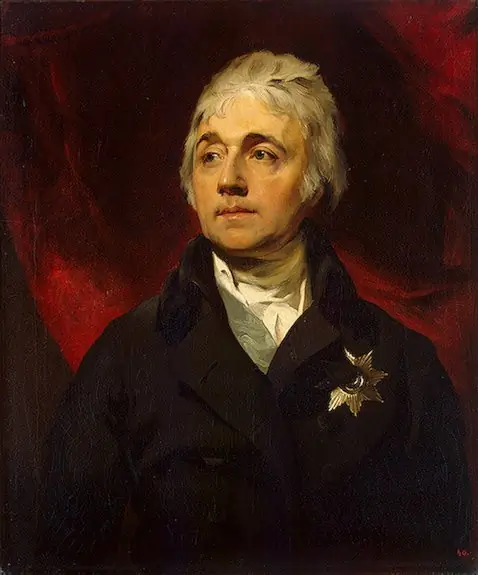 Portrait of Count Semyon Vorontsov (1744-1832)
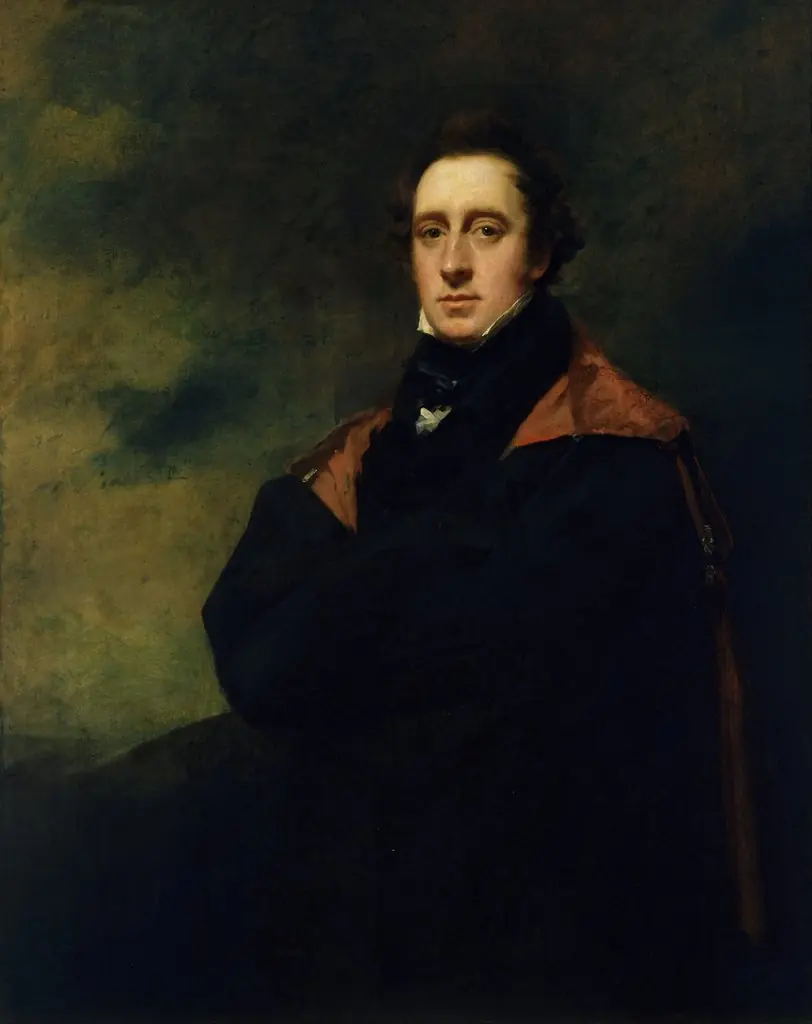 Andrew Spottiswoode
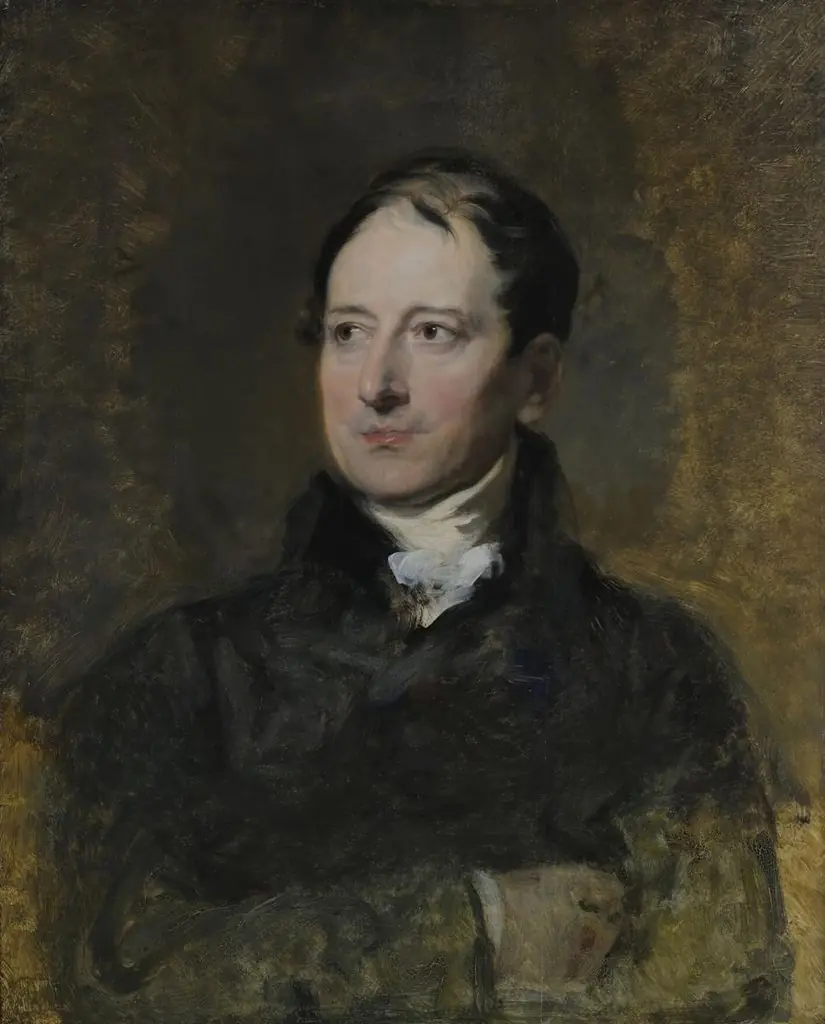 François, baron Gérard, painter (1770–1837)
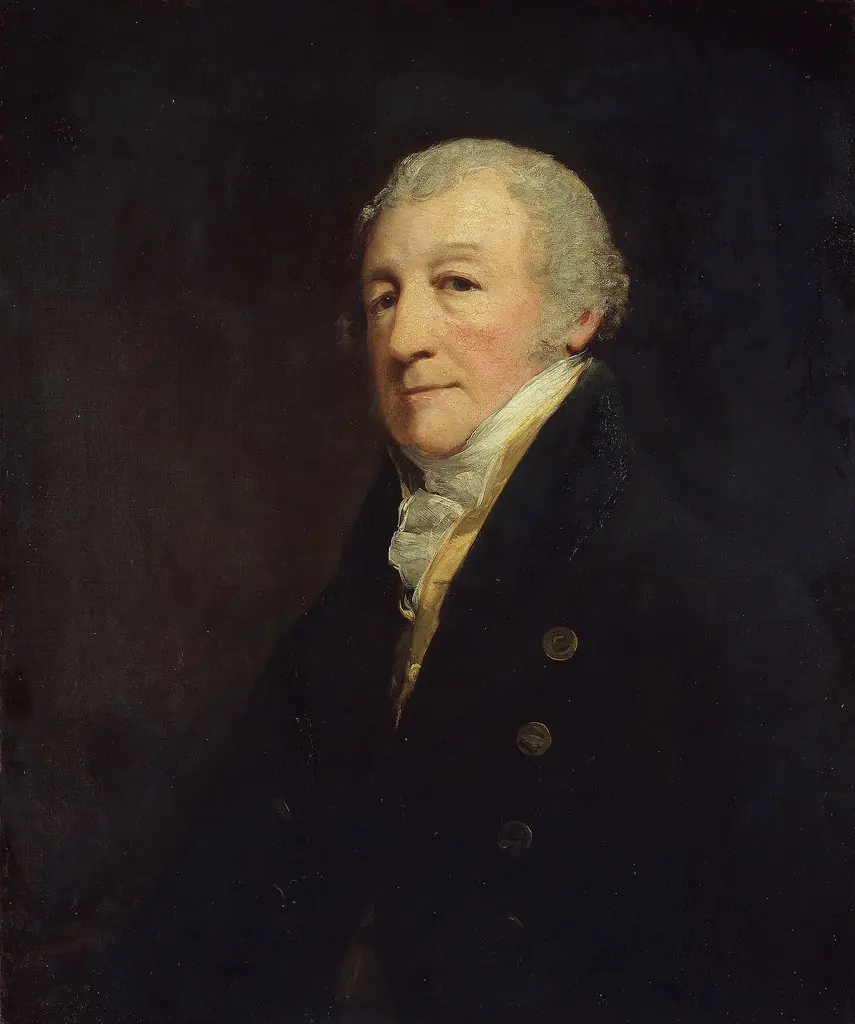 Portrait of the Artist
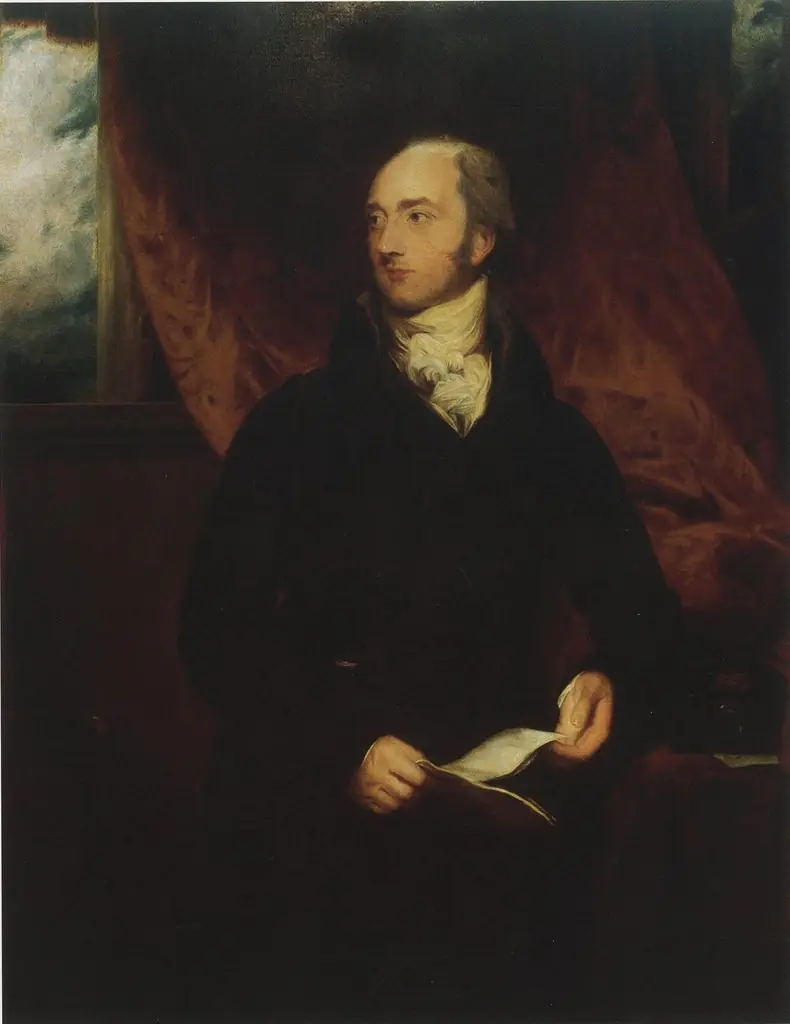 Portrait of George Canning
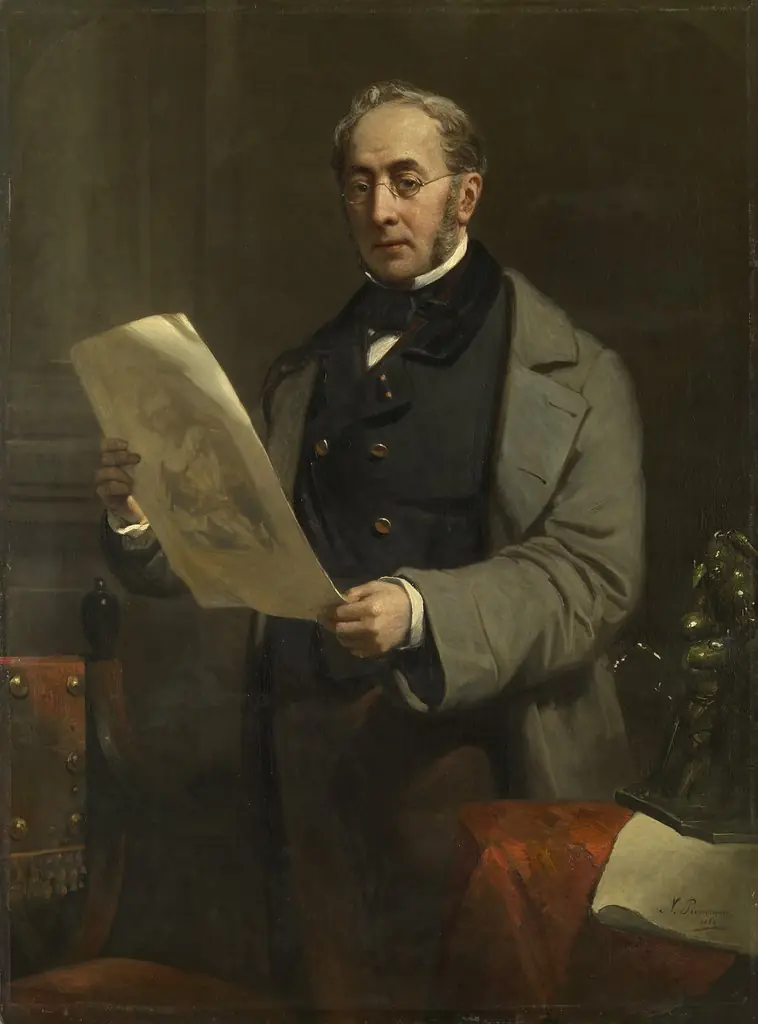 Portrait of Jacob de Vos Jacobszoon (1803-1878). Amsterdam Art Collector and Owner of the Historical Gallery De Vos
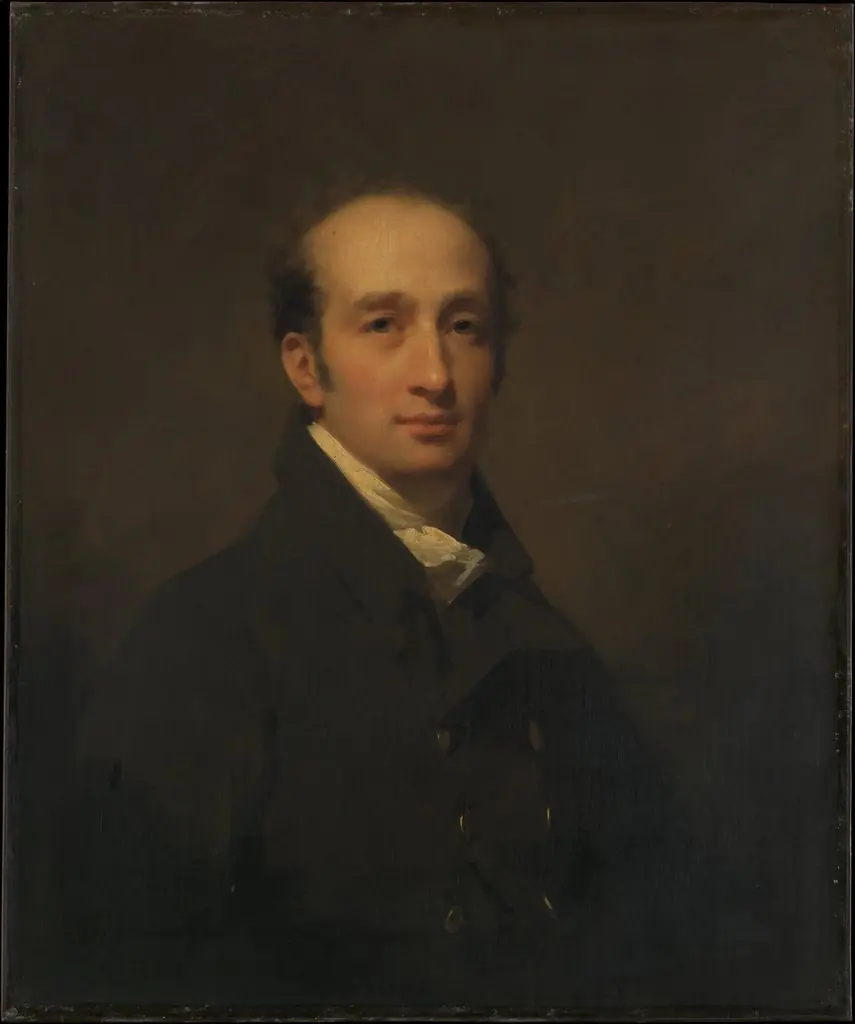 Alexander Maconochie (1777–1861) of Meadowbank
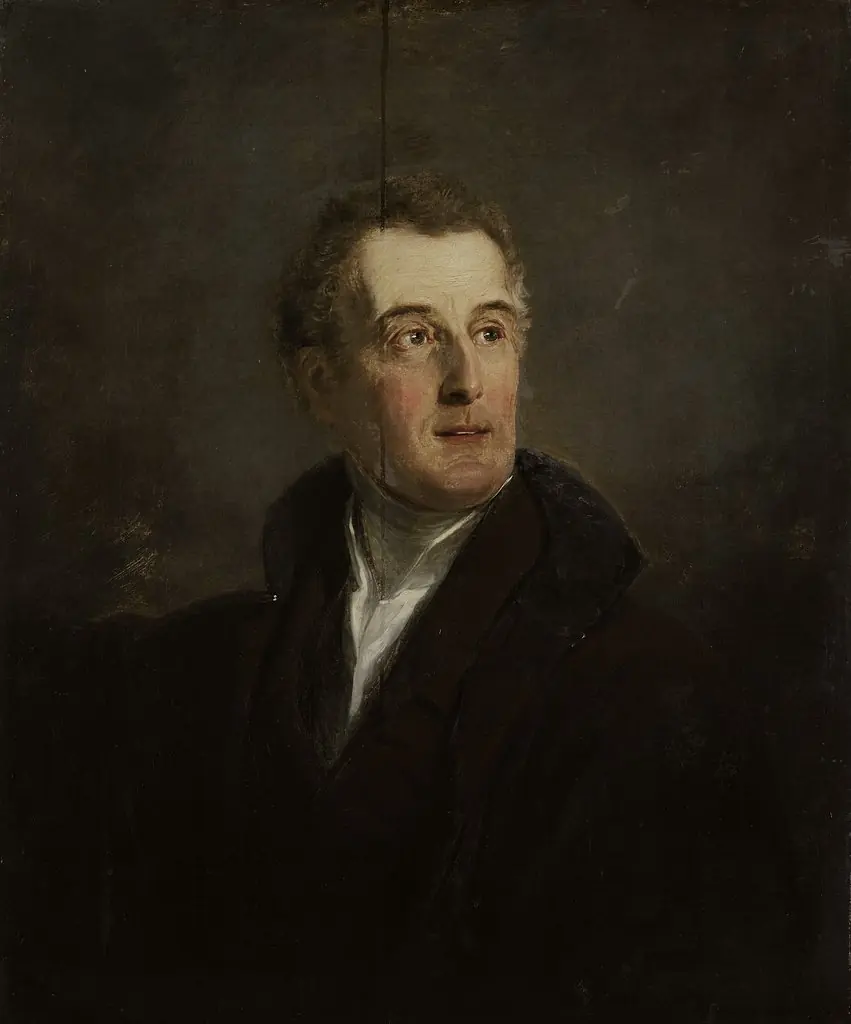 Portrait of Arthur Wellesley, Duke of Wellington (1769-1852)
 H Beard Print Collection
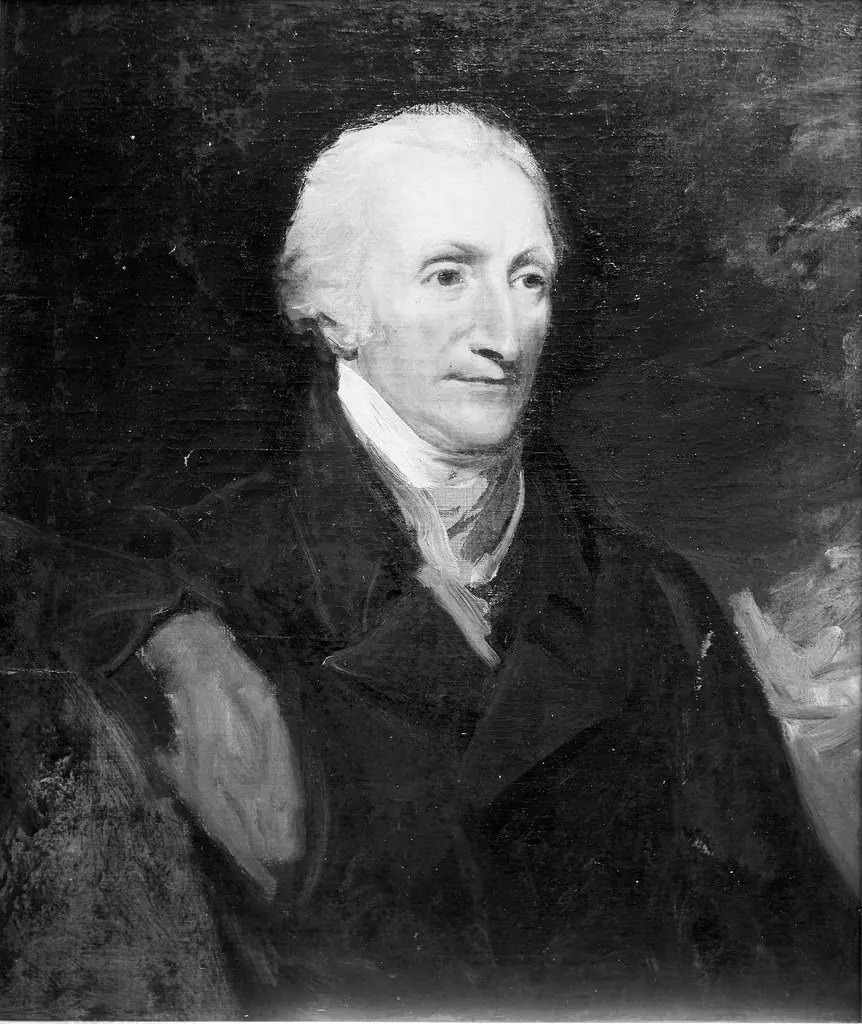 Portrait of a Gentleman
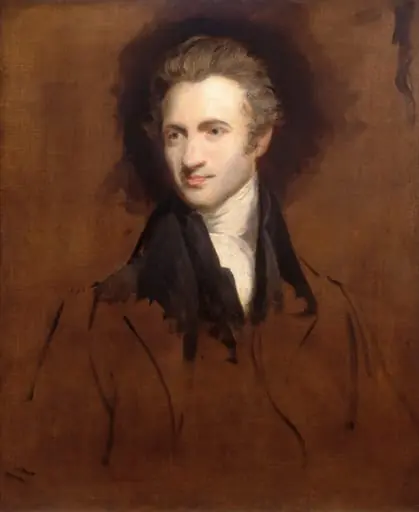 Portrait of a Gentleman