Artwork
Winter in the Rockies
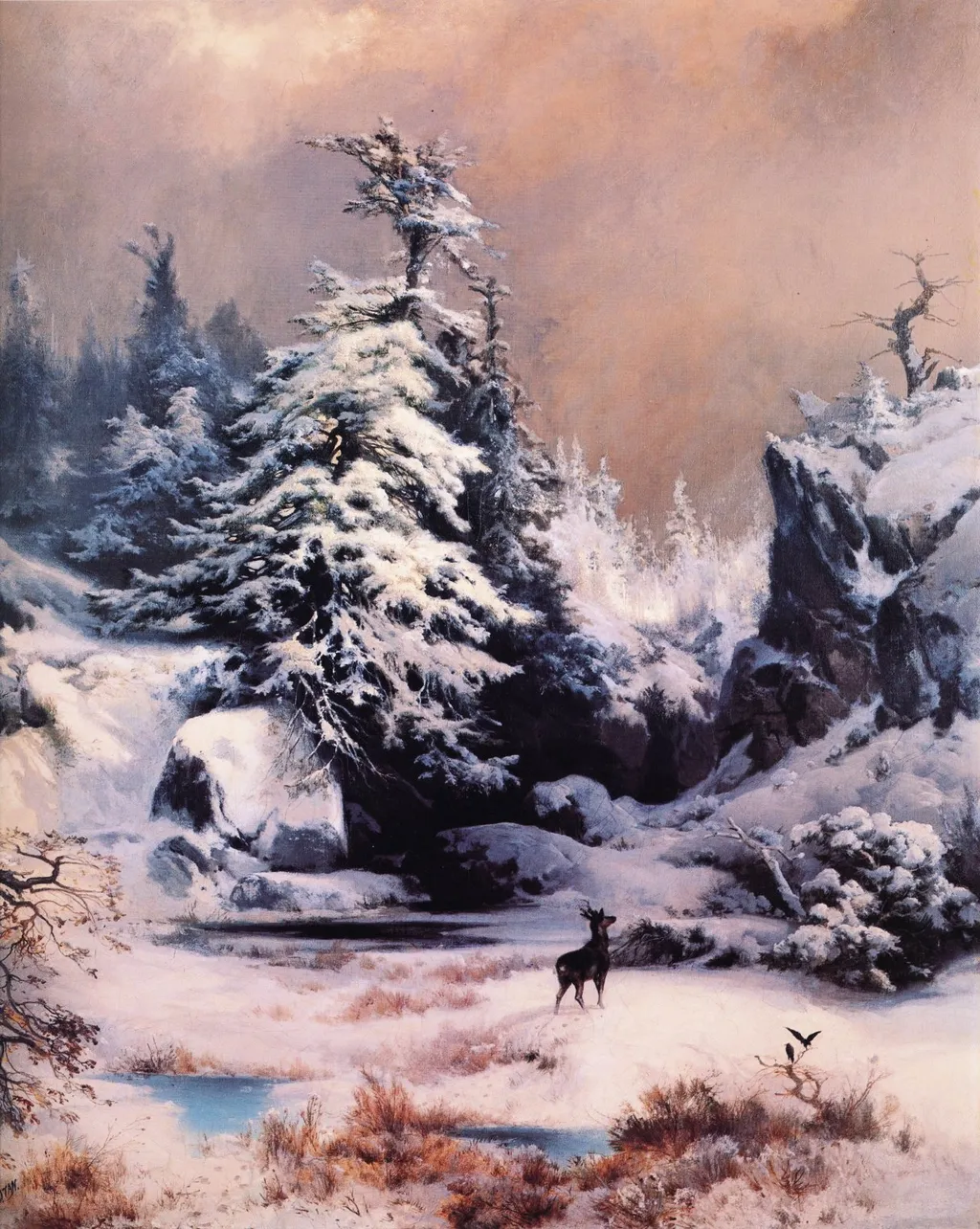
Winter in the Rockies is an oil painting by the Hudson River School artist Thomas Moran. It dates from 1867 and is held in the collection of the Kimbell Art Museum.
About this work
Overview
Thomas Moran painted *Winter in the Rockies* in 1867, capturing a quiet moment in the mountainous terrain of the American West.
Thomas Moran painted *Winter in the Rockies* in 1867, capturing a quiet moment in the mountainous terrain of the American West. Though associated with the Hudson River School, this work diverges from the grandeur typical of the movement, focusing instead on the subdued stillness of a winter day. Moran, based in New York and active as a magazine illustrator, brought a keen eye for natural detail to his landscapes, informed by both observation and artistic convention.
Subject & Meaning
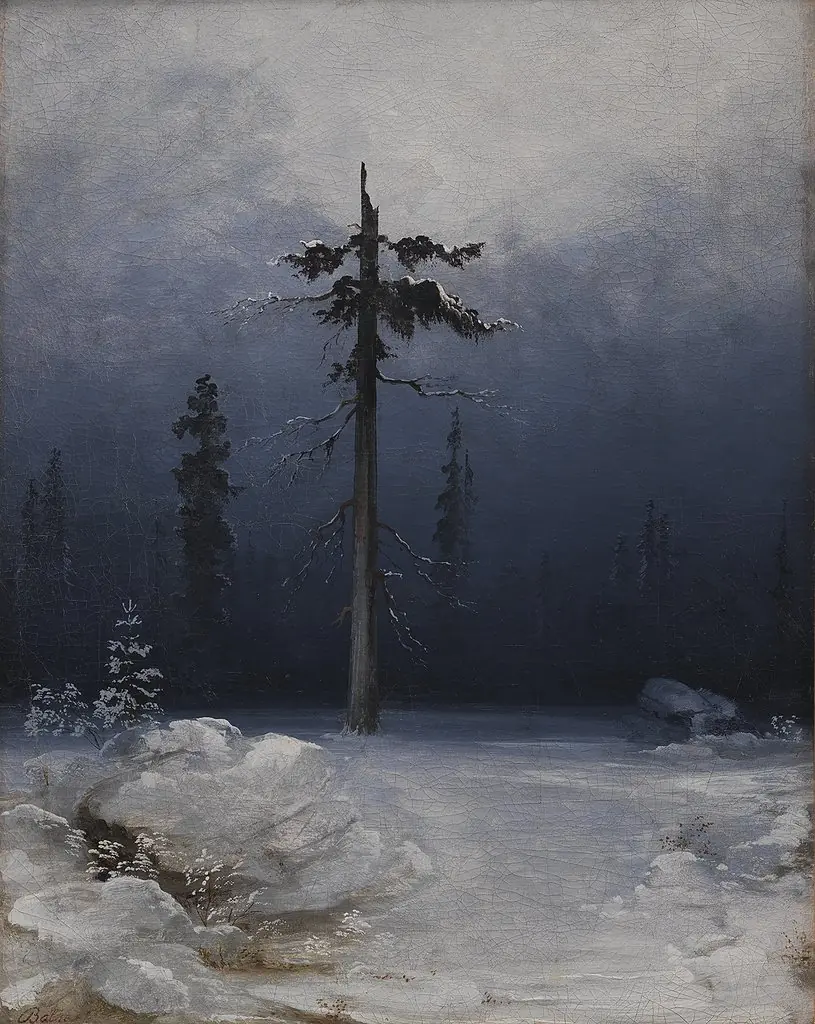
The painting centers on a solitary deer standing in a snow-laden clearing, framed by frost-covered evergreens and a distant, mist-shrouded ridge. A narrow stretch of frozen water reflects the pale sky, reinforcing the scene’s quietude. The absence of human presence and the gentle lighting suggest an untouched, contemplative wilderness. Rather than emphasizing drama or scale, Moran evokes a sense of solitude and seasonal transition, aligning with 19th-century ideals of nature as a refuge from industrialization.
Technique & Style
Moran employed soft, layered brushwork to render snow, mist, and tree bark with subtle texture. The sky’s warm, hazy orange hues contrast delicately with the cool grays and blues of the snow and rock, creating a sense of atmospheric depth. His use of light suggests dawn or dusk, enhancing the painting’s tranquil mood. While influenced by luminist techniques, his approach remains restrained, prioritizing harmony over theatrical effect, a hallmark of his illustrative background.
History & Provenance
Created during Moran’s early career, *Winter in the Rockies* predates his more famous expeditions to Yellowstone. It reflects his growing interest in Western landscapes, fueled by his role as chief illustrator for *Scribner’s Monthly*, where he reproduced sketches from field trips. The painting likely originated from memory or preliminary studies rather than direct on-site work, placing it among his transitional pieces that bridge his illustrative practice with later, larger-scale oil paintings of the West.
Context
In the late 1860s, American artists and audiences were increasingly drawn to the uncharted West, spurred by government surveys and expanding railroads. Moran’s work contributed to a visual culture that framed the Rockies as both beautiful and accessible. Though not as monumental as his later works, this painting reflects a broader cultural shift toward valuing intimate, quiet natural scenes as counterpoints to urban growth and industrial change.
Legacy
While less celebrated than Moran’s Yellowstone series, *Winter in the Rockies* exemplifies his ability to convey mood through color and composition. It influenced later landscape painters who favored subdued tones and atmospheric effects over dramatic vistas. The painting remains a quiet testament to his early exploration of Western themes and his role in shaping a visual language for the American wilderness during a formative period in national identity.
Own this work as a print
Artist & collection
Artist
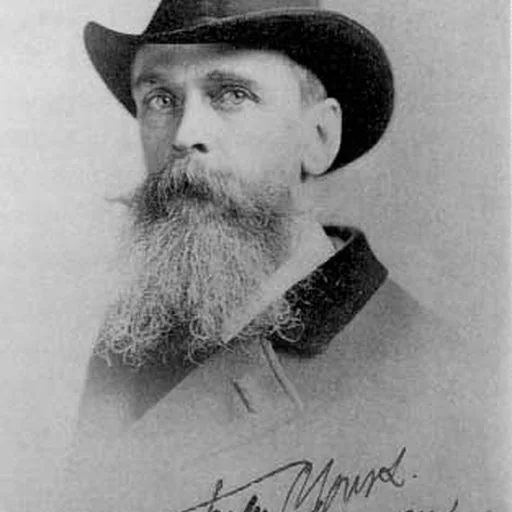
Thomas Moran (February 12, 1837 – August 25, 1926) was an American painter and printmaker of the Hudson River School in New York whose work often featured the Rocky Mountains.

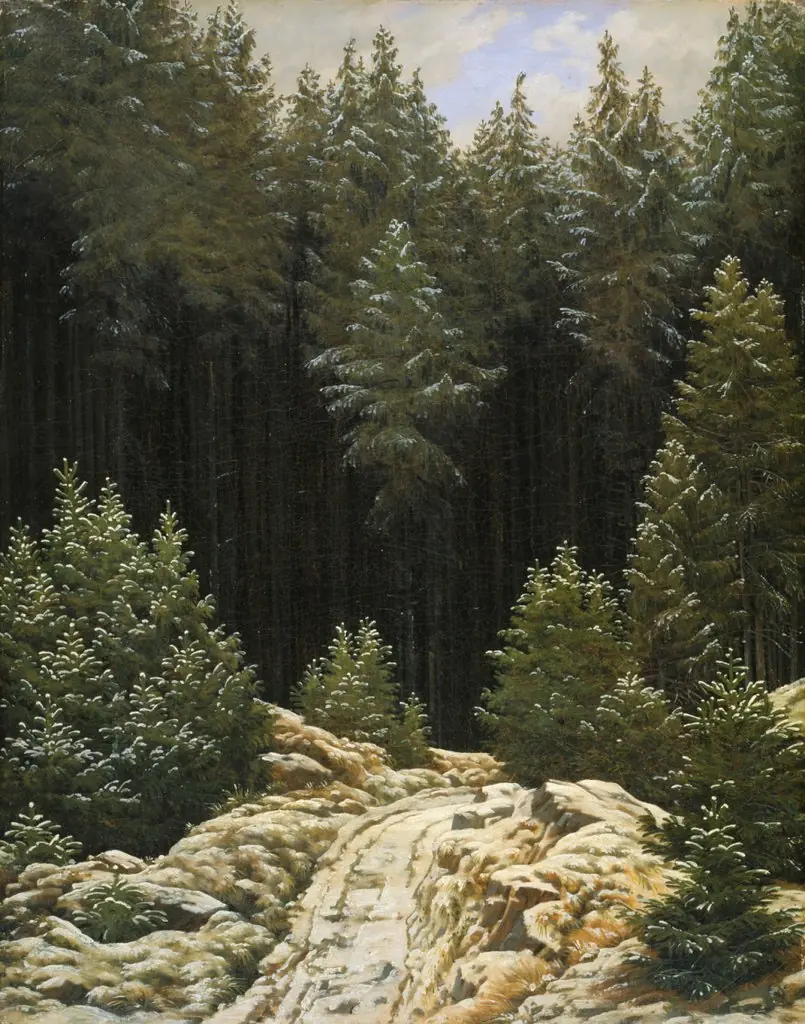 Early Snow
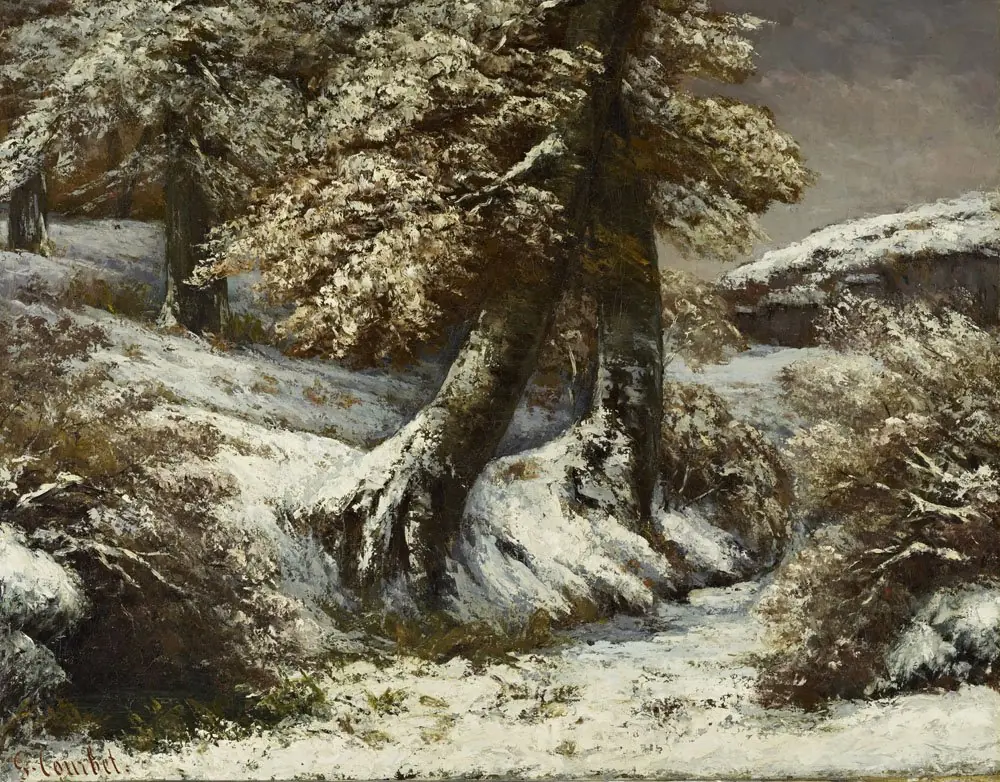 Trees in the Snow
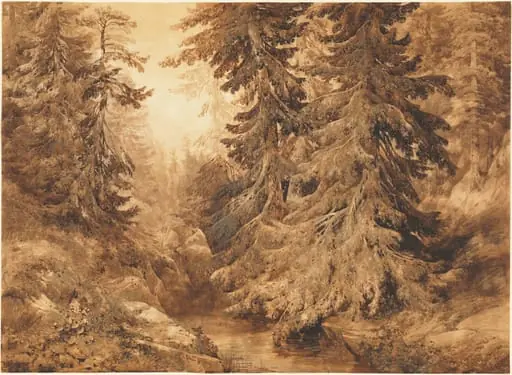 An Ancient Pine Forest with a Mountain Stream
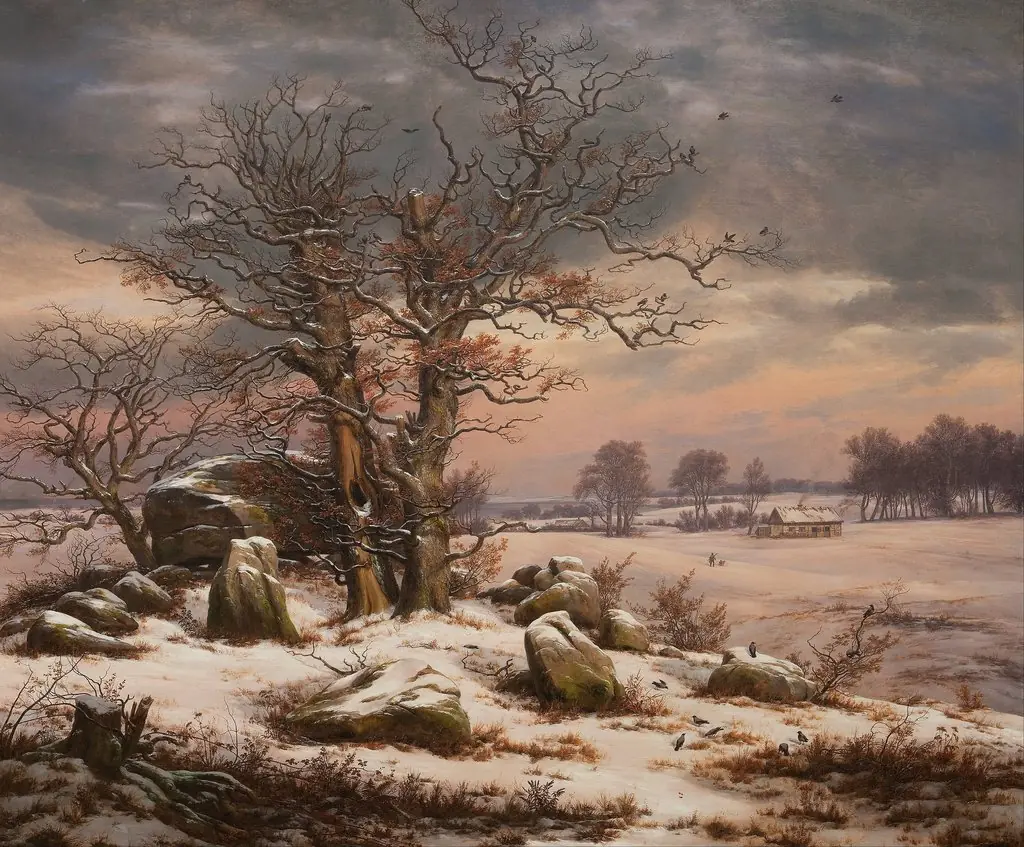 Winter Landscape near Vordingborg, Denmark
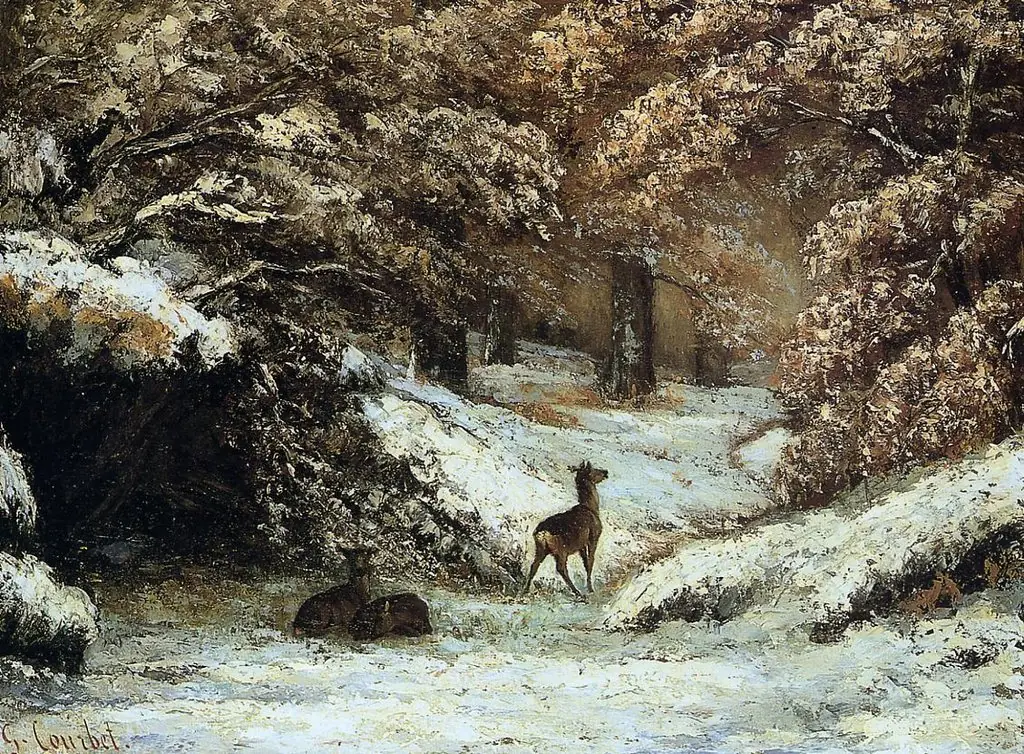 La Remise des chevreuils en hiver
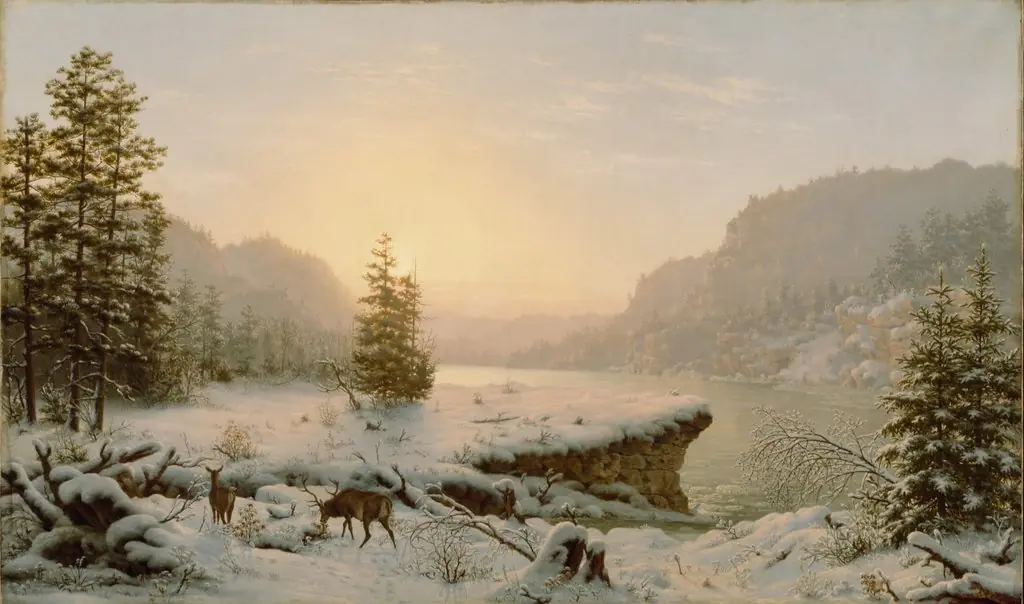 Winter Landscape
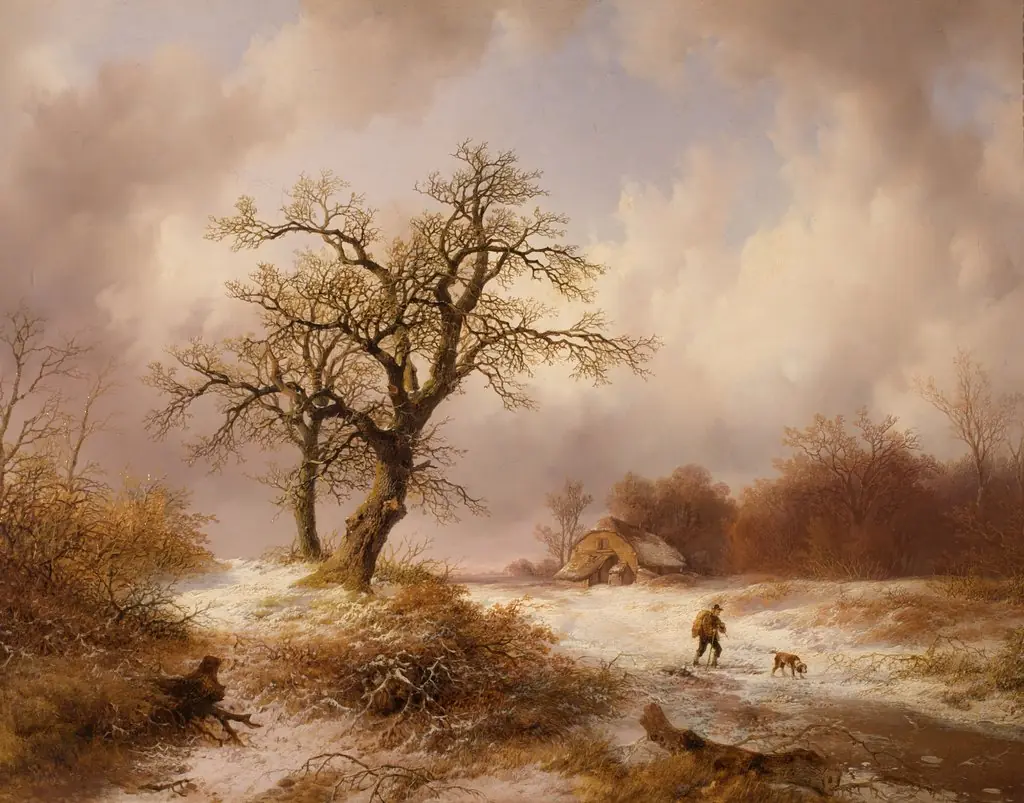 Winterlandschaft
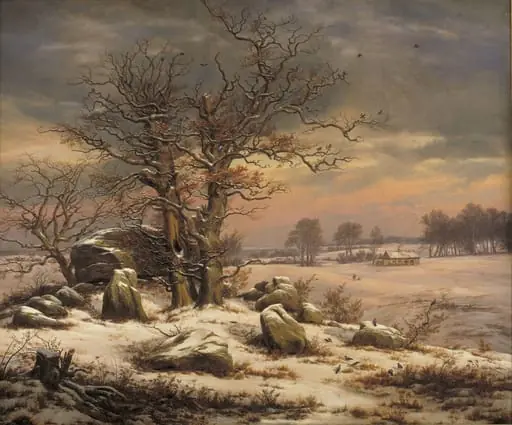 Winter Landscape near Vordingborg, Denmark
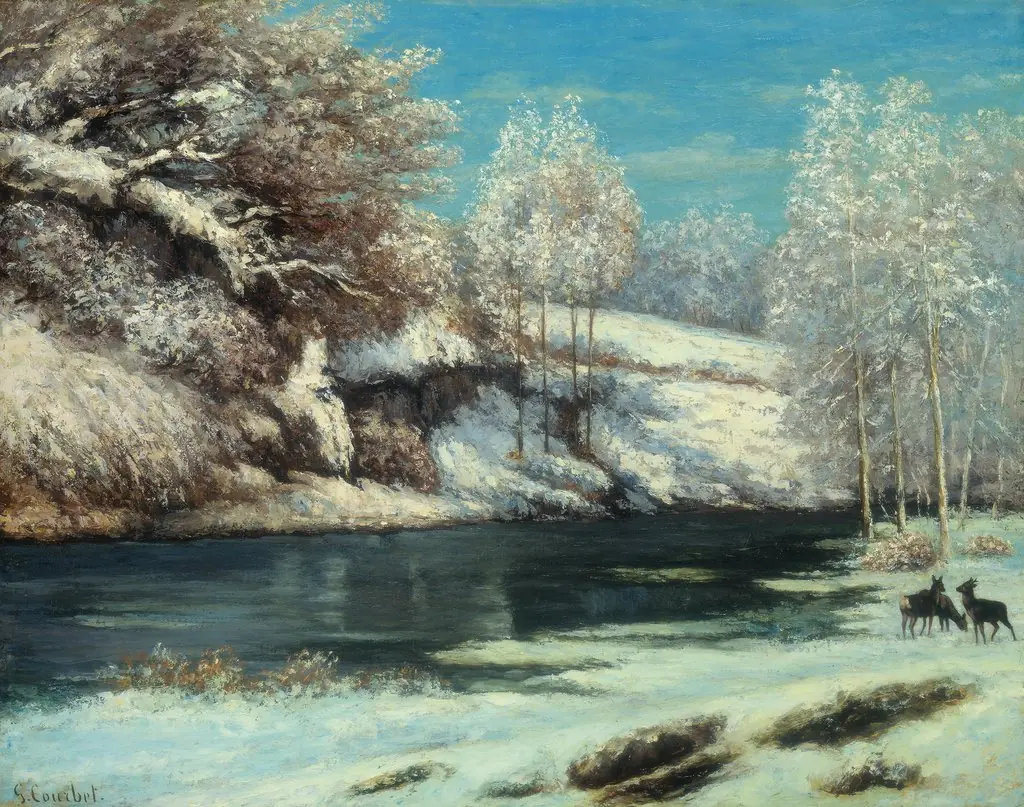 Winter Landscape with Deer
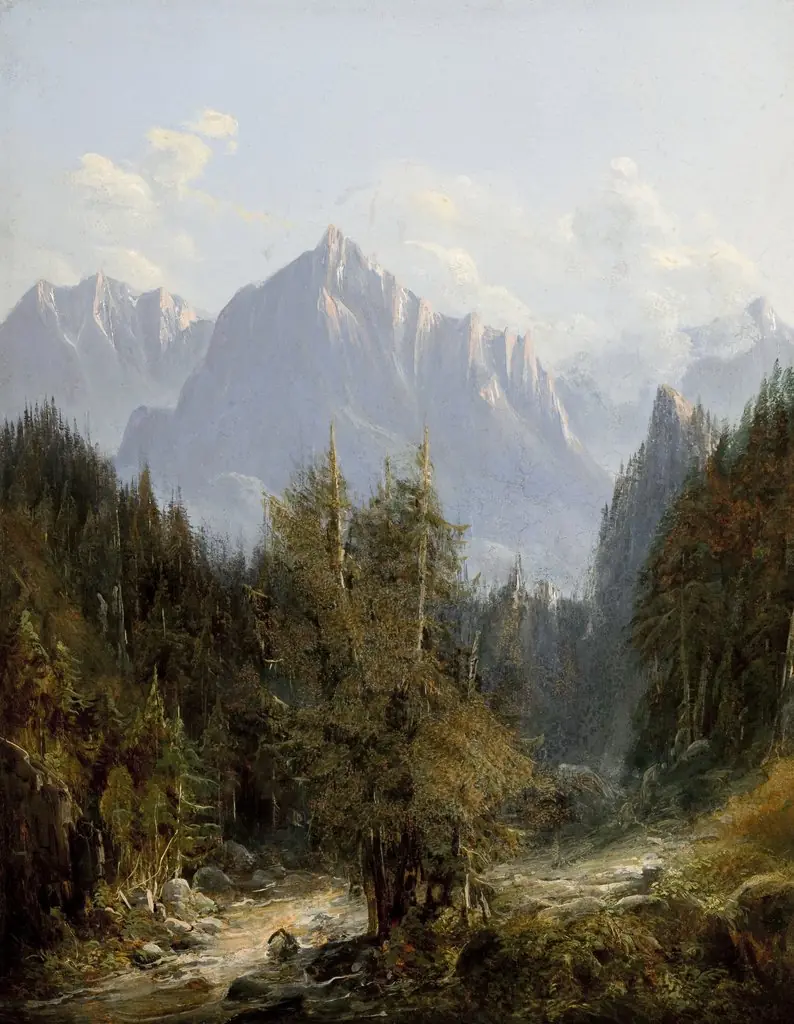 Road to the Morskie Oko Lake
 Tree in a Wintry Forest
 Winter